

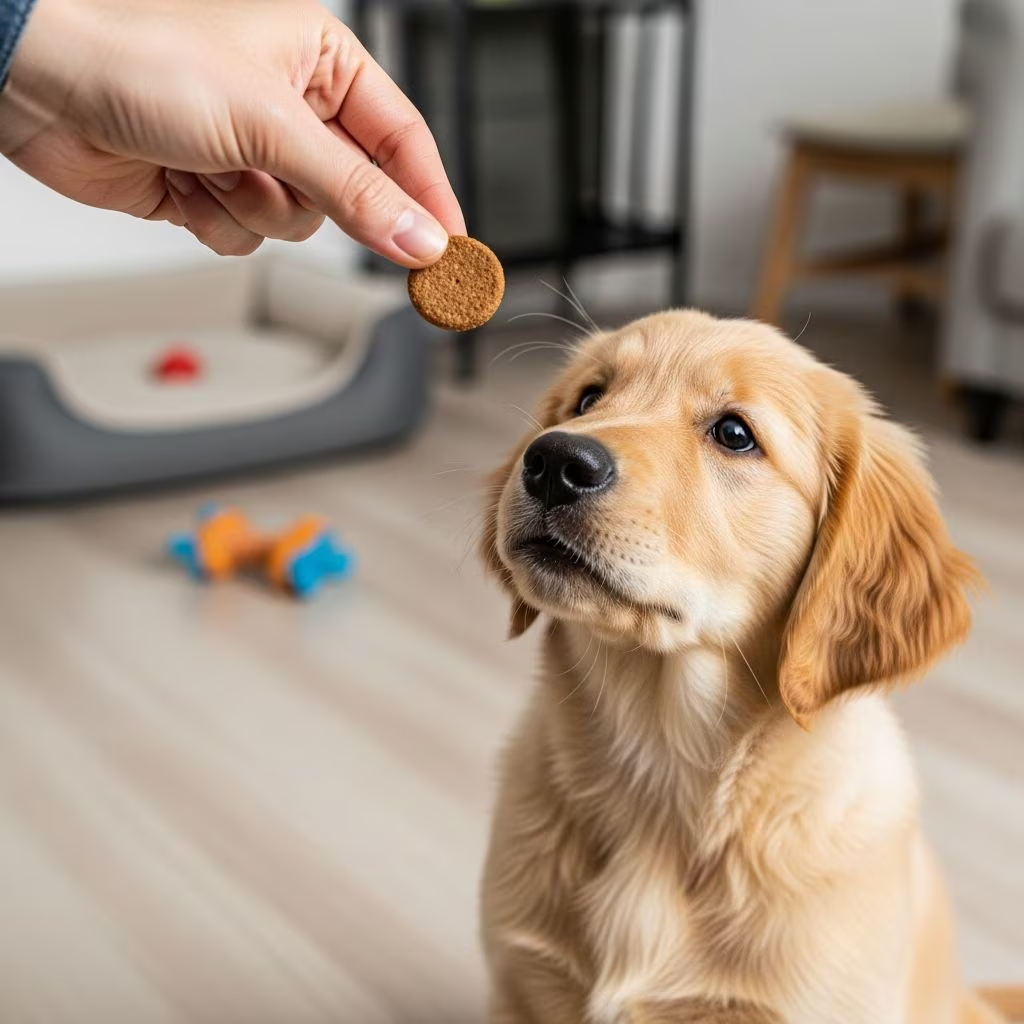
The Role of Treats in Training Your Pet
Treats are far more than just tasty snacks for your furry companion—they are powerful tools that can transform your dog training experience. When used strategically, treats serve as immediate, tangible rewards that help your dog understand which behaviors you want to encourage and repeat. The foundation of effective dog training lies in positive reinforcement, and treats are often the most compelling incentive to motivate your pet to learn new commands, break bad habits, and strengthen the bond between you and your canine friend.
Understanding how to harness the power of treats in training requires knowledge about selection, timing, and implementation. This comprehensive guide explores everything you need to know about incorporating treats into your dog training routine to achieve lasting, positive results.
Understanding Positive Reinforcement Training
Positive reinforcement training is a scientifically-backed approach that rewards desired behaviors, making your dog more likely to repeat them in the future. Unlike punishment-based methods, positive reinforcement builds trust and enthusiasm in your dog, creating a learning environment where your pet actually enjoys training sessions.
When your dog performs a desired behavior and immediately receives a reward in the form of a treat, they begin to form a mental association between the action and the positive outcome. This association strengthens over time, transforming training from a chore into an exciting game that your dog looks forward to participating in. The key to success with positive reinforcement is consistency and timing—the treat must follow the desired behavior almost instantaneously for maximum effectiveness.
Why Treats Matter in Dog Training
Dogs are naturally motivated by food, and this fundamental instinct makes treats an exceptionally effective training tool. Unlike abstract praise or attention, treats provide a concrete, immediate reward that dogs can tangibly connect to their actions. This clarity helps your dog understand exactly what behavior earned the reward.
High-value treats are particularly effective because they capture your dog’s attention and focus during training sessions. When your dog is excited about the potential reward, they’re more engaged and ready to learn. This heightened engagement accelerates the learning process, allowing you to teach new commands and behaviors more efficiently. Additionally, the positive experience associated with training creates a stronger emotional bond between you and your pet.
Selecting the Right Training Treats
High-Value Reward Characteristics
The best training treats possess specific characteristics that make them effective rewards for learning. Professional dog trainers recommend selecting treats that are:
- Bite-sized for easy consumption during training sessions
- Highly aromatic and flavorful to capture attention
- Low in calories to allow frequent rewards without disrupting daily nutrition
- Soft and easy to chew for quick consumption
- Made with wholesome, quality ingredients
Fragrant treats like freeze-dried meat bits and soft, chewy bites tend to work exceptionally well because their strong aroma and rich flavor appeal directly to your dog’s senses. Popular flavors among dogs include beef liver, peanut butter, bacon, and salmon. These mouthwatering options can command your dog’s attention and motivation during training.
Chewy vs. Crunchy Treats for Training
When choosing between treat types, chewy treats often emerge as the preferred option for training purposes. Soft, chewy treats offer several distinct advantages for training sessions:
- Strong aroma that attracts and motivates dogs
- Rich, concentrated flavor that dogs find irresistible
- Quick consumption time, allowing rapid reward delivery
- Easy to break into smaller pieces for portion control
- Suitable for older dogs or those with dental sensitivity
Crunchy treats, while beneficial for dental health and often lower in calories, may not be ideal for training because they require more time to consume and may lack the aromatic intensity that makes training treats so effective. However, they can be incorporated as secondary rewards or used when training goals have advanced.
Specialty Treat Options
Freeze-dried meat treats represent an excellent training option for health-conscious pet owners. These treats undergo a delicate freeze-drying process that removes only water while preserving nutritional integrity and eliminating the need for added preservatives. They’re protein-rich, extremely aromatic, and typically low in calories—making them ideal for frequent training rewards. A single freeze-dried beef liver treat may contain only 5 calories, allowing you to provide multiple rewards during a training session without concern about overfeeding.
Single-ingredient treats are another smart choice for training. These treats eliminate confusion about what flavors your dog prefers and are often ideal for dogs with food sensitivities or allergies. When you know exactly what your dog is consuming, you can more easily identify which treats motivate your pet most effectively.
The Science of Timing in Treat-Based Training
One of the most critical principles in positive reinforcement training is precise timing. The timing of reward delivery directly impacts how effectively your dog associates the treat with the desired behavior. The optimal approach is to deliver the treat within one to two seconds of the desired behavior occurring.
When you reward immediately after your dog performs a desired action, your pet can clearly connect the treat to the specific behavior that earned it. For example, if you’re teaching your dog to sit and you deliver a treat within seconds of your dog’s bottom touching the ground, your dog understands that sitting is what produces the reward. This creates a powerful mental link that strengthens the behavior’s association with the reward.
Delayed rewards, conversely, create confusion. If you reward your dog several seconds after they’ve moved away from the sitting position, your dog might associate the treat with standing or another intervening behavior rather than the sit command. This timing precision is why many professional trainers use clicker training—the click sound marks the exact moment of desired behavior, and the treat follows immediately after.
Building Behavior Chains With Treats
As your dog becomes more proficient with training, you can advance to behavior chains—sequences of multiple commands performed before delivering a reward. Rather than rewarding each individual behavior, you can chain behaviors together and reward only at the end of the sequence.
For instance, instead of rewarding separately for “come,” “sit,” and “down,” you could chain these behaviors: your dog comes to you, sits without additional command, and lies down—all before receiving a single treat. This advanced technique accomplishes several valuable goals:
- Reduces the total number of treats needed during training
- Strengthens your dog’s focus and impulse control
- Creates more complex behavioral sequences
- Provides mental stimulation and brain work for your dog
- Allows you to work toward longer training sessions with fewer rewards
Building behavior chains gradually is essential. Start with two behaviors linked together, then progress to three, and eventually work toward longer sequences. As your dog advances, you can build chains of 10 or more behaviors before delivering the final reward.
Preventing Over-Reliance on Treats
While treats are exceptionally powerful training tools, it’s crucial to avoid creating a dog that only obeys when treats are present. This requires a strategic approach to gradually phasing out treat dependency while maintaining strong behavioral responses.
Gradual Treat Reduction
As your dog becomes more reliable in performing desired behaviors, gradually reduce the frequency of treat rewards. Start by rewarding every successful behavior, then progress to rewarding every other successful response, then every third response, and so forth. This variable reward schedule actually strengthens behavioral responses because your dog never knows exactly when the next treat will appear, maintaining motivation and focus.
Incorporating Alternative Rewards
Diversify your reward system by incorporating non-food rewards alongside treats:
- Verbal praise and enthusiastic encouragement
- Physical affection such as belly rubs or scratches
- Playtime with favorite toys
- Access to special activities or locations
- Extra outdoor time or walks
By pairing food rewards with other forms of praise and recognition, you create a well-rounded training experience. Over time, your dog learns to respond to commands for the intrinsic reward of pleasing you and receiving various types of recognition, not solely for the expectation of food.
Training Treats for Different Life Stages
Your dog’s treat needs change throughout their life. Puppies require different nutritional profiles than adult dogs, and senior dogs may have specific dietary considerations. Most quality training treat brands offer options formulated for different life stages:
Puppy training treats are specifically formulated to support growth and development while remaining small and low-calorie for frequent rewards. Adult dog training treats balance nutrition with training effectiveness. Senior dog training treats often feature softer textures and ingredients that support joint health and digestive wellness. When selecting treats, check the packaging to ensure you’re choosing options appropriate for your dog’s age and life stage.
Nutritional Considerations for Regular Training
When you’re conducting frequent training sessions with regular treat rewards, nutrition becomes increasingly important. Quality training treats should be:
- Low in calories to prevent overfeeding
- High in protein for satiety and muscle support
- Made with recognizable whole-food ingredients
- Free from excessive fillers or low-quality grains
- Appropriate for your dog’s specific health needs
Check treat packaging for serving size recommendations and adjust your dog’s main meal portions accordingly if you’re providing multiple training treats daily. This ensures your dog receives balanced nutrition while maintaining a healthy weight. If your dog is overweight or has specific dietary needs, consult your veterinarian about appropriate training treat options. They may recommend low-calorie freeze-dried options or suggest adjusting treat sizes to accommodate your dog’s nutritional requirements.
Training-Specific Treat Strategies
Teaching New Commands
When introducing a new command, high-value treats are essential for capturing your dog’s attention and motivation. For example, when teaching “sit,” use highly aromatic treats that your dog finds irresistible. Reward immediately each time your dog successfully sits on command. This consistent reward pattern creates a strong association between the verbal cue, the physical action, and the positive outcome.
Breaking Unwanted Behaviors
Treats are equally effective for addressing problem behaviors by rewarding the desired alternative behavior. If your dog jumps on guests, reward calmly sitting instead. Rather than punishing the jumping, you’re positively reinforcing the calm behavior you want to see, making jumping less rewarding than sitting politely.
Building Recall Reliability
Recall training benefits tremendously from high-value treats. Teaching your dog to come reliably requires consistent, enthusiastic rewards. Use your dog’s favorite treats exclusively for recall training during initial stages to create a powerful association between hearing “come” and receiving an exceptional reward.
Homemade vs. Commercial Training Treats
Both homemade and commercial training treats can be effective. Commercial treats offer convenience, consistency, and quality assurance. Most reputable brands are formulated by nutritionists and tested for safety and palatability. However, homemade treats allow you to control ingredients precisely and can be customized to your dog’s preferences.
If you choose to make homemade training treats, ensure recipes are vet-approved and use only dog-safe ingredients. Many veterinary-approved recipes exist for simple treats like peanut butter macarons or pumpkin-based options. Homemade treats should still follow training treat principles: small size, high palatability, and appropriate nutrition.
Frequently Asked Questions
Q: What makes training treats different from regular dog treats?
A: Training treats are specifically designed to be small, low-calorie, and highly aromatic. Their bite-sized nature allows you to provide frequent rewards without disrupting your dog’s daily nutrition, and their strong flavor and aroma keep your dog focused and motivated during training sessions.
Q: How often should I give my dog training treats?
A: The frequency depends on your training goals and your dog’s overall caloric intake. During intensive training sessions, you might give dozens of small treats. Adjust your dog’s main meals to account for training treat calories to maintain a healthy weight.
Q: Can I use regular dog treats for training?
A: While you can use regular treats, training treats are superior because they’re formulated for frequent rewards. Regular treats are often larger and higher in calories, making them less suitable for the multiple rewards required during training sessions.
Q: What’s the best flavor for training treats?
A: Most dogs respond best to strongly aromatic, flavorful treats like beef liver, bacon, salmon, and peanut butter. However, individual preferences vary, so observe which flavors most motivate your specific dog.
Q: How do I know if training treats are healthy?
A: Check for treats made with wholesome ingredients, minimal fillers, appropriate protein levels, and reasonable calorie counts. Freeze-dried meat treats and single-ingredient options are generally healthy choices. Consult your veterinarian if your dog has dietary restrictions or health concerns.
Q: Can treats help with anxiety or behavioral problems?
A: Yes, treats are effective for counterconditioning and desensitization exercises that address anxiety and behavioral issues. By rewarding calm behavior during anxiety-triggering situations, you gradually reduce your dog’s negative response.
Q: At what age can I start using treats for training?
A: You can begin treat-based training with puppies as young as 8 weeks old using puppy-appropriate training treats. Select small, soft treats and adjust portions to accommodate their small size and developing digestive systems.
References
- Best Dog Training Treats — Chewy. https://www.chewy.com/b/training-treats-1550
- The Power of Chewy Rewards: Using Treats as Positive Reinforcement — The Hungry Puppy. https://www.thehungrypuppy.com/blogs/posts-from-the-pup/the-power-of-chewy-rewards-using-treats-as-positive-reinforcement
- Crunchy Vs. Chewy Dog Treats: How to Treat Your Dog Right — Animal Wellness Magazine. https://animalwellnessmagazine.com/crunchy-vs-chewy-dog-treats-how-to-treat-your-dog-right/
- Why We Love Single-Ingredient, Grain-Free Dog Treats — Chewy. https://www.chewy.com/education/cat/food-and-nutrition/makes-single-ingredient-pet-treats-good
- Teach Your Dog ‘Behavior Chains’ With Clicker Training — Chewy. https://www.chewy.com/education/dog/training-and-behavior/advanced-clicker-training-teaching-your-dog-to-perform-behaviors-chains



