

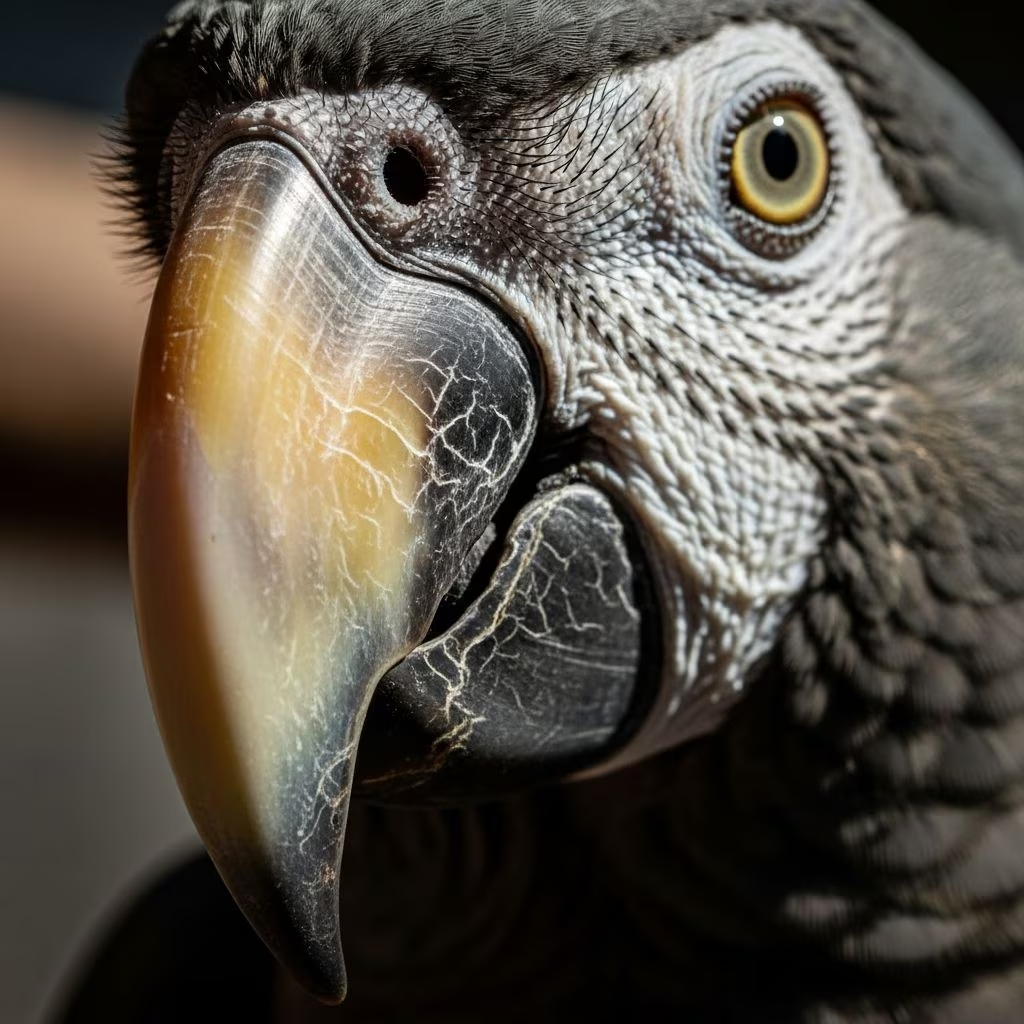
The Parrot Beak: Structure, Function, and Care
The parrot beak is a marvel of evolutionary engineering, uniquely adapted to meet the diverse needs of these intelligent birds. From cracking nuts to grooming feathers and engaging in social interactions, the beak plays a central role in a parrot’s daily life. This article explores the intricate anatomy, function, and care of the parrot beak, providing insights into how this remarkable organ supports the health and well-being of parrots.
Anatomical Structure of the Parrot Beak
The parrot beak is a complex organ composed of several integral components, each contributing to its strength, flexibility, and sensory capabilities.
Bony Core
The foundation of the beak is its bony core, primarily formed by the premaxillary bone in the upper mandible and the mandibular bone in the lower mandible. This osseous structure provides the necessary rigidity and strength for various activities, from cracking nuts to intricate manipulations. The bony core is reinforced by a complex network of bony spicules (trabeculae) seated in soft connective tissue, which further enhances its durability.
Rhamphotheca
Encasing the bony core is the rhamphotheca, a keratinized sheath that serves as the beak’s outer layer. This sheath is composed of multiple layers of keratin, a fibrous structural protein also found in feathers, claws, and scales. The rhamphotheca is dynamic, continuously growing to compensate for the wear resulting from daily activities. The keratin covering the maxilla (upper beak) is called the rhinotheca, while that covering the mandible (lower beak) is called the gnatotheca.
Neurovascular Components
Embedded within the beak are intricate networks of blood vessels and nerves. Sensory papillae, rich in nerve endings, extend from the bone into the rhamphotheca, especially towards the beak’s tip. These structures endow parrots with a heightened tactile sense, enabling precise manipulation of objects and effective exploration of their environment.
Tomium
The sharp, cutting edge of the beak, known as the tomium, plays a vital role in the parrot’s ability to crack open seeds, nuts, and other hard food items. This edge aids in breaking down food into manageable pieces before swallowing.
Salivary Glands
Parrots feature salivary glands situated on the roof of their mouths, producing saliva that facilitates the lubrication of food. This lubrication process eases the swallowing of food.
Tongue and Hyoid Apparatus
Although the parrot’s tongue is relatively immobile compared to that of humans, it aids in manipulating food within the beak. The hyoid apparatus, a bony structure supporting the tongue, plays a role in swallowing.
Choanal Papillae
Choanal papillae are V-shaped structures that line the edges of the choana, forming a barrier between the oral and nasal passages. They play a crucial role in these birds’ feeding and respiratory processes. The V-shaped arrangement helps in directing food towards the esophagus while preventing it from entering the nasal cavity.
Functional Adaptations of the Parrot Beak
The parrot beak is a testament to evolutionary adaptations tailored to their ecological niches.
Feeding Mechanics
Parrots are predominantly granivorous, feeding on seeds and nuts that require significant force to crack. The robust bony core, combined with the hard keratinized rhamphotheca, allows parrots to exert substantial bite forces. For instance, larger parrot species can produce bite forces comparable to that of a large dog, facilitating access to a variety of food sources.
Continuous Growth and Maintenance
The perpetual growth of the rhamphotheca ensures that the beak remains functional despite constant use. Activities such as feeding, preening, and gnawing naturally wear down the beak, and the continuous growth compensates for this attrition, maintaining optimal length and functionality.
Social Interaction
The beak is also used in social interactions, such as preening, courtship, and play. Parrots use their beaks to groom themselves and their companions, strengthening social bonds.
Beak Care and Health
Proper beak care is essential for maintaining the health and well-being of parrots.
Regular Inspection
Regularly inspect your parrot’s beak for any signs of abnormalities, such as overgrowth, discoloration, or injury. Healthy beaks should be smooth, symmetrical, and free of cracks or lesions.
Providing Appropriate Chewing Materials
Offer your parrot a variety of safe chewing materials, such as wooden toys, cuttlebones, and mineral blocks. These items help wear down the beak naturally and prevent overgrowth.
Diet and Nutrition
A balanced diet rich in vitamins and minerals is crucial for beak health. Ensure your parrot receives adequate calcium, vitamin A, and other essential nutrients to support beak growth and maintenance.
Professional Care
If you notice any issues with your parrot’s beak, consult an avian veterinarian. Professional care may be necessary to address problems such as overgrowth, infection, or injury.
Common Beak Problems and Solutions
Parrots can experience various beak problems, including overgrowth, malocclusion, and infection. Here are some common issues and their solutions:
- Overgrowth: Provide appropriate chewing materials and consult a veterinarian if overgrowth persists.
- Malocclusion: Seek professional care to correct misalignment and prevent further complications.
- Infection: Maintain good hygiene and seek veterinary treatment for any signs of infection.
FAQs
Why is my parrot’s beak overgrown?
Overgrowth can occur due to lack of appropriate chewing materials, nutritional deficiencies, or underlying health issues. Consult a veterinarian for proper diagnosis and treatment.
Can parrots regrow their beaks?
Yes, the rhamphotheca (keratin sheath) continuously grows, allowing the beak to regenerate and maintain its function.
How often should I inspect my parrot’s beak?
Inspect your parrot’s beak regularly, at least once a week, to ensure it remains healthy and free of abnormalities.
What should I do if my parrot’s beak is injured?
Seek immediate veterinary care if your parrot’s beak is injured. Prompt treatment can prevent complications and promote healing.
Conclusion
The parrot beak is a marvel of evolutionary engineering, intricately designed to fulfill multiple roles from feeding to social interaction. Its composite structure, combining a sturdy bony foundation with a dynamic keratinized sheath enriched with sensory capabilities, exemplifies nature’s ability to tailor anatomical features to an organism’s ecological and behavioral needs. Ongoing research into the nuances of beak composition and function not only enhances our understanding of avian biology but also informs better practices in the care and conservation of these remarkable birds.
References
- The Marvel of a Parrot’s Beak: Structure, Composition, and Function — Parrot Supplies. 2023. https://parrotsupplies.co.za/blogs/chloes-story/the-marvel-of-a-parrot-s-beak-structure-composition-and-function
- How Parrots Swallow and Beak Anatomy — Poodles and Parrots. 2023. https://www.poodlesandparrots.com/blog/posts/how-parrots-swallow-and-beak-anatomy
- Parrot Beak Facts You NEED to Know! — YouTube. 2023. https://www.youtube.com/watch?v=Xkwmkx3T-6I



