

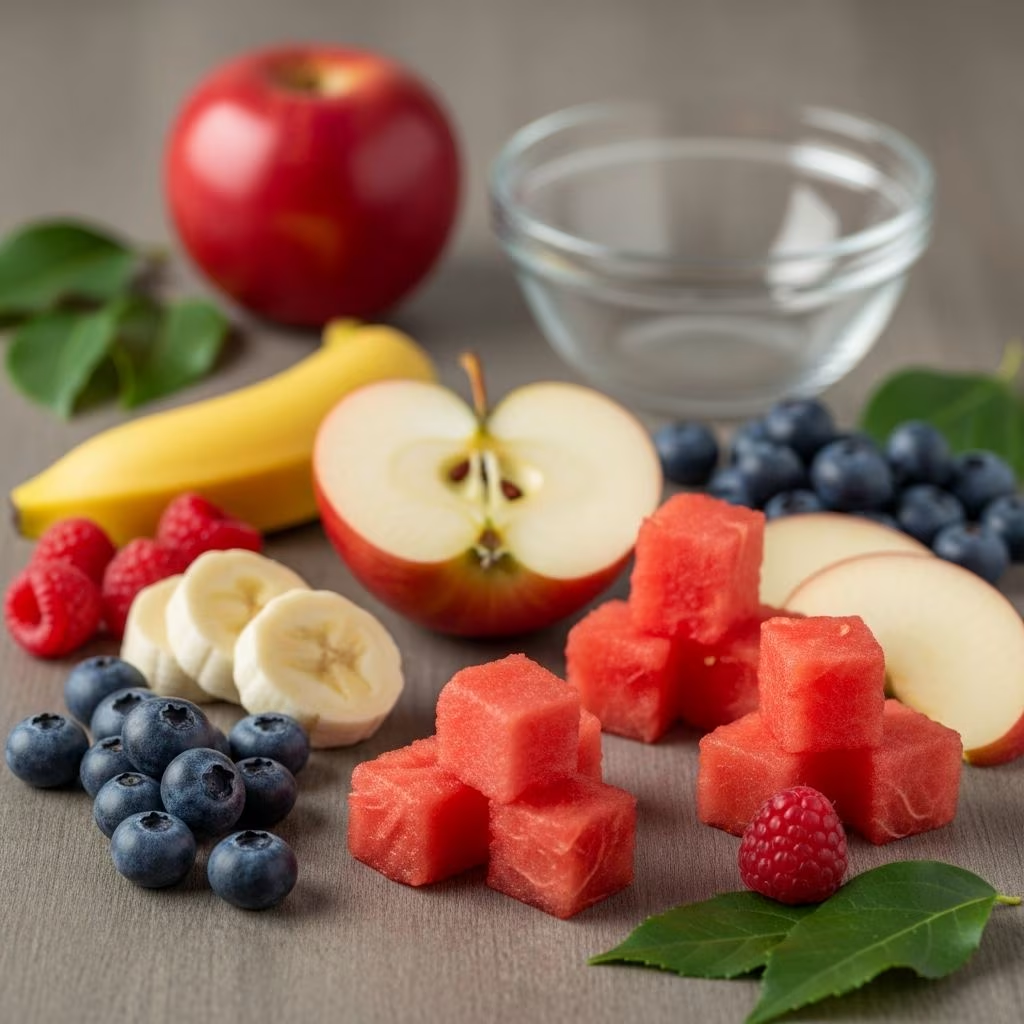
Fruits can be a delicious and nutritious addition to your dog’s diet when offered in moderation. Packed with vitamins, minerals, fiber, and antioxidants, these natural treats support immune health, digestion, hydration, and more. However, not all fruits are safe, and preparation is key to avoid choking hazards or toxicity. This guide covers the top dog-safe fruits, their benefits, feeding tips, and fruits to steer clear of, helping you treat your pup responsibly.
Why Fruits Make Great Dog Treats
Fruits provide essential nutrients that complement a balanced dog diet. Low in fat and protein, they’re ideal occasional snacks—aim for no more than 10% of daily calories from treats. Benefits include antioxidants to combat cell damage, fiber for digestion, vitamins for immunity, and high water content for hydration. Always wash fruits, remove inedible parts like pits, seeds, skins, and cores, and introduce new fruits gradually to monitor for allergies or digestive upset.
Safe Fruits for Dogs
Here are the best fruits dogs can enjoy safely. We’ve detailed nutritional perks, serving sizes, and prep tips for each.
Apples
Apples are low-calorie powerhouses rich in vitamins A and C, fiber, potassium, and antioxidants. They promote dental health by scraping plaque and support digestion.
- Benefits: Boosts immunity, aids weight management, freshens breath.
- How to serve: Wash, core, and slice into small pieces. Remove seeds (contain cyanide). Frozen slices make cooling summer treats.
- Portion: 1-2 slices for small dogs; half apple for large breeds daily max.
Commercial apple dog treats from brands like Hill’s offer convenient options.
Bananas
Bananas deliver potassium, vitamins B6 and C, fiber, and biotin. They’re energy-boosting but higher in sugar, so use sparingly.
- Benefits: Supports heart health, muscle function; low cholesterol/sodium.
- How to serve: Peel and slice or mash into meals. Avoid peels (indigestible, risk of blockage).
- Portion: 1-2 inch chunk for small dogs; half banana for large.
Try Blue Buffalo Banana Health Bars for pre-portioned treats.
Blueberries
These superfood berries are low-calorie, bursting with vitamin C, fiber, antioxidants, and phytochemicals that prevent cell damage.
- Benefits: Anti-aging for brain and eyes; great training treats.
- How to serve: Fresh, frozen, or as toppers. Mix with yogurt for fun snacks.
- Portion: 10-20 berries daily, based on size.
Popular in blueberry-yogurt dog treats.
Strawberries
Strawberries pack vitamin C, B1, K, potassium, fiber, and antioxidants. An enzyme helps whiten teeth naturally.
- Benefits: Immune support, anti-inflammatory.
- How to serve: Wash, hull, and slice. Freeze for enrichment toys.
- Portion: 1 small or half large per 10 lbs body weight.
Watermelon
Watermelon is 92% water, perfect for hydration, plus vitamins A, B6, C, potassium, and lycopene antioxidants.
- Benefits: Cools dogs in heat; supports eyes, heart.
- How to serve: Remove rind/seeds; cube flesh.
- Portion: 1 cup per 10 lbs, occasionally due to sugar.
Cantaloupe
Low-calorie cantaloupe offers vitamins A and C, folate, fiber, potassium; 90% water for hydration.
- Benefits: Aids digestion, weight control.
- How to serve: Scoop out seeds, remove rind, cube.
- Portion: Small cubes; limit for diabetic dogs.
Honeydew Melon
Honeydew provides vitamin C, potassium, fiber; mostly water like cantaloupe.
- Benefits: Hydration, low-cal snack.
- How to serve: Remove rind/seeds, serve cubed.
- Portion: Similar to cantaloupe.
Cranberries
High in fiber, antioxidants, vitamins C/E/K/B1/B2, manganese, copper.
- Benefits: Urinary tract health, sour taste masks appeal.
- How to serve: Fresh, dried (unsweetened), or in treats like Hill’s Fruity Snacks.
- Portion: 1-2 tbsp daily.
Cucumbers
97% water, low-cal/fat; great for overweight dogs.
- Benefits: Hydration, crunch for teeth.
- How to serve: Sliced or scooped.
- Portion: 1-2 slices per 10 lbs.
Kiwi
Kiwi supplies vitamin C, fiber, potassium, minerals (calcium, magnesium, phosphorus), vitamins E/B9, antioxidants.
- Benefits: Digestion aid, constipation relief.
- How to serve: Peel, remove seeds, slice.
- Portion: 1-2 slices occasionally.
Mangoes
Rich in fiber, vitamins A/B6/C/E, potassium, beta/alpha-carotene.
- Benefits: Eye/skin health.
- How to serve: Peel pit (cyanide risk), cube flesh.
- Portion: Small pieces, moderation for sugar.
Pupford freeze-dried mango treats are mess-free.
Pineapple
Pineapple offers vitamins, minerals, fiber, bromelain enzyme for protein digestion and immunity.
- Benefits: Anti-inflammatory, digestion support.
- How to serve: Fresh chunks; avoid canned/sweetened.
- Portion: Small amounts to prevent acidity upset.
Blackberries
Low-cal, high in vitamin C, fiber, antioxidants, phytochemicals.
- Benefits: Hydration, toppers.
- How to serve: Whole or in treats.
- Portion: Handful daily.
Raspberries
Antioxidants, low sugar/calories, high fiber, manganese, vitamin C; anti-inflammatory.
- Benefits: Joint health for seniors; limit xylitol trace.
- How to serve: Fresh/frozen; max 8 oz.
- Portion: Small handful.
Fruits Dogs Should Avoid
Some fruits pose risks due to toxins, choking, or digestive issues. Never offer:
- Grapes/Raisins: Cause kidney failure.
- Cherries: Pits contain cyanide; stems toxic.
- Avocados: Persin toxin harms heart/lungs.
- Tomatoes (green parts): Solanine toxicity.
- Citrus: High acidity upsets stomach.
- Peaches/Nectarines/Plums/Apricots: Pits cyanide/choking.
Fruits Preparation Tips
Always prioritize safety:
- Remove pits, seeds, cores, rinds, stems.
- Wash thoroughly.
- Chop into small, swallow-safe pieces.
- Start small to check tolerance.
- Fresh over canned (no syrup/sugar).
- Organic if possible to reduce pesticides.
| Fruit | Key Nutrients | Daily Portion (per 10 lbs) |
|---|---|---|
| Apple | Vit A/C, Fiber | 1 slice |
| Banana | Potassium, Vit B6/C | 1-inch piece |
| Blueberry | Antioxidants, Vit C | 10 berries |
| Watermelon | Hydration, Vit A | 1/4 cup |
| Kiwi | Fiber, Vit C/E | 1 slice |
Frequently Asked Questions (FAQs)
Can all dogs eat fruit?
Most can in moderation, but consult a vet for puppies, seniors, or dogs with diabetes/obesity.
How much fruit is too much?
Limit to 10% of calories; excess sugar risks obesity/diabetes.
Are fruit treats as good as fresh?
They’re convenient but check for added sugars; fresh maximizes benefits.
Can fruits replace dog food?
No—fruits are supplements to complete, balanced kibble or wet food.
What if my dog eats toxic fruit?
Contact vet or ASPCA Poison Control immediately.
References
- What Fruits Can Dogs Eat? — PetMD. 2023. https://www.petmd.com/dog/nutrition/what-fruits-can-dogs-eat
- The Best Fruits for Dogs to Eat — Kinship. 2023. https://www.kinship.com/dog-nutrition/the-best-fruits-for-dogs-to-eat
- Fruits and Vegetables Dogs Can or Can’t Eat — American Kennel Club. 2023. https://www.akc.org/expert-advice/nutrition/fruits-vegetables-dogs-can-and-cant-eat/



