

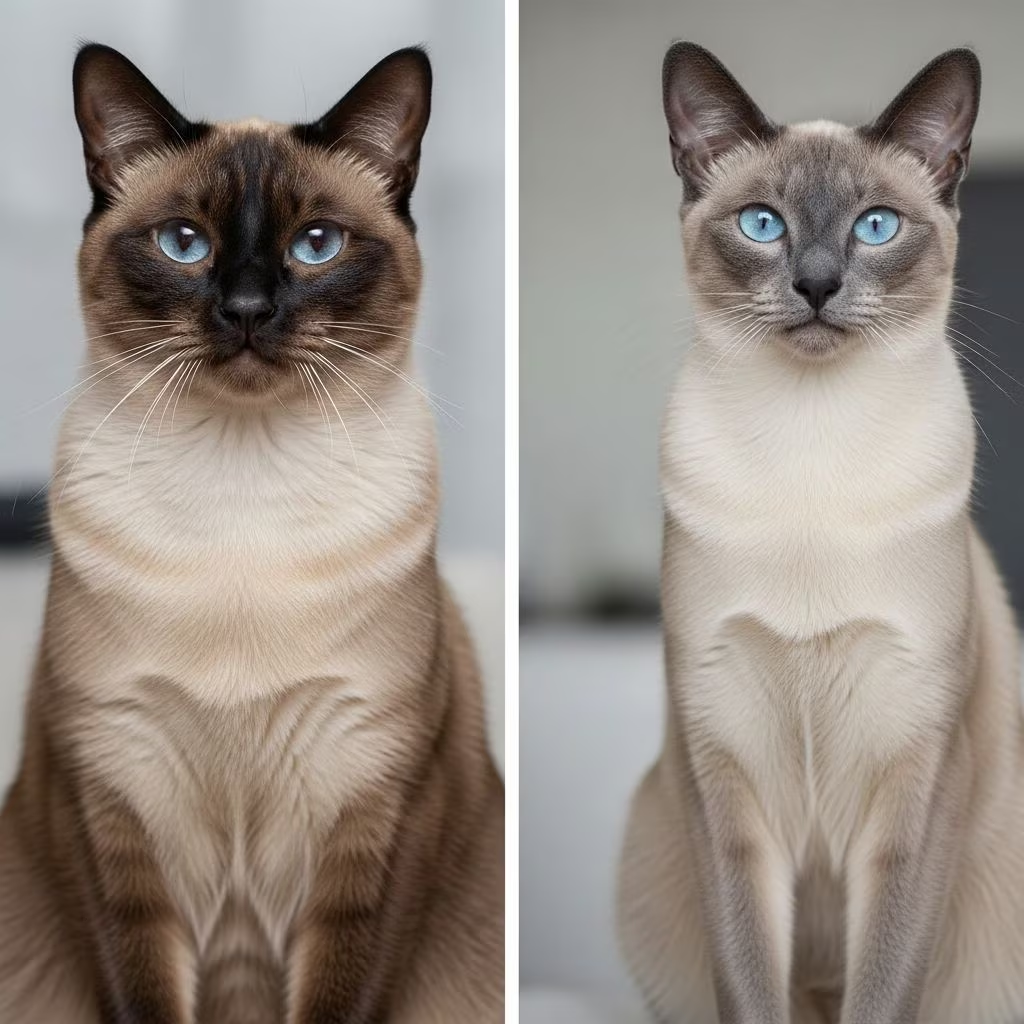
Thai and Siamese cats share striking similarities in their pointed color patterns and affectionate natures, yet they represent distinct breeds with unique traits shaped by history and selective breeding. Originating from ancient Thai lineages, these cats appeal to owners seeking vocal, people-oriented companions. This guide delves into their physical differences, behaviors, health considerations, and practical care to help you decide between them.
Historical Roots of Thai and Siamese Breeds
Both breeds trace back to Thailand, where they were revered in ancient manuscripts like the Tamra Maew from the 14th to 18th centuries, describing cats with pale bodies and dark points. The Siamese cat gained fame in the West through early 20th-century exports, but modern breeding elongated its features into a sleek, wedge-shaped form. In response, enthusiasts revived the traditional Siamese look, establishing the Thai cat as a separate breed with rounder, more moderate proportions.
Thai cats preserve the ‘old-style’ Siamese appearance, featuring apple-shaped heads and sturdier builds closer to their ancestral wichienmaat cats. Siamese, meanwhile, evolved toward an extreme Oriental type with tubular bodies and sharp angles. This divergence reflects breeders’ preferences: Thais for robustness, Siamese for elegance.
Physical Characteristics at a Glance
Thai cats exhibit a more compact, muscular frame compared to the lithe Siamese. Both display the signature pointed coloration—lighter bodies with darker extremities in shades from seal to lilac—but their body conformations set them apart.
| Feature | Thai Cat | Siamese Cat |
|---|---|---|
| Height (adult) | 11–14 inches (up to 23 inches in some reports) | 8–10 inches (10–13 inches) |
| Weight (adult) | 8–15 pounds | 6–14 pounds |
| Body Type | Round, apple-shaped head; thick paws; short tail | Long, lean; triangular head; slender legs; long tail |
| Ears | Medium-large | Larger, set wide |
| Coat | Short, single layer | Medium-short, close-lying |
| Eyes | Blue, vivid | Bright blue |
Data compiled from breed standards. Thai cats often appear stockier, resembling sturdy short-haired domestics, while Siamese evoke a graceful, elongated silhouette.
Detailed Look: Size and Build Variations
Size differences are pronounced: Thai cats stand taller and carry more weight, averaging 8–15 pounds versus the Siamese’s 6–14 pounds. Their height can reach 23 inches at the shoulder, dwarfing the Siamese’s 10–13 inches. This robustness stems from efforts to maintain traditional proportions without the extreme refinement seen in show Siamese.
Head shapes define them further. The Thai’s apple dome contrasts the Siamese’s sharp wedge, with Thais having shorter noses and fuller cheeks. Legs on Thais are substantial with plush paws; Siamese boast fine-boned limbs and oversized ears. Tails follow suit—Thai tails are shorter and thicker, Siamese whips are long and tapering.
Coat Colors and Patterns Explained
Identical in patterning, both breeds are ‘pointed’: cooler extremities darken due to the Himalayan gene, yielding points in seal, chocolate, blue, lilac, and rarer reds or tabbies. Bodies range from ivory to warm fawn. Thai cats occasionally show broader color acceptance, including paler or albino variants, always retaining blue eyes.
Grooming remains low-maintenance for both, with short, flat coats needing weekly brushing to manage shedding. No longhair gene appears in pedigreed lines.
Temperament and Daily Interactions
- Affectionate and Vocal: Expect constant companionship; both ‘talk’ incessantly, using meows, trills, and chirps to communicate.
- Thai Friendliness: Quicker to greet strangers and bond with all household members or pets; universally sociable.
- Siamese Selectivity: Devoted to chosen people but aloof or vocal toward others they dislike.
- Intelligence: Highly curious and trainable, thriving on puzzles, tricks, and interactive play to prevent boredom-induced mischief.
Family suitability is high for both, though their energy demands active homes. Children and other animals integrate well, provided introductions are gradual.
Care Essentials for Optimal Well-Being
Daily exercise exceeds 1 hour: vertical spaces, toys, and leashed walks suit their athleticism. Nutrition focuses on high-protein diets supporting lean muscle; portion control prevents obesity in stockier Thais.
Litter training succeeds due to smarts, but provide ample boxes in multi-cat homes. Moderate grooming curbs mats, and dental care is crucial given breed predispositions.
Health Profiles and Longevity
Thai cats boast superior vitality, with lifespans of 12–16 years (some sources note 15–20), free from breed-specific woes thanks to diverse breeding. Siamese average 8–15 years (up to 20), facing risks like gum disease, asthma, hyperesthesia, lymphoma, cardiac issues, liver problems, and progressive retinal atrophy.
- Preventive Measures: Annual vet checks, dental cleanings, eye exams, and heart screenings.
- Breeder Caution: Seek health-tested lines to minimize hereditary risks.
Which Breed Fits Your Lifestyle?
Choose Thai for a robust, stranger-friendly cat ideal for busy households or multi-pet environments. Opt for Siamese if you crave an elegant, intensely loyal (yet picky) companion in quieter, adult-focused homes. Both demand engagement but reward with unwavering devotion.
Frequently Asked Questions
Are Thai cats hypoallergenic?
No, but their short coats produce less dander than longhaired breeds. Regular grooming helps allergy sufferers.
Can Thai and Siamese cats interbreed?
Yes, producing pointed kittens, but ethical breeders maintain separation to preserve standards.
Which is easier to train?
Both challenge novices due to intelligence, but positive reinforcement yields tricks like fetching.
Do they adapt to apartments?
Absolutely, with ample play and windows for stimulation.
How vocal are they really?
Extremely—expect daily conversations rivaling a roommate.
Final Thoughts on Choosing Your Pointed Companion
Thai and Siamese cats embody Thailand’s feline legacy, blending beauty, brains, and bonds. Weigh size, sociability, and health against your routine for a match made in purr-adise.
References
- Thai Cat vs. Siamese Cat — A-Z Animals. 2023. https://a-z-animals.com/blog/thai-cat-vs-siamese-cat/
- Thai vs Siamese Cat: The Differences (With Pictures) — Catster. 2024. https://www.catster.com/cat-breeds/thai-vs-siamese-cat/
- Thai Cats: The Classic Siamese — PrettyLitter. 2023. https://www.prettylitter.com/blog/thai-cats-the-classic-siamese
- Thai cat — Wikipedia. 2024. https://en.wikipedia.org/wiki/Thai_cat



