

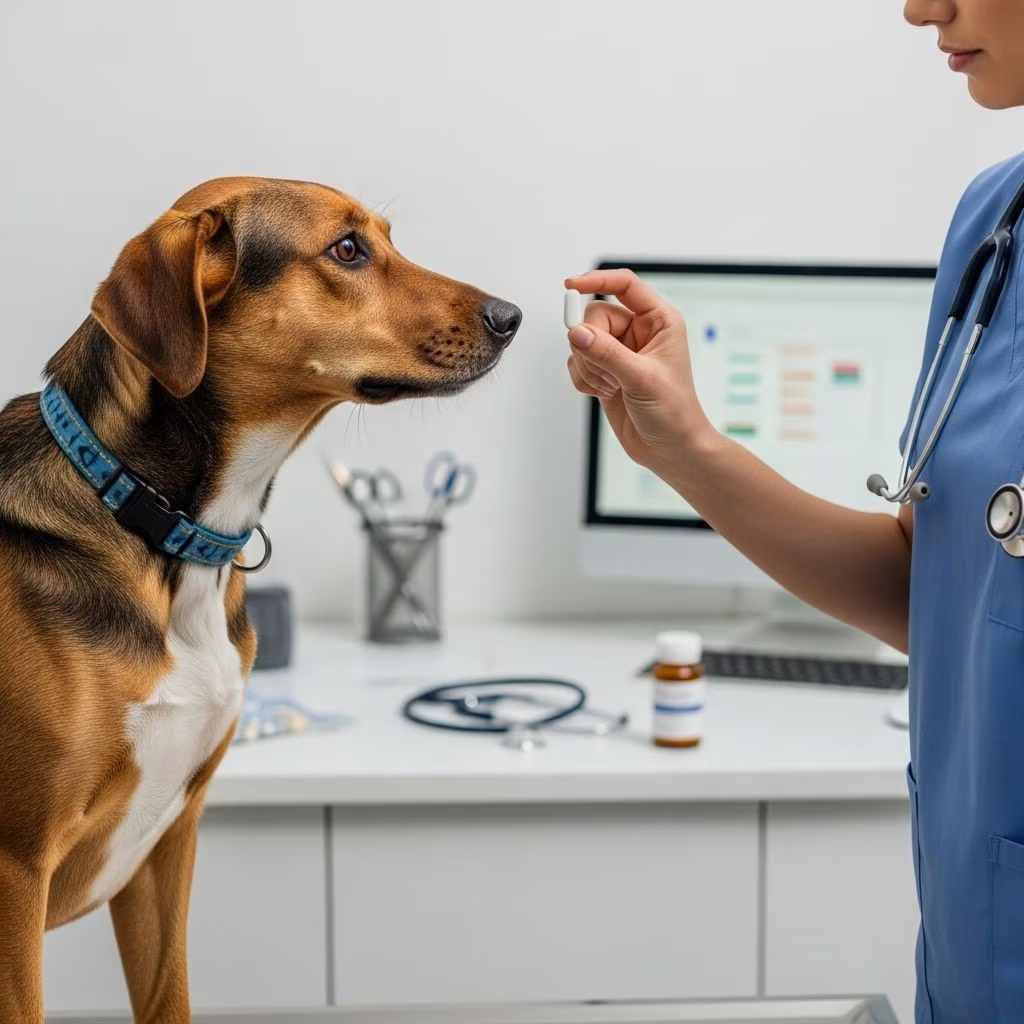
Tetracycline serves as a broad-spectrum antibiotic commonly prescribed for dogs to combat various bacterial infections and certain inflammatory conditions. This medication targets susceptible bacteria by inhibiting protein synthesis, making it effective for both systemic and localized issues.
Understanding Tetracycline’s Mechanism in Canine Health
Tetracycline works by binding to bacterial ribosomes, preventing the production of proteins essential for bacterial growth and replication. This bacteriostatic action is particularly useful against intracellular pathogens like those causing rickettsial diseases. In dogs, it also exhibits anti-inflammatory properties, modulating immune responses to help manage chronic skin disorders.
Beyond infection control, tetracycline’s affinity for calcium allows it to concentrate in bones and teeth, aiding in diagnostics like tumor delineation through fluorescence. However, this property necessitates caution in young puppies to avoid enamel discoloration.
Primary Applications in Canine Medicine
Veterinarians prescribe tetracycline for a range of bacterial infections in dogs, including respiratory tract issues, urinary tract infections, and those transmitted by ticks or parasites. Key uses include:
- Treatment of tick-borne illnesses such as Lyme disease, ehrlichiosis, and Rocky Mountain spotted fever.
- Management of leptospirosis and toxoplasmosis.
- Addressing urinary tract infections, with studies showing high success rates against Pseudomonas aeruginosa (92% bacteriologic cure in treated cases).
- Control of mycoplasma, chlamydia, and spirochete infections affecting the eyes, skin, genitals, and intestines.
For skin conditions, tetracycline combined with anti-inflammatory drugs treats autoimmune diseases like pemphigus, lupoid onychodystrophy, and dermatomyositis by reducing immune overactivity and inflammation.
Recommended Dosage Protocols for Dogs
Dosage varies by condition, route, and animal size, always requiring veterinary oversight. Standard guidelines from veterinary pharmacology include:
| Drug Form | Dosage | Frequency | Route | Notes |
|---|---|---|---|---|
| Tetracycline | 10 mg/lb | Every 8 hours | Oral | Administer on empty stomach; for general infections. |
| Tetracycline | 4.4–11 mg/kg | Every 8–12 hours | IM or IV | Extra-label use; no US injectables available. |
| Tetracycline | 22 mg/kg | Every 8 hours for 14–28 days | Oral | For specific chronic treatments. |
| Doxycycline (related) | 5–10 mg/kg | Once daily | Oral | Preferred for tick diseases; follow with food. |
Oral capsules (typically 500 mg) take 1–2 hours to act and should be given away from meals to enhance absorption. Treatment duration often spans 7–30 days, depending on the infection.
Administering Tetracycline Safely to Your Dog
Give tetracycline on an empty stomach, at least one hour before or two hours after food, dairy, or antacids, as calcium and magnesium interfere with absorption. Use compounded suspensions for precise dosing in small breeds. Monitor for full course completion to prevent resistance.
For IV use in hospitals, oxytetracycline at 10 mg/kg every 12 hours suits acute cases, with a half-life of about 6 hours in dogs.
Potential Side Effects and Risks
While generally well-tolerated, tetracycline can cause gastrointestinal upset like vomiting, diarrhea, or appetite loss. Long-term use may lead to esophageal strictures in cats (less common in dogs) or tooth staining in puppies under 6 months.
- Common reactions: Nausea, soft stools.
- Serious risks: Liver/kidney strain in high doses, photosensitivity increasing sunburn risk.
- Contraindications: Avoid in pregnant dogs, nursing mothers, or those with renal impairment.
Combining with glucocorticoids risks weight loss in anorexic dogs.
Precautions and Contraindications
Pregnant or lactating dogs should not receive tetracycline due to fetal bone and tooth damage risks. Puppies risk permanent enamel hypoplasia. Dogs with kidney disease require dose adjustments based on clearance rates (around 4.23 mL/kg/min for oxytetracycline).
Resistance is rising, so empirical use is discouraged; culture and sensitivity testing is ideal.
Alternatives to Tetracycline in Veterinary Practice
When tetracycline isn’t suitable, vets consider related tetracyclines or other classes:
| Alternative | Primary Uses | Dosage Example (Dogs) | Advantages |
|---|---|---|---|
| Doxycycline | Tick diseases, respiratory infections | 5–10 mg/kg PO q24h | Better absorption, fewer GI issues. |
| Minocycline | Nocardiosis, ehrlichiosis | 5–10 mg/kg PO q12h | Good tissue penetration. |
| Amoxicillin | Respiratory, skin, UTI | Vet-determined | Bactericidal; penicillin class. |
| Azithromycin | Respiratory, skin | 2.5–5 mg/lb once daily | Shorter courses possible. |
Doxycycline often replaces tetracycline for Lyme disease due to superior pharmacokinetics.
When to Consult a Veterinarian
Never self-medicate; tetracycline requires a prescription. Seek immediate vet care if your dog shows infection signs like fever, lethargy, limping, or skin lesions. Regular check-ups ensure proper diagnosis via bloodwork or cultures.
FAQs About Tetracycline for Dogs
Is tetracycline FDA-approved for dogs?
No, it’s approved for humans but used off-label in vets under supervision.
How quickly does tetracycline work in dogs?
Effects begin in 1–2 hours orally, but full benefits take days.
Can tetracycline treat Lyme disease in dogs?
Yes, especially early stages, alongside doxycycline as first-line.
What if my dog vomits after tetracycline?
Give with a small snack if approved by vet, or switch formulations.
Is tetracycline safe for puppies?
Avoid under 6 months due to tooth discoloration risks.
Storage and Handling Tips
Store capsules at room temperature, away from moisture and light. Compounded suspensions last 14 days refrigerated. Discard expired meds to avoid subpotent treatment fostering resistance.
Tetracycline remains valuable despite newer options, prized for intracellular penetration against tough infections.
References
- Tetracycline 500 mg Antibiotic Capsules for Pets — PetCareRx. 2023. https://www.petcarerx.com/tetracycline/10885
- Tetracyclines Use in Animals – Pharmacology — Merck Veterinary Manual. 2023-10-01. https://www.merckvetmanual.com/pharmacology/antibacterial-agents/tetracyclines-use-in-animals
- Tetracycline for oral treatment of canine urinary tract infections — PubMed/NCBI. 1981. https://pubmed.ncbi.nlm.nih.gov/7263476/
- Tetracycline for Dogs – Pet Medications — PetMD. 2023. https://www.petmd.com/pet-medication/tetracycline-dogs
- Tetracycline — VCA Animal Hospitals. 2023. https://vcahospitals.com/know-your-pet/tetracycline
- Tetracycline COMPOUNDED Oral Suspension — Heartland Vet Supply. 2023. https://www.heartlandvetsupply.com/p-5898-tetracycline-compounded-oral-suspension.aspx
- Tetracycline in Veterinary Use 2025 Vet Review — Ask A Vet. 2025-01-01. https://askavet.com/blogs/news/tetracycline-in-veterinary-use-2025-vet-review-by-dr-duncan-houston-%F0%9F%90%BE



