

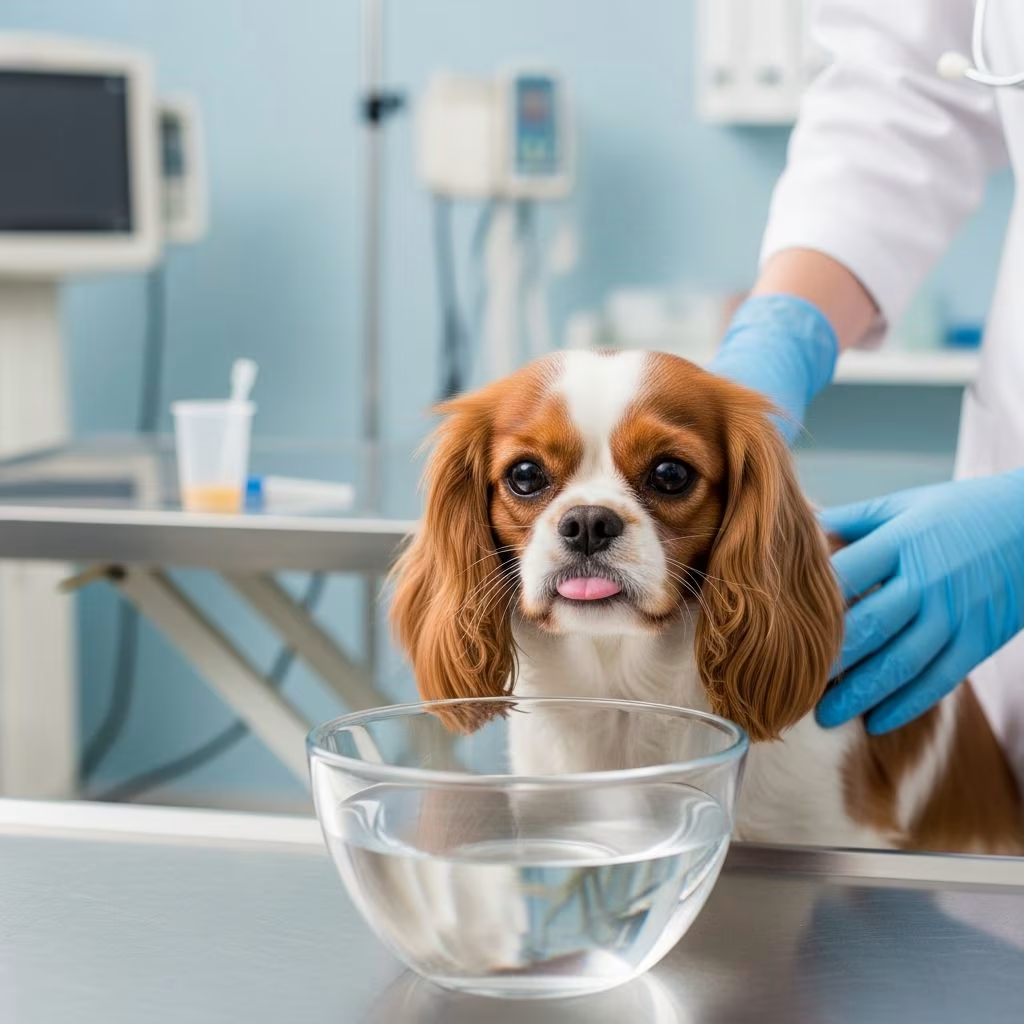
Understanding Polyuria and Polydipsia
Polyuria and polydipsia, commonly abbreviated as PU/PD, represent two interconnected conditions that frequently affect both dogs and cats. Polyuria refers to abnormally high urine production, while polydipsia describes an increased level of thirst manifested through excessive water intake. These conditions often occur together and can indicate an underlying medical concern that requires thorough investigation and diagnosis.
The relationship between these two conditions is complex. Polydipsia—excessive drinking—can lead to polyuria, which is the production of a large volume of urine. Conversely, polyuria can lead to polydipsia as the body attempts to compensate for fluid loss. Understanding this interplay is essential for veterinarians when determining the appropriate diagnostic approach.
Why Testing Is Important
When a pet owner notices their animal drinking more water than usual or urinating more frequently, it’s crucial to pursue professional veterinary evaluation and testing. While some causes of increased thirst and urination may be benign, many are indicative of serious underlying health conditions that require treatment.
The most common causes of PU/PD in dogs include chronic kidney disease (CKD), diabetes mellitus, and hyperadrenocorticism, while cats most frequently experience CKD, diabetes mellitus, and hyperthyroidism. Other potential causes range from liver disease and urinary tract infections to hormonal imbalances and cancer.
Without proper testing and diagnosis, these conditions can progress and lead to serious complications including dehydration, electrolyte imbalances, and urinary tract infections. Early identification through appropriate diagnostic testing allows for timely intervention and improved outcomes.
Initial Evaluation and History
The diagnostic process begins long before laboratory testing. Your veterinarian will conduct a thorough history and physical examination. During this initial consultation, be prepared to discuss:
- When you first noticed the increased thirst or urination
- How much water your pet typically drinks daily (if you can estimate)
- Changes in appetite or weight
- Any other symptoms such as vomiting, lethargy, or changes in coat quality
- Current medications or recent dietary changes
- Your pet’s age, breed, and medical history
The physical examination may reveal clues about the underlying cause, such as weight loss, poor coat condition, or abdominal pain. Your veterinarian will also assess your pet’s hydration status and overall body condition.
Urinalysis: The Foundation of Diagnosis
Urinalysis is one of the most important diagnostic tools when investigating increased thirst and urination. This test involves examining the urine’s physical, chemical, and microscopic properties to identify abnormalities.
Urine Specific Gravity
One of the most critical measurements in urinalysis is urine specific gravity (USG), which indicates how concentrated the urine is. Evaluation of serial urine specific gravity measurements is instrumental in working up the PU/PD patient. Well-concentrated or hypersthenuric urine indicates that the kidneys can produce concentrated urine, making an obligate polyuria unlikely. Instead, causes of primary polydipsia should be considered.
Conversely, hyposthenuria (dilute urine) in a patient with PU/PD is due, at least in part, to one of three things: lack of antidiuretic hormone (ADH), blunted response to ADH, or excessive water intake.
Other Urinalysis Components
Beyond specific gravity, urinalysis examines:
- pH levels to assess acid-base balance
- Presence of glucose, protein, or blood in the urine
- White and red blood cell counts
- Bacterial presence indicating infection
- Crystal formation suggesting metabolic issues
Glucose in the urine often suggests diabetes mellitus, while protein may indicate kidney disease. The presence of bacteria and white blood cells suggests a urinary tract infection or pyelonephritis.
Blood Work and Laboratory Testing
Comprehensive blood work is essential for identifying systemic causes of increased thirst and urination. A complete blood count (CBC) and blood chemistry panel provide valuable information about your pet’s overall health status.
Key Blood Parameters
Important blood values assessed include:
- Blood glucose: Elevated levels suggest diabetes mellitus
- Blood urea nitrogen (BUN) and creatinine: Elevated levels indicate kidney dysfunction
- Liver enzymes: Abnormal values suggest liver disease
- Electrolytes: Imbalances in sodium, potassium, and calcium can cause PU/PD
- Total protein and albumin: Low levels may indicate liver disease or protein loss
- Thyroid hormones: Particularly important in cats to rule out hyperthyroidism
Specialized Blood Tests
Depending on initial findings, your veterinarian may recommend specialized testing:
- Cortisol testing: For suspected Cushing’s disease (hyperadrenocorticism)
- Fasting and postprandial bile acids: To evaluate liver function if liver disease is suspected
- Adrenocorticotropic hormone (ACTH) stimulation test: For Cushing’s disease or Addison’s disease diagnosis
- Thyroid panel: Including TSH, T3, and T4 levels
Diagnostic Imaging
Imaging studies can provide crucial information about structural abnormalities and underlying disease processes.
Abdominal Ultrasound
Ultrasound is particularly valuable for evaluating:
- Kidney size and structure to assess for disease
- Liver appearance and size
- Adrenal gland enlargement suggesting Cushing’s disease
- Uterine abnormalities such as pyometra in female dogs
- Pancreatic changes associated with diabetes
Radiographs
X-rays may be recommended to evaluate kidney size and detect urinary calculi or other structural abnormalities. They can also help assess liver size and detect other abdominal pathology.
Water Deprivation Test
In certain cases where the cause remains unclear after initial testing, a water deprivation test may be performed. This test helps differentiate between central diabetes insipidus, nephrogenic diabetes insipidus, and primary polydipsia.
During this test, water intake is restricted under controlled veterinary supervision, and the kidneys’ ability to concentrate urine is assessed. It’s important to note that as few as three days of polyuria may result in medullary washout due to impaired reabsorption of sodium, chloride, and urea. Therefore, dogs with primary psychogenic polydipsia may be unable to concentrate their urine following water deprivation and should not be mistaken as having obligate polyuria.
Common Underlying Causes and Their Diagnostic Patterns
Different underlying conditions present with distinct diagnostic findings:
Diabetes Mellitus
Typically shows elevated blood glucose, glucose in the urine, and elevated urine specific gravity initially. As the disease progresses, urine may become dilute.
Chronic Kidney Disease
Characterized by elevated BUN and creatinine, dilute urine (hyposthenuria or isosthenuria), and often protein in the urine. This is the most common cause of PU/PD in both dogs and cats.
Hyperadrenocorticism (Cushing’s Disease)
Shows elevated cortisol levels on testing, dilute urine, and often elevated liver enzymes. Small terrier breeds are predisposed to this condition.
Hyperthyroidism
Primarily affects older cats and shows elevated thyroid hormones (T4). These cats often have elevated blood glucose as well.
Liver Disease
Patients typically have low plasma BUN and their PU/PD results from medullary washout. Both acquired liver failure and congenital portosystemic shunts can be associated with PU/PD, and evaluation of fasting and postprandial bile acids might be indicated in the workup if other diagnostics are unrewarding.
Additional Diagnostic Considerations
Certain breed predispositions and age-related factors should guide diagnostic thinking. Small terrier breeds are predisposed to Cushing’s disease, while Doberman pinschers are prone to chronic active hepatitis. Basenji dogs and Norwegian Elkhounds are more likely to suffer from renal glucosuria, a rare kidney condition. Older female dogs are more likely to suffer from anal sac adenocarcinoma, causing paraneoplastic hypercalcemia and resultant PU/PD.
In some cases, polyuria may develop after relief of urinary obstruction (post-obstructive diuresis) or following certain treatments. Iatrogenic PU/PD may occur in response to intake of certain substances, including corticosteroids, diuretics, or excessive salt intake.
Monitoring and Follow-Up Testing
Once a diagnosis is established and treatment begun, follow-up testing is essential to monitor treatment effectiveness. Your veterinarian may recommend repeat urinalysis and blood work at regular intervals to assess response to therapy and adjust treatment as needed.
It’s also important to educate yourself to allow free access to water to your pet and to monitor for and treat complications, including dehydration, electrolyte imbalances, and urinary tract infections.
Frequently Asked Questions
Q: How long does it take to get results from diagnostic testing?
A: Urinalysis results are typically available within 24 hours. Blood work usually takes 24-48 hours, while specialized tests like cortisol or thyroid panels may take several days. Imaging results are available immediately after the procedure.
Q: Can increased thirst and urination be normal in some cases?
A: Yes. Younger and more active animals are more likely to experience intermittent increases in thirst and urination. Additionally, physiologic polyuria usually occurs as a compensatory response to increased fluid intake, where polyuria is an appropriate normal response to water consumption in excess of need.
Q: What should I do if my pet shows signs of increased thirst and urination?
A: Contact your veterinarian promptly to schedule an evaluation. Keep track of how much water your pet drinks and how often they urinate to provide helpful information. Ensure your pet has constant access to fresh water while awaiting the appointment.
Q: Are there any risks associated with diagnostic testing?
A: Routine blood work and urinalysis are very safe. Water deprivation testing requires careful veterinary supervision and is typically performed on an outpatient basis. Imaging procedures like ultrasound and radiographs carry minimal risk but may require sedation in some cases.
Q: Will my pet need multiple tests?
A: Most cases require a combination of tests for accurate diagnosis. Your veterinarian will prioritize testing based on your pet’s presentation and initial findings to work efficiently toward a diagnosis.
References
- Polyuria and Polydipsia in dogs and cats — BowWow Insurance. 2024. https://bowwowinsurance.com.au/pet-care/diseases-conditions/polyuria-and-polydipsia-in-dogs-and-cats/
- Polydipsia and Polyuria (PU/PD) in Dogs and Cats — Neighborhood Veterinary Clinic. 2024. https://www.neighborhoodvetclinic.com/polydipsia-and-polyuria-pu-pd-in-dogs-and-cats/
- Polyuria-Polydipsia (PUPD) In Pets — The Vet Collection. 2024. https://www.vetcollection.co.uk/health/conditions/polyuria-polydipsia-pupd-in-pets/
- A Stepwise Diagnostic Approach to Polyuria and Polydipsia — Today’s Veterinary Practice. 2024. https://todaysveterinarypractice.com/internal-medicine/companion-animal-polyuria-and-polydipsia/
- Canine Polyuria and Polydipsia (PU/PD) — Cornell University College of Veterinary Medicine. April 2024. https://riney.vet.cornell.edu/member-benefits-health-tips/polyuria-polydipsia-april-2024
- Polyuria and Polydipsia in Dogs: 6 Essential Treatment Options — The Pet Vet. 2024. https://thepetvet.com/polyuria-and-polydipsia-in-dogs/



