

Understanding Abdominal Enlargement in Dogs
Abdominal enlargement, also known as a distended abdomen or bloating, is a common concern for dog owners and veterinarians alike. When a dog’s belly appears swollen or enlarged, it can indicate anything from simple intestinal parasites to serious life-threatening conditions. Understanding the various causes of abdominal enlargement and the diagnostic procedures used to identify them is essential for pet owners who want to ensure their dogs receive appropriate care. This comprehensive guide explores the different causes of abdominal enlargement, the testing methods veterinarians use to diagnose the underlying conditions, and what pet owners should know about managing their dog’s health.
Simple Causes of Abdominal Enlargement
Not all cases of abdominal enlargement indicate serious illness. Several straightforward conditions can cause a dog’s belly to appear enlarged, and many are easily treatable with proper veterinary care.
Intestinal Parasites (Worms)
One of the most common causes of abdominal enlargement in dogs, particularly puppies, is intestinal parasites. Large numbers of worms in the intestine can cause significant distension of the abdomen, giving affected pets a distinctive pot-bellied appearance. This condition is especially prevalent in young dogs and is typically easily treated with de-worming medication prescribed by a veterinarian. Regular parasite prevention and screening are important components of puppy care and can prevent this condition from developing.
Obesity
Weight gain is another common cause of abdominal enlargement in dogs. Obesity typically occurs when a dog eats too much, does not exercise enough, or a combination of both factors. Excess weight leads to accumulation of fat in the abdomen, resulting in noticeable abdominal enlargement. In dogs, obesity can also be a sign of underlying hormonal imbalance, making it important to consult with a veterinarian about weight management strategies. Maintaining a healthy weight through proper diet and regular exercise is crucial for preventing not only abdominal enlargement but also numerous other health problems associated with obesity.
Abdominal Enlargement Associated With Illness
When abdominal enlargement is accompanied by other symptoms or develops suddenly, it may indicate an underlying medical condition requiring immediate veterinary attention. Several serious health issues can cause abdominal distension and warrant thorough diagnostic evaluation.
Organ Enlargement
An increase in the size of one or more abdominal organs can cause the abdomen to appear noticeably distended. Organ enlargement is often a sign of underlying illness such as infectious disease, inflammation, tumors (both cancerous and non-cancerous), and various other conditions. Unspayed female dogs are particularly at risk for uterine enlargement, which can become filled with fluid, mucous, or pus. This life-threatening condition, called pyometra, requires emergency spay surgery to save the dog’s life. Veterinarians use imaging and laboratory tests to identify which organs are enlarged and determine the appropriate course of treatment.
Fluid Accumulation (Effusions and Ascites)
Fluid buildup in the abdominal cavity, a condition known as ascites or effusion, can develop for numerous reasons. Heart disease, liver disease, kidney disease, abdominal tumors, low blood proteins, and inflammation of the abdominal lining are common causes of fluid accumulation. Late-stage heartworm infection can also cause ascites as a symptom. These effusions should always be investigated to find the underlying cause, as the fluid accumulation itself is a symptom of a more serious condition. In healthy dogs, the amount of free fluid in the abdomen should be minimal and typically not visible on radiography. Any imaging revealing significant free fluid indicates a serious health problem requiring treatment of the underlying disease.
Tumors and Cancer
Tumors and cancers affecting abdominal organs can result in significant abdominal enlargement. Cancerous growths may directly enlarge the affected organ or cause fluid accumulation in the peritoneal space. Cancer is more common in older dogs but can occur at any age. Early detection through regular veterinary examinations and appropriate diagnostic testing increases the chances of successful treatment.
Heart Disease
Heart failure represents a significant cause of abdominal enlargement in dogs. When the heart cannot pump blood efficiently throughout the body, it can result in enlargement of the liver and cause free fluid to build up in the abdomen, resulting in ascites and noticeable abdominal enlargement. Dogs with congestive heart failure may develop abdominal distension gradually, and sometimes the swelling is not apparent until there is significant fluid buildup. Managing heart disease with appropriate medications and lifestyle modifications can help reduce abdominal enlargement and improve the dog’s overall quality of life.
Hypothyroidism
Hypothyroidism develops when the thyroid gland fails to produce enough thyroid hormone. Hypothyroid animals typically become sluggish and gain weight, even if they eat less and exercise regularly. Fat builds up around the abdominal organs, and over time this leads to a bulging abdomen. This condition is diagnosed through blood tests measuring thyroid hormone levels and is managed with daily thyroid hormone replacement medication.
Cushing’s Disease (Hyperadrenocorticism)
Cushing’s disease is a disorder of the adrenal glands, also known as hyperadrenocorticism. This condition is caused by an overabundance of the cortisol hormone, which is related to stress and is more commonly found in dogs over the age of six. Affected animals typically have abdominal enlargement due to a combination of liver enlargement, accumulation of fat in the abdomen, and weakening of the abdominal body wall. Dogs with Cushing’s disease often show symptoms including excess eating, drinking, and urinating, as well as unusual pacing and hair loss.
Gas Buildup and Gastric Dilation-Volvulus (GDV)
In some dogs, especially large deep-chested breeds such as Great Danes, St. Bernards, and German Shepherds, large amounts of gas can become trapped in the stomach and intestines, causing serious abdominal distension. Sometimes the stomach becomes twisted, a condition called gastric dilation and volvulus (GDV), also known as bloat. This is one of the most deadly situations a dog can experience if left untreated. GDV is a condition wherein the stomach becomes twisted, trapping gas and food and preventing blood flow to the area. This can be fatal within only a few hours if left untreated. If the intestines become twisted, it is called mesenteric torsion. Both GDV and mesenteric torsion are life-threatening conditions that require emergency surgery.
While there is no single agreed-upon cause for GDV, it is generally thought to be caused by swallowing excessive air and heavy exercise after a large meal. Additional risk factors include eating too fast, eating from elevated food or water bowls, feeding dogs only once per day, and being over seven years of age. Dogs showing symptoms of GDV should be taken to an emergency animal clinic immediately. Signs include unusual whining or whimpering, unusual pacing, a distended abdomen, difficulty vomiting that produces only foamy substance, pawing or looking at the stomach, and overall distress or panic.
Diagnostic Testing for Abdominal Enlargement
When a dog presents with abdominal enlargement, veterinarians use various diagnostic tools and procedures to identify the underlying cause. Proper diagnosis is essential for determining appropriate treatment and improving the dog’s prognosis.
Physical Examination
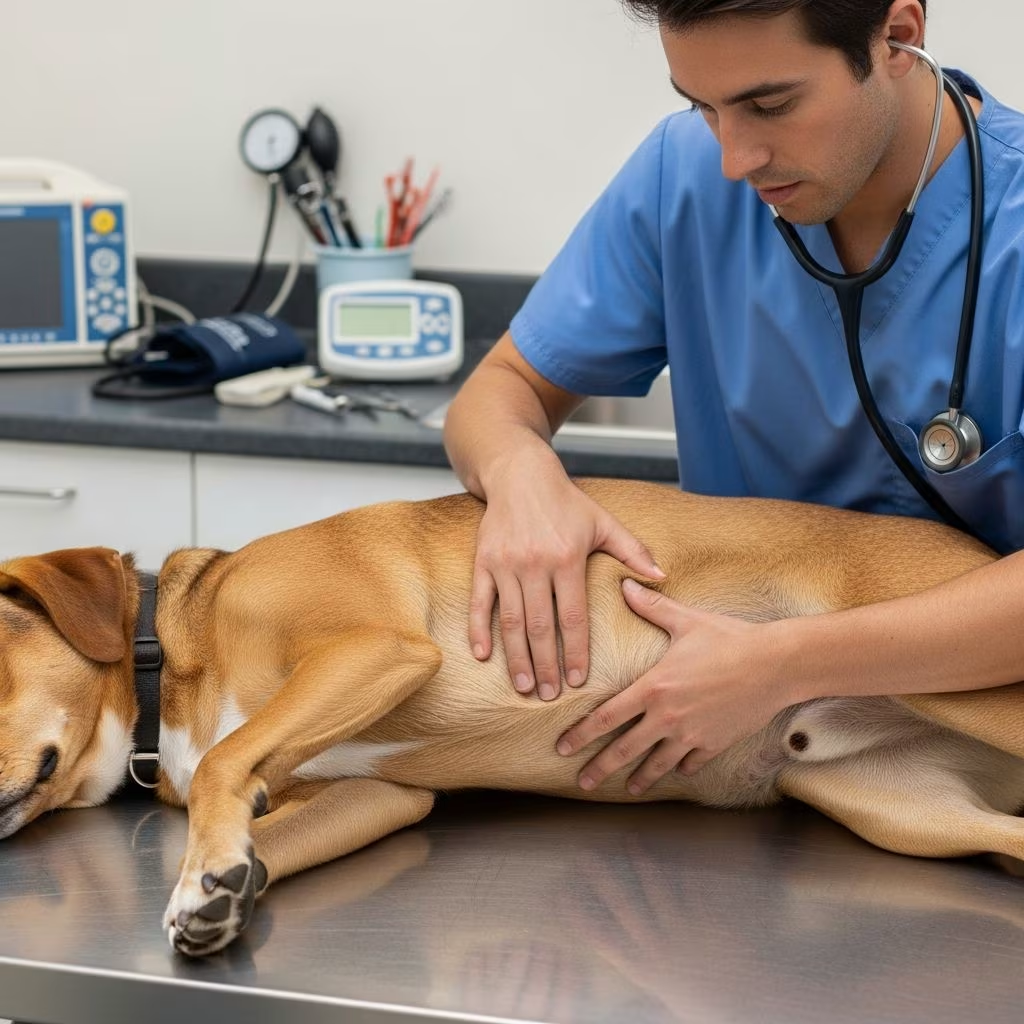
The initial step in diagnosing abdominal enlargement involves a thorough physical examination. The veterinarian will assess the dog’s overall condition, palpate the abdomen to feel for organ enlargement or abnormalities, and evaluate for signs of pain or discomfort. The character of the abdominal distension—whether it is focal (affecting only one area) or generalized across the entire abdomen—provides important diagnostic clues about the underlying condition.
Radiography (X-rays)
Radiographic imaging is one of the primary diagnostic tools used to evaluate abdominal enlargement. X-rays can reveal organ enlargement, the presence of free fluid, abnormal gas patterns, and structural abnormalities. In cases where abdominal fluid is suspected, radiography can help determine if fluid is present and assess the severity of accumulation. However, radiography may not provide enough detail for definitive diagnosis of some conditions.
Ultrasound Imaging
Abdominal ultrasound provides detailed imaging of internal organs and is often more sensitive than radiography for detecting certain conditions. Ultrasound can reveal organ enlargement, masses or tumors, fluid accumulation, and structural abnormalities. This non-invasive imaging technique is particularly useful for evaluating the liver, spleen, kidneys, and other abdominal organs. Ultrasound can also guide procedures such as fluid sampling if needed.
Laboratory Tests
Blood work and urinalysis provide valuable information about a dog’s internal health status. Complete blood count (CBC) and blood chemistry panel can help identify signs of infection, inflammation, organ dysfunction, and other systemic conditions. These tests may reveal abnormalities suggestive of heart disease, liver disease, kidney disease, or hormonal imbalances like hypothyroidism or Cushing’s disease.
Fluid Analysis
When abdominal fluid accumulation is present, veterinarians may collect a sample of the fluid for laboratory analysis. Fluid analysis can help identify the cause of effusion, whether it is due to infection, inflammation, cancer, or other conditions. The characteristics of the fluid—its color, clarity, protein content, and cell composition—provide important diagnostic information.
Thyroid Function Testing
When hypothyroidism is suspected as a cause of abdominal enlargement, blood tests measuring thyroid hormone levels (T3 and T4) and thyroid-stimulating hormone (TSH) can confirm the diagnosis. Early identification and treatment with thyroid hormone replacement can help resolve weight gain and abdominal enlargement.
Treatment Approaches for Abdominal Enlargement
Treatment for abdominal enlargement depends entirely on the underlying cause identified through diagnostic testing. Simple cases like intestinal parasites or obesity may require straightforward interventions, while serious conditions may require emergency surgery, medication management, or long-term treatment protocols.
Parasitic Infections
Dogs diagnosed with intestinal parasites are treated with appropriate de-worming medications. Multiple treatments may be necessary to completely eliminate the parasites, particularly in puppies. Preventive parasite medication helps prevent future infections.
Weight Management
For obese dogs, veterinarians typically recommend a structured weight loss program involving dietary modification and increased exercise. This may include prescription diet foods formulated to support weight loss while maintaining proper nutrition.
Medical Management
Conditions like hypothyroidism and Cushing’s disease are managed with appropriate medications. Heart disease may be treated with medications to improve cardiac function and reduce fluid accumulation. Infections or inflammation may require antibiotics or anti-inflammatory medications.
Surgical Intervention
Emergency surgical conditions like GDV, mesenteric torsion, pyometra in unspayed females, and ruptured organs require immediate surgical intervention. Tumors or masses may also require surgical removal if appropriate.
Frequently Asked Questions About Abdominal Enlargement in Dogs
Q: What are the most common signs that my dog has abdominal enlargement?
A: Common signs include a visibly distended or swollen abdomen, lethargy, weakness, signs of discomfort when touched, difficulty breathing, coughing, lack of appetite, vomiting, diarrhea, exercise intolerance, and pale gums. If your dog shows any of these symptoms, consult your veterinarian promptly.
Q: Is abdominal enlargement always an emergency?
A: While some causes like GDV are life-threatening emergencies requiring immediate veterinary care, not all causes are emergencies. However, any noticeable abdominal enlargement should be evaluated by a veterinarian to rule out serious conditions.
Q: How long does it take to diagnose the cause of abdominal enlargement?
A: Diagnosis timeframe varies depending on the cause and the complexity of the case. Some conditions may be diagnosed through a single physical exam and blood work, while others may require multiple imaging studies and tests. Emergency conditions typically require rapid diagnosis and treatment.
Q: Can abdominal enlargement be prevented?
A: While not all causes can be prevented, you can reduce risk by maintaining a healthy weight for your dog, providing regular parasite prevention, scheduling routine veterinary checkups, avoiding elevated food bowls, not allowing heavy exercise immediately after meals, and feeding your dog at least twice daily rather than once daily.
Q: What should I do if my dog shows signs of bloat?
A: If your dog shows signs of GDV or severe bloating—including a hard, distended abdomen, unsuccessful attempts to vomit, restlessness, pacing, and signs of distress—take your dog to an emergency veterinary clinic immediately. This is a medical emergency that can be fatal within hours.
References
- Testing for Abdominal Enlargement in Dogs — VCA Animal Hospitals. 2024. https://vcahospitals.com/know-your-pet/testing-for-abdominal-enlargement-in-dogs
- Bloating (Abdominal Distension) in Dogs – Causes, Treatment and Prevention — Vetster. 2024. https://vetster.com/en/symptoms/dog/bloating-abdominal-distension
- Causes of Stomach Swelling in Dogs — Highland Veterinary Clinic. 2024. https://www.highlandvet.net/what-causes-a-dogs-stomach-to-swell-up
- Causes of a Dog’s Swollen Stomach — Emergency Veterinary Care Centers. 2024. https://evcc.com/blog/causes-of-a-dogs-swollen-stomach/
- Distended Abdomen in Dogs – Symptoms, Causes, Diagnosis — Wag! 2024. https://wagwalking.com/condition/distended-abdomen
- Abdominal Swelling (Abdominal Distension) — Tufts University Veterinary Medicine. 2024. https://vet.tufts.edu/foster-hospital-small-animals/specialty-services/cardiology/heartsmart/heart-disease-symptoms/abdominal-swelling-abdominal-distension



