

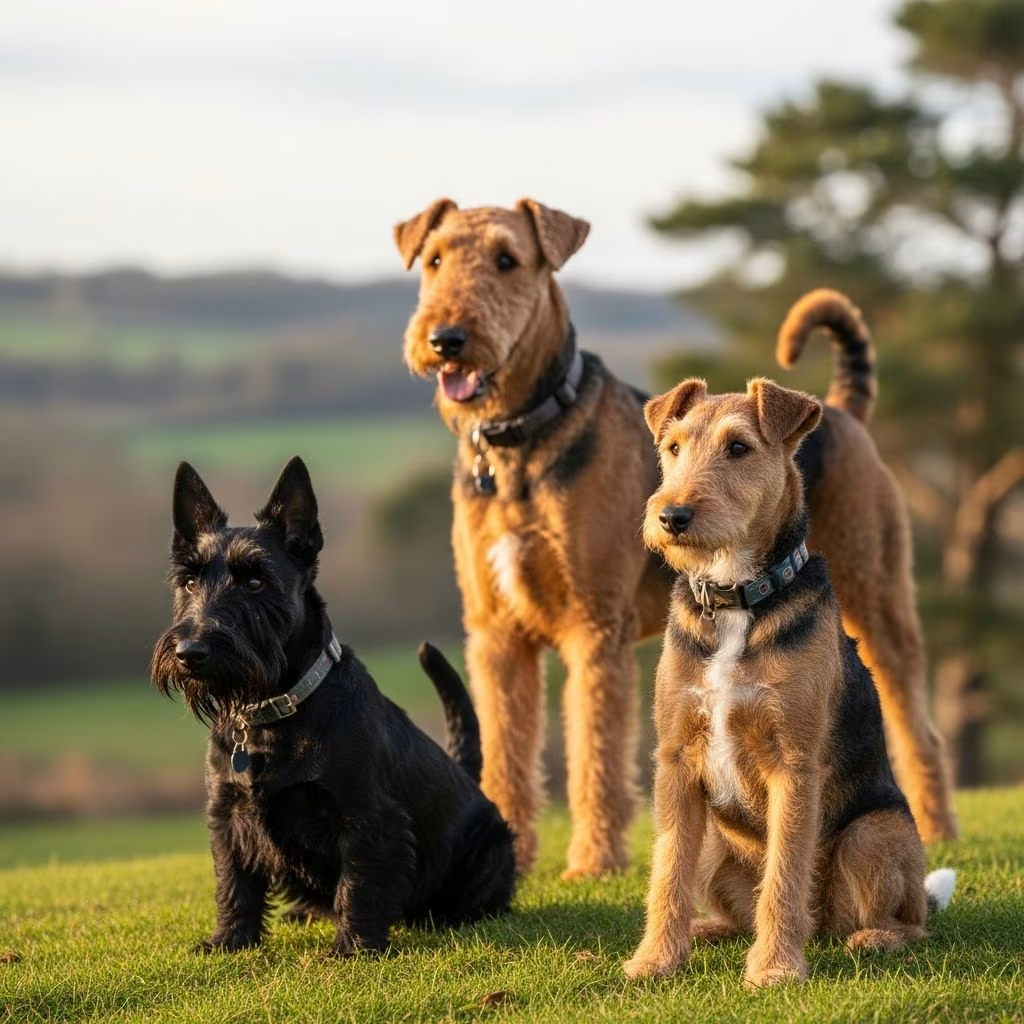
Terrier breeds represent one of the most distinctive and spirited groups within the canine world. These small to medium-sized dogs carry a legacy of courage, determination, and independence that shaped their development over centuries. Originally designed to perform demanding work in harsh environments, modern terriers retain many of the characteristics that made their ancestors invaluable to farmers, hunters, and landowners across Europe. Understanding where these dogs come from and what drives their behavior is essential for anyone considering welcoming a terrier into their home.
The Origins and Development of Terrier Breeds
The word “terrier” derives from the Latin term “terra,” meaning earth, reflecting the fundamental purpose these dogs were bred to fulfill. Most terrier breeds trace their ancestry to the British Isles during the 18th and 19th centuries, when they emerged as practical solutions to agricultural and domestic challenges. During this period, rural communities faced significant problems with pest populations that threatened livestock, stored crops, and living spaces. Rats, badgers, foxes, otters, and other vermin posed genuine threats to survival and prosperity, and dogs capable of controlling these animals became invaluable assets.
The development of distinct terrier breeds reflected the specific environmental challenges and geographic locations where they were needed. A terrier bred to work in open grasslands would develop differently from one required to navigate rocky Scottish highlands or work in coal mines. This regional specialization explains the remarkable diversity among terrier breeds today, from the compact Scottish Terrier to the larger Airedale. Early terrier breeders selected for physical traits and behavioral characteristics that matched their intended purposes: small enough to pursue prey into underground burrows, yet possessing the courage and strength to tackle dangerous animals.
Physical Characteristics and Breeding Standards
Original working terriers shared several common physical attributes that enabled their effectiveness in the field. These dogs typically featured compact, sturdy frames with disproportionately large heads relative to their body size. Their wiry, coarse coats provided protection against harsh weather and rough terrain while also offering some defense against bites and scratches from their quarry. This practical design—form following function—meant that terrier physiology directly reflected their intended work.
The size constraints of terrier breeds held particular significance for their hunting effectiveness. Dogs bred to hunt foxes or badgers could not be larger than their prey, as excessive size would prevent them from pursuing animals into underground dens where they could be dug out. This limitation created a unique challenge: these compact dogs needed to possess exceptional courage, strength, and determination relative to their size. A terrier lacking these psychological and physical qualities would have been useless for the demanding work required of it.
Temperament and Behavioral Traits
Terriers stand out among dog breeds for their distinctive combination of personality traits shaped by centuries of selective breeding. Understanding these characteristics is crucial for potential owners:
- Fearlessness and Courage: Terriers were intentionally bred to display fearlessness when confronting animals much larger and potentially more dangerous than themselves. A weak-willed or timid terrier would have been discarded from breeding lines, as such traits served no purpose in working animals. This inherent bravery remains a defining feature of the breed group today.
- High Prey Drive: Among the most notable terrier traits is their intense drive to chase and capture small moving objects. This instinct, developed over generations of hunting vermin, remains strongly expressed in modern pets. Terriers will chase squirrels, cats, rabbits, and even fast-moving toys with equal enthusiasm, creating potential challenges in multi-pet households.
- Exceptional Energy Levels: Terriers require substantial daily physical activity and mental stimulation to remain calm and well-adjusted. Without adequate exercise and engagement, these dogs may develop destructive behaviors, excessive barking, or attempts to escape their environment.
- Strong Independence: Unlike breeds developed to work closely with human direction, terriers were bred to make independent decisions while hunting underground prey. This self-reliance translates into a determined, sometimes stubborn nature that challenges owners lacking experience with strong-willed dogs.
- Vocal Communication: Terriers tend to bark frequently, alerting their families to perceived threats or simply expressing their opinions. This vocalization served a protective purpose historically and remains characteristic of the breed.
Shifting Roles: From Working Dogs to Show Competitors
As agricultural societies modernized and the practical need for vermin control diminished, terrier breeders found new outlets for showcasing their dogs’ abilities. During the Victorian era, competitive dog shows emerged, and terriers became increasingly popular among a broader spectrum of society. The prestige associated with owning and successfully showing a terrier contributed to their rise in popularity.
Sporting competitions designed specifically for terriers reflected their original purposes in miniature. Pit ratting—events where multiple terriers competed in enclosed spaces filled with rats—demonstrated their hunting prowess in controlled settings. The winner was determined by which dog dispatched the most rats, creating measurable standards for comparison. These events transformed terrier work from practical necessity into entertainment and sport.
A significant development occurred during the late 1800s when breeders began crossing working terriers with larger mastiff-type breeds to create bull terrier varieties. These crosses produced dogs with greater size, strength, and fighting instinct—traits that emphasized tenacity while shifting focus from hunting small game toward other purposes. This breeding direction represented a departure from traditional terrier development and created controversy that persists in discussions of certain terrier lines today.
Notable Terrier Breeds and Their Specializations
Different terrier breeds developed distinct characteristics based on their intended quarry and working environments. The Airedale Terrier, the largest of all terrier breeds, was developed to hunt otters and guard property, requiring different physical and behavioral traits than smaller varieties. The Jack Russell Terrier emerged from fox hunting traditions and remains known for incredible drive and boundless energy. The Welsh Terrier, a moderate-sized breed standing approximately 15 inches tall and weighing about 20 pounds, served as an effective exterminator of foxes, badgers, otters, and various vermin in Welsh terrain.
Geographic origin profoundly influenced each breed’s characteristics. The Welsh Terrier’s distinctive black and tan coloring with a blanketed pattern represents a legacy inherited from Old English ancestors. This visual trademark became standardized through selective breeding and now defines breed appearance standards. The breed was first registered by the American Kennel Club in 1888, signaling the transition from purely working animals to recognized show competitors.
Training and Socialization Considerations
The independent nature and strong instincts of terrier breeds demand experienced, consistent training approaches. Terriers may not be suitable first dogs for owners without patience and commitment to establishing clear behavioral boundaries. Certain terrier varieties, particularly bull-type terriers, can display territorial behavior and potential aggression toward other dogs if not properly socialized during critical developmental periods.
Early socialization proves particularly important for terriers due to their prey drive and independent decision-making tendencies. Exposure to various environments, people, and animals during puppyhood helps establish appropriate behavioral patterns. Without proper training structure, a terrier’s natural assertiveness can evolve into stubbornness and unwillingness to follow commands.
Homes with small animals such as rabbits, guinea pigs, or cats require careful consideration before introducing a terrier. Even well-socialized terriers may pursue smaller animals instinctively. The intensity of their prey drive, refined through centuries of selective breeding, can override learned behaviors in exciting situations.
Modern Terriers as Companion Animals
Despite their working heritage, contemporary terriers serve primarily as beloved family companions. Many pet owners appreciate terrier breeds specifically for their playfulness, loyalty, and strong bonds with family members. Terriers often demonstrate genuine affection toward their people and enjoy participating in family activities, differentiating them from dogs bred purely for independent work.
The challenge for modern terrier owners lies in channeling the breed’s innate characteristics productively. A terrier deprived of adequate physical exercise and mental stimulation may excavate gardens, dig under fences, or develop excessive barking habits—all expressions of frustrated working instincts. Conversely, terriers provided with appropriate outlets for their energy become devoted, entertaining, and deeply bonded family members.
Practical Guide to Terrier Ownership
| Ownership Consideration | Terrier Requirement |
|---|---|
| Daily Exercise | Minimum 30-60 minutes vigorous activity |
| Mental Stimulation | Puzzle toys, training sessions, interactive play |
| Training Approach | Consistent, firm but fair, positive reinforcement |
| Socialization Timeline | Early puppyhood through 16 weeks minimum |
| Multi-Pet Home | Careful introduction, ongoing supervision with small animals |
| Suitable Living Situation | Secure fencing, yard access preferred but adaptable |
Frequently Asked Questions About Terrier Breeds
Are terriers good family dogs? Terriers can make excellent family companions for households with older children and patient, experienced owners. Their playfulness and loyalty endear them to families, but their energy levels and strong personalities require commitment to training and exercise.
Why do terriers dig so much? Digging behavior stems directly from terrier ancestry, when these dogs were bred to excavate underground prey. This instinct remains strong in modern terriers and typically increases under stress, boredom, or when they scent small animals.
Can terriers live with cats? Some terriers successfully coexist with cats when raised together from puppyhood and properly supervised. However, their prey drive makes cat cohabitation riskier than with other dog breeds, and individual temperament varies significantly.
What makes terriers so stubborn? Independence was a desirable trait in working dogs that needed to make quick decisions while hunting alone. This same characteristic manifests as stubbornness when terriers decide they have different priorities than their owners.
How much exercise do terriers need? Most terriers require at least 30-60 minutes of vigorous daily activity plus mental stimulation. Without adequate exercise outlets, they may develop behavioral problems.
Conclusion: Honoring Terrier Heritage in Modern Times
Terrier breeds represent a fascinating convergence of practical function and spirited personality. Their development through centuries of selective breeding for specific working purposes created dogs with distinctive characteristics that persist despite the changing role of dogs in society. Understanding a terrier’s heritage—the courage required to tackle dangerous animals, the independence necessary for solitary hunting, the energy demanded by demanding work—provides insight into the companion animals we know today.
Modern terrier owners inherit responsibility for channeling powerful instincts toward constructive outlets. With appropriate training, socialization, exercise, and mental engagement, terriers become devoted family members whose spirited personalities bring joy and entertainment. Their continuing popularity across show rings, agility competitions, and family homes demonstrates that the qualities making them effective working dogs translate equally well into qualities making them engaging, loyal companions.
References
- The Terrier Breed Group – Overview of History, Roles, & More — Lola Hemp. Accessed January 2026. https://lolahemp.com/blogs/dog-breed-guide/terrier-group-dog-breeds
- The History Of The Terrier — K9 Magazine. Accessed January 2026. https://www.k9magazine.com/history-of-the-terrier1/
- Welsh Terrier History: From Rugged Ratters to Spirited Companions — American Kennel Club. Accessed January 2026. https://www.akc.org/expert-advice/dog-breeds/welsh-terrier-history/
- All About Terriers: Get to know the terrier breed group — Wisdom Panel. Accessed January 2026. https://www.wisdompanel.com/en-us/blog/get-to-know-the-terrier-breed-group
- Terriers Were Once The Greatest Dogs In The World — FiveThirtyEight. Accessed January 2026. https://fivethirtyeight.com/features/terriers-were-once-the-greatest-dogs-in-the-world-westminster-dog-show/



