

Understanding Terramycin and Its Composition
Terramycin ophthalmic ointment is a prescription-strength antibiotic medication specifically formulated for treating bacterial eye infections in cats. The medication contains two active ingredients: oxytetracycline hydrochloride and Polymyxin B sulfate. These components work synergistically, meaning they function more effectively together than they would individually. Oxytetracycline belongs to a class of antibiotics known as tetracyclines, while Polymyxin B sulfate represents a separate antibiotic category. This combination creates a broad-spectrum treatment capable of combating numerous bacterial strains that commonly affect feline eyes.
The medication is manufactured by veterinary pharmaceutical companies and is available only through veterinary prescription. It comes in ointment form rather than liquid drops, which allows for prolonged contact between the medication and the affected eye tissues. This topical formulation makes it particularly useful for treating surface-level ocular conditions in cats who may be sensitive to systemic medications or require localized treatment.
Common Eye Conditions Treated with Terramycin
Cats suffer from various bacterial eye infections and inflammatory conditions that respond well to Terramycin therapy. Understanding which conditions benefit from this medication can help cat owners recognize when their pets might need veterinary evaluation. The following conditions commonly respond to Terramycin treatment:
- Conjunctivitis: Inflammation of the conjunctiva, the pink tissue surrounding the eye, often referred to as pink eye in cats
- Keratitis: Inflammation affecting the cornea, the clear outer surface of the eye
- Corneal ulcers: Open sores developing on the corneal surface that can result from trauma or infection
- Blepharitis: Infection or inflammation occurring in the eyelid tissue
- Secondary bacterial infections: Infections developing as complications of other systemic diseases
Terramycin proves especially valuable for treating conjunctivitis caused by specific bacterial organisms. The antibiotic combination is particularly effective against Chlamydophila and Mycoplasma species, which commonly cause chronic conjunctivitis in cats. These organisms can prove challenging to treat with other antibiotics, making Terramycin an important option in a veterinarian’s toolkit for persistent eye infections in felines.
How Terramycin Functions as an Antibiotic
The mechanism of action for Terramycin involves suppressing bacterial protein synthesis and growth. When oxytetracycline enters bacterial cells, it interferes with the production of proteins essential for bacterial survival and reproduction. By preventing bacteria from manufacturing these vital proteins, the antibiotic effectively stops the infection from spreading and allows the cat’s immune system to eliminate the remaining pathogens.
This broad-spectrum approach means Terramycin can target both gram-positive and gram-negative bacteria. Gram-positive and gram-negative refers to bacterial cell wall structure classifications. The ability to combat both types gives Terramycin versatility in treating diverse eye infections. Additionally, Terramycin can address infections caused by Pseudomonas aeruginosa, a bacterium frequently resistant to many common antibiotics.
Important Limitations: What Terramycin Cannot Treat
While Terramycin effectively addresses bacterial infections, it has significant limitations regarding other infectious agents. Understanding these limitations prevents unnecessary treatment delays when cats need alternative medications. Terramycin proves ineffective against viral infections, particularly feline herpesvirus, which commonly affects cat eyes. When veterinarians suspect herpes involvement, they typically prescribe antiviral agents in addition to or instead of Terramycin.
The medication also cannot treat fungal infections, parasitic infections, or mite-related eye problems. Some cats may develop eye infections stemming from allergic reactions, physical injuries, or inflammatory conditions unrelated to bacterial infection. In these cases, Terramycin would not address the underlying cause. This is why proper veterinary diagnosis remains crucial before beginning any eye medication regimen. A veterinarian can perform necessary diagnostics to identify the actual cause of eye symptoms and recommend appropriate treatment.
Proper Application Techniques for Feline Eye Treatment
Applying Terramycin correctly is essential for achieving therapeutic results while minimizing discomfort for your cat. The ointment application process differs from liquid eye drops and requires specific technique. Before handling the medication, thoroughly wash your hands with soap and water to prevent introducing additional bacteria to the affected eye.
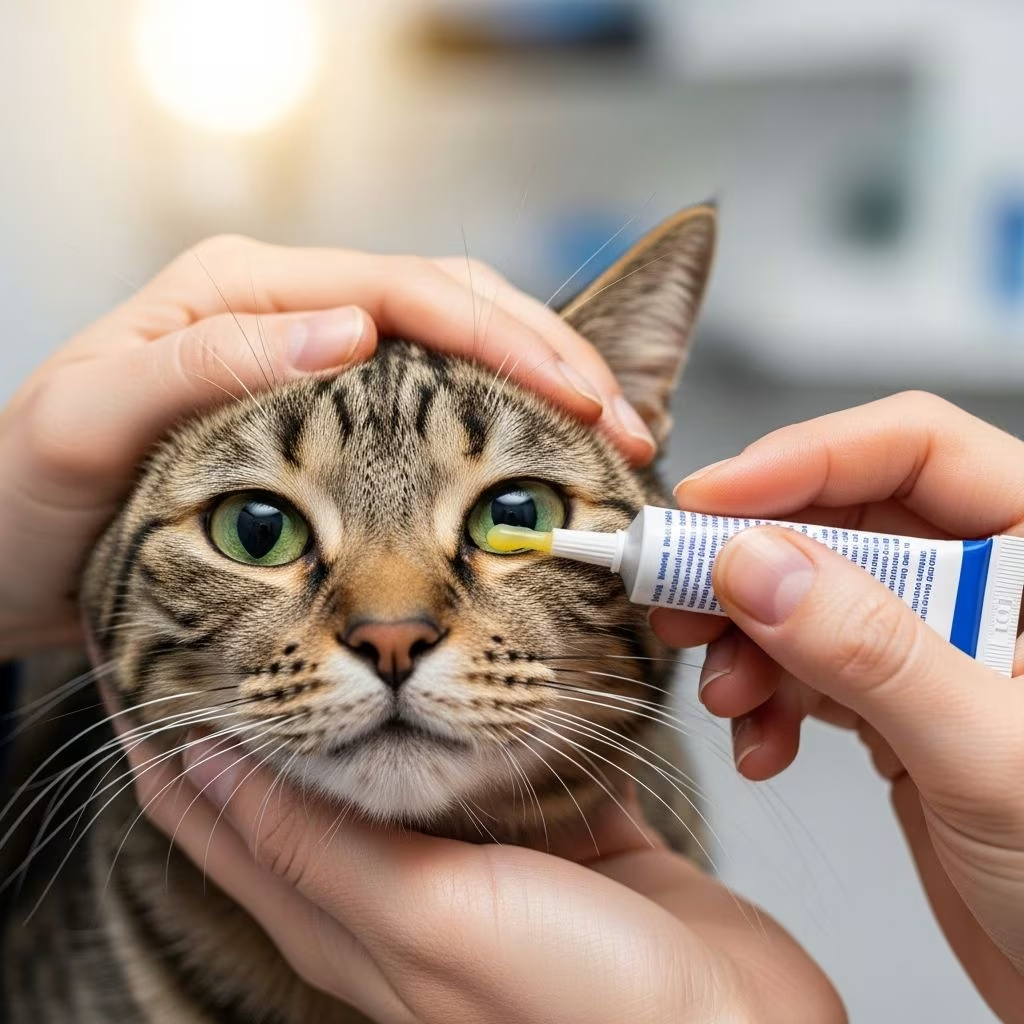
Begin by removing the applicator tip from the Terramycin tube. Using a clean fingertip, apply approximately a quarter-inch strip of ointment to your finger. Gently pull down your cat’s lower eyelid to create a small space between the lid and the eye surface. Place the ointment-covered fingertip into this space, allowing the ointment to transfer onto the conjunctival surface. When your cat blinks, the ointment naturally spreads across the eye, distributing the medication evenly. Do not attempt to apply the ointment directly to the eye itself, as this can cause discomfort and difficulty in achieving proper coverage.
For cats resistant to manual application, some owners find it helpful to gently hold the eye open with one hand while applying the ointment with the other. The goal is to minimize stress for both the cat and the owner while ensuring adequate medication delivery. If you struggle with application, discuss alternative administration methods with your veterinarian, as they may have additional suggestions or techniques.
Dosage Frequency and Treatment Duration
| Treatment Parameter | Typical Recommendation | Important Notes |
|---|---|---|
| Application Frequency | 2 to 4 times daily | Consistency improves treatment effectiveness |
| Treatment Duration | 2 to 3 weeks minimum | Continue even after symptoms improve |
| Post-Symptom Resolution | Continue for several additional days | Prevents infection recurrence |
| Storage Requirements | Room temperature | Do not refrigerate; do not use if discolored |
Maintaining consistent application frequency is more important than applying higher concentrations less frequently. Most veterinarians recommend applying Terramycin 2 to 4 times daily, with the specific frequency depending on infection severity and your cat’s response to treatment. A helpful schedule involves applications in the morning, midday, evening, and before bedtime, though your veterinarian may adjust this based on your cat’s needs.
A critical aspect of Terramycin therapy involves continuing treatment for the complete recommended duration, typically 2 to 3 weeks. Many cat owners make the mistake of discontinuing medication once visible improvement occurs. However, stopping treatment prematurely can allow bacteria to rebound, causing infection recurrence and potentially requiring extended treatment. Even after infection symptoms completely resolve, veterinarians often recommend continuing applications for several additional days to ensure complete bacterial elimination and prevent relapse.
Recognizing and Managing Allergic Reactions
While most cats tolerate Terramycin well, allergic reactions represent an important safety consideration. Mild allergic responses typically manifest as lid swelling and itching, prompting the cat to paw at the affected eye. If you notice these signs developing after applying Terramycin, contact your veterinarian to discuss whether continuing treatment is appropriate or if an alternative medication should be considered.
Rare but serious allergic reactions can develop into anaphylaxis, a life-threatening condition requiring immediate emergency veterinary care. Anaphylactic reactions to Terramycin typically occur within four hours of application. Signs include wheezing, difficulty breathing, facial swelling, generalized weakness, and vomiting. The incidence of anaphylaxis from topical ophthalmic antibiotics is extremely rare, with one study finding that among 61 cats experiencing anaphylaxis to topical antibiotics, only 21% had received Terramycin. Of those cats receiving emergency treatment, 82% survived, emphasizing the importance of rapid veterinary intervention.
Cats with known allergies to oxytetracycline or Polymyxin B should never receive Terramycin. If your cat has previously experienced reactions to tetracycline-class antibiotics, inform your veterinarian before using this medication. Your veterinarian can recommend alternative treatments better suited to your cat’s medical history and sensitivities.
Expected Treatment Timeline and Progress
Cats receiving Terramycin typically show improvement relatively quickly once treatment begins. Owners often notice symptoms of conjunctivitis or other bacterial eye infections beginning to diminish almost immediately after starting the medication. However, rapid symptomatic improvement does not mean treatment completion. The infection may still harbor bacteria that could resurface if medication is discontinued prematurely.
The timeline for complete infection resolution depends on several factors, including infection severity, the specific bacterial organism involved, and how consistently medication is applied. Superficial infections may clear within one to two weeks, while deeper infections or those involving corneal ulceration might require the full three-week course or longer. Your veterinarian will monitor your cat’s progress and may recommend continuation beyond the initial timeframe if needed.
Storage and Medication Maintenance Guidelines
Proper storage ensures Terramycin maintains its therapeutic efficacy throughout the treatment course. Store the ointment at room temperature, away from excessive heat or cold exposure. Do not refrigerate Terramycin, as this can alter the ointment’s consistency and potentially affect medication distribution. Keep the tube in a cool, dry location away from direct sunlight.
Before each application, inspect the ointment for any color changes or separation. If the ointment appears discolored, has developed an unusual odor, or has changed in consistency, discontinue use and contact your veterinarian for a replacement. Using compromised medication could reduce treatment effectiveness or introduce contaminants to the eye.
When to Contact Your Veterinarian
Certain situations warrant prompt veterinary contact during Terramycin treatment. Immediately seek veterinary attention if your cat develops signs of severe allergic reaction within four hours of application, including facial swelling, difficulty breathing, weakness, or vomiting. Additionally, contact your veterinarian if the eye condition worsens despite consistent Terramycin application, if discharge becomes increasingly purulent or bloody, or if your cat develops severe pain or light sensitivity. These signs could indicate a more serious condition requiring alternative treatment approaches or additional diagnostics.
Frequently Asked Questions About Feline Terramycin Treatment
- Can pregnant cats safely use Terramycin?
- Discuss any pregnancy concerns with your veterinarian before beginning treatment. While topical application reduces systemic absorption, your veterinarian should evaluate your pregnant cat’s specific situation to determine if treatment is appropriate.
- How does Terramycin compare to other eye antibiotics?
- Terramycin offers broad-spectrum coverage and is particularly effective against Chlamydophila and Mycoplasma species. Your veterinarian can recommend the most suitable antibiotic based on your cat’s specific infection type and medical history.
- What should I do if my cat won’t allow application?
- Work with your veterinarian to develop application strategies. Some cats respond better to treatment during specific times, and your veterinarian might suggest techniques or alternative formats if available.
- Can Terramycin be used alongside other medications?
- Always inform your veterinarian about other medications your cat is taking. While topical eye ointments typically have minimal systemic absorption, your veterinarian can evaluate potential interactions.
- How do I know if the infection is improving?
- Look for reduced discharge, less eye swelling, improved appearance of the conjunctiva, and decreased pawing at the eye. Your veterinarian can perform follow-up examinations to confirm improvement.
Conclusion: Optimizing Feline Eye Health with Appropriate Treatment
Terramycin ophthalmic ointment represents an important therapeutic option for treating bacterial eye infections in cats. Its broad-spectrum antibiotic composition and proven efficacy against common feline eye pathogens make it a valuable medication when prescribed appropriately. Success with Terramycin depends on accurate diagnosis, consistent application, complete treatment duration adherence, and careful monitoring for adverse reactions. By understanding how the medication works, recognizing its limitations, and following veterinary guidance precisely, cat owners can effectively support their feline companions’ recovery from bacterial eye infections and maintain optimal ocular health.
References
- Terramycin for Cats – Wag! Walking — Wag!. 2024. https://wagwalking.com/cat/treatment/terramycin-for-cats
- Oxytetracycline for Pets – PetPlace.com — PetPlace. 2024. https://www.petplace.com/article/drug-library/drug-library/library/oxytetracycline-terramycin-liquamycin-for-dogs-and-cats
- Terramycin – Antibiotic Eye Ointment for Dogs and Cats — VetRxDirect. 2024. https://www.vetrxdirect.com/product/view/terramycin-eye-ointment-for-dogs-cats-rx
- Terramycin Returns To The US — MSPCA-Angell. 2024. https://www.mspca.org/angell_services/terramycin-returns-to-the-us/
- Terramycin Eye Ointment for Cats and Dogs – PetMD — PetMD. 2024. https://www.petmd.com/pet-medication/terramycin-oxytetracycline-polymyxin-b-ophthalmic-ointment



