

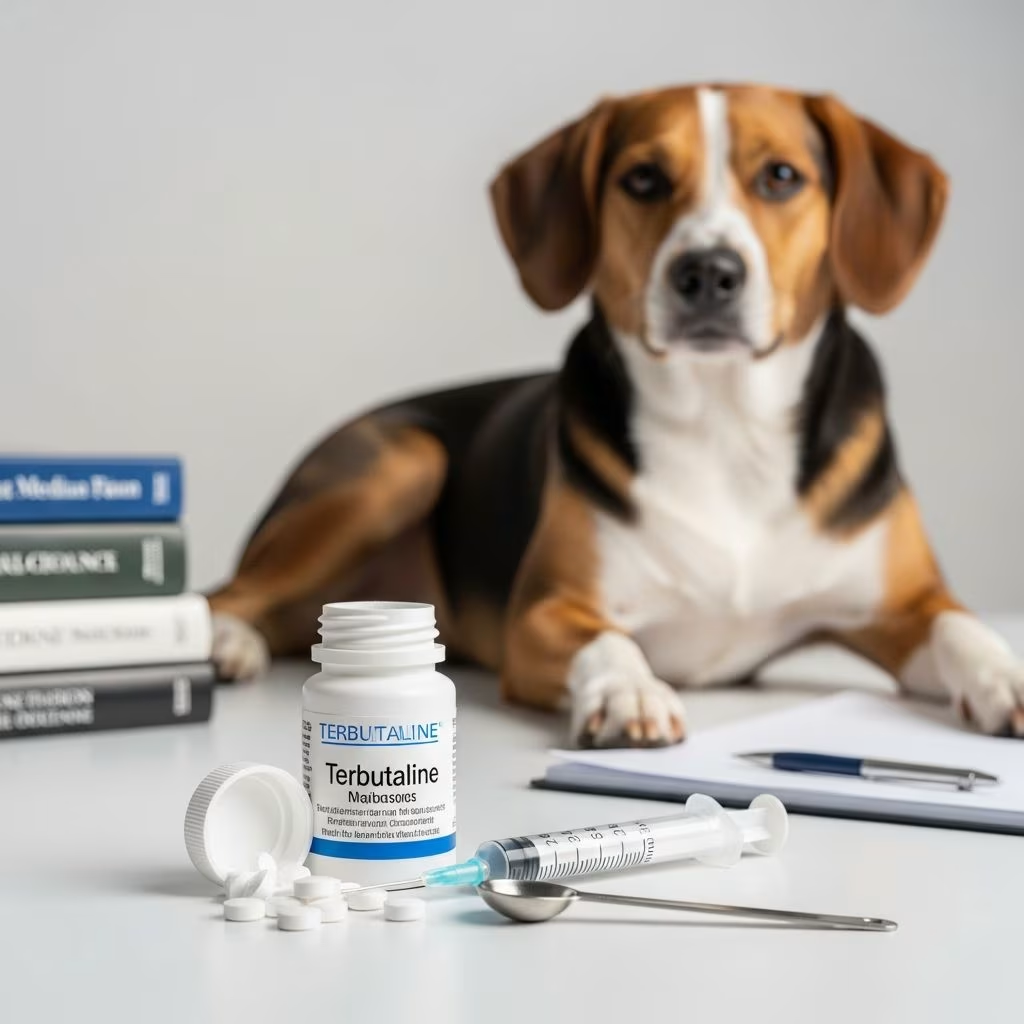
Understanding Terbutaline for Pets
Terbutaline is a bronchodilator medication commonly prescribed by veterinarians to help pets with respiratory conditions breathe more easily. This medication works by relaxing the muscles in the airways, allowing air to flow more freely through the lungs. Terbutaline is particularly useful for treating conditions such as asthma, chronic obstructive pulmonary disease (COPD), and other inflammatory airway diseases in both dogs and cats. As a beta-2 adrenergic receptor agonist, terbutaline provides relief from respiratory distress and can significantly improve your pet’s quality of life when used appropriately under veterinary supervision.
Forms and Availability of Terbutaline
Terbutaline is available in several different forms to accommodate various treatment needs and pet preferences. Understanding the different formulations can help you work more effectively with your veterinarian to determine the best option for your pet’s specific condition.
Tablet Form
The most common form of terbutaline for home administration is the tablet. Tablets come in standard strengths of 2.5 mg and 5 mg, making it easier for veterinarians to prescribe appropriate doses based on your pet’s weight and condition. Tablets can be given directly to your pet or hidden in food, depending on your pet’s preferences and your veterinarian’s recommendations.
Liquid Formulation
For pets who have difficulty swallowing tablets or for those requiring precise dosing adjustments, terbutaline tablets may be compounded into a liquid form by a specialized pharmacy. Liquid medications offer greater flexibility in dosing, particularly for smaller pets or those requiring partial tablet doses. When using liquid formulations, careful measurement is essential to ensure your pet receives the correct dose.
Injectable Form
An injectable form of terbutaline (1 mg/mL concentration) is available for use in veterinary hospital settings. This form allows veterinarians to administer the medication rapidly during acute respiratory distress episodes, providing quick relief when oral forms are impractical or when faster action is needed.
Inhaler Form
Terbutaline is also available as an inhaler, which can be used to deliver the medication directly to the airways. Inhaled terbutaline typically has a quicker onset of action, providing relief within minutes, though its effects may last only a few hours compared to oral formulations.
Dosage Information for Dogs and Cats
Proper dosing is critical to ensure terbutaline’s effectiveness while minimizing the risk of side effects. Dosage varies significantly between dogs and cats, and should always be determined by your veterinarian based on your pet’s weight, age, medical history, and specific condition.
Injectable Terbutaline Dosing
For both dogs and cats, the injectable form is dosed at 0.005 mg per pound (0.01 mg/kg) administered subcutaneously or intramuscularly every 4 to 6 hours as needed. For example, an average 5-kg (11-pound) cat would receive approximately 0.05 mg administered subcutaneously. Many veterinarians teach pet owners to administer injectable terbutaline at home for cats experiencing acute respiratory distress, using an insulin syringe marked in units for precise measurement.
Oral Tablet Dosing for Dogs
For dogs, the tablet form of terbutaline is typically dosed at 1.25 to 5 mg per dog administered three times daily. The specific dose within this range depends on your individual dog’s weight and response to the medication. Your veterinarian will determine the appropriate dose for your pet’s particular needs.
Oral Tablet Dosing for Cats
Cats require significantly lower doses than dogs. The tablet form for cats is dosed at 0.05 to 0.1 mg per pound (0.1 to 0.2 mg/kg) administered twice daily. For chronic management of respiratory conditions in cats, terbutaline can be administered at 0.625 mg (which equals one quarter of a standard 2.5-mg tablet) every 12 hours.
Duration of Treatment
The length of time your pet receives terbutaline depends on the condition being treated, how well your pet responds to the medication, and whether any adverse effects develop. It is essential to complete the entire prescribed course of treatment as directed by your veterinarian, even if your pet appears to be feeling better. Stopping treatment prematurely can lead to relapse or the development of resistance to the medication.
How Terbutaline Works and Effectiveness
Terbutaline is a fast-acting bronchodilator that begins working relatively quickly after administration. This medication should take effect within 1 to 2 hours when given orally. The effectiveness of terbutaline varies depending on several factors, including the specific formulation used and the underlying respiratory condition being treated.
When used as an inhaled therapy, terbutaline provides relief within minutes but typically lasts only a few hours, making it ideal for acute respiratory distress episodes. Oral formulations have a longer duration of action, typically providing relief for up to 6 hours, though individual variations exist depending on your pet’s metabolism and the specific condition being managed. In cats treated with injectable terbutaline, positive effects are often indicated by an increase in heart rate to 240 beats per minute and a 50% decrease in respiratory rate.
Administration Instructions and Special Precautions
Administering terbutaline correctly is essential for achieving the best therapeutic outcomes. Your veterinarian will provide specific instructions for your pet based on the formulation prescribed.
Tablet Administration
Terbutaline tablets should be given exactly as directed by your veterinarian. Some pet owners find it helpful to hide tablets in food or treats, while others administer them directly. If you are using a compounded liquid form, measure the dose carefully and contact your veterinarian if you have difficulty measuring or giving the medication.
Missed Doses
If you miss giving your pet a dose, administer it as soon as you remember, then resume the regular dosing schedule at the recommended intervals. Do not give your pet two doses at once to make up for a missed dose, and do not exceed the total daily dose stated by your veterinarian.
Important Safety Precautions
Special precautions should be taken when administering terbutaline to pets with certain medical conditions. Terbutaline should not be used in cats with hypertrophic cardiomyopathy (a heart condition) or glaucoma, as beta-2 receptor stimulation could be detrimental to these patients. Additionally, caution should be exercised when using terbutaline in pets with heart disease, high blood pressure, or an overactive thyroid gland, as the medication can increase heart rate and potentially worsen these conditions.
Potential Side Effects
While terbutaline is generally well-tolerated in pets, some animals may experience side effects. Common side effects can include increased heart rate, trembling, nervousness, and restlessness. These effects typically occur because beta-2 receptors are found throughout the body, not just in the airways. Most side effects are mild and tend to diminish as your pet’s body adjusts to the medication. However, if your pet experiences severe or concerning symptoms, contact your veterinarian immediately for guidance.
Storage and Handling
Terbutaline should be stored according to the manufacturer’s instructions, typically at room temperature away from moisture and heat. Keep the medication in its original container with the label intact. Do not share this medication with other pets, as dosing is carefully individualized based on each pet’s specific needs.
Frequently Asked Questions
Q: How quickly does terbutaline work in pets?
A: Oral terbutaline typically takes effect within 1 to 2 hours of administration. Inhaled forms work much faster, providing relief within minutes. The duration of relief varies depending on the formulation used and your pet’s individual metabolism.
Q: Can I give terbutaline with other medications?
A: Always inform your veterinarian about all medications and supplements your pet is currently taking. Some medications may interact with terbutaline, so your veterinarian needs to review your pet’s complete medication list before prescribing.
Q: What should I do if I accidentally give my pet too much terbutaline?
A: If you suspect an overdose, contact your veterinarian or emergency veterinary clinic immediately. Symptoms of overdose may include severe trembling, rapid heart rate, or difficulty breathing.
Q: Is terbutaline safe for long-term use in pets?
A: Terbutaline can be used for long-term management of chronic respiratory conditions under veterinary supervision. However, your veterinarian will monitor your pet regularly to ensure the medication continues to be effective and to watch for any potential complications.
Q: Can terbutaline be used for all types of respiratory problems in pets?
A: No, terbutaline is specifically beneficial for conditions involving airway constriction and inflammation, such as asthma and COPD. It may not be appropriate for all respiratory conditions, so a proper diagnosis from your veterinarian is essential.
Q: How should I store terbutaline?
A: Store terbutaline at room temperature away from moisture, heat, and light. Keep it in its original container with the label intact, and keep it out of reach of children and other pets.
Working with Your Veterinarian
Successful treatment with terbutaline requires close cooperation between you and your veterinary team. Your veterinarian will determine whether terbutaline is appropriate for your pet’s condition, establish the correct dosage, and monitor your pet’s response to treatment. Regular follow-up appointments allow your veterinarian to assess effectiveness, watch for side effects, and make any necessary adjustments to the treatment plan. If you notice any changes in your pet’s condition or have concerns about the medication, contact your veterinarian promptly.
References
- Terbutaline Sulfate (Brethine®, Bricanyl®) for Dogs and Cats — PetPlace. 2025. https://www.petplace.com/article/drug-library/drug-library/library/terbutaline-sulfate-brethine-bricanyl-for-dogs-and-cats
- Terbutaline Sulfate Tablets for Pets, Respiratory — PetCareRx. 2025. https://www.petcarerx.com/terbutaline/11746
- Systemic Treatment of Inflammatory Airway Disease in Animals — Merck Veterinary Manual. 2025. https://www.merckvetmanual.com/pharmacology/systemic-pharmacotherapeutics-of-the-respiratory-system/systemic-treatment-of-inflammatory-airway-disease-in-animals
- Beta-Adrenergic Receptor Agonist Drugs — MSD Veterinary Manual. 2025. https://www.msdvetmanual.com/multimedia/table/beta-adrenergic-receptor-agonist-drugs
- Treatment of Feline Lower Airway Disease — Today’s Veterinary Practice. 2025. https://todaysveterinarypractice.com/respiratory-medicine/treatment-of-feline-lower-airway-disease/
- Terbutaline — VCA Animal Hospitals. 2025. https://vcahospitals.com/know-your-pet/terbutaline



