

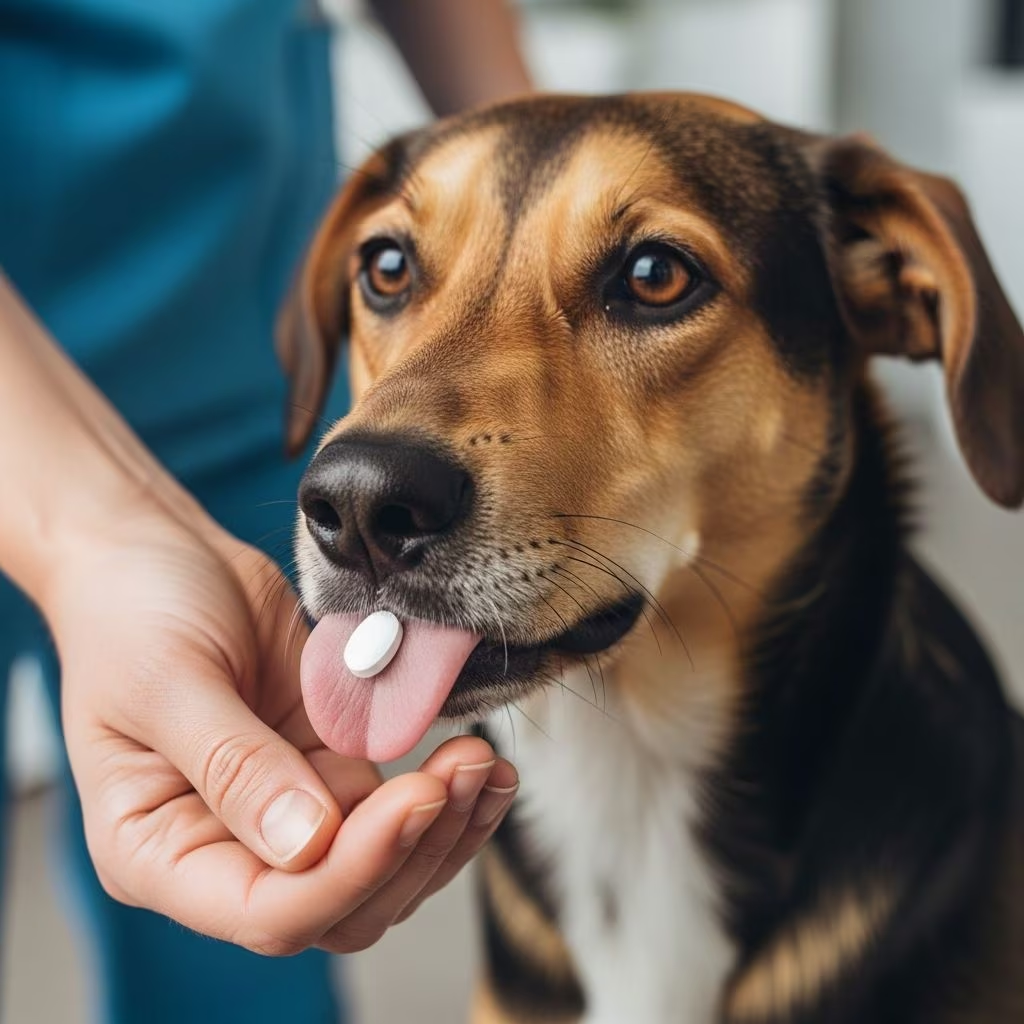
Terbinafine, commonly known by the brand name Lamisil, serves as a powerful antifungal agent for dogs battling skin and systemic fungal infections. This medication disrupts fungal cell growth, making it a go-to option for conditions like ringworm caused by dermatophytes such as Microsporum and Trichophyton.
Understanding Fungal Infections in Canines
Fungal infections pose significant challenges for dogs, often manifesting as itchy, circular skin lesions, hair loss, or brittle nails. Ringworm, or dermatophytosis, tops the list of common culprits, thriving in warm, moist environments and spreading via spores in soil, other animals, or contaminated objects. Beyond superficial issues, deeper infections like blastomycosis or histoplasmosis can affect lungs, bones, and organs, demanding prompt intervention.
Dogs with weakened immune systems, those in multi-pet households, or breeds with dense coats like long-haired varieties face higher risks. Early signs include scaly patches, redness, and foul odors, progressing to widespread alopecia if untreated. Accurate diagnosis via fungal cultures or Wood’s lamp exams guides targeted therapy.
How Terbinafine Targets Fungal Threats
Terbinafine belongs to the allylamine class of antifungals, inhibiting squalene epoxidase—an enzyme essential for ergosterol production in fungal cell membranes. Without ergosterol, fungal cells weaken and die, offering fungicidal action against dermatophytes.
Unlike azole antifungals (e.g., itraconazole, ketoconazole), terbinafine boasts fewer drug interactions and a superior safety profile, ideal for long-term use. It penetrates skin, hair, and nails effectively, addressing infection sources holistically.
Primary Applications in Veterinary Practice
- Ringworm (Dermatophytosis): First-line treatment for Microsporum canis and Trichophyton infections, resolving lesions in 4-6 weeks with consistent dosing.
- Yeast Overgrowth: Effective against Malassezia dermatitis, especially in moist areas like paws and ears.
- Systemic Mycoses: Adjunct for blastomycosis, coccidioidomycosis, histoplasmosis, aspergillosis, cryptococcosis, and sporotrichosis, often combined with other agents.
- Nail and Paw Infections: Targets onychomycosis, restoring healthy keratin growth.
While not FDA-approved for veterinary use, off-label application is standard and legal under vet supervision. Alternatives like azoles may suit yeast-heavy cases, but terbinafine excels in dermatophyte dominance.
Available Forms and Dosing Protocols
Terbinafine comes as 250mg oral tablets (Lamisil or generics) and topical creams/sprays for localized therapy. Recent innovations include ear drops like Duotic, blending terbinafine with betamethasone for otitis externa.
| Form | Dog Dosage | Frequency | Duration |
|---|---|---|---|
| Oral Tablets | 25-50 mg/kg | Once daily | 4-8 weeks or until cultures negative |
| Topical Cream | Apply thinly to lesion | 1-2 times daily | 2-4 weeks |
| Ear Drops (e.g., Duotic) | Per label (vet-directed) | Once daily | 7-14 days |
Administer oral doses with food to enhance absorption and curb nausea. Body weight dictates exact amounts—e.g., a 20kg dog needs 500-1000mg daily. Vets tailor regimens via diagnostics, extending beyond symptom resolution for spore clearance.
Safe Administration Best Practices
Crush tablets if needed for picky eaters, mixing into palatable food like canned pumpkin. Clean affected skin gently before topicals, avoiding eyes/mouth. Isolate infected dogs from others, laundering bedding weekly to prevent reinfection.
Monitor progress with bi-weekly vet checks, including skin scrapes and bloodwork for liver/kidney function. Full courses prevent resistance, with environmental decontamination via bleach solutions (1:10 dilution).
Potential Side Effects and Management
Most dogs tolerate terbinafine well, but gastrointestinal upset leads the list:
- Common (5-10%): Vomiting, diarrhea, anorexia—mitigate by dosing with meals.
- Rare (<2%): Lethargy, elevated liver enzymes, taste/smell changes (hard to detect in dogs).
- Severe (Monitor Closely): Hepatotoxicity, renal strain in predisposed dogs.
Working breeds like hunters may suffer subtle sensory losses. Discontinue if jaundice, bloody stools, or seizures appear, seeking emergency care.
Critical Precautions and Contraindications
Avoid in dogs with known liver/kidney disease; baseline blood tests are mandatory. Pregnancy/lactation warrants caution—rat studies show minimal toxicity, but data gaps exist. Not for puppies under 6 weeks or dehydrated patients.
Drug interactions are minimal, but watch cimetidine (increases levels) or rifampin (decreases efficacy). Breed-specific notes: Boxers and Shelties, prone to sensitivities, may need lower starts.
Monitoring and Follow-Up Essentials
Vets schedule baseline and monthly labs (ALT, BUN, creatinine) plus fungal cultures at weeks 4 and 8. Clinical resolution lags culture negativity by 2-3 weeks—patience prevents relapse.
Owner logs aid tracking: photo lesions weekly, note appetite/stool changes. Post-treatment, quarantine lifts after two negative cultures.
Comparing Terbinafine to Other Antifungals
| Medication | Strengths | Weaknesses | Best For |
|---|---|---|---|
| Terbinafine | Fewer sides, skin penetration | Less yeast efficacy | Ringworm, dermatophytes |
| Itraconazole | Broad spectrum | Liver risk, interactions | Systemic mycoses |
| Fluconazole | CSF penetration | Costly, variable efficacy | Meningeal infections |
| Ketoconazole | Cheap | High toxicity | Legacy use only |
Terbinafine shines for safety, often solo for ringworm but combo for deep infections.
Holistic Support and Prevention Strategies
Boost immunity with omega-3s, probiotics, and balanced diets. Bathe weekly with antifungal shampoos (miconazole/chlorhexidine). Vacuum daily, using UV lamps for spores. Multi-pet homes benefit from pulse dosing post-exposure.
Vaccines absent, but grooming reduces risks. Annual wellness exams catch subclinical carriers.
Frequently Asked Questions (FAQs)
Can I use human Lamisil on my dog?
Only under vet guidance—doses differ, and generics match efficacy.
How long until ringworm improves?
Visible changes in 1-2 weeks; full cure 4-8 weeks.
Is terbinafine safe for puppies?
Generally after 8 weeks; vet assesses.
What if my dog vomits after dosing?
Switch to food administration or halve dose temporarily.
Does it treat ear yeast infections?
Yes, especially in combo drops like Duotic.
Recent Advances and Future Outlook
2024 FDA approval of terbinafine ear gels marks progress for otitis. Ongoing trials explore combos for resistant strains, promising shorter courses.
References
- Terbinafine for Fungal Infections in Dogs – GoodRx — GoodRx. 2023. https://www.goodrx.com/pet-health/dog/terbinafine-lamisil
- Terbinafine for Dogs and Cats – PetMD — PetMD. 2024. https://www.petmd.com/pet-medication/terbinafine-dogs-and-cats
- Terbinafine – For Fungal Infections in Pets – VetRxDirect — VetRxDirect. 2024. https://www.vetrxdirect.com/product/view/terbinafine-for-dogs-and-cats-rx
- Terbinafine – Oral | VCA Animal Hospitals — VCA Animal Hospitals. 2024. https://vcahospitals.com/know-your-pet/terbinafine—-oral
- Comprehensive Vet Guide 2025: Terbinafine for Dogs & Cats — Askavet. 2025. https://askavet.com/blogs/news/comprehensive-vet-guide-2025-terbinafine-for-dogs-cats-fungal-relief-%F0%9F%90%BE%F0%9F%92%8A
- TERBINAFINE – Mar Vista Animal Medical Center — Mar Vista Vet. 2023. https://www.marvistavet.com/terbinafine.pml
- Antifungals for Integumentary Disease in Animals – Pharmacology — Merck Veterinary Manual. 2024. https://www.merckvetmanual.com/pharmacology/systemic-pharmacotherapeutics-of-the-integumentary-system/antifungals-for-integumentary-disease-in-animals



