Tennis Balls for Dogs: Hidden Dangers Revealed
Discover why popular tennis balls can harm your dog's teeth, throat, and more—plus safe alternatives for endless fetch fun.
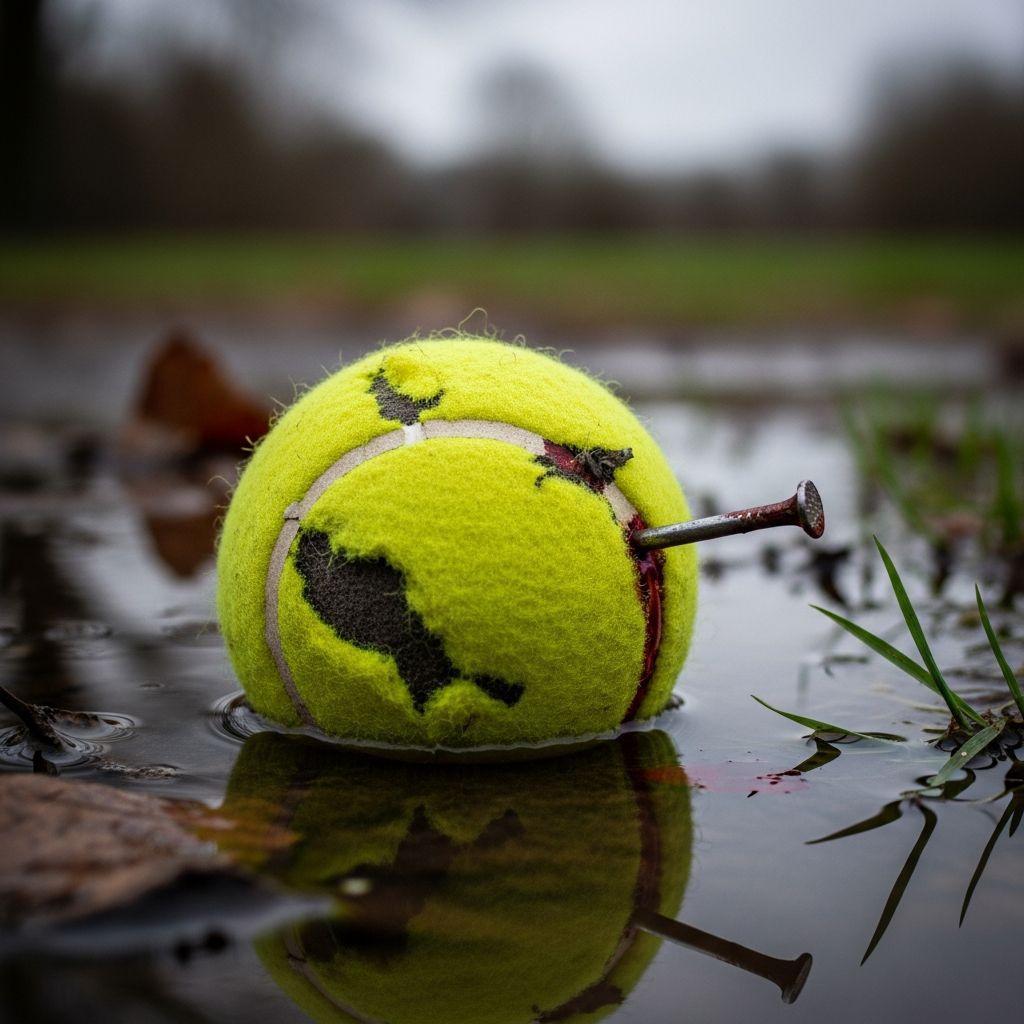
Fetch is a timeless game that brings joy to dogs and owners alike, with tennis balls often serving as the go-to toy due to their bounce and availability. However, these seemingly innocent spheres harbor significant health risks that many pet parents overlook. From abrasive materials wearing down teeth to life-threatening choking incidents, understanding these perils is crucial for safeguarding your furry companion’s well-being.
Why Dogs Can’t Get Enough of Balls
Dogs’ fascination with balls traces back to their ancestral instincts. The erratic bounce of a tennis ball mimics the fleeing movements of small prey like rodents or birds, triggering a dog’s natural chase response. This prey drive explains why breeds such as retrievers, shepherds, and hounds become utterly captivated during play. While this enthusiasm enhances bonding and exercise, it can lead to overexertion if not managed, potentially causing heat exhaustion or aggressive guarding behaviors around the toy.
High-energy dogs might play for hours without tiring, ignoring signals of fatigue. Owners should enforce breaks, especially in warm weather, to prevent dehydration or injury. Monitoring play ensures fun remains safe and balanced.
Choking: A Silent Threat in Every Bounce
One of the most alarming dangers is choking. Tennis balls, designed for human sports, compress easily under a dog’s powerful jaws. For larger breeds like Labrador retrievers or pit bulls, a standard ball fits perfectly in the mouth, where it can squash down, slip into the throat, and expand, blocking the airway. This has proven fatal in real cases, including high-profile incidents with beloved pets.
Smaller dogs face risks too. Mini tennis balls marketed for toys can be gulped whole, while aggressive chewers break standard ones into swallowable chunks. Signs of choking include frantic pawing at the mouth, gagging, blue gums, or collapse. Immediate action—such as the canine Heimlich maneuver or rushing to a vet—is vital, but prevention trumps reaction.
| Breed Size | Choking Risk Level | Common Issue |
|---|---|---|
| Large (e.g., Retrievers) | High | Ball lodges in throat after compression |
| Medium (e.g., Beagles) | Medium | Fragments from chewing |
| Small (e.g., Chihuahuas) | High with mini balls | Whole ball swallowed |
Dental Damage from Abrasive Fuzz
The vibrant green felt covering tennis balls, called the “nap,” acts like sandpaper on canine teeth. Engineered for durability against rackets and courts, this material grinds away enamel with repeated chewing. Veterinary dental specialists note that accumulated dirt and grit exacerbate the abrasion, leading to “blunting” where teeth flatten prematurely.
Over time, worn enamel exposes sensitive pulp, causing pain, infections, and difficulty eating. Chronic chewers may lose teeth entirely by middle age, as observed in many ball-obsessed dogs. Board-certified dentists at specialized clinics recommend regular oral exams for frequent players to catch issues early.
- Enamel wear: Progressive flattening of chewing surfaces.
- Gum irritation: Cuts from frayed fibers invite bacteria.
- Long-term costs: Extractions and dental surgeries can exceed $1,000 per session.
Toxins Lurking in the Core
Tennis balls aren’t crafted for animal consumption, raising concerns about chemical exposure. Manufacturing involves adhesives, dyes, and rubber compounds that may contain heavy metals like lead or other toxins. When dogs ingest fuzz or core pieces, these substances enter their system, potentially leading to poisoning symptoms such as vomiting, lethargy, or neurological issues.
While exact compositions vary by brand, the lack of pet-safe standards means no ball is risk-free. Opting for toys labeled non-toxic and free of phthalates reduces this hazard significantly.
Obsession and Behavioral Pitfalls
Beyond physical harm, tennis balls can fuel unhealthy fixations. Dogs with strong prey drives may refuse food, water, or rest, prioritizing the toy. This obsession escalates to resource guarding, where they snap at family members or other pets approaching the ball.
Multiple balls in play heighten dangers, as dogs stuff extras into their mouths, worsening choking odds. Training commands like “drop it” and “leave it” are essential, practiced during calm sessions with high-value treats as rewards.
Safe Play Strategies for Tennis Ball Lovers
Banning tennis balls outright isn’t necessary if you prioritize supervision. Limit access to structured fetch in open areas, retrieving the ball after each throw to prevent unsupervised chewing. Inspect toys routinely for wear—discard any with tears, missing fuzz, or deflation.
- Supervise every session closely.
- Use only one ball at a time.
- Train reliable recall and drop commands.
- Schedule short, frequent plays over marathon sessions.
For chew-prone dogs, reserve tennis balls for tossing only, never mouthing. Combine with cooling breaks and hydration to maintain health.
Superior Alternatives to Classic Tennis Balls
Thankfully, pet industry innovations offer safer options. Rubber balls designed for aggressive chewers resist breaking and lack abrasive covers. Silicone or food-grade plastic orbs provide bounce without toxins, while wool-felted balls avoid enamel damage.
| Toy Type | Key Benefits | Best For |
|---|---|---|
| Jolly Egg (silicone) | Unpredictable bounce, indestructible, non-toxic | High-energy chasers |
| Kong Extreme | Durable rubber, stuffable for mental stimulation | Power chewers |
| Felted wool balls | Soft on teeth, natural materials | Sensitive mouths |
| Planet Dog Orbee | Bouncy, mint-scented, dishwasher-safe | All sizes |
Match toys to your dog’s size, chew style, and preferences. Rotate options to sustain interest and distribute wear.
Recognizing and Responding to Emergencies
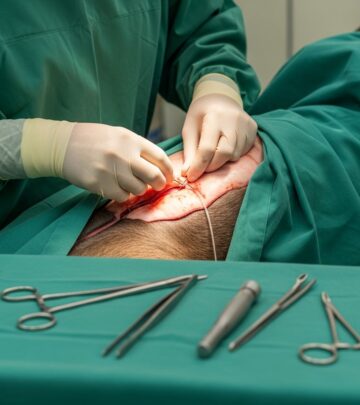
Be vigilant for distress signals: excessive drooling, coughing, refusal to eat, or swollen abdomen from blockages. Intestinal obstructions from swallowed pieces require urgent endoscopy or surgery, as documented in veterinary cases. Keep vet contacts handy and learn pet CPR basics.
Annual dental check-ups, paired with brushing and dental chews, fortify teeth against play-related wear.
FAQs: Tennis Balls and Your Dog
Are all tennis balls dangerous for dogs?
Yes, standard ones carry universal risks due to design. Pet-specific versions mitigate some issues but still demand caution.
Can small dogs safely play with tennis balls?
No—mini sizes increase swallowing risks, and chewing fragments pose threats.
How do I stop my dog from chewing tennis balls?
Supervise strictly, use fetch-only rules, and redirect to chew toys. Consistency builds habits.
What if my dog swallowed a piece?
Monitor for vomiting or lethargy; seek vet care immediately to avoid surgery.
Are there vet-approved tennis ball substitutes?
Yes, durable rubbers and non-abrasive balls from reputable brands earn endorsements.
Promoting Lifelong Healthy Play
Armed with this knowledge, you can transform fetch from potential hazard to pure delight. Prioritize safety through supervision, smart toy choices, and training, ensuring your dog enjoys vigorous exercise without compromise. Regular vet visits catch subtle issues early, preserving smiles and vitality for years of tail-wagging adventures.
References
- Are Tennis Balls Bad for Dogs? — East Valley Animal Hospital. 2023. https://www.eastvalleyanimal.com/are-tennis-balls-bad-for-dogs/
- Are Tennis Balls Safe for Dogs? — American Kennel Club. 2024-02-15. https://www.akc.org/expert-advice/advice/are-tennis-balls-safe-for-dogs/
- Are Tennis Balls Safe For Dogs? — WellPets Animal Dental Care & Oral Surgery. 2023. https://www.wellpets.com/blog/96-are-tennis-balls-safe-for-dogs/
- Dogs and Tennis Balls: It’s Not Always a Match — Animal Medical Center. 2020-08-26. https://www.amcny.org/blog/2020/08/26/dogs-and-tennis-balls-its-not-always-a-match/
- Best Balls for Dogs — Peter Dobias Natural Pet Healing. 2024. https://peterdobias.com/blogs/blog/best-balls-for-dogs
Similar Articles







Read full bio of Sneha Tete