

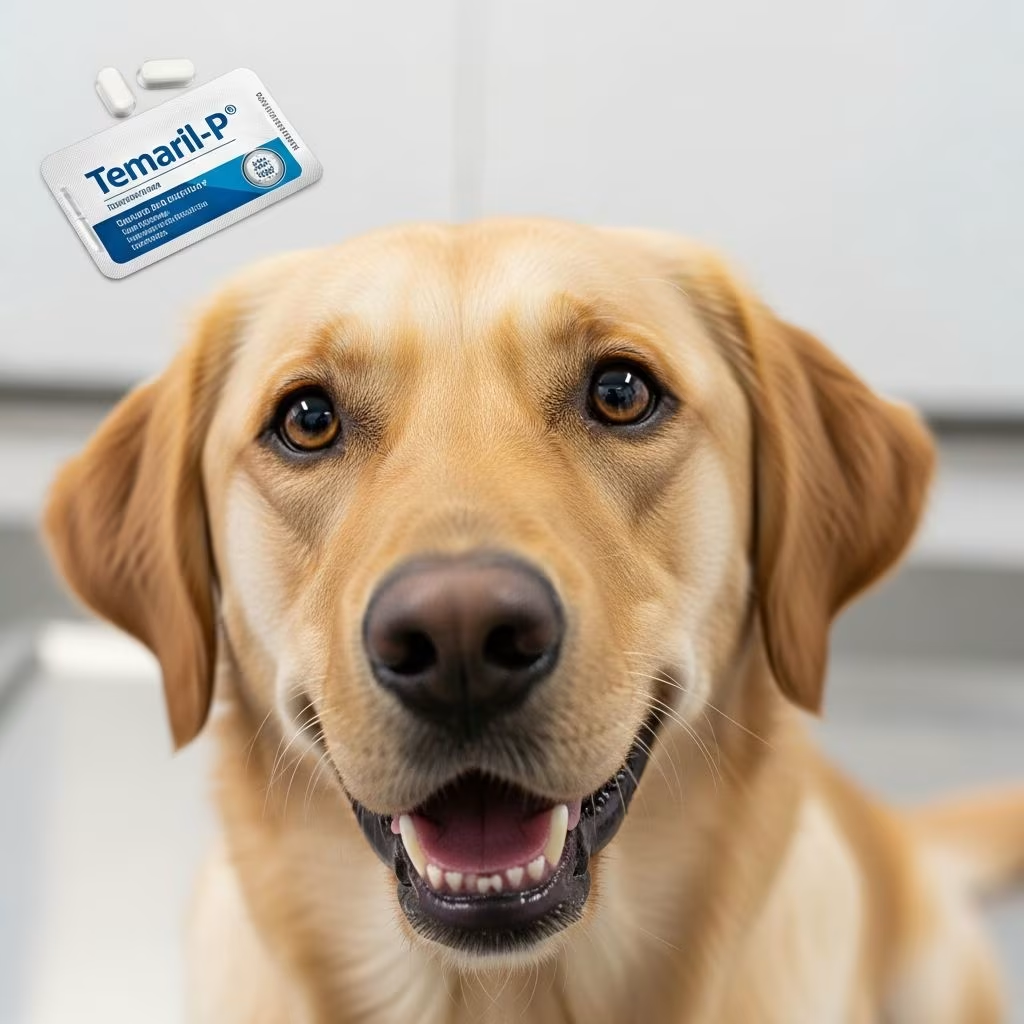
Temaril-P is a veterinarian-prescribed medication designed to alleviate itching and coughing in dogs, particularly those caused by environmental allergies, inflammation, or respiratory issues like kennel cough. This combination therapy features trimeprazine, an antihistamine, and prednisolone, a corticosteroid, providing targeted symptom relief without addressing underlying causes.
Understanding the Core Components of Temaril-P
The effectiveness of Temaril-P stems from its dual-action formula. Trimeprazine works by blocking histamine, a key chemical released during allergic reactions that leads to itching and irritation. Prednisolone, meanwhile, reduces inflammation throughout the body, easing swelling in the skin or airways that contributes to discomfort and coughing. This synergy makes it suitable for acute flare-ups rather than chronic conditions.
Available as scored tablets, Temaril-P allows for precise dosing based on a dog’s weight. Generic versions containing trimeprazine with prednisolone offer similar benefits at potentially lower costs. In cases where standard tablets aren’t ideal, veterinarians may opt for compounded versions tailored to specific needs, such as flavoring or alternative forms, though these lack FDA approval.
Primary Applications in Canine Health
Temaril-P excels in managing common issues like acute pruritus from allergies or dermatitis. It also serves as an antitussive agent for coughs associated with tracheobronchitis, including the highly contagious kennel cough, bronchitis, and nonspecific respiratory irritations. By suppressing cough reflexes and reducing airway inflammation, it helps dogs rest and recover faster, minimizing transmission risks in multi-pet households.
- Allergic Itching: Targets skin conditions like eczema, otitis, and general dermatitis triggered by pollen, dust, or fleas.
- Respiratory Coughs: Eases dry, hacking coughs worsened by exercise, often seen in kennel cough cases with phlegm buildup.
- Inflammatory Responses: Controls swelling in ears, skin folds, or throat tissues.
While primarily for dogs, it’s occasionally used in cats under strict veterinary guidance, though dogs remain the main focus.
Administering Temaril-P Safely
Dosage varies by weight and condition severity, typically starting at the lowest effective amount. Administer with food to minimize gastrointestinal upset, and ensure constant fresh water access to prevent dehydration. Tablets can be given once or twice daily, but always follow vet instructions precisely.
| Dog Weight Range | Typical Initial Dose | Frequency |
|---|---|---|
| Under 10 lbs | 1/2 tablet | Once daily |
| 10-20 lbs | 1/2 – 1 tablet | Once or twice daily |
| 20-40 lbs | 1 – 2 tablets | Twice daily |
| Over 40 lbs | 2 – 4 tablets | Twice daily, as prescribed |
Note: These are general guidelines; consult your vet for personalized dosing. Long-term use requires gradual tapering to avoid withdrawal effects on the adrenal glands.
Recognizing and Managing Side Effects
Most dogs tolerate Temaril-P well short-term, but monitor for adverse reactions. Common mild effects include increased thirst, urination, and appetite. More serious signs demand immediate vet attention:
- Weakened immunity leading to infections
- Muscle tremors, stiffness, or weakness
- Low blood pressure or body temperature
- Sedation or lethargy
- Exposure of the third eyelid (nictitating membrane)
Prolonged corticosteroid exposure risks include thinning skin, delayed healing, potbellied appearance, and organ strain like elevated liver enzymes. Dogs with pre-existing conditions such as diabetes, heart disease, or fungal infections should avoid it.
Drug Interactions and Contraindications
Temaril-P can interact with NSAIDs, other steroids, or antifungals, amplifying side effects. Disclose all current medications, including supplements, to your vet. It’s contraindicated in pregnant, lactating, or very young puppies, and dogs with ulcers, hypertension, kidney issues, or Cushing’s disease.
Overdose Risks and Emergency Response
Excessive doses may cause severe sedation, ataxia, seizures, or hypotension. If suspected, contact your vet, emergency clinic, or poison control immediately—do not wait for symptoms to worsen.
- Pet Poison Helpline: 855-764-7661
- ASPCA Animal Poison Control: 888-426-4435
Fees may apply, but prompt action is critical.
Long-Term Considerations and Alternatives
Avoid indefinite use due to cumulative steroid effects. Vets recommend the minimal duration and dose for control. For ongoing allergies, consider allergy testing, hypoallergenic diets, or newer antihistamines like apoquel. Cough management might involve antibiotics if infection is present.
Frequently Asked Questions (FAQs)
What conditions does Temaril-P treat in dogs?
It relieves itching from allergies and suppresses coughs, including kennel cough and bronchitis.
How long can my dog take Temaril-P?
Short-term only, at the lowest effective dose, to minimize steroid-related complications.
Can Temaril-P be used for cats?
Occasionally, but primarily formulated and approved for dogs; vet approval required.
Is a prescription needed for Temaril-P?
Yes, it’s a controlled medication requiring veterinary diagnosis and oversight.
What if my dog shows no improvement?
Contact your vet; dosage adjustment, alternative diagnosis, or additional tests may be needed.
Monitoring Your Dog’s Progress
Track symptoms daily: note itch reduction, cough frequency, energy levels, and any new issues. Regular vet check-ups, including bloodwork for long-term users, ensure safety. Early intervention prevents escalation.
For multi-dog homes, isolate treated pets during contagious periods like kennel cough outbreaks to curb spread.
Storage and Handling Best Practices
Store at room temperature, away from moisture and light. Keep out of reach of pets and children. Discard expired tablets properly.
References
- Temaril-P for Dogs: What It’s Used For, Side Effects, and More — PetMD. 2023. https://www.petmd.com/pet-medication/temaril-p-dogs-cats
- Using Temaril-P For Dogs as Kennel Cough Treatment — PetCareRx. 2023. https://www.petcarerx.com/article/using-temaril-p-for-dogs-as-kennel-cough-treatment/1635
- TEMARIL-P- trimeprazine tartrate and prednisolone tablet — DailyMed (NIH). 2023-10-01. https://dailymed.nlm.nih.gov/dailymed/drugInfo.cfm?setid=9de07d0d-44df-47da-b4b7-24f5fc803b46
- Temaril-P (trimeprazine with prednisoLONE) Rx — VetRxDirect. 2024. https://www.vetrxdirect.com/product/view/temaril-p-trimeprazine-prednisolone-veterinary-use-rx
- Temaril-P for Dogs Zoetis Animal Health — Valley Vet Supply. 2024. https://www.valleyvet.com/ct_detail.html?pgguid=978b3570-eac8-4281-90a3-1d598ed3ffb8



