

9 Telltale Signs of Fleas in Dogs
Fleas are among the most common parasitic pests that affect dogs, and their presence can quickly escalate from a minor nuisance to a serious health concern. Dogs can pick up fleas in various environments, from interactions with other animals to walks through wooded areas or grassy fields. That’s why it’s essential to remain vigilant about the signs of a flea infestation. Today, your dog may be flea-free. Tomorrow, they might not be. Recognizing the early warning signs allows you to take swift action and prevent complications.
Key Takeaways
- Signs of fleas on dogs include itching, excessive grooming, hot spots, flea dirt, and changes in behavior
- More severe signs of fleas include weight loss, pale gums, and lethargy due to anemia
- Getting rid of fleas requires treating both your dog and your home simultaneously to prevent reinfestation
- Understanding the difference between fleas and ticks helps ensure proper treatment
1. Intense and Frantic Scratching or Biting
One of the most obvious and immediate signs that your dog has fleas is intense scratching, biting, or chewing at their skin. Flea bites can cause your dog’s skin to feel extremely itchy, which can be downright miserable for your pup. Your dog may suddenly start scratching their body frantically with their paws or chewing their skin in an attempt to find relief from the persistent itch. In severe cases, this scratching may be so intense and constant that it keeps both you and your dog awake at night. The relentless nature of flea-related itching often distinguishes it from other skin conditions, as the scratching tends to be more vigorous and continuous than typical dry skin issues.
2. Excessive Grooming and Hair Loss
Dogs experiencing flea infestations often engage in excessive grooming behaviors in their attempt to alleviate itching. This over-grooming can quickly lead to noticeable hair loss or patches of missing fur, particularly in areas where fleas commonly congregate. You may notice bald spots appearing on your dog’s coat, especially around the back legs, rump, and tail area. These bare patches can develop rapidly, sometimes within just a few days of the infestation beginning. Hair loss due to fleas differs from typical seasonal shedding because it tends to be patchy, concentrated in specific areas, and accompanied by visible skin irritation.
3. Agitation, Edginess, and Restlessness
Flea irritation can cause significant behavioral changes in your dog. Your otherwise sweet and gentle companion might become gloomy, grumpy, depressed, or even downright agitated. You might notice they become more energetic and frantic as they try to find relief and deal with their frustration and discomfort. This personality shift can be quite noticeable to owners who know their dog’s normal temperament. Dogs may appear anxious, unable to settle down, or constantly shifting positions in search of comfort. If you notice this marked personality change, combined with other physical signs, it’s a strong indicator that your dog may have fleas.
4. Hot Spots and Inflamed Skin
Some dogs are particularly sensitive to flea saliva, a condition called flea allergy dermatitis. When a flea bites these sensitive dogs, their skin becomes extremely itchy and may develop hot spots—areas of red, raw, and inflamed skin. These hot spots typically appear on the neck, flanks, or around the base of your dog’s tail, though they can develop anywhere on the body. What makes hot spots especially problematic is that when dogs chew on them, they can become infected, leading to secondary bacterial infections that require veterinary treatment. In cases of flea allergy dermatitis, the immune response to flea saliva can cause more severe reactions than in non-allergic dogs, making treatment more complex.
5. Muscle Loss, Pale Gums, and Lethargy
In more severe flea infestations, your dog may begin losing weight, display pale gums, or show general lethargy. These signs could indicate anemia due to blood loss from parasitic feeding. Anemia occurs when many fleas consume your dog’s blood simultaneously, particularly problematic in heavy infestations. Flea anemia is most often seen in puppies, sick dogs, elderly dogs, or those with compromised immune systems. If you notice your dog seems unusually tired, lacks interest in activities they normally enjoy, or shows weakness, combined with visible signs of heavy flea infestation, seek veterinary care immediately as anemia can become a serious medical condition.
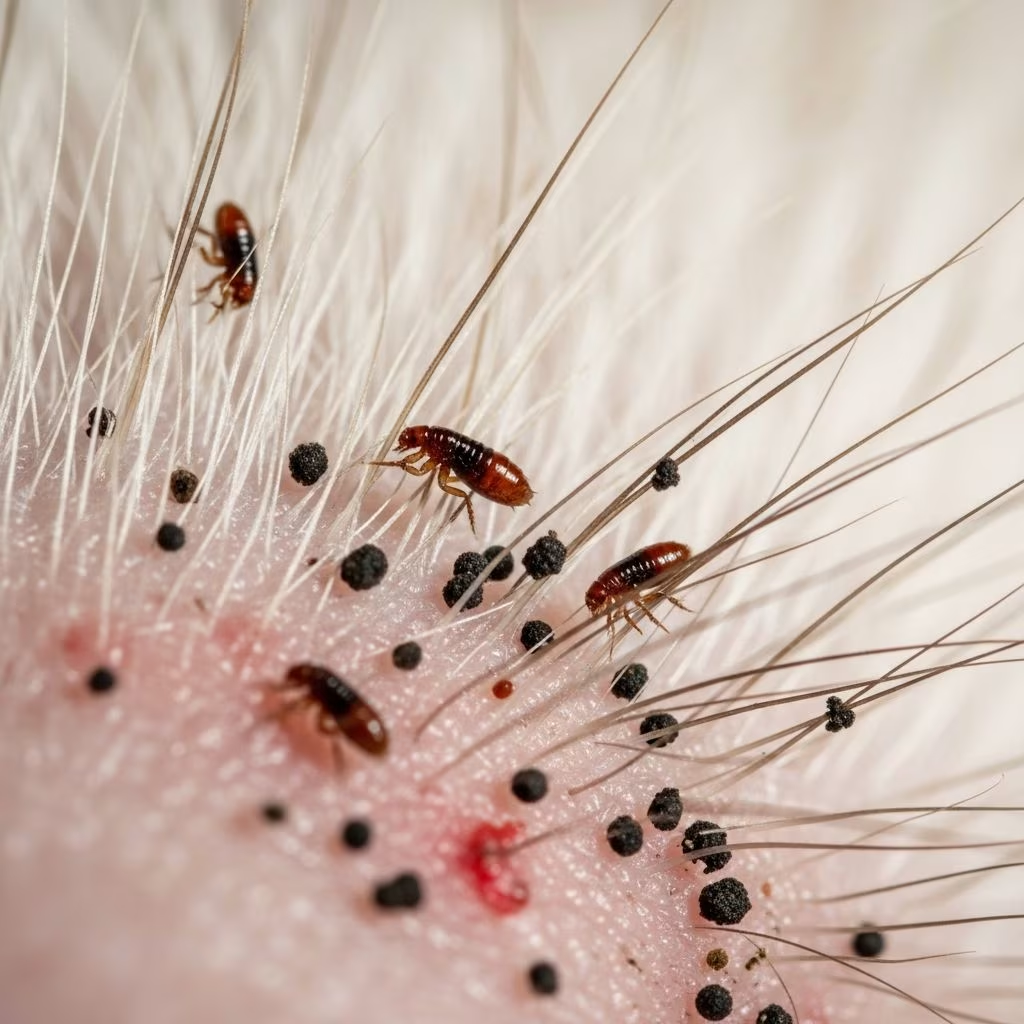
6. Tiny, Pepper-Like Specks in Their Fur
Another telltale sign of fleas is the presence of “flea dirt”—tiny dark brown or black specks that are actually flea feces. These granules resemble pepper or dirt and are composed of digested blood. One useful trick to determine whether brown flecks are indeed flea poop is to place some of these granules on a white paper towel and mist them lightly with water. If they turn red, you’ve confirmed flea feces, as the water rehydrates the digested blood. Flea dirt often appears clustered around the skin and is particularly visible on light-colored dogs. Finding flea dirt is often easier than spotting the fleas themselves, making it an important diagnostic indicator.
7. Red and Bumpy Skin or Lesions
Flea bites typically appear as small, raised, red bumps on your dog’s skin. On sensitive dogs or those experiencing allergic reactions, these bumps can become larger and more pronounced, developing into circular areas that may feel warm to the touch. You’ll often notice these bumps or pimples concentrated on specific areas—behind the neck, shoulders, groin, belly, under the legs, or at the base of the tail. If left untreated, these bites and the resulting scratching can lead to scabs, crusted skin, and open lesions that may become infected with bacteria, causing secondary skin infections that complicate treatment.
8. Tiny, Reddish-Brown Insects on Their Fur
If the infestation is heavy enough, you may actually see the fleas themselves on your dog. Adult fleas are tiny reddish-brown insects that are still large enough to see with the naked eye, though they move quickly. Fleas tend to gravitate toward the rump and tail area of dogs, so examine these regions first when looking for visible parasites. In some cases, you may even spot flea eggs, though these are considerably harder to identify. A flea comb can be particularly useful for detecting fleas and flea dirt, allowing you to comb through your dog’s fur and inspect the comb for parasites or feces.
9. Rice-Like Grains on Bedding or Around the Anus
If you notice what resembles rice grains on your dog’s bedding, around their anal area, or even in their feces, your dog likely has tapeworms—a complication commonly associated with flea infestations. These “rice grains” are actually tapeworm egg packets. Adult fleas often carry tapeworm eggs, and when dogs bite at itchy flea-affected areas, they may inadvertently swallow a flea, introducing tapeworms into their intestines. The presence of tapeworm segments is a sign that your dog not only has fleas but requires treatment for the secondary parasitic infection as well.
Understanding Flea Symptoms vs. Tick Symptoms
While fleas and ticks are both external parasites that can affect your dog, they present differently and require distinct identification strategies. Signs of fleas include intense itching, scratching, hair loss, and red hot spots, particularly around the lower back and base of the tail. You may also observe flea dirt and potentially see the actual fleas themselves. Adult fleas have six legs and are known for their remarkable jumping ability, allowing them to travel significant distances on your dog’s body.
Conversely, a tick typically feels like a small, stationary bump where the tick has attached itself firmly to your dog’s skin. Ticks have eight legs and move more slowly than fleas. Ticks often become embedded in the skin, whereas fleas remain more mobile on the surface. Understanding these differences helps ensure you select the appropriate treatment for your dog’s specific parasitic problem.
Where Fleas Hide on Dogs
Fleas don’t randomly distribute themselves across your dog’s body; they prefer specific locations that offer protection and easy access to blood meals. The most common areas where fleas concentrate include the neck, lower back, hind legs, and tail. These regions provide ideal hiding spots among fur and skin folds. When examining your dog for fleas, prioritize these areas, carefully parting the fur to inspect the skin beneath. Regular inspection of these high-risk zones allows for early detection before an infestation becomes severe.
Flea Allergy Dermatitis: A Common Complication
Flea allergy dermatitis represents one of the most significant health complications associated with fleas. This condition develops when dogs have an allergic reaction to flea saliva. Even a single flea bite can trigger severe itching in allergic dogs, leading to intense scratching, licking, and chewing behaviors. The classic clinical presentation includes crusted, itchy skin concentrated over the hips, base of the tail, and thighs. This often progresses to hair loss, scabbing, and potentially secondary bacterial skin infections. As the condition becomes chronic, you may observe thickened skin, darkening of the skin color, and increasingly severe symptoms. Most cases of flea allergy dermatitis occur in late summer, corresponding with peak flea populations, and animals younger than one year old typically don’t develop this condition.
Common Health Issues Related to Fleas
Beyond the direct irritation of flea bites, these parasites can cause numerous health complications. The most prevalent problems are skin-related issues. Dogs can become extremely itchy and uncomfortable, with flea saliva being the most common allergen affecting dogs. Flea allergy dermatitis results in skin reactions and lesions following one or more bites. When dogs lick, scratch, or bite their skin intensely, they can develop wounds or secondary bacterial infections requiring medical intervention.
Tapeworm infestation represents another significant concern. As mentioned, when dogs swallow fleas while scratching, they ingest tapeworm eggs, leading to intestinal parasitic infections. Anemia can develop in severe infestations, particularly affecting young puppies, elderly dogs, or those with compromised health.
Why Early Detection Matters
Recognizing flea signs early allows for prompt intervention before complications develop. Early treatment prevents the escalation of scratching-related skin damage, secondary infections, and parasitic complications like tapeworms. It also reduces the likelihood of flea allergy dermatitis developing or worsening in susceptible dogs. Moreover, early detection helps prevent the infestation from spreading to your home environment, where fleas can multiply rapidly in carpets, bedding, and furniture.
Treatment and Prevention Strategy
Effective flea management requires a comprehensive approach addressing both your dog and your home environment simultaneously. Treating only your dog while leaving fleas in your home environment virtually guarantees reinfestation. Modern flea prevention products offer various options, from topical treatments to oral medications, many providing month-long protection. Consult with your veterinarian to determine the best prevention strategy for your dog’s age, health status, and lifestyle. Environmental treatment typically involves vacuuming regularly, washing bedding in hot water, and treating living spaces with appropriate flea control products.
Frequently Asked Questions
Q: Can I see fleas on my dog without professional help?
A: Yes, in heavy infestations, you can see fleas with your naked eye as tiny reddish-brown insects moving on your dog’s skin. However, a flea comb can help you detect fleas and flea dirt more easily, even in lighter infestations.
Q: How quickly do fleas reproduce?
A: Fleas reproduce rapidly, with adult fleas laying eggs within 24 hours of feeding on your dog. This rapid reproduction cycle makes quick intervention critical to prevent infestations from spiraling out of control.
Q: Can fleas make my dog seriously ill?
A: Yes, beyond discomfort and skin infections, fleas can transmit diseases, cause anemia through blood loss, and introduce tapeworms and other parasites. Puppies and senior dogs face increased risk of serious complications.
Q: What should I do if I find fleas on my dog?
A: Contact your veterinarian immediately for diagnosis confirmation and treatment recommendations. Your vet can prescribe effective flea prevention and treatment medications appropriate for your dog’s age and health status. Simultaneously begin treating your home environment.
Q: How often should I check my dog for fleas?
A: During peak flea season and year-round in warm climates, check your dog weekly using a flea comb. Regular grooming provides opportunities to inspect your dog’s skin and coat for early signs of infestation.
Q: Are there natural flea prevention methods?
A: While various natural remedies exist, prescription flea preventatives from your veterinarian typically offer the most reliable protection. Always consult your vet before using any flea treatment, natural or otherwise, to ensure safety and efficacy.
References
- How to Tell If Your Dog Has Fleas and What to Do Next — Bond Vet. 2024. https://bondvet.com/blog/how-to-tell-if-your-dog-has-fleas
- Fleas of Dogs — Merck Veterinary Manual. 2024. https://www.merckvetmanual.com/dog-owners/skin-disorders-of-dogs/fleas-of-dogs
- What Do Fleas Look Like on Dogs? — PetMD. 2024. https://www.petmd.com/dog/what-do-fleas-look-dogs
- Signs & Symptoms of Fleas — Animal Hospital of North Asheville. 2024. https://www.ahna.net/site/blog-asheville-vet/2020/03/12/what-are-the-sign-and-symptoms-of-fleas
- Fleas — Cornell University College of Veterinary Medicine. 2024. https://www.vet.cornell.edu/departments-centers-and-institutes/riney-canine-health-center/canine-health-topics/fleas



