
Tegu Basic Care: Complete Guide for Owners
Master tegu care with expert guidance on housing, feeding, temperature, and enrichment.
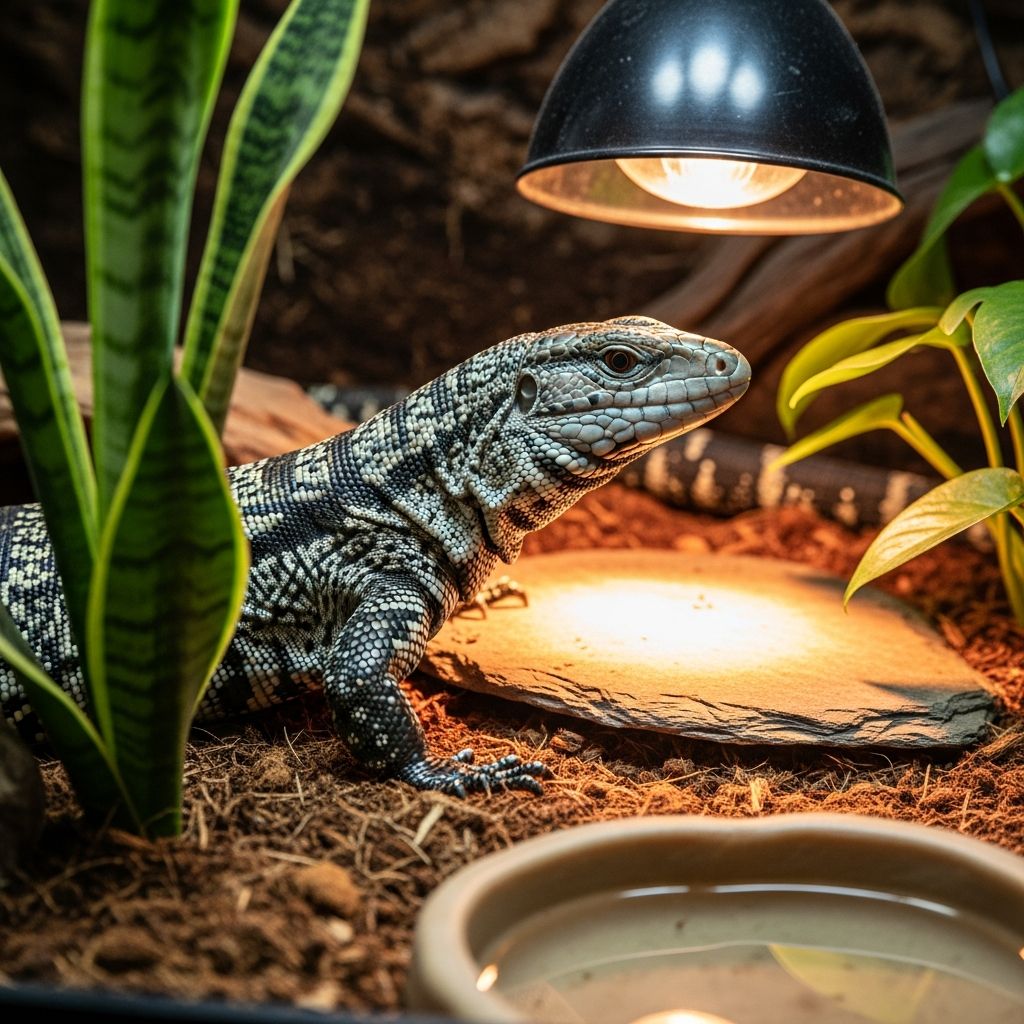
Tegu Basic Care Guide
Tegus are large, active reptiles native to South America that require specialized care to thrive in captivity. These intelligent lizards can live 15-20 years with proper husbandry, making them a significant long-term commitment for potential owners. Whether you’re considering a tegu as a pet or already own one, understanding their fundamental care requirements is essential for ensuring optimal health and well-being.
Housing and Enclosure Requirements
Tegus are ground-dwelling lizards that require substantial space to roam, burrow, and explore. Proper housing is critical to their physical and psychological well-being, as inadequate enclosures can lead to stress, obesity, and behavioral problems.
Enclosure Size Guidelines
Hatchling tegus can initially be housed in 20-gallon aquariums or similarly sized enclosures, though they will quickly outgrow these spaces. As your tegu matures, enclosure requirements increase significantly. Juveniles under 1-2 years old should be moved to 40-gallon tanks or larger, with emphasis on floor space rather than height since tegus are not arboreal climbers. Once tegus reach 1-2 years of age, a custom-built enclosure measuring 6-8 feet in length, 3-4 feet in depth, and at least 3 feet in height is recommended. Adult tegus need even more spacious accommodations to accommodate their active nature and natural behaviors. All enclosures must be sturdy, escape-proof, and equipped with secure locking doors, particularly for aggressive or wild-caught individuals.
Substrate Selection and Management
Tegus are natural burrowers that benefit from substrates that allow them to engage in this instinctive behavior. Recommended substrates include cypress mulch, orchid bark, Repti-bark, eucalyptus mulch, and specialized lizard litter. Substrates should be neither excessively dry nor overly moist, and should be misted lightly to manage dust and humidity levels without becoming sticky or tacky. To prevent intestinal blockage, tegus should be fed in separate dishes or bins rather than directly on particulate bedding. All substrate should be completely changed every two weeks, with daily spot cleaning to maintain hygiene and prevent bacterial growth.
Water Provision
Large, shallow water containers are essential for tegus, allowing them to drink and soak comfortably. Fresh, de-chlorinated water should be provided daily in accessible water dishes. Water should be treated with reptile-safe conditioners such as ReptiSafe or SeaChem Prime to remove chlorine, chloramines, and heavy metals, or sourced through filtration systems. Water bowls should be large enough for tegus to submerge themselves up to their shoulders. Water containers should be changed at least twice weekly and scrubbed with reptile-safe disinfectant weekly or more frequently if soiled.
Temperature and Heating
Tegus require warm environments to support proper metabolism and digestion. Maintaining appropriate temperature gradients throughout the enclosure allows tegus to thermoregulate effectively.
Basking Temperature Requirements
A basking spot temperature of 100-110°F (37-43°C) is necessary for tegus to properly warm their bodies. A large basking area is essential to accommodate the tegu’s size and allow even body heating. The basking spot should be positioned on one end of the enclosure to create a temperature gradient, with cooler areas available for thermoregulation.
Heat Sources and Equipment
Heat can be provided through various methods including under-tank heaters, ceramic heat emitters, or heat tape controlled by a thermostat. A surge protector with a digital timer helps maintain consistent day-night cycles and prevents overheating. All heating equipment should be installed safely to prevent burns and ensure even heat distribution throughout the enclosure.
Lighting Considerations
UVB lighting requirements for tegus differ from many other reptiles. Tegus fed whole-prey diets typically do not require ultraviolet B radiation for proper calcium metabolism. However, if dietary calcium intake is insufficient, UVB supplementation becomes necessary. ReptiSun 5.0 bulbs are recommended when UVB lighting is implemented, providing exposure during daylight hours. The addition of UVB lighting serves as a preventative measure against calcium deficiencies that can result from improper diet.
Humidity and Moisture Control
Native to the rainforests of South America, tegus require elevated humidity levels to maintain proper respiratory and integumentary health. Humidity should be maintained between 70-80% relative humidity, which can be monitored using a hygrometer.
Methods for Maintaining Humidity
Multiple strategies can be employed to achieve appropriate humidity levels. Large water bowls or bins provide passive humidity through evaporation. Misting systems or foggers offer automated humidity control in large enclosures. Manual misting of the enclosure 2-3 times daily, combined with moist topsoil substrates, effectively raises and maintains humidity. Humidifiers designed for reptile enclosures represent another option for large custom setups. Twice-weekly soaks in lukewarm water aid in shedding and provide essential hydration and exercise.
Feeding and Nutrition
Tegus have diverse dietary requirements that vary significantly by age and size. Providing appropriate nutrition is crucial for growth, reproduction, and longevity.
Hatchling Feeding Protocols
Hatchlings should be fed daily with emphasis on gut-loaded insects as the dietary foundation. Appropriate insects include crickets, dubia roaches, giant mealworms, and earthworms. Small amounts of boiled or cooked eggs and fish can supplement the diet for variety. Fruits should be offered alongside insects to provide enrichment and nutritional diversity. When tegus reach sufficient size, commercial options like Reptilinks can be introduced as balanced dietary components.
Juvenile Feeding Schedule
Tegus under 3 years old should be fed every other day until reaching sexual maturity and adult size. Those under 2 years old can be fed 3-4 times weekly as they approach maturity. The juvenile diet should continue emphasizing large insects, cooked or boiled egg whites, fish pieces, earthworms, dubia roaches, giant or super mealworms, and crickets. A variety of fruits and vegetables should be offered alongside insects. Reptilinks represent an excellent balanced option readily accepted by juveniles.
Adult Feeding Requirements
Adult tegus over 2 years old should be fed once weekly, with meal frequency adjusted based on body condition. Obese tegus require less frequent feeding than underweight individuals. Adult diets should primarily consist of large insects, supplemented with low-fat items such as egg whites, crayfish, and fish. Pieces of cooked chicken or small mice can occasionally be offered for enrichment and training purposes. Adult feeding composition should follow a ratio of approximately 60% protein, 30% vegetables, and 10% fruit, with each meal sized approximately to the tegu’s skull.
Commercial and Alternative Dietary Options
Commercial diets provide convenient alternatives to whole prey feeding. Mazuri Carnivore supplemented with Mazuri Tortoise diet is recommended, while Reptilinks brand products offer excellent nutritional balance. Lean ground turkey can complement the diet when not constituting the primary food source. Commercial options should be integrated with whole prey items to maintain dietary diversity and natural feeding behaviors.
Supplementation Requirements
Calcium powder supplements with low or no D3 and multivitamin powders are essential for preventing nutritional deficiencies. Supplements should be dusted on insects or sprinkled on food 1-2 times monthly to avoid excessive supplementation, which can be as problematic as insufficient intake. Careful attention to supplement labels ensures appropriate D3 levels for your tegu’s specific needs.
Enrichment and Behavioral Needs
Tegus are intelligent, active lizards requiring environmental enrichment to promote natural behaviors and prevent stress-related health issues.
Digging and Burrowing Opportunities
Dig boxes are essential enclosure features allowing tegus to express natural burrowing instincts and work out excess energy. These can be constructed using cement mixing tubs or similar containers filled with appropriate substrate. Burrowing provides crucial physical exercise and mental stimulation.
Swimming and Soaking
Tegus are excellent swimmers requiring regular water exposure for exercise and enrichment. Twice-weekly soaks in large bins or pools provide aquatic enrichment opportunities. Lukewarm water at appropriate temperatures aids in shedding and hydration. Supervision during soaking sessions is important, as tegus can hold their breath for extended periods.
Climbing Surfaces and Hiding Areas
While not highly arboreal, tegus benefit from horizontal climbing surfaces and low-level branches positioned at safe angles to accommodate their climbing ability. Hide boxes are essential for all tegus, particularly those without natural burrowing substrate, providing security and stress reduction. These features represent important enrichment elements promoting natural behaviors.
Sensory Enrichment
Straw and hay additions to the enclosure provide novel sensations and smells during digging and walking. Logs, branches, caves, and plants create complex environments encouraging exploration and natural activity patterns. Varied environmental features prevent boredom and promote psychological well-being.
Handling and Socialization
Tegus can become tame and bond with their caretakers through consistent, gentle handling. Proper handling techniques ensure safety for both the tegu and keeper.
Taming Techniques
When taming tegus, avoid direct eye contact and sudden hand movements. Maintain gentle, calm demeanor with soft vocalizations to avoid startling your pet. An effective taming method involves taking your tegu into a small room like a bathroom, then sitting quietly while allowing it to roam freely. As your tegu becomes accustomed to your presence, it will gradually climb onto you. Regular practice of this technique promotes bonding and trust development.
Safe Handling Practices
Never grab tegus from above, as this triggers predatory threat responses. Instead, scoop from below to approach your tegu safely. Support as much of the body as possible during handling to prevent injury and provide security. Start with short handling sessions and gradually extend duration as your tegu becomes comfortable. Return your tegu to its enclosure only when calm to reinforce positive associations with handling.
Health Monitoring and Calcium Deficiency Prevention
Regular health monitoring helps identify problems early. While UVB lighting is not strictly required for tegus on whole-prey diets, improper feeding can lead to calcium deficiencies and metabolic bone disease. Watch for signs of weakness, swelling, or abnormal behavior indicating nutritional problems. Ensuring proper diet, appropriate supplementation, and optional UVB exposure prevents most nutritional deficiencies in captive tegus.
Common Care Mistakes to Avoid
Several common errors compromise tegu health and well-being. Undersized enclosures restrict natural behaviors and contribute to stress and obesity. Improper humidity levels lead to respiratory issues and shedding problems. Feeding tegus on particulate bedding risks impaction and intestinal blockage. Unattended water soaks can result in drowning despite tegus’ breath-holding abilities. Inadequate hiding spaces and enrichment cause chronic stress.
Frequently Asked Questions
Q: What is the lifespan of a tegu in captivity?
A: Tegus can live 15-20 years with proper husbandry, making them long-term commitments requiring consistent care and appropriate housing throughout their lives.
Q: Can tegus be housed together?
A: Generally, tegus should be housed individually to prevent aggression and stress. Adult males are particularly territorial and may injure cage mates.
Q: How often should I clean my tegu’s enclosure?
A: Spot cleaning should occur daily, while complete substrate changes are recommended every two weeks. Water containers require changing at least twice weekly with weekly disinfection.
Q: Are tegus dangerous to humans?
A: Tegus can bite if threatened or mishandled, particularly wild-caught or aggressive individuals. Proper handling technique and socialization minimize bite risk in captive-bred tegus.
Q: What should I do if my tegu seems stressed?
A: Ensure adequate space, appropriate temperatures, proper humidity, and sufficient enrichment. Minimize handling if stress signs appear and provide secure hiding areas for refuge.
Q: Can tegus eat vegetables and fruits?
A: Yes, fruits and vegetables should be offered regularly alongside insects, particularly for juveniles and as dietary variety for adults, though they should not constitute the primary diet.
References
- Tegu Care — Chicago Exotics Animal Hospital. 2024. https://www.exoticpetvet.com/tegu-care.html
- Tegu Lizard Housing and Care Information — Reptiles Magazine. 2024. https://reptilesmagazine.com/tegu-lizard-housing-and-care-information/
- Argentine Tegu Care Sheet and Bioactive Maintenance — The Bio Dude. 2024. https://www.thebiodude.com/blogs/lizard-caresheets/argentine-tegu-care-sheet-and-bioactive-maintenance
- Argentine Tegu Care Sheet — DubiaRoaches.com. 2024. https://dubiaroaches.com/blogs/lizard-care/argentine-tegu-care-sheet
- Black & White Tegu Care Sheet — Tails and Scales. 2024. https://tailsandscales.ca/pages/black-white-tegu-care-sheet
- Tegu Care Sheet — TeguTalk Community Forum. 2024. https://www.tegutalk.com/threads/tegu-care-sheet.7704/
- Argentine Tegu (Salvator spp.) Care Sheet — ReptiFiles. 2020. https://reptifiles.com/wp-content/uploads/2020/08/Argentine-Tegu-Care-Sheet-PDF.pdf
Similar Articles








Read full bio of medha deb


