

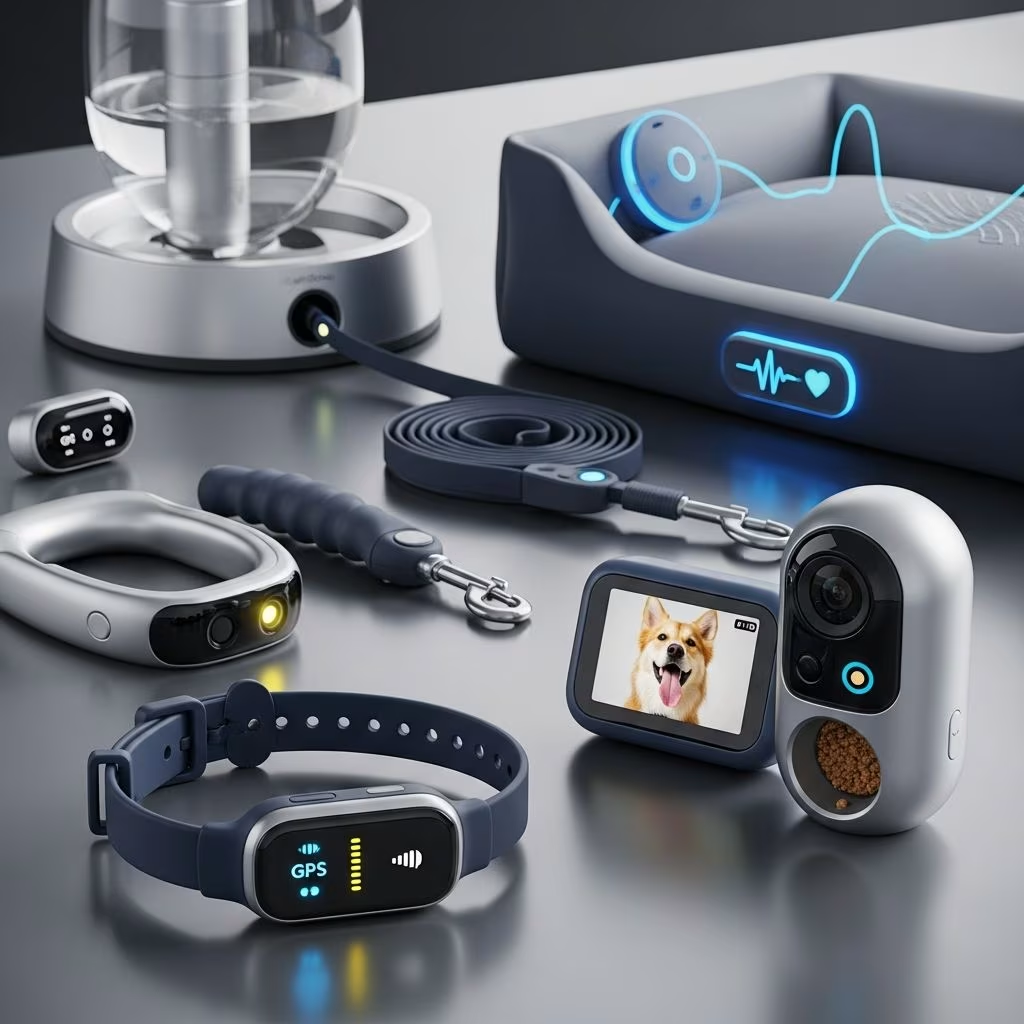
In 2026, technology has transformed dog ownership, offering tools that monitor health, ensure security, and provide endless entertainment. From wearable devices that track vital signs to automated systems that manage daily routines, these innovations help owners stay connected and proactive about their pets’ needs. This article explores key categories of dog tech, highlighting how they contribute to a safer and more enjoyable life for your furry friend.
Advanced Tracking and Location Devices
GPS-enabled collars and tags have evolved into sophisticated systems that not only pinpoint your dog’s location but also monitor activity levels and alert you to potential escapes. These devices use satellite technology combined with cellular networks for real-time updates, ensuring you know your dog’s whereabouts even in remote areas.
- Real-time positioning: Devices like modern smart collars provide instant location data via apps, with geofencing features that notify you if your dog leaves a designated zone.
- Activity insights: Many trackers log steps, distance traveled, and sleep patterns, helping owners spot irregularities early.
- Battery efficiency: Latest models boast extended life, often lasting weeks on a single charge, with low-battery warnings.
For active dogs, these tools offer peace of mind during hikes or park visits, preventing loss and enabling quick recovery if they wander off.
Wearable Health Monitors for Early Detection
Smart collars and harnesses now serve as personal health hubs, continuously tracking vital signs such as heart rate, respiration, temperature, and even stress levels. Powered by AI, these wearables analyze data patterns to predict illnesses before symptoms appear, allowing for timely veterinary intervention.
| Feature | Benefit | Example Use Case |
|---|---|---|
| Vital signs tracking | Detects anomalies like elevated heart rate | Alerts owner to possible heatstroke during hot weather |
| Behavior analysis | Identifies changes in activity or appetite | Flags early arthritis signs through reduced movement |
| Integration with vets | Shares data directly with clinics | Enables remote consultations based on real-time metrics |
These devices shift pet care from reactive to preventive, potentially extending lifespan by catching issues like heart conditions or infections early.
Automated Feeding and Hydration Systems
Smart feeders dispense precise portions on schedules or via app control, incorporating cameras to monitor eating habits. They prevent overfeeding, reduce waste, and even accommodate multiple dogs with portion recognition technology. Paired with connected water fountains, they ensure fresh hydration while tracking consumption to flag dehydration risks.
- Portion control for weight management.
- Remote dispensing for busy owners.
- Video feeds to observe mealtime behavior.
Owners report improved obedience and health outcomes, as consistent nutrition supports better energy levels and coat quality.
Smart Access Doors and Home Integration
Pet doors with RFID or biometric recognition allow dogs in and out safely, locking out strays and wildlife. Advanced models use ultra-wideband tech for proximity detection, opening only when your dog approaches within a set distance. Integration with smart home systems enables voice commands or automated routines based on your arrival.
Key advantages include:
- Weatherproof designs that prevent drafts.
- Safety mechanisms to avoid pinching paws.
- Activity logs for monitoring outdoor time.
These doors promote independence for dogs while giving owners control over access, ideal for potty breaks without constant supervision.
Interactive Toys and Robotic Companions
Robotic toys and companions keep dogs mentally stimulated when alone, using AI to learn play preferences and dispense treats. Ball launchers, puzzle feeders, and even quadruped robots mimic natural play, reducing boredom-induced behaviors like chewing furniture.
| Device Type | Engagement Method | Benefits |
|---|---|---|
| Automatic ball launchers | Motion-activated launching | Hours of fetch without owner fatigue |
| AI treat dispensers | App-controlled rewards | Training reinforcement remotely |
| Robotic playmates | Chasing and herding simulation | Combats separation anxiety |
Innovations like these foster stronger bonds and support behavioral health, especially for high-energy breeds.
Smart Crates and Safety Enclosures
Connected crates monitor internal conditions, including temperature, air quality, and your dog’s comfort. Features like live video, two-way audio, and emergency alerts ensure safety during travel or alone time at home. Geofencing ties crate functions to your location, automatically adjusting lighting or ventilation upon your approach.
Benefits for anxious dogs include:
- Smoke and CO detection with instant notifications.
- Behavior tracking to assess crate training progress.
- Privacy modes that tint windows for calm.
These enclosures turn containment into a high-tech haven, prioritizing welfare over mere confinement.
Voice-Activated and Camera Surveillance Systems
Home cameras with pet-specific AI distinguish dog activities from background noise, sending tailored alerts for barking, scratching, or inactivity. Voice commands via assistants like Alexa allow treat dispensing or play initiation, making interaction seamless.
- Pan-tilt-zoom for full yard coverage.
- Night vision for 24/7 monitoring.
- Cloud storage for reviewing events.
Such systems deter intruders and provide reassurance, with footage aiding in training adjustments.
Future Trends in Canine Technology
Looking ahead, expect biometric advancements like facial recognition for collar-free identification and AI-driven predictive health apps. Robotic security dogs, already patrolling commercial spaces, may enter homes for yard surveillance. Integration with 5G and Matter standards promises smoother smart home ecosystems.
Challenges remain, such as data privacy and device costs, but falling prices and improved batteries signal broader adoption. Veterinary partnerships will likely expand, embedding tech in routine checkups.
Frequently Asked Questions
What is the best GPS tracker for dogs in 2026?
Top picks include collars with geofencing and long battery life, prioritizing waterproofing and app reliability for urban and rural use.
Are smart feeders worth the investment?
Yes, they excel in portion control and remote access, particularly for multi-pet homes or owners with irregular schedules.
How do health wearables detect illness early?
By monitoring baselines for vitals and behavior, AI flags deviations like irregular heart rates, prompting vet visits.
Can robotic toys replace human playtime?
They supplement but not replace interaction; use them for mental stimulation during absences to prevent destructive habits.
Is smart door tech secure against intruders?
RFID and app-locked models prevent unauthorized access, with some featuring tamper alerts and integration with home security.
References
- Top Robotics Security Dog Benefits and Innovations 2026 — Woobotec. 2026-01-01. https://www.woobotec.com/blog/top-robotics-security-dog-benefits-and-innovations-2026/
- Pet Tech from CES2026: Smart Safety Crate System — SecurityInfoWatch.com / YouTube. 2026-01-01. https://www.youtube.com/watch?v=XyFgV-1Bd1s
- Revolutionizing Care: Top Pet Industry Innovations to Watch in 2026 — Revelation Pets. 2026-01-01. https://www.revelationpets.com/blog/top-pet-industry-innovations-to-watch-in-2026
- 5 Top Pet Tech Trends to Watch at CES 2026 — Cheerble. 2026-01-01. https://cheerble.com/blogs/cheerble-blog/5-top-pet-tech-trends-to-watch-at-ces-2026
- Robot Dog Patrols Data Centers — Fortune. 2026-03-17. https://fortune.com/2026/03/17/robot-dog-patrols-data-centers-ai-infrastructure-buildout/



