
Tech-Sniffing Dogs Combat Digital Crime
Discover how electronic detection K9s are revolutionizing the fight against child exploitation by sniffing out hidden digital evidence with unmatched precision.
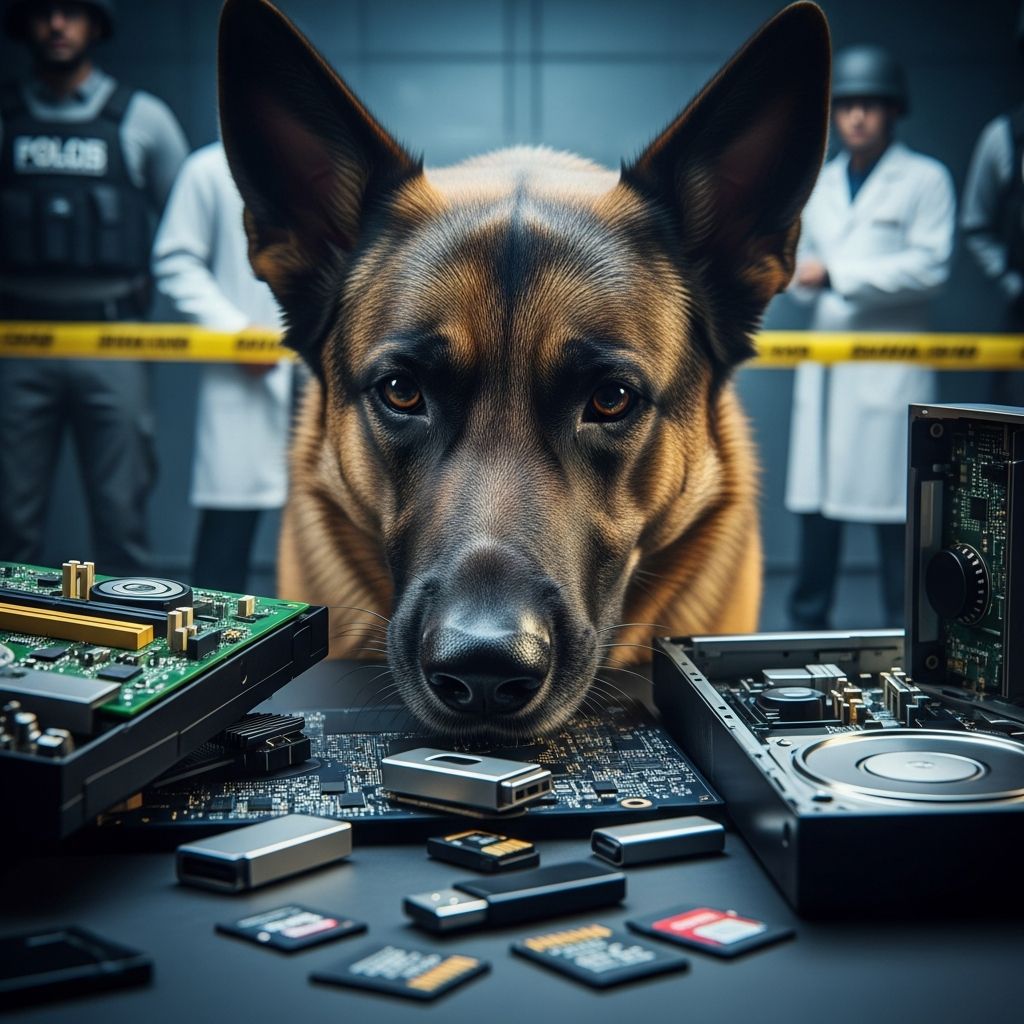
Canines have long served as invaluable partners in law enforcement, detecting everything from narcotics to explosives. In recent years, a specialized breed of working dog has emerged: the electronic storage detection K9, or ESD dog. These remarkable animals use their extraordinary sense of smell to identify chemical signatures unique to digital devices, playing a pivotal role in uncovering evidence related to child exploitation and human trafficking.
The Rise of ESD K9s in Modern Investigations
The demand for ESD dogs has surged as digital crimes proliferate. Criminals increasingly rely on small, concealable electronic storage media—such as microSD cards, USB drives, and smartphones—to store illicit material. A single microSD card can contain hundreds of thousands of images or videos, each potentially representing a victim. ESD dogs target the trace chemicals, like TPPO (a compound used on memory chips to prevent overheating), that permeate these devices regardless of their size or hiding spot.
Unlike human forensic teams, who may spend days sifting through cluttered spaces or vast data troves, these dogs can pinpoint hidden items in minutes. They search homes, vehicles, offices, and even outdoor areas, ignoring everyday electronics until commanded to work. This precision stems from rigorous conditioning that focuses solely on target odors.
How ESD Dogs Detect Invisible Threats
Dogs possess olfactory capabilities 10,000 to 100,000 times more sensitive than humans, allowing them to detect odors at parts per trillion. ESD training hones this ability on specific volatile organic compounds (VOCs) emitted by electronics. Key targets include TPPO, which is prevalent in modern memory chips.
- SD Cards and MicroSDs: Often smaller than a fingernail, these hold massive data volumes and are easily concealed in walls, furniture, or appliances.
- USB Drives and Phones: Common carriers of illegal content, hidden in vehicles or clothing.
- Hidden Cameras: Installed in private spaces like bathrooms to capture victims unknowingly.
Handlers deploy dogs with simple commands: “seek” prompts the search, a sit indicates a hit within a 3-foot radius, and “show me” directs the dog to pinpoint the exact location, often narrowing it to inches.
Training the Digital Hunters
ESD K9 programs demand months of intensive preparation. Puppies as young as a few months old begin scent imprinting, progressing to operational simulations. Training spans 4-5 months initially, followed by ongoing maintenance.
| Training Phase | Duration | Focus |
|---|---|---|
| Imprinting | 4-6 weeks | Introduce target odors like TPPO using controlled samples. |
| Handler Bonding | 2 weeks | Pair dog with officer; build trust and communication. |
| Environmental Proofing | Ongoing | Test in homes, cars, outdoors (rain, snow); ignore distractions. |
| Maintenance | Daily | Hide devices 2+ times/day; reward only on finds to sustain drive. |
Food motivation is central: dogs eat only after successful detections, ensuring peak performance. Programs like those from the National Computer Forensics Institute (NCFI) and U.S. Secret Service certify teams for deployment. Providers such as Jordan Detection K9 pre-train dogs for seamless handler integration.
Real-World Impact: Saving Lives Through Evidence
ESD dogs have revolutionized cases. In child exploitation raids, they locate devices criminals discard or stash in unreachable spots—inside walls, under floorboards, or submerged. One trainer notes that finding a single microSD with 200,000-300,000 images equates to rescuing thousands of victims from obscurity.
Organizations like kNot Today have placed 11 ESD K9s since 2021, partnering with Internet Crimes Against Children (ICAC) task forces. These dogs extend beyond storage detection to uncover surveillance devices, protecting victims in real-time.
- Accelerated searches: Clear a house in hours vs. days.
- Higher recovery rates: Find items humans overlook.
- Psychological edge: Deter suspects knowing dogs can sniff anywhere.
Historical Milestones in ESD Development
The concept traces to 2013 when Selma, the first ESD K9, was trained by Connecticut State Police. A forensic chemist isolated key compounds, enabling targeted training. Pioneers like Dr. Jack Hubbal advanced the science, proving dogs could differentiate electronics odors from ambient noise.
Today, Labrador Retrievers dominate due to their temperament and scent prowess, though other breeds excel. Dual-purpose training adds therapy roles, comforting victims post-search.
Challenges and Innovations in Deployment
ESD work isn’t without hurdles. Overloaded environments with personal gadgets could distract, but precise conditioning prevents false alerts—dogs activate only on command. Underwater and extreme weather training expands versatility.
Innovations include courses from Adlerhorst International, tailoring detection to prohibited devices. Future enhancements may target emerging tech like encrypted chips or AI hardware.
Dual Roles: Detection and Emotional Support
Many ESD K9s serve double duty as therapy dogs. After intense searches, they comfort children and families, easing trauma. This holistic approach strengthens community trust in law enforcement.
Expanding Programs Across Agencies
Federal initiatives, like Secret Service-NCFI partnerships, equip state and local teams nationwide. Non-profits like Defenders for Children and kNot Today fund placements, growing the fleet rapidly. Demand outpaces supply, with only dozens operational despite thousands needed.
FAQs
What chemicals do ESD dogs detect?
Primarily TPPO and other VOCs in memory chips, present in SD cards, phones, and drives.
How accurate are these dogs?
Extremely, with alerts narrowing searches to inches; false positives minimized through proofing.
Can ESD dogs find devices in water?
Yes, trained for submerged and adverse conditions.
Which breeds make the best ESD K9s?
Labradors are preferred for drive and nose, but others succeed.
How do ESD programs get funded?
Via non-profits, grants, and agency budgets; e.g., kNot Today funded 11 since 2021.
Future of ESD K9s in Digital Forensics
As data storage shrinks and crimes digitize, ESD dogs offer irreplaceable speed and sensitivity. Integrating with AI forensics could amplify impacts, ensuring these “digital hunters” remain frontline warriors against exploitation.
References
- Saving Children With Electronic Detection Dogs | #GunnerDogs — Gunner. Accessed 2026. https://gunner.com/blogs/pack/saving-children-with-electronic-detection-dogs-gunnerdogs
- Inside the Electronic Detection Dog Program – YouTube — U.S. Secret Service / NCFI. Accessed 2026. https://www.youtube.com/watch?v=gxCJRC2P7co
- Electronic detection K9s: the newest weapon in the fight against … — IACIS. 2023. https://iacis.org/iis/2023/4_iis_2023_40-50.pdf
- Electronic Odor Detection Course — Adlerhorst International, LLC. Accessed 2026. https://adlerhorst.com/course/electronic-odor-detection-course/
- Electronic Storage Detection K9 — Jordan Detection K9. Accessed 2026. https://www.jordandetectionk9.com/electronics-detection
- About our ESD K9’s — kNot Today. Accessed 2026. https://knottoday.org/z-home-archived/about-our-esd-k9s/
- About ED K9s — Defenders For Children. Accessed 2026. https://www.defendersforchildren.org/about-ed-k9s
Similar Articles








Read full bio of Sneha Tete




