

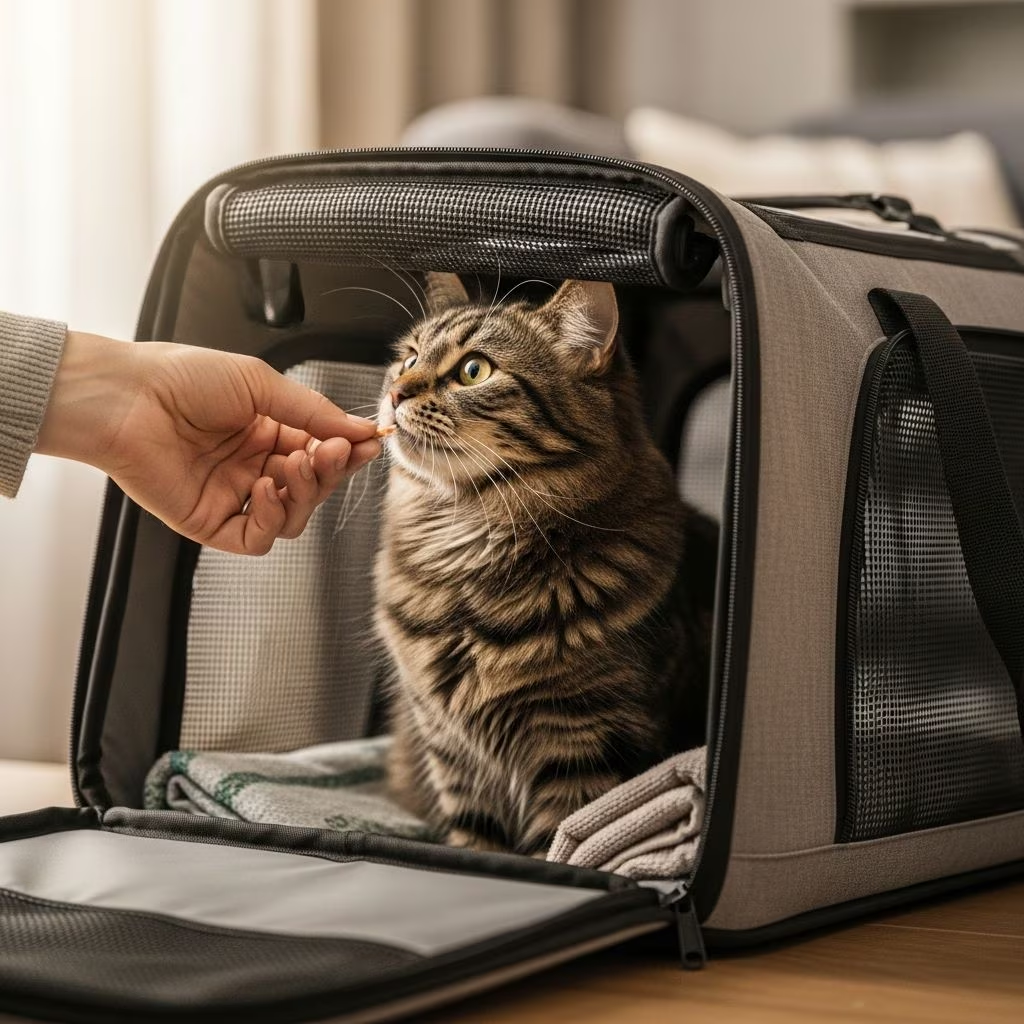
A cat carrier is an essential tool for every cat owner, enabling safe transport to veterinary appointments, emergencies, or travel adventures. Unlike dogs that may enjoy car rides, many cats view carriers as sources of dread, associating them with stressful vet visits. However, with patience and positive reinforcement techniques, you can transform the carrier into a comforting haven your cat willingly enters. This comprehensive guide outlines the ideal carrier selection, detailed step-by-step training process, and expert tips to ensure successful, stress-free journeys for your feline companion.
Why Train Your Cat for the Carrier?
Training your cat to love their carrier isn’t just convenient—it’s crucial for their safety and well-being. Carriers protect cats during car travel by preventing distractions to the driver and shielding them from sudden stops or accidents. In emergencies, a familiar carrier allows quick, calm evacuation. Regular vet visits become less traumatic when the carrier evokes positive associations rather than fear. According to animal welfare experts, cats that are carrier-trained experience significantly lower stress levels, measured by reduced cortisol and calmer behavior during transport.
Positive reinforcement builds trust, turning potential battles into willing entries. Cats are creatures of habit; associating the carrier with meals, treats, and play rewires their instincts from aversion to anticipation. This process benefits multi-cat households too, as each pet learns independently, preparing for group travel if needed. Ultimately, carrier training enhances your bond, making pet parenthood smoother and safer.
Choosing the Right Carrier
Selecting an appropriate carrier is the foundation of successful training. The ideal carrier is sturdy, secure, and sized perfectly for your cat. Opt for hard-sided plastic models with metal doors, as plastic doors can break under pressure from a determined cat. Soft-sided carriers suit small cats or airline travel but may not contain larger, stronger felines who can unzip or claw through fabric.
Size matters: the carrier should allow your cat to stand, turn around comfortably, and lie down without excess space that permits excessive movement during travel. For most adult cats, dimensions around 18-24 inches long, 10-12 inches wide, and 12-16 inches high work well. Features like removable tops or fleece liners simplify vet exams and cleaning. Always inspect for defects: check latches, hinges, and vents to ensure no loose parts pose risks.
| Carrier Type | Pros | Cons | Best For |
|---|---|---|---|
| Hard-Sided Plastic | Durable, secure metal door, easy to clean | Heavier, bulkier | Car travel, vet visits |
| Soft-Sided | Lightweight, portable, airline-friendly | Less secure for escape artists | Small cats, short trips |
| Top-Loading | Easy vet access, no door stress | May leak scents | Nervous or injured cats |
Pro tip: Choose carriers with your cat’s scent already on them, like familiar bedding, to boost initial comfort.
Preparing the Carrier Environment
Before training begins, make the carrier inviting. Place it in a quiet, familiar spot where your cat already lounges, such as near their favorite window or bed. Prop the door open wide with a secure prop to prevent accidental snaps. Line the bottom with soft, absorbent bedding infused with your cat’s pheromones—spray Feliway® inside, a synthetic feline pheromone proven to reduce anxiety.
Add enticing elements: a favorite toy, crinkle blanket, or catnip sprinkle. Cover three sides with a lightweight towel or blanket to create a den-like security, mimicking wild hiding spots. Avoid strong scents like new plastics; air out the carrier for days beforehand. This setup transforms the carrier from an alien object into an extension of their safe territory.
Step-by-Step Training Guide
Training progresses gradually over days or weeks, matching your cat’s pace. Use high-value rewards: tiny bits of tuna, commercial treats, or their kibble if food-motivated. Consistency is key—repeat sessions daily, keeping them short (5-10 minutes) to avoid overwhelm.
Step One: Introduction and Proximity Feeding
- Position the carrier in your cat’s hangout spot with door propped open.
- Place comfy bedding, toys, and Feliway® inside.
- Feed meals starting far from the carrier if past trauma exists; gradually inch the bowl closer over meals.
- Once eating comfortably beside it, praise softly and offer treats for sniffing or peeking in.
This builds voluntary curiosity without force. Monitor body language: relaxed ears and tail mean progress; hissing or swatting signals to slow down.
Step Two: Feeding Inside the Carrier
- When your cat dines confidently at the entrance, slide the bowl just inside.
- Over 3-7 meals, push it deeper until they fully enter to eat.
- Feed every meal in the carrier to forge strong positive links.
- Scatter treats randomly inside throughout the day for self-discovery.
Your cat now views the carrier as a food station, overriding fears. If resistance arises, revert to proximity feeding.
Step Three: Closing the Door and Movement
- With meals inside, gently close the door for 1-2 minutes while they eat; speak soothingly.
- Extend closure to 5-10 minutes, rewarding through bars.
- Practice short lifts or drags around the room; pair with treats.
- Graduate to car acclimation: sit in parked car, idle engine, then brief drives (5-10 minutes), building duration.
Drive practice desensitizes to motion, engine noise, and new smells. Always end on a high note with play or pets.
Tips for Multi-Cat Households
Traveling with two cats requires double carriers unless they snuggle comfortably together. Train each separately first, then joint short trips. Pack extras: litter, food, water bowls. Pre-trip vet checks ensure health. Use calming aids like pheromone diffusers in the car.
Common Challenges and Solutions
Not all cats progress linearly. If stalled:
- Fearful cats: Use active luring with wand toys in a secure room; bottom-half only initially.
- Escape attempts: Secure door with zip ties temporarily; never punish.
- Motion sickness: Consult vet for meds; short, frequent trips.
- Slow learners: Backtrack steps; enlist professional behaviorists if needed.
Patience yields results—some cats take months, but persistence pays off.
Final Travel Tips
- Cover during travel: Blanket blocks visuals, muffles sounds for security.
- Never open en route: Wait for enclosed spaces to avoid escapes.
- Ongoing maintenance: Continue occasional meals inside to sustain positivity.
- Prep for long trips: Practice full simulations; secure carrier with seatbelts.
- Airline rules: Check carrier compliance; under-seat sizes often required.
With these strategies, carrier time becomes a neutral or positive routine, ensuring safe, happy travels.
Frequently Asked Questions (FAQs)
What if my cat hates the carrier despite training?
Revert to earlier steps, use vet-recommended anti-anxiety aids, or consult a certified behaviorist. Some cats need professional intervention.
How long does training take?
1-4 weeks for most; patient, daily sessions accelerate success. Every cat varies.
Can kittens be trained this way?
Yes, start early for lifelong ease. Use kitten-sized carriers initially.
Is Feliway® worth it?
Studies show it reduces stress markers; ideal for anxious cats.
What about car sickness?
Short trips build tolerance; vet meds if persistent.
References
- Teaching Your Cat to Ride in a Carrier — ASPCApro. 2020-06-01. https://www.aspcapro.org/sites/default/files/resource/downloads/2020-2020-06/aspca-teaching-cats-to-ride-in-carriers.pdf
- How to Train Your Cat to Love Their Carrier — Ontario SPCA. 2025-11-30. https://ontariospca.ca/blog/how-to-train-your-cat-to-love-their-carrier/
- How to Travel with Your Cat — ASPCA Pet Insurance. Accessed 2026. https://www.aspcapetinsurance.com/resources/traveling-with-cat/



