

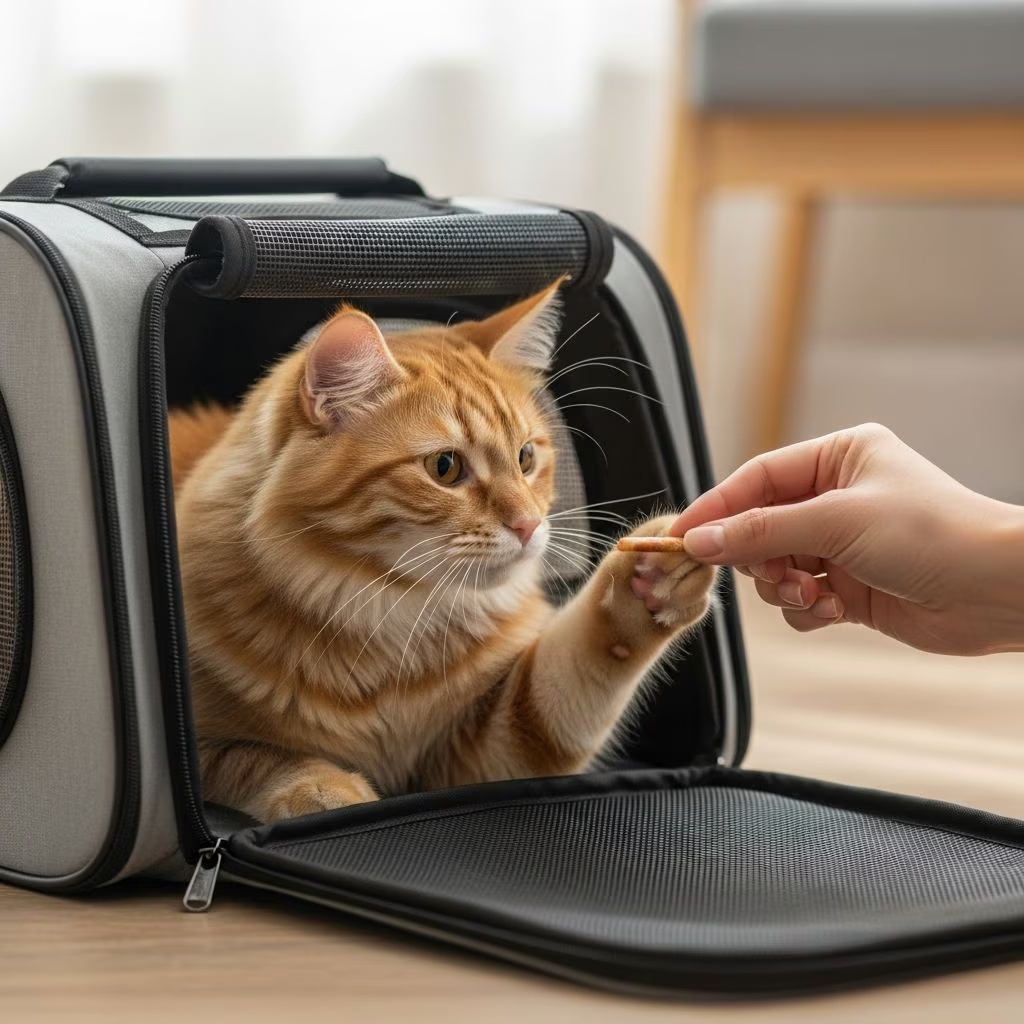
A cat carrier is an essential tool for every cat owner, enabling safe transport to veterinary appointments, emergencies, or travel destinations. The right approach transforms the carrier from a source of dread into a comforting haven, reducing stress for both cat and owner. This comprehensive guide outlines the ideal carrier types and a structured training program based on positive reinforcement techniques proven effective by animal welfare experts.
Why Carrier Training Matters
Many cats associate carriers with negative experiences like vet visits, leading to anxiety, vocalization, and resistance during loading. Proactive training builds positive associations, making future trips smoother. According to ASPCA resources, cats trained gradually show significantly less stress during confinement and transport. Training also prepares for unexpected events, ensuring your cat remains secure. Patience and consistency are key, as each cat progresses at its own pace—some adapt in days, others over weeks.
Choosing the Right Carrier
Select a carrier that prioritizes safety, comfort, and ease of use. Sturdy plastic models with metal doors are recommended, as plastic doors can break under pressure. Soft-sided carriers suit smaller cats or short trips but may not contain determined escape artists due to zippers. The carrier must allow your cat to stand, turn around, lie down, and stretch comfortably without excess space that could jostle during travel.
- Size guidelines: Measure your cat’s length from nose to tail base; add 50% for ideal length. Height should accommodate sitting upright.
- Features to seek: Removable top or lid for easy vet access, secure latches, ventilation on multiple sides.
- Inspect thoroughly: Check for sharp edges, loose parts, or defects that could harm your pet.
Top-loading carriers facilitate easy entry for nervous cats, while side doors work for confident ones. Line with familiar bedding scented by your cat to enhance comfort.
Preparation Before Training
Before starting, gather supplies: high-value treats (e.g., tuna flakes, commercial cat treats), your cat’s regular meals, cozy bedding or towel, Feliway® spray (a synthetic feline pheromone that reduces stress), and a blanket for covering during travel. Choose a quiet, secure room free from distractions. Ensure the carrier is clean and odor-free. If your cat has carrier trauma, proceed extra slowly.
| Item | Purpose |
|---|---|
| High-value treats | Positive reinforcement for entering carrier |
| Familiar bedding | Comfort and scent familiarity |
| Feliway® spray | Stress reduction via pheromones |
| Blanket/towel | Covering for security during transport |
Step-by-Step Training Guide
The training follows a progressive desensitization method, pairing the carrier with rewards to build trust. Divide into distinct phases, advancing only when your cat shows full relaxation (e.g., eating calmly, no dilated pupils or tail flicking).
Step One: Introduce the Carrier
Place the carrier in a familiar, low-traffic area where your cat lounges, like near their bed or window perch. Prop the door open securely. Add soft bedding, a favorite toy, and spray with Feliway®. Toss treats inside sporadically to encourage sniffing.
- Position your cat’s food bowl just outside the carrier entrance.
- Feed meals there daily. If hesitant, start farther away and inch closer over meals until eating comfortably at the threshold.
- Observe body language: relaxed ears, slow blinks indicate readiness for next steps.
This phase typically takes 3-7 days. Goal: Cat approaches and inspects carrier voluntarily.
Step Two: Feed Meals Inside the Carrier
Once eating relaxedly at the door, slide the bowl halfway in. Over subsequent meals, push it deeper until your cat must enter fully to eat. Feed every meal inside now.
- Leave surprise treats or toys inside throughout the day for self-exploration.
- Use a secure room if needed to prevent hiding post-meal.
- For multi-cat homes, train separately to avoid competition.
Your cat should now enter eagerly at mealtime, associating the carrier with abundance. This builds neural pathways linking carrier to positivity.
Step Three: Practice Closing the Door
With your cat eating inside, gently close the door for 1-2 minutes. Stay nearby, speaking soothingly. Open before distress signs appear. Gradually extend to 5-10 minutes across sessions.
- Feed through the door gaps if possible.
- Once calm with closure, lift and carry the carrier short distances in-home, rewarding heavily upon release.
Monitor for stress: panting, excessive meowing, or urine spraying warrant regression to prior step.
Step Four: Simulate Travel
Escalate realism: Place carrier in car (engine off), then idle engine. Progress to short drives (5-10 minutes), building duration. Cover with a breathable blanket to mimic den-like security, blocking visuals.
- Drive to positive destinations first, like a park sniff session.
- Always end with play or treats.
- For two cats, use separate carriers and joint short trips.
Practice weekly to maintain comfort. Full acclimation may take 2-4 weeks.
Tips for Success and Common Challenges
Patience is paramount: If stalled, revert one step and rebuild. Rushing amplifies fear.
- Cover during travel: Reduces stimulation, promoting sleep-like calm.
- Never open en route: Wait for secure indoors to prevent escapes.
- Ongoing maintenance: Continue occasional meals inside between trips.
- Senior or special needs cats: Consult vets for meds if anxiety persists; consider pheromone collars.
- Multiple cats: Individual training prevents bullying; double supplies.
Challenges like escape attempts? Opt for secure latches. Vomiting? Shorten sessions, use motion-sickness aids post-vet consult.
Safety During Actual Travel
Secure carrier with seatbelts or on flat floor. Avoid heat extremes—temps above 80°F or below 45°F risk health. Hydrate pre-trip; use absorbent pads for accidents. For flights, check airline policies early.
Frequently Asked Questions (FAQs)
What if my cat hates the carrier despite training?
Regress steps, consult a certified behaviorist. Some benefit from vet-prescribed anti-anxiety aids.
How long does training take?
1-4 weeks typically; unique to each cat’s history and temperament.
Can kittens be trained this way?
Yes, start early for lifelong ease. Use kitten-sized carriers initially.
Soft vs. hard carriers: which is best?
Hard-sided for safety/long trips; soft for portability/short use.
What about car sickness?
Short drives first; vet may suggest meds. Fast pre-trip, offer ice cubes.
With dedication, your cat will eagerly enter their carrier, turning travel into ‘Happy Travels!’ moments.
References
- Teaching Your Cat to Ride in a Carrier — ASPCApro. 2020-06-01. https://www.aspcapro.org/sites/default/files/resource/downloads/2020-2020-06/aspca-teaching-cats-to-ride-in-carriers.pdf
- How to Train Your Cat to Love Their Carrier — Ontario SPCA. 2025-11-30. https://ontariospca.ca/blog/how-to-train-your-cat-to-love-their-carrier/
- How to Travel with Your Cat — ASPCA Pet Insurance. Accessed 2026. https://www.aspcapetinsurance.com/resources/traveling-with-cat/



