

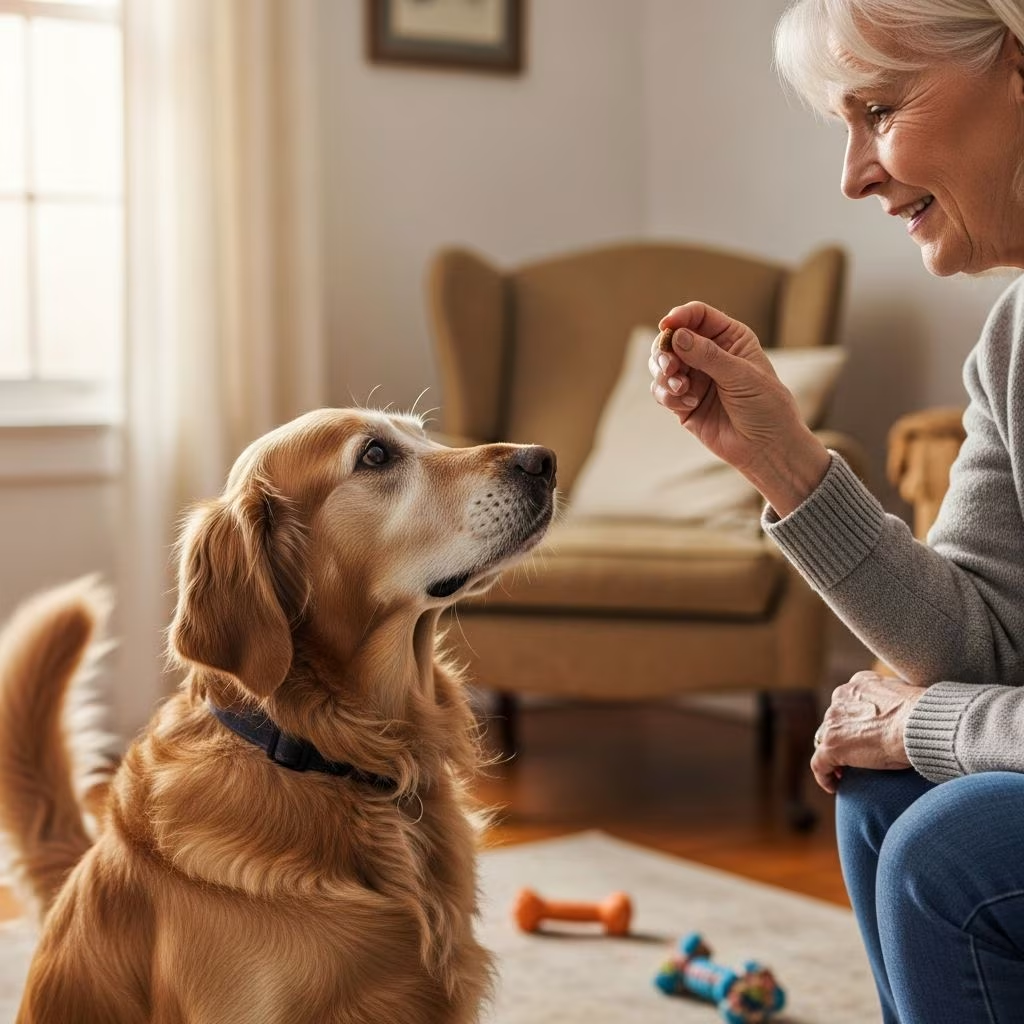
Teaching Old Dogs New Tricks: A Senior Dog Training Guide
The saying “you can’t teach an old dog new tricks” is a common misconception that couldn’t be further from the truth. Senior dogs are absolutely capable of learning new behaviors, commands, and tricks, regardless of their age. In fact, training your older dog can be one of the most rewarding experiences you and your furry companion can share together. Beyond just learning new skills, trick training provides senior dogs with essential mental and physical stimulation, helping to keep their minds sharp, their bodies active, and strengthening the bond between you and your beloved pet during their golden years.
The key to successfully teaching an old dog new tricks lies in understanding their unique needs, limitations, and capabilities at this stage of their life. Unlike puppies or younger adult dogs, senior dogs may have different physical abilities, cognitive processing speeds, and health considerations that require a thoughtful, patient approach to training. By adapting your training methods to suit your aging dog’s specific situation, you can help them continue to learn, grow, and enjoy enriching activities throughout their senior years.
Why Train Your Senior Dog?
Training isn’t just for puppies or young dogs seeking to master obedience or compete in dog sports. Senior dogs benefit tremendously from continued mental and physical engagement. Regular training sessions provide cognitive stimulation that helps maintain brain function as dogs age, potentially reducing the risk of cognitive decline. Additionally, trick training serves as a form of gentle exercise that can be tailored to your dog’s current physical capabilities, keeping them active without overexertion.
Beyond the physical and mental benefits, training your senior dog offers emotional advantages for both you and your pet. Training sessions create dedicated bonding time, increase your dog’s confidence, and can help reduce anxiety or behavioral issues that sometimes emerge in older dogs. These sessions give your senior companion a sense of purpose and accomplishment, making their later years more enriching and fulfilling.
Important Considerations Before You Start
Before beginning any training program with your senior dog, it’s essential to assess their overall health status and discuss your training plans with your veterinarian. Your vet can identify any physical limitations, joint issues, vision or hearing loss, or other health concerns that might affect your training approach.
Physical Health Assessment
Senior dogs often experience age-related physical changes that directly impact their ability to perform certain tricks. Common issues include arthritis, hip dysplasia, muscle weakness, and reduced flexibility. If your dog has joint issues or muscle disorders, tricks requiring jumping, repetitive movements, or pressure on the joints may cause discomfort or injury. Instead, focus on tricks that promote slower, more deliberate movements that won’t strain their aging body.
Sensory Changes
Many older dogs experience declining vision and hearing as they age. If your dog has sight problems, you’ll need to rely more heavily on verbal cues and physical proximity during training. For dogs with hearing loss, consider using hand signals, visual cues, or even vibration-based training methods to communicate what you’re asking of them. Some owners successfully transition dogs from voice commands to visual signals when hearing becomes an issue.
Cognitive Considerations
While senior dogs remain good learners, their cognitive processing may slow compared to younger dogs. This means they may need more time to understand new concepts and will benefit from increased repetition. Older dogs may also experience confusion more easily, so it’s important to keep training sessions short, focused, and free from overwhelming stimuli or distractions.
Patience and Positive Reinforcement: The Foundation of Senior Dog Training
Patience is absolutely critical when training senior dogs. Your dog may not master a new trick immediately, and that’s completely normal and expected. Unlike puppies with developing brains, senior dogs have established neural pathways that take longer to modify. Embrace the repetition process—revisiting commands and tricks multiple times helps senior dogs recall information more effectively and builds their confidence.
Positive reinforcement is the most effective and humane training method for dogs of any age, but it’s especially important for seniors. Reward-based training reduces pressure on your dog, makes learning exciting rather than stressful, and fosters a positive emotional connection to training sessions. When your dog looks forward to training time as a fun, rewarding activity rather than a chore or source of anxiety, they’re more likely to remain engaged and eager to learn.
Breaking Down Tricks into Smaller Steps
Complex tricks should be broken down into smaller, manageable steps. For example, if you’re teaching the “bow” trick, start by rewarding your dog for simply lowering their front end toward the ground, then gradually shape the behavior toward the complete bow position. This step-by-step approach prevents confusion and allows your senior dog to experience frequent success and rewards, building their confidence with each small accomplishment.
Choosing High-Value Rewards
Not all treats or praise are created equal in your dog’s mind. Identify what truly motivates your senior dog—whether it’s special high-value treats, verbal praise and enthusiasm, favorite toys, or simply your affection and attention. The reward should be practically irresistible and desirable enough to capture and maintain your dog’s focus during training. This ensures they’re genuinely motivated to repeat desired behaviors.
Starting Your Training Program
Begin with What They Already Know
If your senior dog hasn’t engaged in formal training for a while, start by reviewing and reinforcing basic commands they learned earlier in life. Commands like “sit,” “down,” “stay,” and “come” serve as excellent primers that rebuild your dog’s confidence and remind them of the training process. This approach has the added benefit of refreshing their memory on skills they’ve already mastered, which provides a sense of accomplishment before moving on to new material.
Build Upon Existing Skills
Once your dog has reviewed the basics, you can expand upon skills they’ve already mastered. For instance, if your dog knows “sit,” you can build on this foundation by teaching “shake a paw” or “high five.” This graduated approach increases your dog’s confidence while keeping them mentally engaged. It also demonstrates to your dog that they’re capable of learning, which translates into enthusiasm for new tricks.
Introduce Completely New Tricks
After your senior dog has regained confidence through review and building on established skills, you can begin introducing completely new tricks. The tricks you choose should align with your dog’s physical abilities and current lifestyle needs.
Appropriate Tricks for Senior Dogs
Not all tricks are suitable for senior dogs. When selecting new tricks to teach, prioritize those that are less physically demanding and allow your dog to succeed safely. Here are some excellent trick options for older dogs:
| Trick Category | Examples | Benefits |
|---|---|---|
| Simple Commands | Speak, Kiss, Shake, Touch, Heel | Minimal physical strain, build confidence |
| Gentle Movement Tricks | High Five, Wave, Back Up, Crawl | Low-impact exercise, mental engagement |
| Retrieval Tricks | Get Your Leash, Fetch From Fridge, Retrieve Slippers | Purposeful activity, light exercise |
| Interactive Tricks | Ring a Bell, Cover Up with Blanket, Put Away Toys | Mental stimulation, interactive bonding |
| Positioning Tricks | Bow, Come into My Arms, Push a Ball | Controlled movement, adaptable difficulty |
Additional appropriate tricks include yawning, rolling over, pushing a ball instead of traditional fetch, finding hidden items, and covering themselves with a blanket. The versatility of options means there’s always an appropriate trick that matches your senior dog’s capabilities.
Adapting Training to Your Senior Dog’s Needs
Adjusting for Limited Mobility
If your dog shows discomfort during longer walks or has been advised by your vet to rest more, you can replace half of the traditional walk with other forms of mental and light physical engagement. For example, helping your dog learn to forage in the yard provides sensory stimulation and gentle movement without the strain of long-distance walking.
Compensating for Hearing Loss
For senior dogs experiencing hearing decline, you can teach a “cue transfer” to visual signals for already-learned behaviors. This involves pairing a hand signal with your verbal command, gradually phasing out the verbal command as your dog becomes responsive to the hand signal alone. This adaptation allows your deaf or hard-of-hearing senior dog to continue learning and responding to cues effectively.
Creating Practical Solutions
Training can also address age-related behavioral changes. If your senior dog is requiring more frequent bathroom breaks and your family is tired of wiping muddy paws constantly, teach your dog to spin on a designated towel or mat when coming inside. This practical application of training improves daily life while providing mental and physical engagement.
Target Training: An Ideal Starting Point for Senior Dogs
Target training is an excellent introductory training method for senior dogs and provides a foundation for many other tricks. To begin target training, place a towel between you and your dog. When any part of your dog’s body touches the towel, immediately say “yes” (or use a clicker if you’re clicker training) and reward with a treat. Repeat this process multiple times.
This simple exercise can expand into more complex behaviors like cooperative care for grooming or medical procedures, stationing in specific locations, balance work with rolling towels, or even complex trick sequences. Target training is particularly valuable for senior dogs because it requires minimal movement while building focus, engagement, and the understanding that training is rewarding.
Creating an Effective Training Schedule
Senior dogs thrive with structure and routine, making a consistent training schedule essential. Regular, repeated practice sessions reinforce new skills and help your aging dog retain what they’ve learned. However, training sessions should be shorter and less frequent than those for younger dogs—typically 5-10 minutes per session, several times per week. This prevents fatigue and overexertion while maintaining cognitive engagement.
Schedule training sessions during times when your dog is alert and responsive. Avoid training when your senior dog is tired, in pain, or dealing with medical issues. Always prioritize your dog’s physical comfort and emotional well-being before, during, and after each session.
Common Mistakes to Avoid
Rushing the Process
Patience is non-negotiable with senior dogs. Avoid moving too quickly through training stages or expecting immediate results. Senior dogs need more repetition and time to process new information, so rushing creates confusion and frustration rather than learning.
Choosing Inappropriate Tricks
Never ask your senior dog to perform tricks that could cause injury or discomfort, such as jumping through hoops, running at high speeds, or other movements that stress their aging joints. Always consider your dog’s current physical capabilities when selecting tricks.
Using Punishment-Based Methods
Punishment-based training techniques are unacceptable, especially for senior dogs. These methods create anxiety, damage your relationship with your pet, and are ineffective at producing lasting behavior change. Stick exclusively with positive reinforcement methods.
Ignoring Health Concerns
Never ignore signs of pain, discomfort, or health issues during training. If your dog limps, whines, avoids certain movements, or shows signs of fatigue, stop the session immediately and consult your veterinarian.
The Bigger Picture: Training as Bonding
Ultimately, the goal of training your senior dog should be to enjoy quality time together while providing appropriate mental and physical stimulation. Whether your dog masters the trick or not, they’re receiving exercise suited to their abilities and enjoying dedicated, focused attention from you. This bonding time increases your dog’s affection and loyalty, making their golden years truly special.
Trick training for senior dogs isn’t about achieving perfection or creating a dog that performs on command. It’s about enriching your dog’s life, maintaining their cognitive and physical function, and deepening the bond you share. The joy and confidence your senior dog experiences during these training sessions will benefit them far more than any perfectly executed trick ever could.
Frequently Asked Questions
Q: Can senior dogs really learn new tricks?
A: Yes, absolutely. Dogs are natural learners throughout their entire lives. While senior dogs may take longer to learn new tricks due to slower cognitive processing, they are fully capable of mastering new behaviors and commands with patience and appropriate training methods.
Q: What’s the best age to start training a senior dog?
A: There’s no age limit for learning. You can begin training a senior dog at any time, even if they’ve never been trained before. Start with simple commands and gradually progress to more complex tricks based on your dog’s abilities.
Q: How long should training sessions last for senior dogs?
A: Training sessions should be short and focused, typically lasting 5-10 minutes. Multiple short sessions throughout the week are more effective than fewer, longer sessions, as they prevent fatigue and maintain your dog’s engagement and interest.
Q: What should I do if my senior dog has hearing loss?
A: For dogs with hearing loss, transition from verbal commands to hand signals and visual cues. This process, called cue transfer, allows you to pair visual signals with existing verbal commands before phasing out the verbal component entirely.
Q: How do I know if a trick is too demanding for my senior dog?
A: Consult with your veterinarian about your dog’s physical capabilities and limitations. Avoid tricks involving jumping, repetitive movements, or sustained pressure on joints. Watch for signs of discomfort, limping, or hesitation, which indicate the trick is inappropriate for your dog.
Q: Should I use different rewards for senior dogs?
A: Yes, identify high-value rewards that genuinely motivate your senior dog—whether that’s special treats, enthusiastic praise, favorite toys, or affection. The reward should be desirable enough to maintain focus and encourage repetition of desired behaviors.
Q: What if my senior dog seems confused during training?
A: Confusion is common with senior dogs. Slow down, break tricks into even smaller steps, increase repetition, and ensure you’re being very clear about what you’re asking. Keep sessions very short and practice consistency in your cues and rewards.
References
- How to Teach an Old Dog New Tricks — Purina US. 2024. https://www.purina.com/articles/dog/senior-dog/behavior/teaching-old-dog-new-tricks
- Training Your Dog: You Can Teach an Old Dog New Tricks — Therapy Dogs International. 2024. https://www.therapydogs.com/training-your-dog-at-any-age/
- Can Old Dogs Learn New Tricks? — Humane Society of Missouri. 2024. https://hsmo.org/portfolio-item/can-old-dogs-learn-new-tricks/
- Old Dogs, New Tricks: Why Learning Never Stops — Pet Harmony Training. 2024. https://petharmonytraining.com/old-dogs-new-tricks-why-learning-never-stops/
- Teaching One Word Commands — Cincinnati Lab Rescue. 2024. https://www.cincinnatilabrescue.org/teaching-old-dogs-new-tricks/
- You Can Teach an Old Dog New Tricks — Animal Rescue League of Boston. 2024. https://www.arlboston.org/you-can-teach-an-old-dog-new-tricks/



