Teaching Mature Dogs: Effective Strategies for Senior Canines
Discover proven methods to successfully train your aging dog with patience and proven techniques.
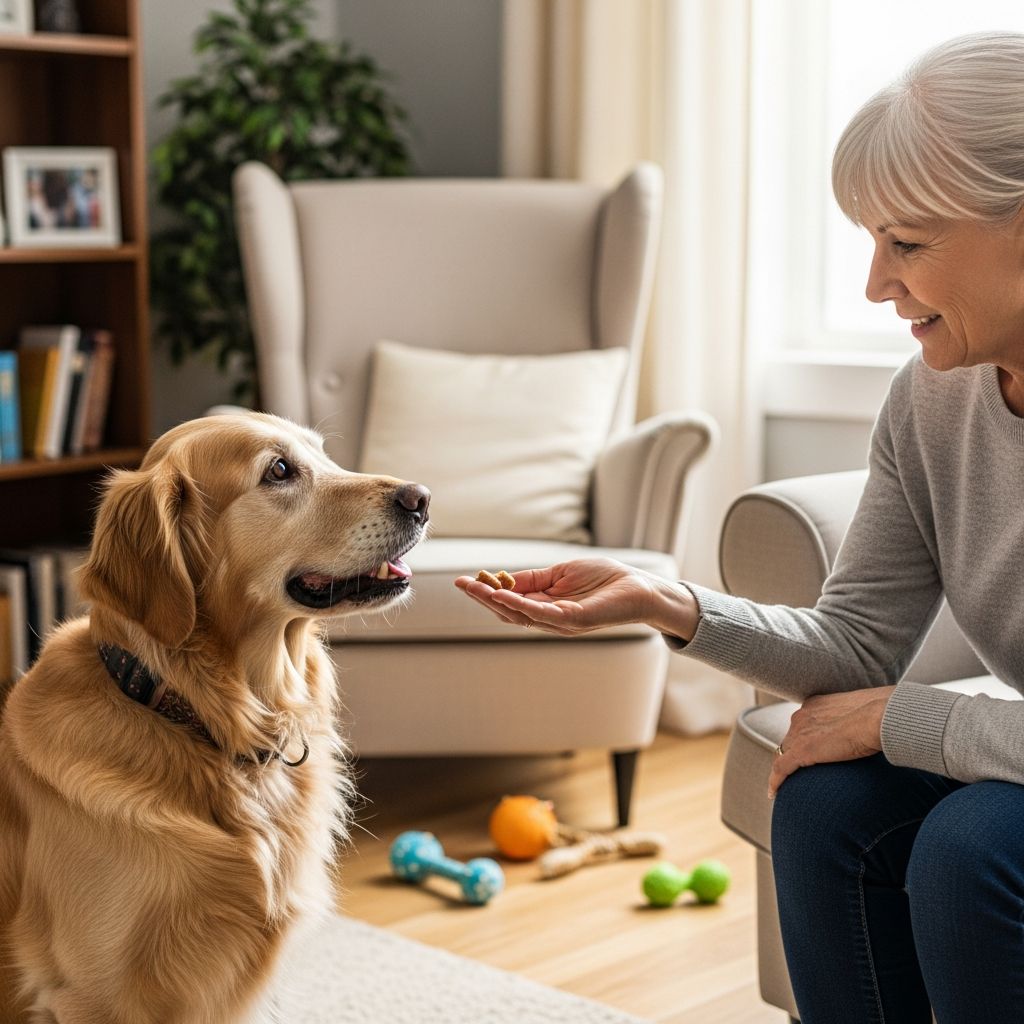
The common saying that you cannot teach an old dog new tricks is fundamentally false. Mature dogs possess remarkable cognitive abilities and demonstrate a genuine capacity to acquire new behaviors, even in their later years. However, training an aging canine requires a fundamentally different approach than working with younger animals. Success depends on understanding the unique physical, cognitive, and behavioral characteristics of senior dogs and tailoring your methods accordingly.
Understanding the Senior Dog Learning Profile
Older dogs bring valuable life experience to training sessions, but they also present distinct challenges that demand patience and strategic adaptation. Unlike puppies whose brains are still developing neurological pathways, senior dogs have established neural patterns from years of experience. This means that while they may not learn as rapidly as younger animals, they often demonstrate superior focus and motivation when properly incentivized.
The primary factors affecting an older dog’s training capacity include their individual learning history, existing physical limitations, and their overall health status. A dog that spent its life receiving consistent training may approach new lessons with greater confidence than one with minimal prior instruction. Additionally, health considerations such as arthritis, hearing loss, or vision changes significantly influence which behaviors are realistic to teach.
Time Management and Session Structure
One of the most critical adjustments when training mature dogs involves restructuring how you allocate training time. Extended sessions that might work for younger dogs become counterproductive with seniors because their attention spans tend to narrow and fatigue accumulates more quickly.
The optimal approach involves breaking training into multiple short sessions rather than attempting comprehensive work in a single block. Research indicates that sessions lasting five to ten minutes, repeated two to three times daily, produce superior outcomes compared to one lengthy session. This frequency provides consistent reinforcement while allowing your dog adequate recovery time between learning episodes.
Creating the Ideal Training Environment
Location selection significantly impacts training success. The optimal training space should be quiet, free from external distractions, and secure. Senior dogs with sensory changes or anxiety around unfamiliar stimuli benefit particularly from controlled environments. Once your dog demonstrates consistent performance in these ideal conditions, you can gradually introduce training in more stimulating environments to reinforce generalization of the behavior.
Recognizing Physical and Cognitive Limitations
Responsible senior dog training requires honest assessment of your individual dog’s capabilities. Physical conditions that create training obstacles must be acknowledged and accommodated rather than ignored. A dog experiencing hip pain will naturally resist repeated sitting motions, regardless of motivation level. Attempting to force compliance in these situations damages the training relationship and causes unnecessary suffering.
Instead, adapt exercises to work within your dog’s physical parameters. This might involve using ramps for dogs with mobility issues, teaching commands from a standing position rather than sitting, or substituting high-impact activities with low-impact alternatives. Mental stimulation remains equally important as physical capability, and many senior dogs maintain sharp cognitive function well into their final years.
The Power of Positive Reinforcement
Positive reinforcement forms the foundation of effective senior dog training. This approach means rewarding desired behaviors with something your dog values, creating positive associations between the command and the outcome. Punishment-based techniques prove particularly counterproductive with older dogs, potentially creating fear and confusion rather than understanding.
High-value rewards work especially effectively with mature dogs because they provide clear motivation for engagement. These might include:
- Premium treats reserved exclusively for training sessions
- Verbal praise delivered with genuine enthusiasm
- Physical affection such as gentle petting or massage
- Favorite toys brought out specifically during training
- Access to preferred activities like car rides or outdoor adventures
When selecting treats, maintain awareness of your dog’s daily caloric intake to prevent overfeeding. A practical guideline suggests limiting training treats to no more than ten percent of total daily calories. Lower-calorie options like small pieces of regular kibble often work just as effectively as premium treats for many dogs.
Building Behavioral Mastery Through Repetition
Senior dogs benefit significantly from consistent, deliberate repetition. Unlike younger animals with rapidly forming neural connections, mature dogs require steady reinforcement to solidify new learning and maintain retention. This means committing to daily training practice rather than sporadic sessions. Skipping training days substantially increases the difficulty level and extends the timeline for skill acquisition.
Progressive training involves teaching skills in deliberately small steps rather than expecting dogs to grasp complete behaviors immediately. When teaching a new command, begin with the simplest possible version and gradually build complexity. For example, when teaching “stay,” initially ask your dog to remain in position for just a few seconds before rewarding. Only after consistent success at this minimal level should you incrementally extend duration.
Selecting Appropriate Training Goals
Senior dogs need not master impressive tricks to live fulfilling lives. Training should focus on behaviors that enhance daily quality of life and safety rather than entertainment value. Practical commands including “sit,” “stay,” “come,” and “leave it” provide tangible benefits for both dog and owner.
When selecting training targets, consider realistic expectations based on your dog’s physical capabilities. Teaching a senior dog with joint problems to perform jumping tricks contradicts sound training principles. Instead, emphasize behaviors that the dog can physically execute comfortably and that directly support household harmony and safety.
Integrating Training Into Daily Routines
The most effective senior dog training weaves instruction seamlessly into existing daily activities rather than treating it as a separate, isolated process. Mealtime provides natural training opportunities where dogs practice behaviors before receiving their regular food. Walking routines offer chances to reinforce leash manners and heel commands. Indoor enrichment activities provide mental stimulation while maintaining physical comfort.
This integration approach serves multiple purposes. It distributes training throughout the day in naturally occurring intervals, prevents boredom, and demonstrates to your dog that training exists within normal life rather than as a separate, unusual activity. When training becomes woven into daily existence, your dog remains engaged and motivated across multiple contexts.
Managing Timing and Responsiveness
Effective training requires understanding how dogs perceive and process information. Dogs operate in the present moment, learning and responding based on immediate circumstances. This means timing your reinforcement with precision. When your dog displays desired behavior, the reward must follow immediately—within seconds—for the association to solidify.
Additionally, repetition of commands proves unnecessary and counterproductive. Dogs typically hear and understand a command the first or second time; repeating it multiple times teaches them to ignore initial requests and respond only to persistent demands. This shift in understanding transforms the entire training dynamic and improves communication clarity.
Preparing Your Senior Dog for Training Success
Before beginning formal training sessions, prepare your dog physically and mentally. For dogs prone to distraction or lacking initial focus, preliminary exercise through walking or gentle play can help release excess energy and establish a more receptive mental state. A slightly fatigued but not exhausted dog often demonstrates superior focus compared to an overstimulated animal.
Desensitization to training equipment also supports success. If your dog receives anxiety around collars, leashes, or other training tools, spend time allowing them to become familiar with these items in non-threatening contexts before incorporating them into formal training.
Household Consistency and Communication
Training effectiveness multiplies substantially when all household members employ identical terminology, gestures, and reinforcement strategies. If one person uses “come here” while another says “come,” confusion results. Inconsistent reinforcement—where some family members reward a behavior while others ignore or punish it—undermines learning.
Establish household training agreements where everyone understands and implements the same protocols. This unified approach accelerates learning and prevents behavioral confusion that could damage your dog’s confidence during learning.
Mental Enrichment Beyond Formal Training
While structured training sessions provide intentional skill-building, mental stimulation through play and enrichment activities maintains cognitive vitality. Food puzzles that challenge dogs to work for treats, scent games that engage natural instincts, and practicing familiar commands in novel locations all contribute to sustained mental engagement. Interactive toys offering intermittent rewards provide stimulation throughout the day without requiring intensive owner involvement.
This multifaceted approach to mental engagement supports brain health, prevents behavioral deterioration, and keeps older dogs actively engaged with their environment and relationships.
Recognizing Progress and Celebrating Small Wins
Senior dog training success often manifests gradually through small incremental improvements rather than dramatic transformations. Celebrating these minor victories maintains motivation for both trainer and trainee. When your aging dog looks at you on command, successfully walks beside you without pulling, or exhibits any improvement in target behavior, recognize and reward that progress.
This practice serves multiple purposes: it reinforces desired behavior, strengthens the training relationship, and builds confidence in both dog and handler. Over time, these accumulated small successes combine to create substantial behavioral change.
When to Modify or Stop Training
Attentive observation of your dog during training sessions remains essential. Physical or mental fatigue signals warrant immediate cessation of training for that session or several hours until your dog has rested. Pushing an exhausted senior dog damages the training relationship and potentially causes physical harm.
Similarly, health issues that emerge during training—such as increased limping, panting, or reluctance to continue—necessitate modification or termination of that particular activity. Your dog’s wellbeing always takes priority over training goals.
References
- Dog Training for Seniors: How to Teach an Old Dog New Tricks — K9s Place. https://k9splace.com/blog/training/dog-training-for-seniors-how-to-teach-an-old-dog-new-tricks/
- 10 Senior Dog Training Tips — Black Paw Dog Training. https://blackpawdogtraining.com/senior-dog-training/
- Dog Training: Obedience Training for Older Dogs — Purina US. https://www.purina.com/articles/dog/behavior/training/older-dog-obedience-training
- 7 Effective Dog Training Methods – For Old Dogs and New Dogs — Best Friends Pet Care. https://bestfriendspetcare.com/7-effective-dog-training-methods-for-old-dogs-new-dogs/
- A Complete Guide to Training an Older Dog — Woofz. https://www.woofz.com/blog/training-an-older-dog/
- Can You Teach an Old Dog New Tricks? Senior Dog Training Tips — Hill’s Pet Nutrition. https://www.hillspet.com/dog-care/training/senior-dog-training-can-you-teach-an-old-dog-new-tricks
- The Importance of Training Your Senior Dog — American Kennel Club. https://www.akc.org/expert-advice/health/training-your-senior-dog/
Similar Articles





Read full bio of Sneha Tete