

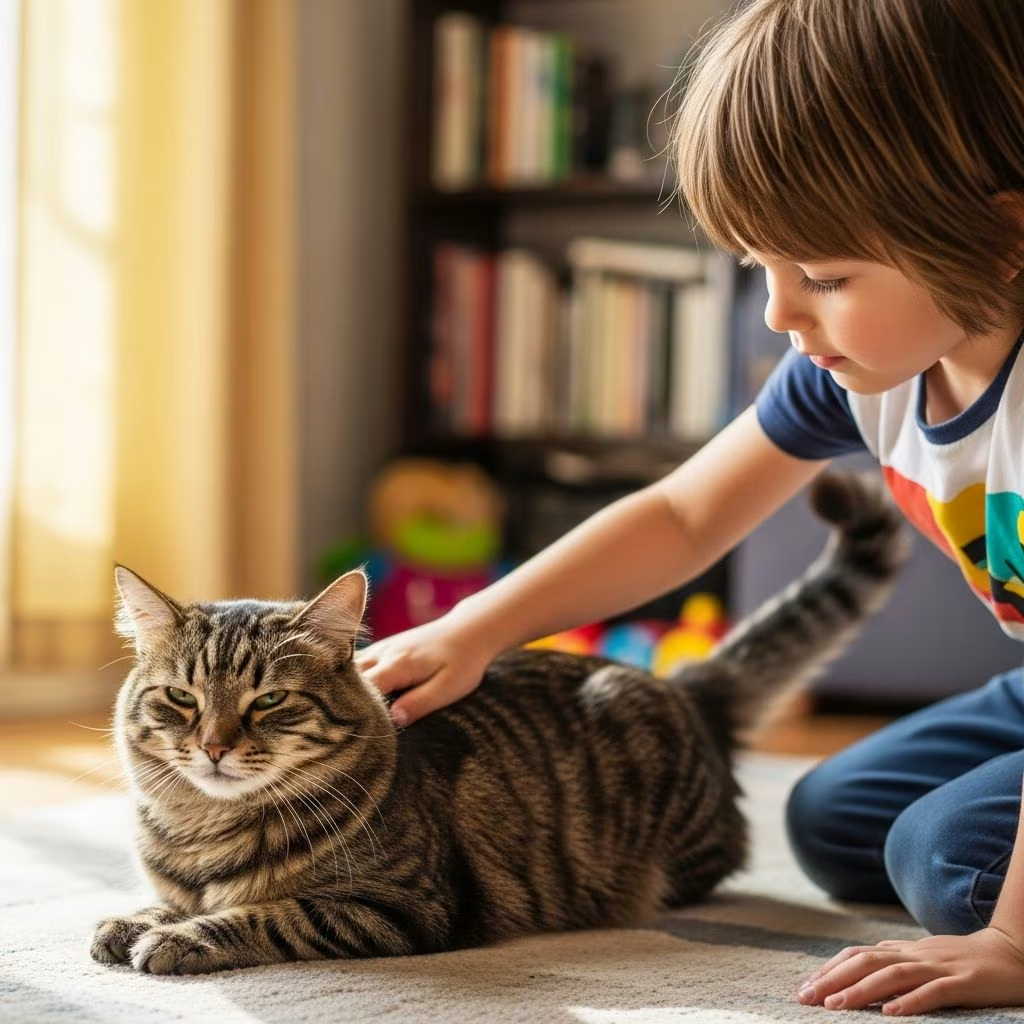
Teaching Kids to Handle Cats Safely: A Complete Guide
Introducing children to cats can be one of the most rewarding experiences for a family, but it requires patience, proper guidance, and a clear understanding of how to create a safe environment for both the child and the cat. Many parents wonder how to teach their children to interact with cats in ways that protect both the pet and the child from potential harm. The key lies in establishing clear boundaries, understanding feline behavior, and maintaining consistent supervision throughout all interactions. By following evidence-based guidelines and fostering mutual respect between children and cats, families can build lasting, positive relationships that benefit everyone.
Understanding Why Proper Handling Matters
Children naturally want to touch, cuddle, and play with cats, but without proper guidance, these well-intentioned interactions can lead to stress for the cat and potential injuries for the child. Cats have distinct communication signals and boundaries that differ significantly from human social norms. When children understand these differences and learn to recognize feline body language, they develop empathy for animals and gain confidence in their interactions. Proper handling techniques also reduce the risk of scratches and bites while creating a foundation for a positive relationship that can last a lifetime. Teaching kids to handle cats correctly is not just about preventing accidents; it’s about fostering a culture of respect and understanding toward all living creatures.
Age-Appropriate Guidelines for Different Developmental Stages
The way you teach your child to handle a cat should depend on their age and maturity level. Younger children require more direct supervision and simpler rules, while older children can understand more nuanced concepts about cat behavior and emotions.
Toddlers and Preschoolers (Ages 1-4)
For the youngest children, the primary goal should be teaching them that it is safe to simply share space with a cat without physical contact. At this age, it is unrealistic to expect a close bond between your child and cat. Instead, focus on creating a foundation of comfort and safety. Young children are naturally active, noisy, and unpredictable in their movements, which can frighten cats. The expectation should be that interactions remain primarily “hands off” unless the cat clearly seeks attention. Use physical barriers like gates or pens to prevent young children from crawling toward or chasing the cat, and always maintain close supervision during any shared space time.
Early School Age (Ages 5-8)
Children in this age group can begin to understand basic rules about cat respect and can participate in supervised play. They are better able to follow instructions and comprehend cause-and-effect relationships. This is an ideal time to introduce wand toys like feather wands or cat charmers, which allow interaction while maintaining safe distance. Teach them to read basic cat body language signals and to understand when a cat wants to be left alone. Supervision remains essential, and interactions should still be guided by an adult who can redirect inappropriate behavior immediately.
Older Children and Teenagers (Ages 9+)
Older children can develop more sophisticated understanding of cat behavior, emotions, and preferences. With parental support and supervision, some older children may be able to learn proper holding techniques or engage in more complex interactive play. However, even teenagers should be reminded that each cat has individual preferences and comfort levels, and they must respect these differences. This age group can also begin taking on responsibilities like feeding, grooming, or litter box maintenance under parental guidance.
Establishing Clear Handling Rules for All Children
Regardless of age, certain fundamental rules should apply to all children interacting with cats:
- Never attempt to pull a cat out of a hiding place or cat den
- Do not touch or interact with cats while they are eating food or chewing on an edible item
- Never interrupt or interact with a cat while it is using the litter box
- Never attempt to interact with a cat while it is sleeping
- Never attempt to lay on the cat
- Young children should never attempt to pick up a cat, as this can cause injury to both child and cat
- No hitting, pulling, pushing, or yelling at the cat under any circumstances
- Never hug or kiss the cat, as this can trigger defensive responses
Reading and Respecting Cat Body Language
One of the most important skills you can teach your child is how to recognize and respect feline body language signals. Cats communicate their comfort level and emotional state through distinct physical cues, and teaching children to recognize these signals helps prevent negative interactions and builds empathy. When a cat’s ears are swiveled to the side, pupils are dilated, or tail is twitching, these are clear signs of discomfort and stress. If you observe any of these signals, immediately instruct your child to step away from the cat. Conversely, when a cat nudges a child’s hand, leans into them, or solicits more petting, these positive signals indicate the cat is comfortable with the interaction. Help your child understand that an arched back might indicate defensiveness, while a cat lying on its back may show calmness and receptiveness to gentle handling. By teaching children to observe and respect these communication signals, you empower them to respond appropriately to the cat’s needs.
Proper Petting Techniques and Duration
When a cat approaches your child and solicits attention, teach your child how to pet gently and appropriately. The most sensitive areas on a cat’s body include the belly, paws, face, mouth, and nose. Encourage your child to focus on gentler areas like the head, cheeks, and back. A beneficial technique is to allow petting for approximately three seconds, then pause to reassess the cat’s body language before continuing. This gives the cat control over the interaction and prevents overstimulation, which can lead to scratches or bites. Teach your child that when a cat walks away, the interaction should end immediately. This teaches the cat that it can control the interaction and your child that respecting boundaries is essential.
Using Toys for Safe Interactive Play
Playing with toys is one of the best ways for children and cats to interact while maintaining physical safety. Always provide your child with wand-type toys like cat charmers or feather wands, as the long handles create distance between the child’s hands and the cat’s teeth and claws. These toys mimic prey movement and tap into the cat’s natural hunting instincts in a controlled way.
Never allow your child to manually engage the cat with small toys such as glitter balls or toy mice, as this brings hands and faces too close to the cat’s mouth and claws. If your cat prefers small toys, gather them in a basket and have your child toss them across the room for the cat to chase. This provides engagement while maintaining safety. After playtime, remind your child to give the cat plenty of time and space to calm down before attempting further interaction. Cats in prey mode may treat a hand offered for petting as something to hunt rather than a friendly gesture, potentially resulting in scratches or bites.
Encouraging Positive Interaction Styles
Passively Sharing Space
One of the most underrated but valuable forms of interaction is simply sharing space without requiring physical contact. Teach your children and cat to be relaxed while coexisting without pressure for engagement. Set up activities where each has something to do separately in the same room—perhaps your child is doing art at a table while the cat plays with a treat-dispensing toy on the opposite side. This builds comfort and familiarity while respecting the cat’s autonomy.
Learning by Example
Children learn best from watching their caregivers and siblings handle the cat. Demonstrate calm, gentle interactions yourself and let your child observe how you respect the cat’s boundaries. When you model appropriate behavior, your child naturally learns to replicate it. When multiple children are learning together, they often encourage and support each other, making the learning experience feel like play rather than instruction.
Building Empathy Through Conversation
Regularly talk with your child about how the cat might be feeling in various moments. Explain that cats have emotions and boundaries just like humans. When you observe the cat’s back arching in a defensive posture, explain that the cat is feeling scared. When the cat is lying relaxed, discuss how calm and receptive it appears. This ongoing dialogue helps your child develop genuine empathy and emotional intelligence regarding animal welfare.
The Critical Role of Supervision
Supervision is non-negotiable when children interact with cats, particularly during the first several meetings. Never leave young children alone with cats, as cats may react unpredictably to sudden movements or loud noises. Your presence allows you to guide interactions, provide immediate feedback, and intervene if necessary to prevent accidental harm to either party. Active supervision means being present and engaged, ready to redirect behavior before problems occur rather than only reacting after something goes wrong. This vigilant approach helps prevent accidents and fosters trust between your children and your cat.
Creating Safe Spaces for Your Cat
Cats need refuge areas where they can retreat when interactions become overwhelming. Designate safe spaces such as a quiet room, high perch, cat tree, or cozy bed that is strictly off-limits to children when the cat is using it. These safe spaces are essential for reducing stress and allowing your cat to regulate interactions. Ensure your children understand and respect these boundaries. Never allow young children to follow the cat into their safe room to seek interaction. As an adult, you can quietly spend time in this space while allowing the cat to choose whether to interact, but keep activities low-stress and low-volume. Reading or listening to a podcast with headphones are ideal bonding activities that don’t pressure the cat.
Maintaining Cat Health for Child Safety
Regular claw maintenance is an important safety measure. Trimmed nails significantly reduce the risk of accidental scratches during handling or play. Ask your veterinarian about appropriate nail trimming schedules and techniques. Additionally, teach your children never to touch a cat’s paws or face directly, as these sensitive areas are more likely to trigger defensive scratches. Spaying or neutering your cat is another important health consideration, as unneutered or unspayed cats may exhibit more aggressive behavior. Neutering and spaying reduce hormonal tendencies that contribute to aggression and can make cats more docile and child-friendly.
Teaching Responsibility and Care
As children grow older, involve them in the care of your cat to develop responsibility and empathy. Age-appropriate tasks might include helping with feeding, gentle grooming, refreshing water bowls, or assisting with litter box maintenance under supervision. These activities build connection with the cat, teach children about animal care, and instill a sense of responsibility. When children feel invested in the cat’s wellbeing, they naturally become more respectful and careful during interactions.
Hygiene and Health Considerations
Instruct your children to wash their hands after playing with the cat to minimize the risk of allergies or illness transmission. This practice also establishes good hygiene habits from an early age. Keep cat care supplies and litter boxes in areas where young children cannot access them without supervision, and ensure harmful substances are kept securely away from both children and cats.
Cat-Proofing Your Home
While childproofing is essential, don’t overlook cat-proofing your home. Secure heavy objects that can be knocked over by active children or cats, hide electrical cords that might tempt cats to chew, and keep toxic substances out of reach. A well-organized home reduces stress for everyone and prevents accidents.
Handling Challenging Situations
Despite your best efforts, situations may arise where your child and cat aren’t getting along as hoped. If your child’s first attempt at petting isn’t well-received, resist the urge to micromanage or panic. Allow your child to build confidence through gentle experience. If genuine conflicts arise—such as the cat consistently avoiding your child or showing signs of stress—work with a veterinary behaviorist to address underlying issues. Remember that not all cats are equally comfortable with children, and that’s normal. Your role is to facilitate the best possible relationship within the cat’s comfort zone.
Building Long-Term Positive Relationships
Creating a positive relationship between your child and cat is a process that unfolds over time. The foundation you build during early interactions—emphasizing respect, gentle handling, and clear boundaries—sets the stage for a lifelong bond. Celebrate small successes, remain patient with setbacks, and continuously reinforce positive behaviors. When your child learns that the cat responds positively to gentle, respectful behavior, they develop confidence and genuine affection for their feline companion.
Frequently Asked Questions
Q: At what age can children start learning to handle cats?
A: Even toddlers can begin learning about cats through supervised observation and gentle proximity, though hands-off interaction is recommended until ages 5-8 when they can better understand and follow safety rules. The specific age depends on the individual child’s maturity level and ability to follow instructions.
Q: What should I do if my cat scratches or bites my child?
A: First, clean the wound promptly with soap and water to prevent infection. Then, assess what triggered the reaction—was the child not respecting boundaries, or was the cat showing warning signs that weren’t heeded? Use the incident as a teaching moment rather than punishing either the child or cat. Increase supervision and reset expectations for interactions.
Q: How can I tell if my cat is stressed by my child’s interactions?
A: Signs of cat stress or anxiety include ears swiveled to the side, dilated pupils, tail twitching, growling, defensive postures, hiding, or attempting to escape. If you observe these signals, immediately separate your child from the cat and allow the cat to retreat to a safe space.
Q: Is it ever appropriate for children to pick up cats?
A: Young children should never attempt to pick up cats due to the risk of dropping them or causing injury. Teenagers with parental support and supervision may be able to hold some cats, depending on the cat’s individual comfort level. Always teach proper holding technique that keeps the cat’s body supported and prevents escape.
Q: What are the best toys for children to use when playing with cats?
A: Wand toys with long handles, such as feather wands or cat charmers, are ideal because they maintain distance between the child’s hands and the cat’s claws. Avoid small toys that children might use with their hands, as these bring faces and fingers too close to the cat’s mouth.
References
- Children and Cats — Wisconsin Humane Society. Accessed January 14, 2026. https://www.wihumane.org/behavior/ask-the-experts/cat-behavior/children-and-cats
- 10 Tips for Keeping Your Children Safe When You Have Cats — Best Pet Parent and Animal Hospital. Accessed January 14, 2026. https://www.bppah.com/10-tips-for-keeping-your-children-safe-when-you-have-cats/
- A Guide to Teaching Your Children How to Safely Handle a Cat — A1 Savannahs. May 31, 2023. https://www.a1savannahs.com/blog/2023/5/31/a-guide-to-teaching-your-children-how-to-safely-handle-a-cat
- Navigating Kid and Pet Play: Essential Safety Tips — Chico Cats. Accessed January 14, 2026. https://chicocats.com/news/pets-and-children-safety-tips
- Understanding Animal Behavior: Teaching Kids Pet Safety Cues — Lifeline Animal Project. Accessed January 14, 2026. https://lifelineanimal.org/understanding-animal-behavior-teaching-kids-pet-safety-cues/
- Safety Tips for Kids and Cats — The Drake Center For Veterinary Care. Accessed January 14, 2026. https://www.thedrakecenter.com/services/cats/blog/safety-tips-kids-and-cats
- Introducing Cats and Kids — Maddie’s Fund. Accessed January 14, 2026. https://www.maddiesfund.org/introducing-cats-and-kids.htm



