

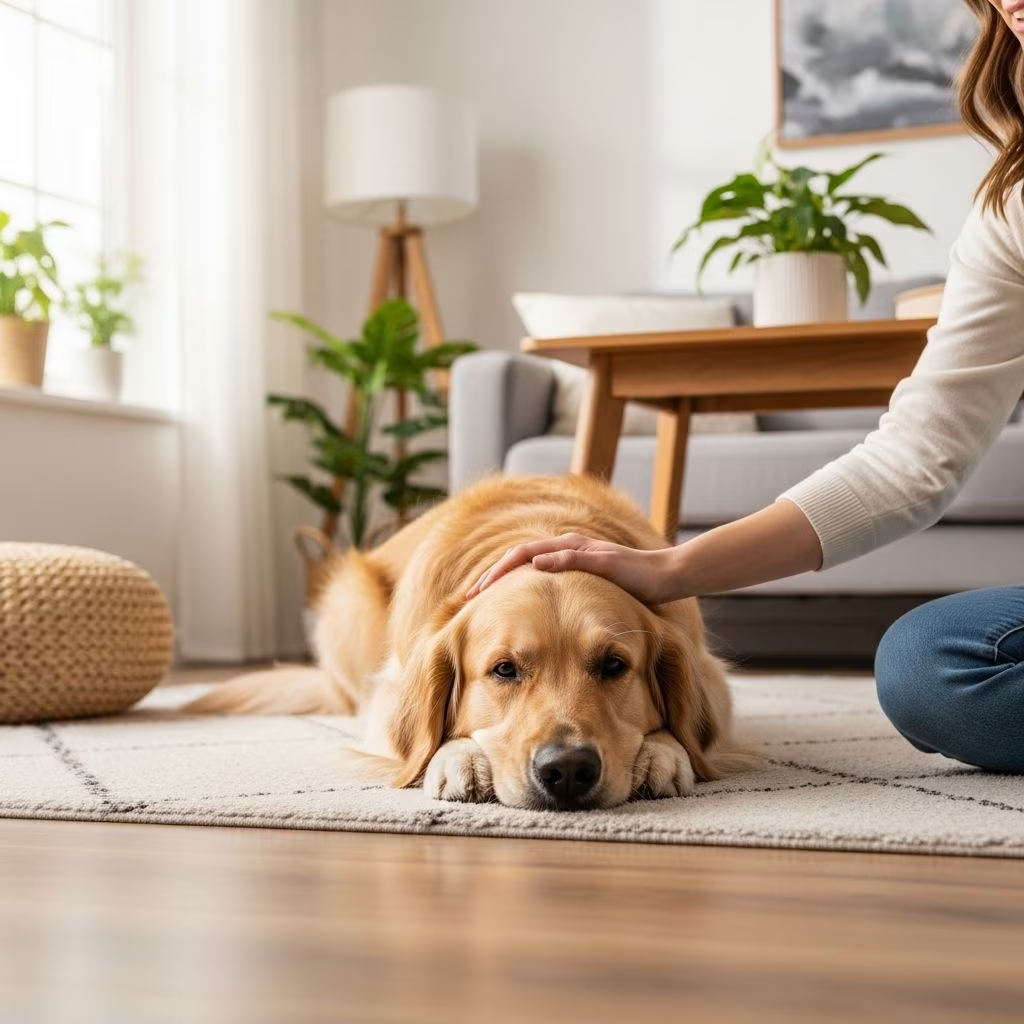
Modern life often moves at a frantic pace, and our dogs can absorb the tension that surrounds them. Learning how to guide your dog toward a calmer demeanor benefits their emotional well-being, strengthens your bond, and creates a more peaceful home. Rather than expecting instant zen in an energetic animal, shaping calm behavior is a gradual, thoughtful process that combines training, environment management, and understanding of canine emotions.
Understanding the Calm Canine Mindset
For many dog owners, calmness is misunderstood as stillness alone. In reality, a calm dog is one who is relaxed emotionally, responsive to cues, and able to recover quickly from stressors. Calmness is not the absence of excitement but the presence of emotional regulation.
Dogs respond to consistent routines, clear expectations, and predictable environments. When these elements are in place, they naturally settle more easily. Conversely, households filled with unpredictable noise, inconsistent rules, and irregular schedules can produce dogs who remain emotionally over-aroused even when resting.
Foundations of Calm Behavior Training
Teaching calm behavior begins with building safety and trust. A dog who feels secure is much more likely to relax willingly than one who feels anxious or uncertain. Here are several foundational principles:
- Predictable routines: Regular feeding, walking, training, and downtime help dogs understand what to expect from their day.
- Positive associations: Pairing calm moments with comfort, treats, or gentle interaction helps your dog learn that relaxation pays off.
- Safe spaces: Providing a designated resting area, such as a mat, crate, or quiet room, gives your dog a retreat where anxiety can be managed.
- Consistent boundaries: Setting clear limits on allowed behaviors, such as no jumping or no running inside, gives your dog confidence in what is acceptable.
Step-by-Step Settle Exercises
One of the most effective ways to teach calmness is through structured settle exercises. These activities train your dog to lie down and remain relaxed while you are nearby. Here’s how you can introduce this skill:
- Choose a quiet, low-distraction environment and have high-value treats ready.
- Sit on the floor or a chair and place a mat or towel near your feet.
- Invite your dog to come close, but avoid cuing specific behaviors like “sit” or “down” initially.
- Wait silently until your dog shows any calm behavior—such as lying down, looking away, or resting their head.
- Mark the moment with a calm “yes” or a soft click, then place treats near your dog’s front paws.
- Repeat the process, gradually increasing the waiting period before rewarding.
Over several sessions, your dog will learn that settling near you leads to rewards. You can then add a verbal cue like “settle” or “down” once the behavior is consistently offered.
Desensitization and Emotional Regulation
Some dogs struggle with calmness because they are highly reactive to specific triggers, such as noises, visitors, or other animals. Desensitization and counter-conditioning are essential tools for helping these dogs learn to remain calm in the presence of stressors.
Desensitization involves gradually exposing your dog to a trigger at a low intensity, staying well below the level that causes strong fearful or reactive behavior. Counter-conditioning pairs the trigger with something positive, such as food, play, or affection, to change the dog’s emotional response.
For example, if your dog is sensitive to loud sounds, you might play a low-volume recording of thunder while offering treats or engage in a favorite game. As your dog becomes more comfortable, you can slowly increase the volume over several sessions, always stopping if your dog shows signs of stress.
Incorporating Calming Techniques into Daily Life
Beyond formal training, small daily habits can significantly influence your dog’s overall calmness. Consider these strategies:
- Controlled greetings: When you arrive home, avoid overly excited interactions. Instead, wait for your dog to settle before offering attention or affection.
- Quiet spaces: Use dim lighting, soft music, or white noise machines to create a soothing atmosphere for rest periods.
- Physical touch and massage: Gentle petting or slow, rhythmic massage can help release tension and reinforce a relaxed state.
- Consistent off-leash relaxation: Practice calm behaviors in safe outdoor settings, gradually increasing distractions as your dog’s confidence grows.
Different Stages of Calm Learning
Dogs progress through different stages as they learn to be calm. Recognizing these levels helps you adjust your expectations and methods appropriately.
Early Stage: Basic Settle
In this stage, your goal is simply to get your dog to lie down and stay relaxed for short periods. Focus on short sessions with frequent rewards. Distractions should be minimal, and the environment should be calm.
Intermediate Stage: Building Duration
Once your dog can settle for several seconds, gradually increase the time between rewards. Start by adding a few seconds more in each session. Over time, your dog will learn to remain calm for longer stretches without needing continuous reinforcement.
Advanced Stage: Distraction Immunity
In the advanced stage, your dog can stay calm in more stimulating environments. Train in busier areas, with helpers walking by or creating low-level distractions. Maintain rewards for calmness and ignore or redirect any reactive behaviors.
Exercise and Mental Stimulation
Paradoxically, helping a dog become calmer often starts with giving them more appropriate outlets for energy. Regular physical exercise such as walks, runs, or play sessions helps burn excess energy that might otherwise be expressed as restlessness or hyperactivity.
Mental stimulation is equally important. Puzzle toys, scent games, and structured training sessions challenge your dog’s brain and reduce boredom-related anxiety. A well-stimulated dog is more likely to settle comfortably when the time comes.
Creating a Calm Household Environment
The home environment plays a major role in whether dogs remain calm. To foster a peaceful atmosphere:
- Establish clear rules and consistently enforce them.
- Minimize loud or sudden noises when possible.
- Provide comfortable resting areas that are away from high-traffic zones.
- Encourage quiet family interactions, especially during designated relaxation times.
Recognizing and Responding to Signs of Anxiety
Sometimes, what appears as hyperactivity is actually anxiety. Watch for signs such as excessive panting, pacing, trembling, or avoidance behaviors. If your dog consistently struggles to relax, it may be beneficial to consult a veterinarian or behavior professional.
Addressing underlying medical issues or severe anxiety may require additional interventions, such as medication, specialized training protocols, or certified behaviorist guidance. Early recognition and intervention can make a significant difference in your dog’s capacity to learn and maintain calm behavior.
Teaching Emotional Self-Control
Beyond basic commands, dogs can be taught emotional self-control through structured play and impulse management exercises. Games that involve frequent start-and-stop patterns—such as tug-of-war or fetch with pauses—help dogs learn to modulate their excitement.
During these games, pause play and wait for your dog to sit or lie down before resuming. Over time, your dog will associate self-control with continuation of fun, building an internal habit of calming down in the midst of arousal.
Enrichment Activities for Calmness
Enrichment is not just about entertainment; it is a powerful tool for promoting relaxation. When dogs are mentally and physically engaged, they are less likely to experience stress or frustration. Consider these enrichment ideas:
- Food puzzles or treat-dispensing toys
- Scent-tracking games or indoor hide-and-seek
- Chewing activities with safe, durable chews or stuffed toys
- Short, focused training sessions several times a day
When Calmness Is Hard to Achieve
Some dogs, due to genetics, past experiences, or medical conditions, may find calmness more challenging than others. Breeds with high energy drives or those from shelter or rescue backgrounds may need more time and patience.
If you encounter persistent difficulty, avoid harsh corrections or punishment, which can increase anxiety and erode trust. Instead, focus on building confidence, reinforcing positive experiences, and gradually increasing your dog’s tolerance for handling and relaxation.
Long-Term Benefits of a Calm Dog
Teaching your dog to remain calm offers far-reaching benefits. Calm dogs are safer in public spaces, easier to manage in households with children or other pets, and happier members of families overall. They also tend to have stronger bonds with their owners, as training and relaxation are shared experiences that build trust.
As your dog becomes more adept at emotional regulation, you may notice fewer reactive behaviors, better responses to training, and an overall smoother daily routine.
FAQs
Can any dog learn to be calm?
Most dogs can learn to be calmer with consistent training and environmental management. The degree of change may vary depending on temperament, history, and individual needs, but nearly all dogs benefit from structured routines and positive reinforcement.
How long does it take to teach a dog calm behavior?
Timeline varies by dog, but noticeable improvement can often occur within a few weeks of regular practice. Lasting changes may take several months, especially for dogs with anxiety or reactivity.
What should I avoid when training for calmness?
Avoid punishment, excessive arousal before calm exercises, and pushing your dog too quickly into high-distraction environments. Patience and gradual progression yield the best results.
Are there tools that help with calm dog training?
Yes. Training tools such as mats, crates, pressure wraps, and food puzzles can support calm behavior. Music or white noise can also help create a soothing environment.
When should I seek professional help?
Consult a veterinarian or certified behavior professional if your dog shows signs of severe anxiety, aggression, or persistent inability to relax despite consistent training efforts.
References
- Proven Dog Anxiety Training Techniques for a Calm Pet — Redefining Dogs. https://redeemingdogs.com/proven-dog-anxiety-training-techniques-for-a-calm-pet/
- Dog Behavior and Training: Teaching Settle and Calm — VCA Hospitals. https://vcahospitals.com/know-your-pet/dog-behavior-and-training—teaching-calm—soft-and-handling-exercises
- How to Train Your Dog to Be Calm, Relax and Settle — Dogs Trust. https://www.dogstrust.org.uk/dog-advice/training/basics/settle-training
- Can You Truly Teach a Dog to Be Calm? — Fenzi Dog Sports Academy. https://www.fenzidogsportsacademy.com/blog/can-you-truly-teach-a-dog-to-be-calm
- Training Tips: Calm Behavior at Home — San Diego Humane Society. https://sdhumane.org/resources/training-tips-calm-behavior-at-home/
- How to Teach Your Dog Emotional Self-Control — American Kennel Club. https://www.akc.org/expert-advice/training/teaching-your-dog-self-control/
- From Chaos to Calm: How to Regain Control and Confidence With Your Dog at Home — Sit Means Sit. https://sitmeanssit.com/tampa/from-chaos-to-calm-how-to-regain-control-and-confidence-with-your-dog-at-home/



