

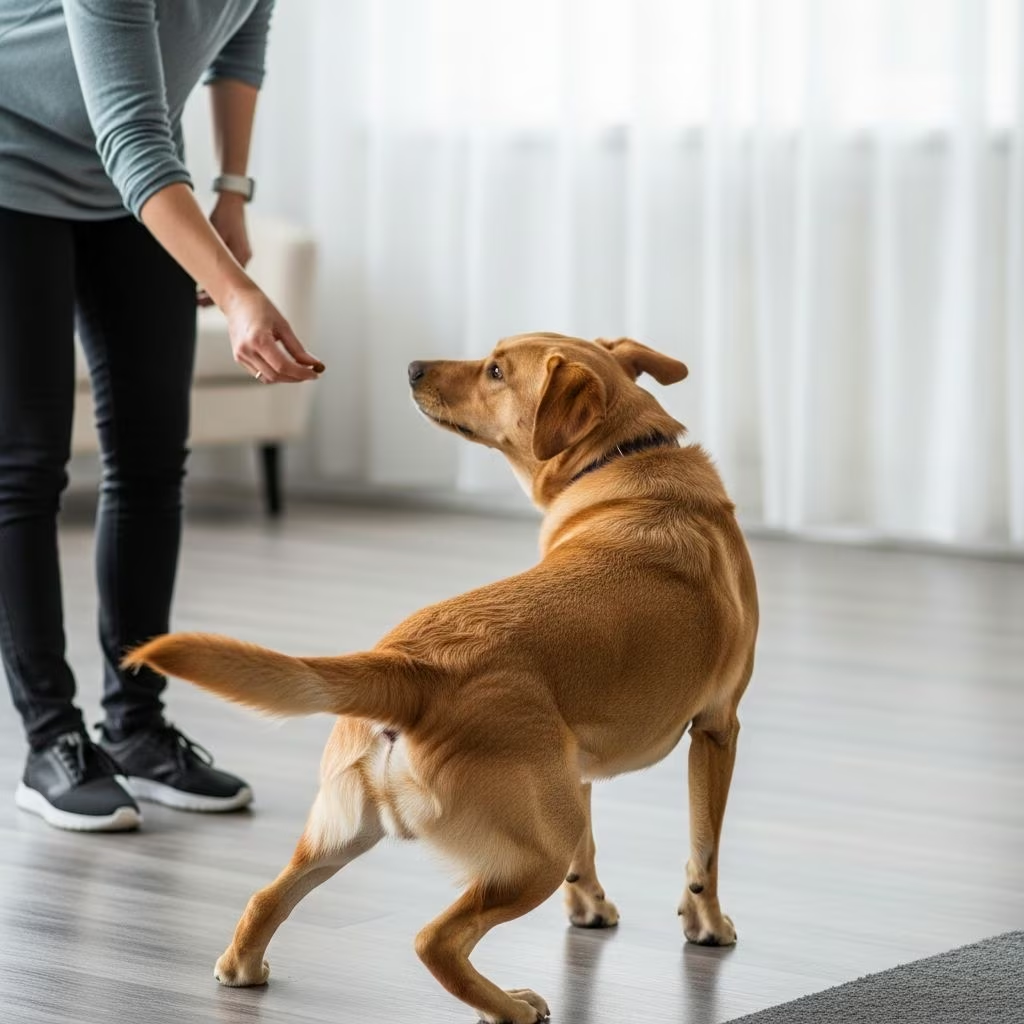
If your dog has mastered basic obedience like sit, stay, and come, advancing to fun and functional tricks like “back up” is the next exciting step. Teaching your dog to move backward on command isn’t just an impressive party trick—it’s a highly practical skill that promotes safety and better behavior in everyday situations.
The **back up** command instructs your dog to create physical distance by stepping backward away from you or an object. This is invaluable for navigating tight spaces, preventing your dog from crowding doors or furniture, and deterring them from sniffing hazardous items during walks. Unlike the “leave it” cue, which focuses on ignoring temptations, backing up physically removes the dog from the source of distraction, making it easier for them to resist urges.
Positive reinforcement is the cornerstone of this training, ensuring your dog associates backing up with rewards and fun. This method, endorsed by certified animal behaviorists, builds confidence and reliability without stress or punishment. Whether you have a energetic puppy, a stubborn adult dog, or even a senior pup, anyone can learn this with patience and consistency.
Why Teach Your Dog to Back Up?
Beyond cuteness, the back up command offers real-world benefits that enhance your dog’s quality of life and your peace of mind. Here’s why it’s worth the training time:
- Safety on Walks: Streets are full of temptations like discarded food, dead animals, or toxic substances. A quick “back up” creates distance, reducing ingestion risks before “leave it” is needed.
- Prevent Jumping and Crowding: Dogs often forge ahead at doors, counters, or guests. Backing up teaches polite space management, ideal for multi-pet homes or visitors.
- Impulse Control and Mental Stimulation: This trick challenges your dog cognitively, tiring them mentally and curbing boredom-driven behaviors like chewing or digging.
- Foundation for Advanced Tricks: Builds on basics for complex behaviors like weaving through obstacles or agility work.
- Emergency Recall Aid: In high-distraction scenarios, combining back up with recall improves compliance, as dogs learn to disengage first.
Research from applied animal behaviorists shows that dogs trained with such skills respond better in real-life distractions, turning potential mishaps into managed moments.
Prerequisites for Success
Before diving in, ensure your dog has a solid foundation:
- Mastery of **sit**, **down**, and **stay** for focus and patience.
- Familiarity with a **clicker** or marker word (e.g., “yes!”) paired with high-value treats like chicken or cheese.
- A quiet training environment to minimize distractions initially.
If your dog is a chronic “sitter”—who plops down instead of moving—adapt methods accordingly. Patience prevents frustration; sessions should last 5-10 minutes, 3-5 times daily.
Step-by-Step Training Guide
Follow these proven steps, adapted from certified trainers’ methods. Progress gradually, only advancing when your dog succeeds 80-90% of the time.
Step 1: Lure with a Treat (Foundation Building)
Hold a high-value treat at your dog’s nose level. Slowly move it backward over their head toward their tail while saying “back up.” Their head will follow, naturally shifting hind legs rearward.
- For **sitters**: Position the treat a few inches over their head and lure toward the back end to encourage steps instead of sitting.
- Mark the first backward step with your clicker or “yes!” and reward immediately.
- Repeat 10-15 times per session until they take 2-3 steps consistently.
Aim for enthusiastic movement—your energy sets the tone!
Step 2: Add the Verbal Cue
Once luring prompts reliable backing, introduce the cue before the lure.
- Say “back up” calmly.
- Immediately lure as before.
- Mark and reward the response.
Fade the lure over 3-5 sessions by using an empty hand motion, rewarding from your other pocket. This builds cue recognition without dependency.
Step 3: Practice Without Treats in Hand
With verbal cue solid, practice hands-free.
- Stand facing your dog, say “back up,” and step toward them gently to encourage retreat.
- Your body language (leaning in) prompts natural avoidance.
- Reward from a pouch or nearby bowl for variable reinforcement.
Variable rewards mimic real life, making the behavior stick.
Step 4: Increase Distance and Distractions
Graduate to longer distances (5-10 feet) and mild distractions like toys.
| Level | Distance | Distractions | Trials per Session |
|---|---|---|---|
| Beginner | 1-3 steps | None | 10 |
| Intermediate | 5-10 feet | Quiet room | 15 |
| Advanced | Full room | Toys/food nearby | 20 |
Use proofing: Practice near doors, kitchens, or during walks (on-leash).
Step 5: Real-World Application
Integrate into daily life:
- Walks: Spot a gross item? “Back up,” then reward and redirect.
- Home: Before opening doors or feeding, cue back up for manners.
- Guests: Prevent greeting jumps by having them back away first.
Combine with recall: “Come, back up” for polished sequences.
Step 6: Troubleshooting Common Issues
Problems arise—here’s how to fix them:
- Dog Sits or Freezes: Use overhead lure; avoid forward pressure.
- Ignores Cue: Return to basics; ensure rewards outshine distractions (e.g., chicken > kibble).
- Over-Excitement: Shorten sessions; add calm-settling games like “settle”.
- Stubborn Breeds: Independent types (e.g., hounds) need more reps—never punish.
Advanced Variations and Games
Once mastered, level up:
- Back Up Around Objects: Weave backward through furniture.
- Speed Backing: Add “back up fast!” for agility fun.
- Partner Back Up: Two-dog households: Teach tandem backing.
- Incorporate Play: Back up into tug games or fetch setups.
Games keep training engaging, reinforcing that obedience equals fun.
Tips for Long-Term Success
To make back up reliable forever:
- Never Repeat Cues: Saying “back up, back up!” teaches ignoring.
- Reinforce Randomly: Life rewards (play, walks) post-response.
- Avoid Sabotage: Educate household members; use unique cues if needed (e.g., “retreat”).
- Proof Extensively: Practice in parks, vet visits—everywhere.
Per behaviorist Dr. Patricia McConnell, recall-like skills (including back up) require lifelong reinforcement, as chasing instincts are hardwired.
Frequently Asked Questions (FAQs)
Q: How long does it take to teach back up?
A: Most dogs learn basics in 1-2 weeks with daily practice; proofing takes 4-6 weeks. Age and breed affect speed.
Q: Can senior dogs learn back up?
A: Yes! Adapt for mobility; focus on short steps and praise over treats.
Q: What if my dog backs up too fast or erratically?
A: Slow lures and calm cues; reward controlled steps only.
Q: Is back up useful for reactive dogs?
A: Absolutely—creates space from triggers, aiding desensitization.
Q: How to combine with ‘leave it’?
A: Use back up first for distance, then leave it for ignoring.
Conclusion
Teaching “back up” transforms your dog from reactive to responsive, enriching your bond through shared achievements. Start today—your safer, happier walks await!
References
- How to Improve Your Dog’s Recall Training — Kinship (Karen B. London, PhD, CAAB, CPDT-KA). 2025. https://www.kinship.com/dog-behavior/dog-recall-training
- How to Teach Your Dog to “Back Up” — Kinship. 2025. https://www.kinship.com/dog-behavior/teaching-dogs-back
- How to Master the “Leave It” Cue — Kinship (YouTube). 2025-05-01. https://www.youtube.com/watch?v=7TWEGVEqWY4
- General Resources | Explore Canine Insights — A Canine Affinity. 2025. https://www.acanineaffinity.com/general-resources
- Don’t Let Others Spoil Your Dog’s Training — Kinship. 2025. https://www.kinship.com/uk/dog-behaviour/dont-let-others-spoil-your-dogs-training



