

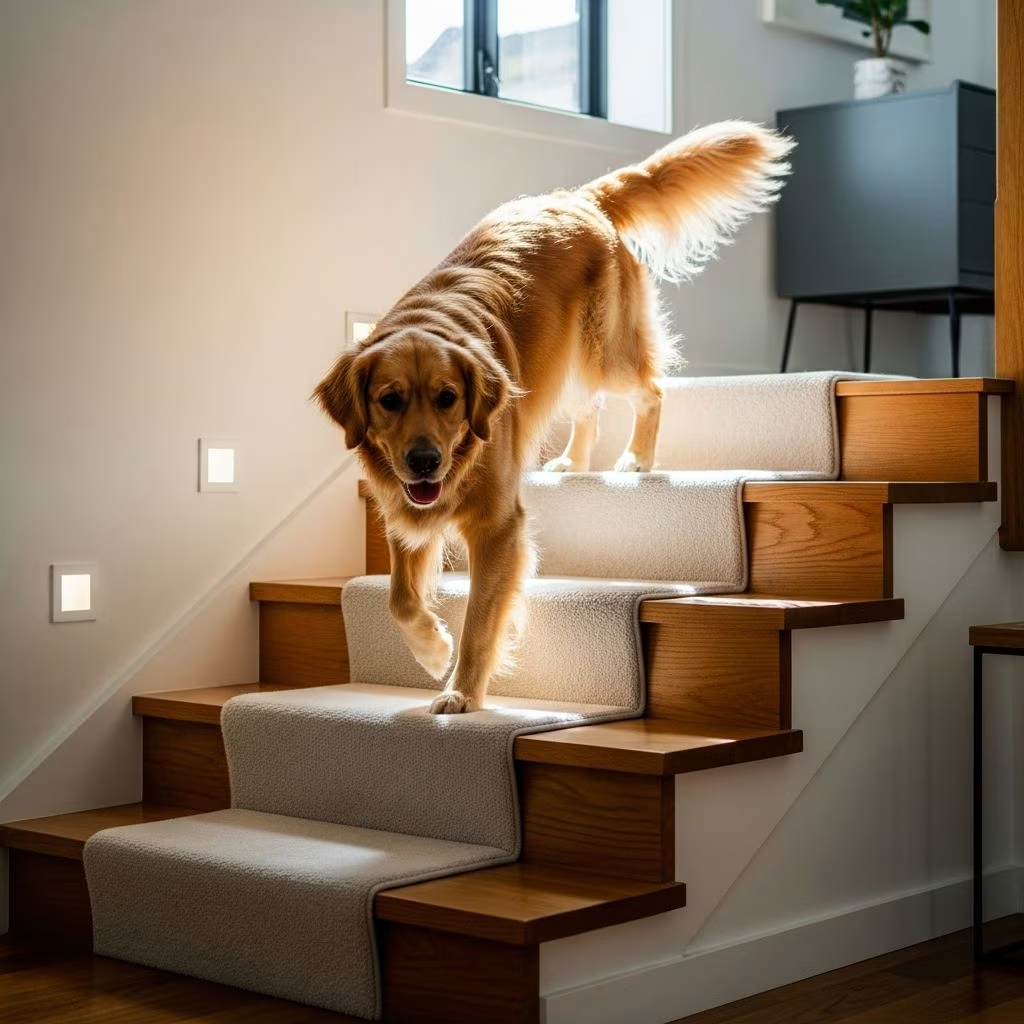
Many dogs face challenges when encountering stairs, whether due to fear, physical limitations, or lack of experience. This comprehensive guide provides original, practical strategies to build your dog’s confidence on stairs, ensuring safe navigation for puppies, adults, and seniors alike. By focusing on positive reinforcement, proper setup, and gradual progression, you’ll help your canine companion move freely without stress or injury.
Understanding Why Dogs Hesitate on Stairs
Dogs may avoid stairs for various reasons, including instinctual caution, past negative experiences, or age-related joint issues. Puppies often lack coordination, while older dogs might struggle with the physical demand of lifting legs high. Slippery surfaces, shadows, or open risers can heighten anxiety, making well-lit, non-slip environments essential. Recognizing these factors allows tailored training that addresses root causes rather than forcing compliance.
Physical strain from repeated stair use impacts joints, particularly in young and senior dogs. Short sessions prevent fatigue and injury, promoting long-term mobility.
Essential Equipment for Successful Training
Selecting the right tools sets the foundation for effective sessions. Prioritize pet stairs or ramps designed for your dog’s size and the furniture height.
- Pet Stairs: Choose models with carpeted or rubberized treads to prevent slips. Steps should match your dog’s leg length—typically 4-8 inches high for small breeds.
- Treats: Use high-value, tiny pieces like soft cheese or liver for motivation without overfeeding.
- Safety Padding: Surround stairs with pillows for soft landings during early attempts.
- Lighting and Surface Prep: Ensure bright lighting and cover slick floors if training on household stairs.
For seniors or breeds prone to arthritis, ramps reduce joint stress by minimizing leg lifts.
Preparing the Ideal Training Environment
Position equipment next to beloved spots like your bed or couch for natural incentive. Create a clear path without obstacles, and add cushions on sides for security. Start sessions in quiet areas to minimize distractions, keeping durations under 5 minutes to avoid overwhelm.
Allow acclimation time—leave stairs in place for days if your dog seems wary, fostering familiarity before active training.
Step-by-Step Guide: Mastering Upward Movement
Begin with ascent, often easier as it mimics natural climbing instincts.
- Introduce the First Step: Lure with a treat held near your dog’s nose, guiding it to the lowest tread. Praise lavishly for any contact.
- Progress Gradually: Repeat for each step, ensuring the dog’s nose stays close to the treat. If hesitation occurs, use smellier rewards or scatter treats ahead.
- Build Independence: Fade the lure, rewarding voluntary steps. End with play at the top to associate positivity.
Sessions build muscle memory quickly, with most dogs progressing in 2-3 tries.
Navigating Downward: The Trickier Descent
Descending challenges balance, akin to humans on all fours. Patience is crucial here.
- Start from Top: Place your dog on furniture adjacent to stairs, dropping treats on upper steps.
- Encourage Step-by-Step: Reward each downward paw placement. Avoid rushing to prevent slips.
- Reinforce Completion: Celebrate reaching the floor with extra praise and fun activities.
Reverse upward techniques, practicing until fluid. This direction may require more repetitions.
Tailoring Training for Different Dogs
| Dog Type | Adjustments | Session Length |
|---|---|---|
| Puppy | Extra short steps; frequent breaks for coordination | 1-2 minutes |
| Senior | Ramps over stairs; joint supplements if vet-approved | 30 seconds max |
| Fearful/Rescue | Acclimation days; highest-value treats | Ultra-slow pace |
| Large Breed | Sturdier stairs; focus on controlled descent | 3-5 minutes |
Adapt based on breed, age, and temperament for optimal results.
Overcoming Common Obstacles
Hesitation or Refusal: Slow down—30-second sessions with abundant treats. Scatter rewards to encourage exploration.
Slippery or Scary Stairs: Avoid metal/open designs; add non-slip mats and lighting.
Physical Limitations: Switch to ramps for easier motion.
No Progress: Consult certified professionals like those with CBCC-KA credentials.
Advanced Tips for Household Stairs
Extend training to home stairs cautiously. Use the same lure-and-reward method, emphasizing caution on hard surfaces. For multi-flight stairs, master one segment first. Supervise until proficient to safeguard against falls.
Maintaining Skills and Long-Term Safety
Practice weekly to reinforce habits. Monitor for age-related decline, transitioning to ramps as needed. Regular vet checkups ensure joint health supports activity.
Frequently Asked Questions
How long does stair training take?
Most dogs learn in a few 5-minute sessions, though fearful ones may need weeks.
Can all dogs learn stairs?
Yes, with adaptations like ramps for mobility-challenged pups.
What if my dog jumps off furniture instead?
Never remove steps prematurely—risk of injury is high.
Are ramps better than stairs?
For seniors or injured dogs, yes—they lessen joint strain.
How to train multiple dogs?
Separate sessions to avoid competition; consistent rewards work best.
References
- How to Train Your Dog to Use Pet Stairs — Chewy. 2023. https://www.chewy.com/education/dog/training-and-behavior/how-to-train-your-dog-to-use-dog-steps
- How To Teach A Dog To Use Pet Stairs | Chewtorials — YouTube (Chewy). 2023. https://www.youtube.com/watch?v=FhSbF53W9CQ
- How to Safely Teach your Pup to Navigate Stairs — McCann Dogs. 2022. https://www.mccanndogs.com/blogs/articles/how-to-safely-teach-your-pup-to-navigate-stairs
- Training a Little Rescue Dog How To Use Doggy Stairs — Dog Gone Problems. 2021. https://www.doggoneproblems.com/gus-stairs/
- Dogs Afraid of Stairs: Helping Your Dog Feel Safe and Confident — Bakersfield Dog Trainers. 2024. https://bakersfielddogtrainers.com/dogs-afraid-of-stairs-confidence/
- Stairs and Dogs — Behavior United. 2021-10-21. https://www.behaviorunited.com/blog/2021/10/21/stairs-and-dogs



