

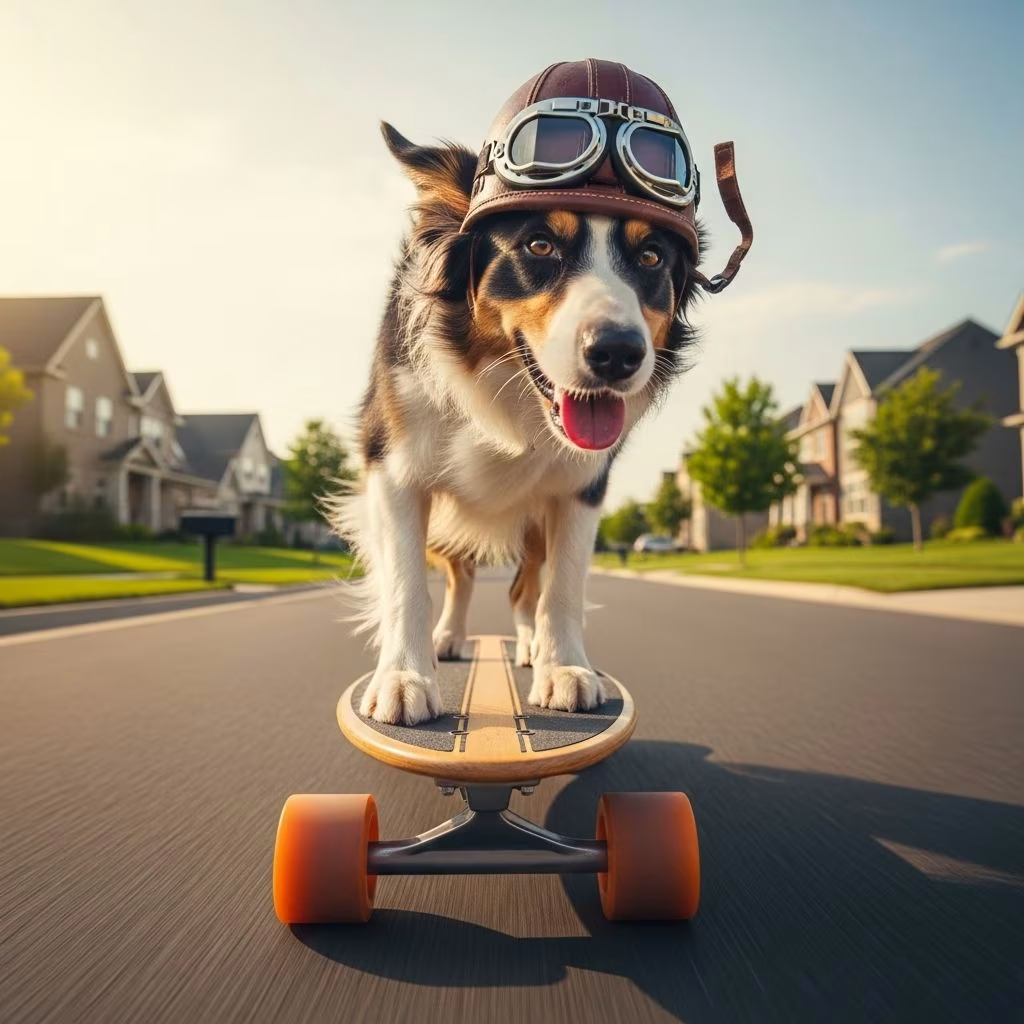
They’ll be doing ollies in no time.
by Karen B. London, PhD, CAAB, CPDT-KA (Adapted and Expanded)
Teaching your dog tricks like sit, shake, or lie down is rewarding, but helping them master skateboarding takes it to the next level. This skill can make your pup a star at the dog park or on social media, combining fun, exercise, and mental stimulation. Breeds with low centers of gravity, such as Bulldogs, often excel due to natural balance, but even larger breeds can learn if the board fits and they’re interested. The process relies on positive reinforcement, gradual exposure, and respecting your dog’s comfort level. With patience, most dogs can enjoy cruising on a skateboard, feeling the wind and building confidence.
Five steps to teach your dog to ride a skateboard
Follow these structured steps to build your dog’s skills progressively. Each phase desensitizes them to new sensations while rewarding calm behavior with treats, praise, or toys. Sessions should be short—5-10 minutes—to keep engagement high and prevent overwhelm.
1. Get them comfortable on the board
This foundational step cannot be rushed; it’s essential for building trust in the skateboard’s feel. Secure the board with a wood block or your foot to prevent movement. Use high-value treats to lure your dog to place one paw on the deck. Reward immediately for any voluntary contact, gradually shaping for two paws, then three, and finally all four. If the skateboard is adjustable (like trucks with varying tightness), start fully tightened to eliminate rocking. Practice daily in a quiet, familiar space until your dog stands confidently without hesitation. This phase may take days or weeks, depending on their confidence—fearful dogs need extra time and smaller increments.
- Secure board firmly to start.
- Lure with treats for paw placement.
- Progress from one to four paws.
- Reward calm standing for increasing durations.
2. Get your dog used to being on the board while moving
Once your dog stands comfortably stationary, introduce gentle motion. With all four paws on, nudge the board just an inch or two using your hand or foot. Reward staying put, then extend to a few feet. Keep speeds minimal to avoid startling them—think slow roll on carpet or smooth tile. Some dogs may hop one back paw to follow; reinforce this natural adjustment. If they tense or jump off, return to stationary practice. This builds tolerance for the wobble and glide, mimicking real riding.
- Start with tiny movements (1-2 inches).
- Increase distance gradually.
- Praise for maintaining balance.
- Use a harness if needed for gentle guidance.
3. Next, get your dog comfortable pushing the board
Passive riding is fun, but self-propulsion adds independence. Reward voluntary pushes with the back paws—these mimic how dogs naturally propel. Place them on the board and encourage backward glances or slight leans; clicker train precise pushes for best results. Back paws are key as they provide thrust without compromising front balance. Practice on slight inclines only after mastery on flat ground. This step empowers your dog, turning them from rider to skater.
| Step Focus | Key Action | Tips for Success |
|---|---|---|
| Paw Pushing | Reward back paw contact | Use a target stick for precision |
| Propulsion | Encourage 1-2 pushes | Flat, non-slip surface |
| Duration | Build to 5+ pushes | Variable reward schedule |
4. Gradually increase the speed and the distance
With pushing established, fade your assistance and let them control pace. Delay treats to encourage longer rides—start with 5 feet, build to 20+. Some dogs love speed; others prefer slow cruises—observe body language like tail wags for enjoyment. Introduce very mild slopes only at this stage, always supervised. Monitor for fatigue; athletic breeds like those in viral videos may go farther, but tailor to your dog’s stamina.
- Wait longer between rewards.
- Test comfort with 10-20 feet rides.
- Avoid forcing speed increases.
- End sessions on positive notes.
5. Loosen the skateboard in stages
Trucks (the mechanisms under the deck) control looseness for turning. Gradually loosen from tight to medium, then loose, repeating prior steps at each setting. This introduces rocking for steering—reward weight shifts left/right to turn. Full looseness allows ollie-like jumps in advanced dogs, but most enjoy basic carving. Retighten if they struggle, rebuilding confidence.
Pro Tip: Use a longboard for larger breeds; standard skateboards suit small dogs best.
Consider your dog’s skill, physical limitations, and interest level
Not all dogs are skate prodigies like viral bulldogs or self-taught rescues. Athletic, fearless pups thrive, but elderly, joint-issue-prone, or timid dogs may only enjoy stationary or slow rides. Larger breeds face fit challenges; prioritize safety over tricks. Stick to smooth, traffic-free surfaces—no roads, hills until expert. Watch for signs of stress (lip licking, yawning) and stop immediately. Trick training boosts confidence and bond, but forcing it harms welfare. If uninterested, try alternatives like agility or dancing.
Real skaters note dogs grasp propulsion but lack control for flips—perfect for fun, not competitions. Rescue stories, like Brutis who self-taught at skate parks, show innate potential with trust. Always prioritize joy: wind in face, scents rushing by.
Frequently Asked Questions (FAQs)
Q: Which dog breeds are best for skateboarding?
A: Low-center-of-gravity breeds like Bulldogs excel due to balance; small, sturdy dogs suit standard boards. Larger breeds need longboards if interested.
Q: How long does it take to teach a dog to skateboard?
A: Varies from weeks to months; foundational comfort takes longest. Daily short sessions speed progress.
Q: Is skateboarding safe for my dog?
A: Yes on flat, smooth surfaces away from traffic/hills. Monitor joints; consult vets for pre-existing issues.
Q: What if my dog is scared of the skateboard?
A: Go slower—feed meals on/near it. Desensitize gradually; some dogs never take to it, and that’s okay.
Q: Can puppies learn to skateboard?
A: Wait until 6+ months for growth plates; start basic balance games first.
Q: What equipment do I need?
A: Adjustable skateboard, high-value treats, clicker, leash/harness. Non-slip deck preferred.
Benefits of Skateboard Training
Beyond cuteness, this trick enhances obedience, focus, and physical fitness. It burns energy, improves coordination, and strengthens your bond through shared adventure. Like agility or freestyle, it builds confidence—ideal for high-energy pups. Social media stars prove it’s achievable, but home fun matters most.
Safety Tips and Common Mistakes
- Supervise always; no unattended rides.
- Avoid rough terrain or weather extremes.
- Check paws post-session for wear.
- Don’t push uninterested dogs—stress causes shutdown.
- Mistake: Rushing steps leads to fear; patience wins.
Advanced Tricks and Variations
Once basic riding clicks, teach turns, stops, or ramps. Pair with commands like “push” or “turn left.” Inspired by pros like skate park dogs, group sessions boost motivation. Remember, most won’t ollie—celebrate personal bests.
References
- How to Teach Your Dog to Skateboard — Kinship. 2023. https://www.kinship.com/dog-behavior/teach-your-dog-ride-skateboard
- What Do Real Skateboarders Think of Skateboarding Dogs — MEL Magazine. 2019-07-18. https://melmagazine.com/en-us/story/dog-skateboarding
- Dog Loves To Go To The Skate Park With His Dad — The Dodo (YouTube). 2018-07-22. https://www.youtube.com/watch?v=Ej95hRv-xNM
- What’s the Point of Trick Training? — Kinship. 2023. https://www.kinship.com/dog-behavior/why-trick-training-is-important
- American Kennel Club: Dog Trick Training Guide — AKC.org. 2024-05-15. https://www.akc.org/expert-advice/training/teach-your-dog-tricks/



