

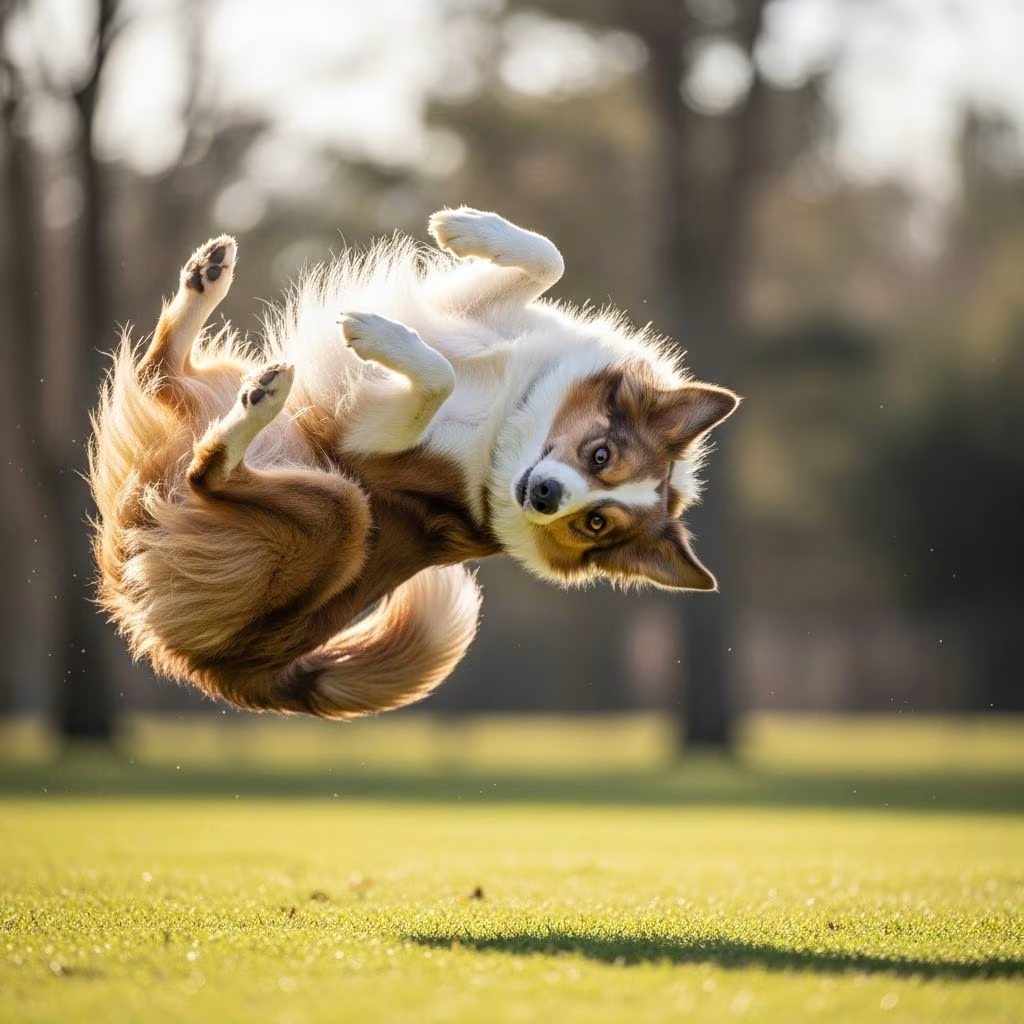
The **flip finish** is an advanced dog trick that takes your pup from a straight sit-front position directly in front of you and swings them around into a precise heel position at your left side. This move, popular in competitive obedience and rally, showcases control, speed, and style while strengthening your bond. Mastering it requires patience, consistency, and positive reinforcement, but the result is a polished performance that impresses at dog shows or casual walks.
Whether you’re prepping for agility trials or just want to wow friends, the flip finish builds on basic commands like sit and heel. It’s derived from hunting traditions where dogs stayed tight on the handler’s left to avoid the rifle on the right. Today, it’s a staple in sports like AKC Obedience, enhancing focus and responsiveness.
Why Teach the Flip Finish?
Teaching the flip finish offers multiple benefits beyond showmanship. It reinforces **heel position**—where your dog’s shoulder aligns with your leg, head up and attentive—critical for safe leashed walks and competitions. The dynamic swing improves body awareness, balance, and quick directional changes, transferable to agility or freestyle dancing.
- Improves Obedience: Transitions from front sit to heel solidify position reliability under distraction.
- Boosts Confidence: Dogs gain trust through clear cues and rewards, reducing anxiety in new environments.
- Enhances Bonding: Shared training sessions release oxytocin, deepening your human-canine connection.
- Competition Edge: In obedience rings, a snappy flip finish scores high on precision and enthusiasm.
It’s suitable for medium-to-large breeds with good mobility, but adaptable for smaller dogs with modified cues. Start young puppies post-basic training or refresh adults with rusty heels.
Prerequisites for Success
Before diving in, ensure your dog has solid foundations. A rock-steady **sit-front**—squarely facing you, butt planted, eyes locked—is non-negotiable. Practice calling to front from heel repeatedly.
| Prerequisite Skill | Description | Training Tip |
|---|---|---|
| Sit-Stay | Dog holds sit without creeping forward. | Use high-value treats; duration 30+ seconds. |
| Basic Heel | Sits at left side, aligned with your foot. | Lure around cone; reward straight sits. |
| Front Recall | Comes to precise front sit from distance. | Practice on-leash first; fade gradually. |
| Leash Manners | No pulling; responsive to pressure. | Random stops; reward slack leash. |
Sessions should last 5-10 minutes, 3-5 times daily. Use tiny, soft treats like cheese bits or toys for motivation. A quiet space minimizes distractions.
Step-by-Step Guide to Flip Finish
Break training into phases: luring, fading cues, adding verbal, and proofing. Use a 6-foot leash initially for guidance.
Step 1: Lure the Swing (Foundation)
Start in sit-front. Hold treat at your left hip, say nothing. Step back with your **left foot**, pivoting it out to guide the dog counterclockwise around your leg into heel. As they sit, mark “Yes!” and reward. If off-position, gently adjust shoulders before treating.
Repeat 10-15 reps. Alternate: Step forward left to return to front, rebuilding the loop. Aim for fluid motion without tension.
Step 2: Add the By Finish Variation
The **by finish** sends the dog clockwise behind you. From front sit, step back with **right foot**, luring over your back to left heel. Use two-handed treats initially—one at hip, one guiding arc.
Practice flips (left leg) and bys (right leg) equally. Video sessions to check alignment—dog’s paw should match your foot ball.
Step 3: Name the Behaviors
Once fluent (80% success sans lure), introduce cues. Use distinct words/colors first: “Red” for flip, “Blue” for by, “Green” for straight heel.
- Say cue (e.g., “Red”).
- Pause 1 second.
- Give hand signal (left leg back).
- Mark and reward on perfect heel sit.
Fade leg step: Subtle tap or verbal alone. Switch to real cues like “Heel,” “Flip,” “Swing” later.
Step 4: Fade the Lure
Jackpot (multiple treats) for independent finishes. Introduce mild distractions: toys nearby, family watching. Practice off-leash in enclosed areas.
Common fix: If dog forges ahead, block with knee; reward tucked tush. For wide swings, tighten lure arc.
Step 5: Proof and Polish
Test in varied settings—parks, classes. Add speed: Fast pivots for dynamic flips. Chain with recalls: Front, flip, stay.
Troubleshoot table:
| Problem | Solution |
|---|---|
| Dog pops up early | Prevent with hand target on nose; reward duration. | Wrong direction | Exaggerate leg pivot; use cone as barrier. | Creeper (forwards) | Shorten leash; step into space. | Wide heel | Shoulder nudge; reward exact alignment. |
Training Tips for Quick Progress
- Positive Only: Never yank or scold—extinguishes enthusiasm.
- Short Bursts: End on highs; avoid fatigue.
- High Drive: Match rewards to effort; toys for play-motivated dogs.
- Handler Stance: Stay upright, non-verbal cues crisp.
- Progression Pace: 1-2 weeks per phase; rush invites confusion.
For seniors or less athletic breeds, slow-motion versions preserve joints. Consult vets for mobility checks.
Common Mistakes to Avoid
Handlers often cue prematurely, causing anticipation. Wait full pause post-verbal. Inconsistent positioning erodes reliability—always readjust before reward. Over-treating leads to weight gain; transition to life rewards like walks.
Don’t train hungry/over-aroused dogs; balanced energy yields focus. Track sessions in a journal: Reps, success rate, notes.
Frequently Asked Questions (FAQs)
Can any dog learn the flip finish?
Yes, most healthy dogs over 6 months with basic training. Adapt for short-legged breeds by shortening arcs.
How long until perfection?
2-6 weeks with daily practice. Competitive polish takes months.
Flip vs. By Finish: Which first?
Flip (left leg) builds natural swing; alternate early.
What if my dog ignores cues?
Revert to luring; boost value. Check health/ stress.
Is it safe for puppies?
Wait until 4-6 months, post-growth plates. Gentle reps only.
Tools needed?
Leash, treats, clicker optional, space to move.
Integrate into routines: Post-meal flips earn dinner release. Watch pro demos for form.
Advanced Variations
Once mastered, try moving flips (walk-forward heel), double flips, or off-leash bys in rally courses. Combine with spins for Freestyle dazzle. Enter trials for feedback.
Celebrate milestones—film progress! This trick transforms obedience into artistry, making training a joyride.
References
- The Flip and By Finishes | Advanced Dog Training — YouTube (Sit Stay Learn). 2020-approx. https://www.youtube.com/watch?v=hDRC33EW92E
- How to Train the Heel/Flip Finish — YouTube (Dog Training Channel). 2020-approx. https://www.youtube.com/watch?v=PRGbeoPMEwg
- Teaching The Finish Command — Suburban K9. Accessed 2026. https://suburban-k9.com/teaching-the-finish-command/



