

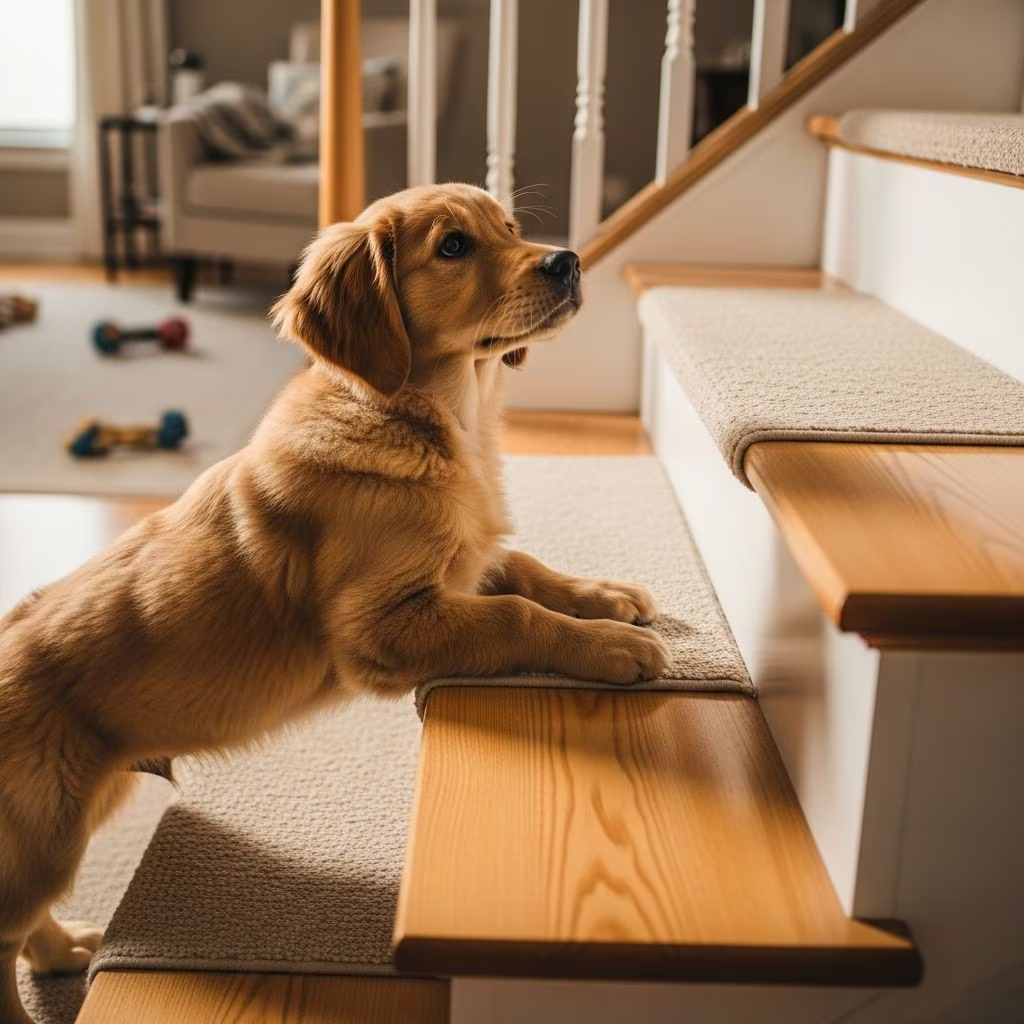
Many dogs, whether puppies or adults, face challenges when encountering stairs for the first time. Some become scared, others lack coordination, and a few may have underlying medical issues. Teaching your dog to climb stairs confidently requires patience, positive reinforcement, and a step-by-step approach. This guide covers everything from identifying why your dog avoids stairs to tailored training methods for puppies and adults, ensuring safety and building trust.
Why Is My Dog Afraid of Stairs?
Dogs may fear stairs due to lack of exposure, poor past experiences, coordination issues, or pain from conditions like hip dysplasia or knee problems. Always consult a veterinarian first to rule out medical causes, as forcing a dog with joint issues to use stairs can worsen the condition. Fear often manifests as avoidance, trembling, panting, or reluctance to approach stairs. Puppies might slip on slick surfaces, while adult rescue dogs may never have encountered stairs before.
Common reasons include:
- Lack of exposure: Dogs from single-level homes or rural areas may never see stairs.
- Poor footing: Hardwood or tile stairs can be slippery, especially for puppies developing balance.
- Height intimidation: Looking up at a full flight feels overwhelming.
- Medical issues: Arthritis, injuries, or vision problems make stairs painful or disorienting.
Observe your dog’s body language: weight shifting away from stairs, stress panting, or looking to you for reassurance signals discomfort. Addressing the root cause prevents frustration and builds a positive association.
Benefits of Teaching Your Dog Stairs
Mastering stairs enhances your dog’s independence, reduces separation anxiety in multi-level homes, and improves overall mobility. It prevents reliance on being carried, which can lead to expecting lifts in other situations like car ramps. Confident stair navigation promotes exercise, mental stimulation, and strengthens your bond through successful training sessions. For active families, it’s essential for beach access or navigating public spaces safely.
Preparation Before Training
Before starting, prepare your environment and tools:
- High-value treats: Use small, soft pieces of chicken, cheese, or commercial treats your dog loves.
- Safety measures: Cover stairs with non-slip mats, yoga mats, or carpeting to prevent slips, especially for puppies.
- Short sessions: Train 5-10 minutes daily to avoid overwhelm.
- Quiet space: Choose low-distraction times; start on short stair sets if possible, like 2-3 steps on a deck.
- Leash and harness: For control without pulling.
Rule out health issues with a vet check-up. Gather patience—progress varies by breed, age, and temperament. Breeds like Dachshunds may struggle due to long backs, while athletic breeds adapt quickly.
How to Teach an Adult Dog to Climb Stairs
Adult dogs, especially rescues, often need gradual desensitization. Start small to build confidence without force.
- Start at the top: Sit on the top step with treats. Encourage one paw on the first step, treat immediately. Progress to two paws, then lure up one step.
- Go down first if needed: Descending is often easier; place treats on lower steps to entice.
- Use luring and targeting: Hold a treat near their nose to guide paws up steps. Toss treats away after success to create a fun game and check consent—if they hesitate, pause.
- Practice one step at a time: Master 1-2 steps before advancing. Spot your dog to prevent falls.
- End positively: Follow sessions with play or more treats at the bottom/top.
If no home stairs, improvise with books, blocks, or your legs to simulate steps. For stubborn cases, repeat short reps near the top, making success inevitable. Avoid dragging or scolding, as it increases fear.
| Common Adult Challenges | Solutions |
|---|---|
| Fear of height | Start from second step down; use high-value rewards |
| Slipping | Add traction mats; short leashed walks |
| Past trauma | Desensitize slowly; consult trainer if persistent |
Teaching Puppies to Use Stairs
Puppies learn faster but need protection for developing joints. Limit until 12-16 weeks for large breeds to avoid stress on growth plates.
- Introduce early but gently: Cover stairs for grip; guide up 1-2 steps with treats.
- Carry when needed: For very young pups (<8 weeks), carry up/down while training alongside.
- Build coordination: Practice on low sets; watch weight distribution—if hind legs lag, stay on basics.
- Short, frequent sessions: Puppies tire quickly; end before reluctance shows.
- Descending carefully: Teach down with less reps to build cautious drive, not speed.
Carry puppies in multi-story homes initially, sleeping downstairs if needed. Progress when they confidently handle 2-3 steps without slipping.
Safety Tips for Stairs Training
Prioritize safety to prevent injuries:
- Supervise always: Never leave learning dogs unattended on stairs.
- Breed considerations: Short-legged breeds like Dachshunds need ramps long-term.
- Spiral stairs challenge: Extra caution; step-by-step with gates if needed.
- Weatherproof outdoor stairs: Avoid wet/slippery surfaces initially.
- Health monitoring: Stop if limping; revisit vet.
Use baby gates to restrict access during training. For large breeds, ensure your strength matches their size.
Common Mistakes to Avoid
Pet parents often rush progress:
- Forcing too soon: Leads to lasting fear.
- No vet check: Masks pain as behavioral issue.
- Inconsistent rewards: Confuses dog; always treat successes.
- Long sessions: Causes stress; keep under 10 minutes.
- Ignoring signals: Panting or avoidance means back up a step.
Troubleshooting Fearful Dogs
For severe fears:
- Counter-condition with treats at a distance, gradually closer.
- Practice downs before ups.
- Enlist professional trainer for personalized plans.
- Use clicker training for precise timing.
Progress may take weeks; celebrate small wins like one paw forward.
Frequently Asked Questions (FAQs)
What if my dog still refuses after weeks?
Reassess for medical issues or consult a certified trainer. Persistence with positives works, but pros handle phobias effectively.
Can all breeds learn stairs?
Yes, with adaptations—ramps for seniors or short-legged dogs.
How long does training take?
Days for bold puppies, weeks for fearful adults; consistency key.
Should I use a harness?
Yes, for control without neck strain, especially puppies.
What about spiral stairs?
Proceed slower; block sections if possible for straight practice first.
References
- Is Your Dog Scared of Stairs? Here’s How to Help Them Get Over It — Kinship. 2023. https://www.kinship.com/dog-behavior/dog-scared-of-stairs
- How to Safely Teach your Pup to Navigate: Stairs — McCann Dogs. 2023. https://www.mccanndogs.com/blogs/articles/how-to-safely-teach-your-pup-to-navigate-stairs
- Teaching A Dog To Climb Stairs | Lucky Dog — YouTube (Lucky Dog Training). 2014-10-01. https://www.youtube.com/watch?v=x4ZOfGNviUQ
- Help! My Dog Refuses to Climb Our Spiral Staircase — Kinship. 2023. https://www.kinship.com/dog-behavior/dog-spiral-staircases



