

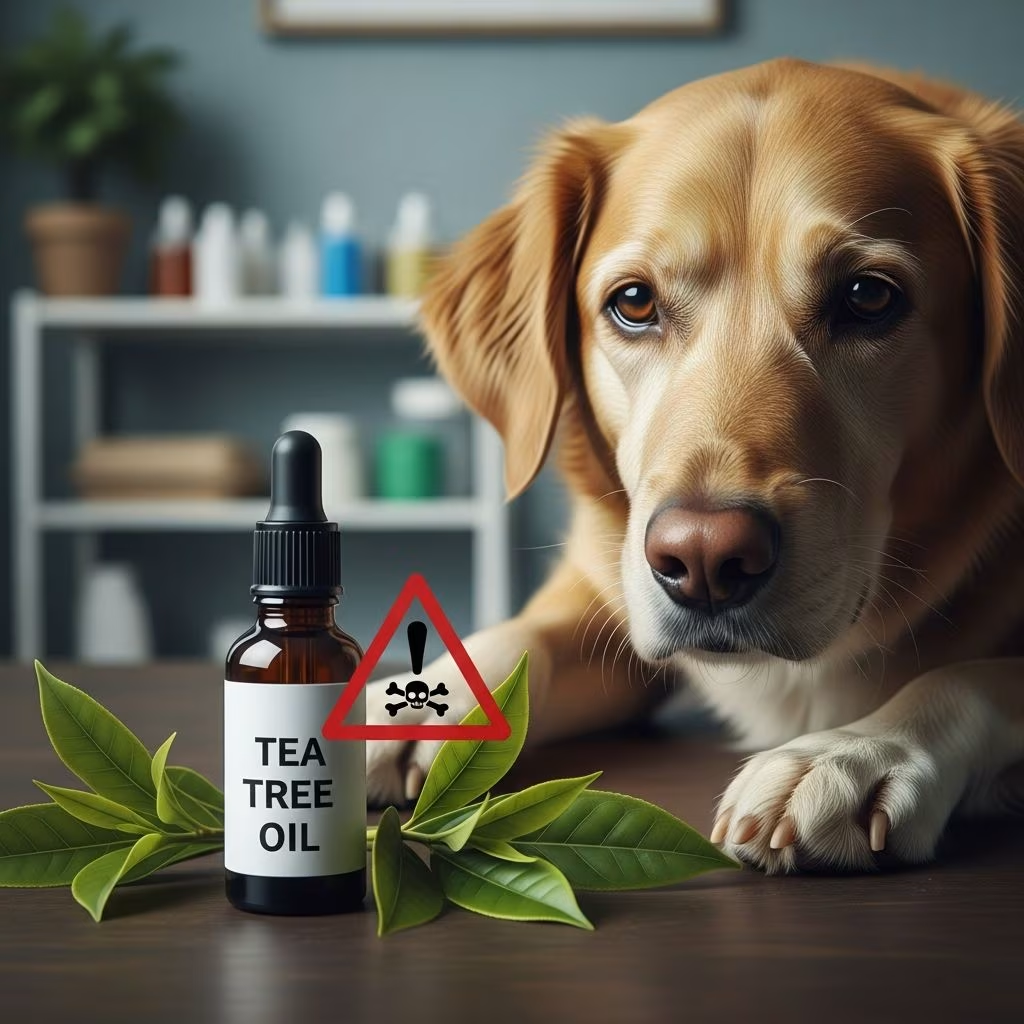
Tea tree oil has gained considerable popularity in recent years as a natural remedy for various human ailments. Pet owners, influenced by the appeal of organic and plant-based solutions, often wonder whether they can safely use this essential oil on their furry friends. Unfortunately, the answer is unequivocally no. Pure tea tree oil represents a serious health threat to dogs, and understanding this danger is crucial for responsible pet ownership.
The essential oil derived from Melaleuca alternifolia trees contains powerful compounds that can cause severe harm to canine physiology. While many pet owners mistakenly believe that “natural” automatically means “safe,” this misconception can have tragic consequences. The scientific evidence overwhelmingly demonstrates that concentrated tea tree oil should never be applied to dogs, ingested by them, or used in their vicinity.
The Composition and Why Dogs Are Vulnerable
Tea tree oil contains complex organic compounds known as terpenes, which are responsible for both its antimicrobial properties and its toxicity. These terpenes are readily absorbed through a dog’s skin and gastrointestinal tract, where they rapidly enter the bloodstream. Once absorbed, these compounds accumulate in the liver and nervous system, disrupting normal cellular function.
Dogs possess a fundamentally different metabolic makeup than humans. Their livers are less efficient at processing certain botanical compounds, and their skin provides less natural protection against topical toxins. Additionally, dogs’ natural grooming behaviors mean that any product applied to their fur or skin may be ingested, creating a dual exposure pathway. This combination of factors makes canines particularly susceptible to tea tree oil poisoning.
The concentration of the essential oil directly correlates with toxicity levels. 100% pure tea tree oil is the most dangerous form, but even diluted versions can pose risks if not properly formulated for pet use.
Quantifying the Danger: How Much Is Too Much?
One of the most alarming aspects of tea tree oil toxicity is how little exposure can cause serious harm. Research and poison control data reveal disturbing facts about dosage thresholds:
- As few as 7 drops of 100% tea tree oil has triggered severe poisoning symptoms in dogs
- Between 10 to 20 milliliters of concentrated oil can prove fatal to dogs and cats
- Individual dogs may respond differently based on body weight, age, and overall health status
- Even products marketed as “pet-safe” containing higher concentrations can be dangerous
These figures underscore the critical importance of vigilance. A well-meaning pet owner who assumes a small amount of tea tree oil is harmless could inadvertently poison their beloved companion.
Recognizing Poisoning: Symptoms and Timeline
Understanding the signs of tea tree oil toxicity allows pet owners to respond quickly if accidental exposure occurs. The symptoms manifest across multiple body systems, reflecting the compound’s widespread neurological and hepatic effects.
Timeline of Symptom Development
Poisoning symptoms typically emerge within 2 to 12 hours of exposure, though some may appear as quickly as two hours. The duration of symptoms varies based on exposure amount and individual factors, often persisting for up to three days in severe cases.
Physical and Neurological Manifestations
Dogs exposed to tea tree oil demonstrate a range of concerning symptoms affecting multiple organ systems:
- Neurological symptoms: Tremors, muscle weakness, loss of coordination (ataxia), and inability to walk properly (paresis)
- Systemic effects: Hypothermia (dangerously low body temperature), lethargy, and general weakness
- Digestive symptoms: Mouth ulcers and oral irritation from ingestion
- Severe complications: Collapse, coma, seizures, and in extreme cases, death
- Biochemical changes: Elevated liver enzyme levels indicating hepatic damage
The severity of symptoms correlates with exposure amount and concentration. Research examining 336 dogs and 106 cats exposed to 100% tea tree oil found that all animals displayed neurologic symptoms to varying degrees, demonstrating the compound’s universally toxic nature.
When Diluted Products Might Be Considered
The conversation around tea tree oil safety becomes more nuanced when discussing commercially available pet products with minimal oil concentrations. Some veterinary-formulated shampoos, ear washes, grooming wipes, and spot-on treatments do contain tea tree oil, yet manufacturers maintain these are safe when used correctly.
Safety Thresholds for Commercial Products
Products containing tea tree oil concentrations below 1 to 2 percent are generally considered non-toxic for dogs, provided that three critical conditions are met:
| Condition | Requirement |
|---|---|
| Proper Formulation | Product must be specifically designed and labeled for use on dogs |
| Precise Application | Used exactly according to label instructions without deviation |
| Owner Vigilance | Dog must be monitored to prevent licking the product off skin |
Even when these conditions are met, caution remains warranted. Individual dogs may have varying sensitivities, and some animals might react negatively to even “safe” concentrations. Before using any product containing tea tree oil, pet owners should consult their veterinarian and conduct a small patch test on a limited skin area.
Critical Safety Protocols for Pet Owners
If a pet owner chooses to use a veterinary-approved product containing diluted tea tree oil, following specific safety measures is non-negotiable:
- Verify concentration: Check the product label to confirm tea tree oil content is below 1-2%
- Confirm pet formulation: Ensure the product is explicitly labeled as safe for dogs
- Perform patch testing: Apply a small amount to a tiny skin area and observe for 24 hours before broader application
- Apply minimally: Use the smallest effective amount and avoid sensitive areas like the face and any open wounds
- Prevent ingestion: Keep the dog from licking treated areas during and after application
- Monitor continuously: Watch for any signs of irritation or systemic symptoms for at least 12 hours post-application
- Never combine products: Avoid using multiple tea tree oil products simultaneously
What NOT to Do: Common Mistakes
Certain practices are absolutely prohibited when it comes to tea tree oil and dogs:
- Never apply pure or undiluted tea tree oil directly to a dog’s skin
- Never use tea tree oil-based flea and tick treatments (despite misleading marketing claims)
- Never use essential oil diffusers in rooms where dogs spend time, as inhalation poses equivalent risks to topical or oral exposure
- Never assume that small quantities are harmless
- Never use human tea tree oil products on pets
Diagnostic Approach for Tea Tree Oil Toxicity
When a dog has been exposed to tea tree oil, veterinarians employ a multi-pronged diagnostic strategy. The process begins with a detailed exposure history, as tea tree oil toxicity is primarily diagnosed when owners provide information about potential or confirmed contact.
Veterinarians will inquire about exposure methods including whether the oil was applied topically, ingested orally, or inhaled. They will also ask about timing, as the onset of symptoms helps establish the diagnosis.
Since tea tree oil is metabolized by the liver, veterinarians typically order blood work to assess hepatic function and identify elevated liver enzymes. An abdominal ultrasound may provide additional diagnostic information about liver damage. Bringing the original product packaging to the veterinary appointment enables the vet to review the exact concentration and ingredient list.
Treatment and Recovery Management
Early intervention significantly improves outcomes for dogs exposed to tea tree oil. Treatment approaches depend on the exposure method and severity of symptoms.
For Topical Exposure
If tea tree oil was applied to the skin, bathing the dog with mild dishwashing liquid is recommended to remove remaining toxins still being absorbed through the skin. However, veterinary guidance must be obtained before bathing, as dogs already displaying neurological symptoms may require emergency stabilization first.
Supportive Care Protocols
Veterinarians employ several treatment strategies to manage tea tree oil toxicity:
- Thermoregulation: Providing external heat sources such as warming pads to combat hypothermia
- Intravenous fluid therapy: Administering IV fluids for supportive care, toxin flushing, and organ protection
- Neurological management: Using anticonvulsants if seizures occur
- Gastrointestinal intervention: Activated charcoal administration if ingestion occurred and the dog is not showing neurological signs
- Hepatic support: Medications and monitoring to protect liver function
Importantly, if a dog ingested tea tree oil and is already displaying neurological symptoms, veterinarians avoid inducing vomiting, as this can trigger aspiration pneumonia.
Safer and Proven Alternatives
Pet owners seeking natural solutions for their dogs’ skin and coat health have several safer options backed by veterinary support:
- Coconut oil: A gentle, natural moisturizer with mild antibacterial properties, safe for topical application when used minimally
- Veterinary-formulated medicated shampoos: Specifically designed for dogs with proven safety profiles
- Pet-safe chamomile products: Calming and gentle on sensitive skin
- Veterinarian-recommended topical sprays: Clinically tested and formulated specifically for canine use
- Oatmeal-based products: Soothing for irritated skin without toxicity risks
For flea and tick prevention specifically, veterinarians strongly recommend prescription-strength preventatives, which are far more effective and safer than unproven home remedies like tea tree oil.
Emergency Response Guide
If a pet owner suspects their dog has been exposed to tea tree oil, immediate action is critical:
- Contact a veterinarian immediately
- Call the Pet Poison Helpline at 855-764-7661
- Have the product packaging available when calling
- Report the amount of exposure and time of exposure
- Transport the dog to emergency veterinary care if advised
Conclusion: Protecting Your Dog From Hidden Dangers
Tea tree oil represents a clear and present danger to canine health. The scientific evidence is unambiguous: pure tea tree oil is toxic to dogs, and the margin between a “safe” amount and a toxic amount is dangerously narrow. Even well-intentioned applications of diluted products require strict adherence to safety protocols and veterinary approval.
Pet owners seeking to provide natural care for their dogs should work closely with veterinarians to identify safe, proven alternatives. The veterinary profession has developed numerous products and treatments specifically formulated for canine use that provide genuine health benefits without the serious risks associated with tea tree oil.
By understanding these dangers and making informed choices, dog owners can ensure their companions receive appropriate care while avoiding preventable toxic exposures.
References
- Is Tea Tree Oil Safe for Dogs? — PetMD. Accessed January 2026. https://www.petmd.com/dog/poisoning/is-tea-tree-oil-safe-for-dogs
- Concentrated tea tree oil toxicosis in dogs and cats — PubMed/National Center for Biotechnology Information. 2013. https://pubmed.ncbi.nlm.nih.gov/24344857/
- Tea Tree Oil — American College of Veterinary Pharmacists. https://vetmeds.org/pet-poison-control-list/tea-tree-oil/
- Tea Tree Oil & Dogs: 2025 Vet Guide to Toxicity, Safe Use & Treatment — AskAVet. January 2025. https://askavet.com/blogs/news/tea-tree-oil-dogs-2025-vet-guide-to-toxicity-safe-use-treatment
- The Dangers of Tea Tree Oil for Pets — River Road Veterinary Clinic. https://riverroadveterinary.com/the-dangers-of-tea-tree-oil-for-pets/



