

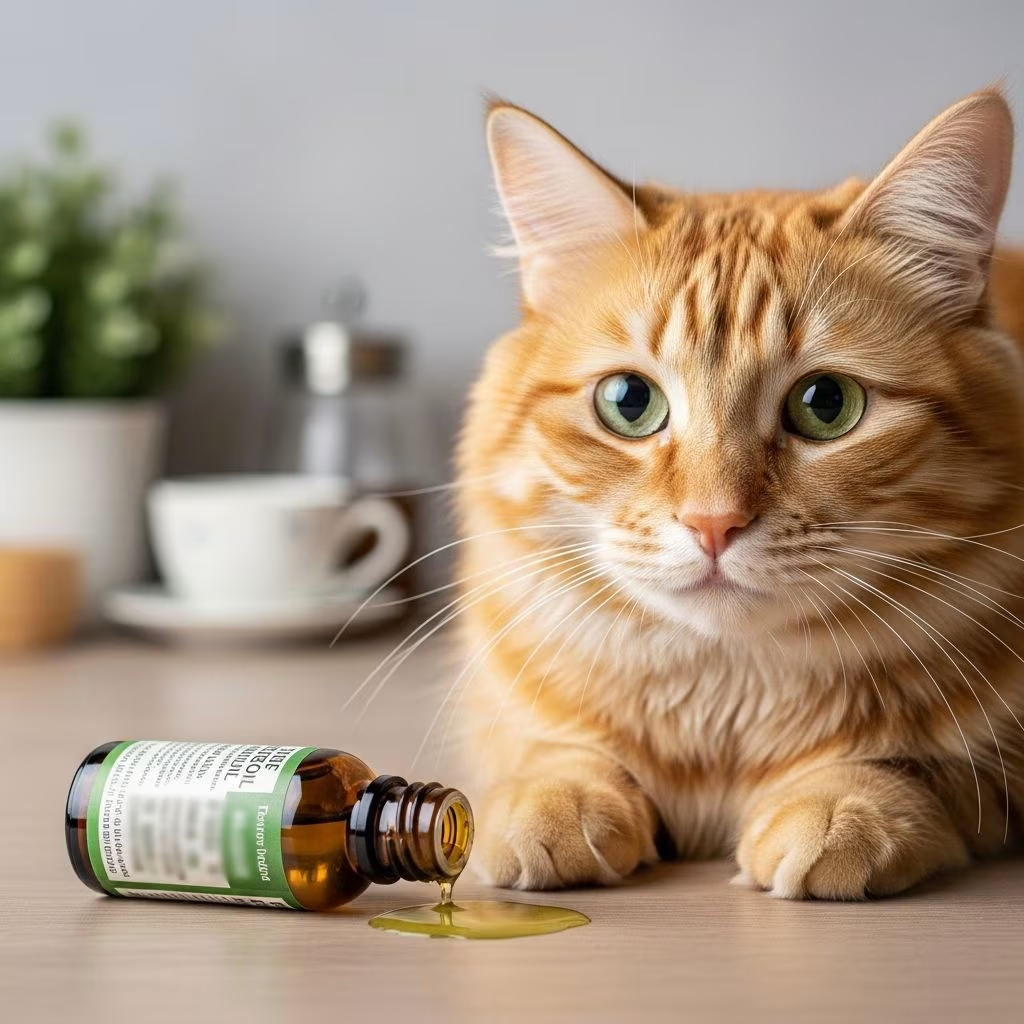
Tea tree oil has gained popularity as a natural remedy for various skin conditions in both humans and animals. However, this seemingly harmless botanical extract poses significant health risks to cats, making it one of the most dangerous essential oils pet owners can keep in their homes. Understanding the toxicity mechanisms, recognizing warning signs, and knowing how to respond to accidental exposure are crucial for any cat owner concerned with feline welfare.
Understanding Tea Tree Oil and Its Toxic Components
Tea tree oil, derived from the leaves of the Australian Melaleuca alternifolia plant, contains numerous active compounds called terpenes. These organic molecules are responsible for the oil’s antimicrobial and antifungal properties, making it effective against bacteria and fungi. Unfortunately, the same terpenes that give tea tree oil its therapeutic benefits for humans are the compounds that render it highly toxic to felines.
Terpenes are rapidly absorbed into a cat’s body whether ingested orally or applied topically to the skin. This dual absorption pathway means that both accidental ingestion and skin contact present serious poisoning risks. The oil’s lipid-soluble nature allows it to penetrate the skin barrier quickly, particularly in cats who lack certain liver enzymes needed to metabolize these compounds efficiently.
The concentration of tea tree oil matters significantly in determining toxicity levels. While commercially available pet products formulated with 0.1% to 1% tea tree oil concentration are generally considered safe when used as directed, pure or concentrated 100% tea tree oil is extremely dangerous. This undiluted form can cause life-threatening poisoning with exposures as minimal as 7-8 drops applied directly to skin.
Why Cats Are Particularly Vulnerable
Cats are notably more susceptible to tea tree oil toxicity than dogs, and this heightened vulnerability stems from metabolic differences. Cats have limited ability to metabolize and eliminate certain compounds, particularly those processed through the liver. The toxic metabolites from terpenes accumulate in feline systems more readily than in canine or human bodies.
Additionally, cats are meticulous groomers who constantly lick their fur and skin. If tea tree oil is applied to a dog in a multi-pet household, cats may ingest the oil while grooming their canine companions, creating an unexpected exposure pathway. This grooming behavior dramatically increases the toxicity risk of topical applications in homes with multiple animals.
Age and body weight also influence susceptibility. Younger cats and those with lighter body weights face greater risk of developing severe illness when exposed to tea tree oil. This pattern reflects how smaller bodies have less physiological capacity to handle toxic compounds.
Recognizing the Signs of Tea Tree Oil Poisoning
Symptoms of tea tree oil toxicity typically emerge within 2 to 12 hours following exposure, though onset can occasionally be delayed up to 8 hours. The severity of clinical signs varies depending on the amount of oil exposure and individual cat factors. Pet owners should watch for the following indicators:
- Excessive drooling or salivation beyond normal levels
- Vomiting or gagging
- Loss of appetite or refusal to eat
- Lethargy, depression, or unusual unresponsiveness
- Muscle tremors or involuntary shaking
- Loss of coordination or ataxia, manifesting as stumbling or unsteady gait
- Partial or complete rear limb paralysis
- Weakness affecting the ability to stand or walk normally
- Hypothermia or abnormally low body temperature
- Seizures in severe cases
- Altered level of consciousness, confusion, or coma in critical situations
The neurological system bears the brunt of tea tree oil toxicity, with central nervous system depression being the most frequently observed effect. This manifests as lethargy, behavioral changes, and loss of coordination. In severe poisoning cases, affected cats may experience tremors, seizures, and life-threatening coma states.
Beyond neurological symptoms, tea tree oil toxicity can affect multiple organ systems. The liver, which metabolizes the toxic terpenes, commonly shows elevated enzyme levels on blood tests. Gastrointestinal symptoms like vomiting reflect the irritative effects of the oil. Skin irritation at application sites and cardiovascular changes may also occur in poisoned cats.
Exposure Routes and Risk Assessment
Understanding how cats become exposed to tea tree oil helps pet owners identify and eliminate risks in their homes. Research analyzing 443 cases of tea tree oil toxicity in companion animals found multiple exposure pathways:
| Exposure Route | Percentage of Cases | Risk Profile |
|---|---|---|
| Skin contact only (cutaneous) | 50% | Moderate to high |
| Skin and mouth contact (mixed) | 30% | High |
| Ingestion only (oral) | 15% | Very high |
| Other routes | 5% | Varies |
Most tea tree oil exposures in animals resulted from intentional use by owners, often applied in attempts to treat skin conditions, repel parasites, or address other health concerns. The misconception that natural products are automatically safer than pharmaceutical alternatives drives many well-intentioned but dangerous applications.
Accidental exposures occur when pets access bottles of pure tea tree oil stored in accessible locations, or when owners miscalculate dilution ratios for topical applications. Some pet products marketed as safe may still pose risks if concentration information is unclear or if products are used improperly.
Timeline and Progression of Toxicity Symptoms
The temporal progression of tea tree oil toxicity follows a fairly predictable pattern. Clinical signs typically appear within 2 to 12 hours, with some cases showing delayed onset up to 8 hours post-exposure. Once symptoms begin, they persist and may worsen over the following 24 to 72 hours as the toxic compounds accumulate in the body and metabolites damage organs.
Mild poisoning cases may resolve within 2 to 4 days with appropriate supportive care, while severe cases can require a full week or longer for complete recovery. Even after symptoms appear to resolve, cats require careful monitoring as organ damage, particularly liver injury, may have longer-term consequences.
Diagnostic Challenges in Emergency Settings
Veterinarians face significant diagnostic challenges when evaluating cats presenting with tea tree oil toxicity symptoms, particularly when owners don’t suspect or report the exposure. The neurological signs—lethargy, tremors, and incoordination—resemble symptoms of other serious conditions, potentially delaying appropriate diagnosis and treatment.
Without knowledge of tea tree oil exposure, veterinarians may pursue diagnostic tests for other conditions, wasting valuable time during the critical early treatment window. This underscores the importance of owners immediately informing their veterinarian of any tea tree oil contact, regardless of whether they think exposure amount was significant.
Treatment Options and Medical Management
Unfortunately, no antidote exists for tea tree oil toxicity. Treatment relies entirely on supportive care and symptomatic management to help cats’ bodies eliminate the toxic compounds and recover normal function. Prompt veterinary intervention significantly improves outcomes.
Immediate decontamination represents the first critical step. If tea tree oil exposure is recognized immediately, thorough bathing with mild dish soap can remove oil from the skin surface before significant absorption occurs. This simple measure can prevent or reduce severity of poisoning if performed within minutes of exposure.
Activated charcoal may be administered following oral ingestion to bind remaining oil in the gastrointestinal tract, but only in mild to moderate cases where the cat can swallow safely. Activated charcoal is contraindicated in severe poisoning cases due to aspiration risks. Inducing vomiting is not recommended because the oil’s thick consistency and neurological effects increase aspiration pneumonia risk.
Intravenous fluid therapy becomes essential in moderate to severe cases, supporting organ function and facilitating toxin elimination through the kidneys. Hospitalization allows continuous monitoring of vital signs, neurological status, and organ function through blood work.
Symptom-specific medications address complications as they arise. Tremor-controlling medications, anti-seizure drugs, and anti-nausea medications improve comfort and prevent dangerous complications. Heat therapy helps combat the hypothermia common in poisoned cats.
Hepatoprotective supplements provide liver protection during and after the acute poisoning phase. Silymarin (milk thistle extract) and SAM-e (S-adenosylmethionine) support liver function and are typically recommended for two weeks following exposure.
Average hospitalization and recovery time spans several days to a week, depending on severity. Some cases resolve in 48 to 72 hours, while severe poisonings may require week-long hospitalization and monitoring.
Prevention Through Proper Storage and Product Awareness
The most effective approach to protecting cats from tea tree oil toxicity is complete prevention through careful household management. Owners should never keep bottles of 100% or concentrated tea tree oil accessible to pets. These bottles should be stored in locked cabinets or secure locations where curious cats cannot knock them over or access them.
When evaluating pet care products, owners must carefully read ingredient lists and concentration information. Products containing 0.1% to 1% tea tree oil concentration, properly formulated and used only as directed, carry minimal risk. However, homemade dilutions of pure tea tree oil should be avoided entirely, as miscalculation of ratios is extremely easy and dangerous.
Pet owners with dogs that receive tea tree oil treatments should never apply it to dogs in homes with cats, due to the grooming transmission risk. The temptation to use tea tree oil for feline skin conditions should be firmly resisted—safer pharmaceutical options exist that effectively treat the same conditions without toxicity risks.
Safe Alternatives for Common Skin Concerns
For cats experiencing skin problems that owners might consider treating with tea tree oil, numerous safe and proven alternatives provide effective treatment without toxicity risks. Veterinary dermatologists and feline medicine specialists can recommend prescription-strength treatments, medicated shampoos formulated for cats, and other therapeutic approaches tailored to specific skin conditions.
Many traditional pharmaceutical treatments demonstrate superior efficacy to tea tree oil for specific conditions anyway. Rather than risking toxicity with unproven natural remedies, working with a veterinarian to identify the underlying skin issue and implement appropriate treatment provides both safety and better outcomes.
Frequently Asked Questions About Tea Tree Oil and Cats
Can small amounts of tea tree oil harm cats?
Yes. As little as 7-8 drops of pure tea tree oil applied to a cat’s skin can potentially cause serious toxicity or death. Even seemingly small exposures carry significant risk due to cats’ heightened vulnerability.
What if my cat was exposed hours ago and hasn’t shown symptoms yet?
Contact a veterinarian immediately rather than waiting. Symptoms can take up to 8 hours to appear, and prompt treatment during this window improves outcomes. Do not wait for symptoms to develop before seeking professional help.
Are there any safe tea tree oil products for cats?
Only products specifically formulated with very low tea tree oil concentrations (0.1% to 1%) and labeled for cat use can be considered potentially safe. Even then, follow directions precisely and monitor closely. Never use products formulated for human use on cats.
My cat ingested tea tree oil. What should I do?
Contact your veterinarian or an emergency veterinary clinic immediately. Provide information about the concentration of oil, estimated amount ingested, and time of exposure. Do not attempt home treatment—professional veterinary care is essential.
Why is tea tree oil in some pet products if it’s toxic?
Properly formulated products with very low concentrations are considered safe when used as directed. However, pet owners should still exercise caution, verify concentrations, and never use human tea tree oil products on pets.
When to Seek Emergency Veterinary Care
Any suspected tea tree oil exposure in cats warrants immediate veterinary evaluation, even if the cat shows no symptoms yet. Additionally, seek emergency care if your cat displays any of these signs, whether or not you suspect tea tree oil exposure:
- Excessive drooling or inability to swallow normally
- Sudden weakness, collapse, or inability to stand
- Tremors, seizures, or muscle rigidity
- Loss of consciousness or profound lethargy
- Difficulty breathing or respiratory distress
- Extreme temperature changes or shivering
- Repeated vomiting or inability to keep water down
Time is critical in tea tree oil toxicity cases. Prompt recognition and treatment significantly influence survival rates and recovery quality.
Long-Term Considerations After Recovery
Cats who have experienced tea tree oil toxicity may require follow-up veterinary assessments to ensure complete recovery and assess potential long-term organ damage. Liver function should be monitored through blood work several weeks after the acute poisoning episode. Some cats may experience lingering neurological effects or require ongoing supportive care.
Owners of recovered cats should take extra precautions to prevent future exposures, as cats who have survived one poisoning incident aren’t necessarily protected from severe effects upon re-exposure. Complete elimination of tea tree oil from the household remains the safest approach.
References
- Concentrated tea tree oil toxicosis in dogs and cats — NCBI PubMed Central. 2014-01-15. https://pubmed.ncbi.nlm.nih.gov/24344857/
- Is Tea Tree Oil Safe for Pets? — PetMD. 2014-01-17. https://www.petmd.com/blogs/thedailyvet/ken-tudor/2014/january/tea-tree-oil-safe-pets-31282
- Essential Oils for Cats: Are They Safe? — Hill’s Pet Nutrition. https://www.hillspet.com/cat-care/routine-care/essential-oils-for-cats
- Tea Tree Oil and Pets — Angel Animal Hospital. https://myangelanimalhospital.com/tea-tree-oil-pets/
- The Dangers of Tea Tree Oil for Pets — River Road Veterinary Clinic. https://riverroadveterinary.com/the-dangers-of-tea-tree-oil-for-pets/
- Tea Tree Oil — American College of Veterinary Pharmacists. https://vetmeds.org/pet-poison-control-list/tea-tree-oil/



