

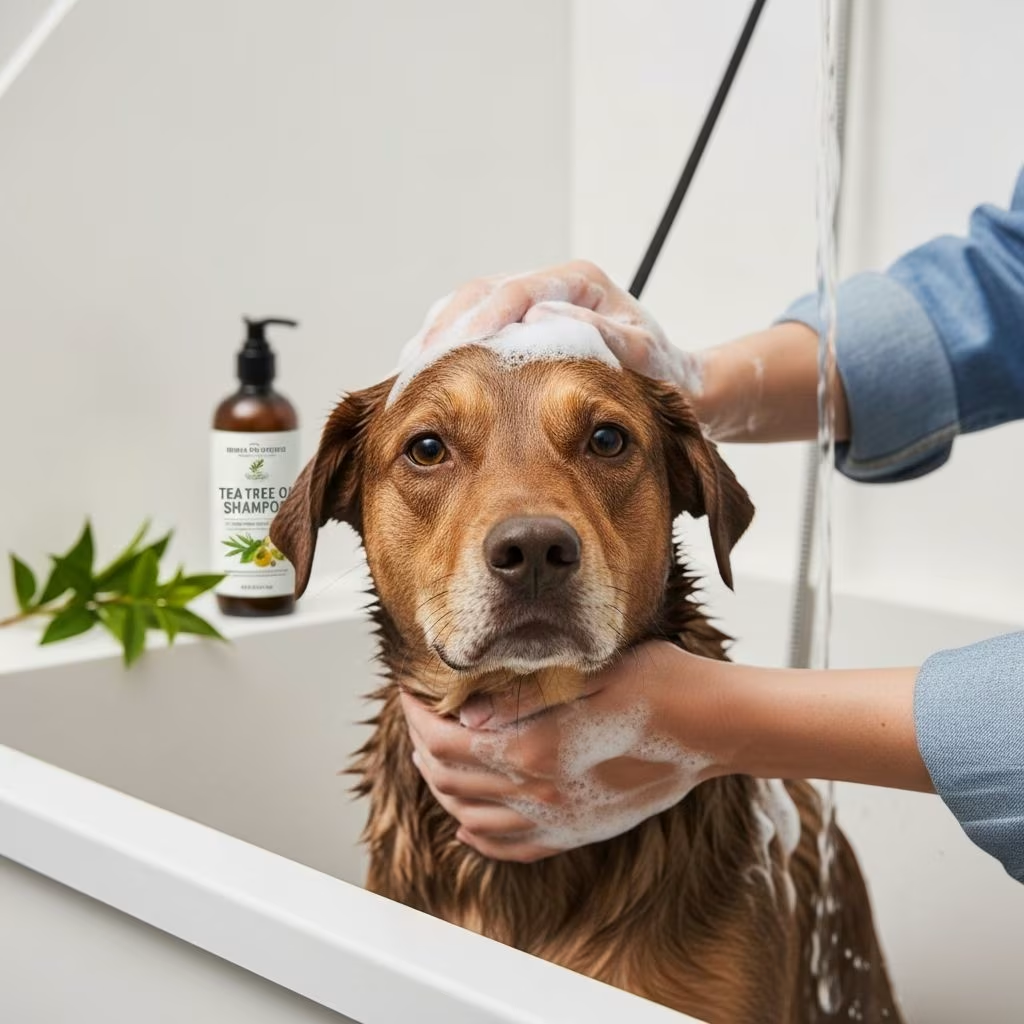
Tea tree oil, derived from the Melaleuca alternifolia plant, has gained attention in pet grooming for its potential antimicrobial properties when incorporated into dog shampoos at safe concentrations. While pure, undiluted forms pose significant risks, diluted versions in commercial products offer a natural option for managing common skin conditions in dogs.
Understanding Tea Tree Oil’s Properties and Pet Relevance
Native to Australia, tea tree oil contains terpinen-4-ol, a compound with antibacterial, antifungal, and anti-inflammatory effects beneficial for human skin issues. In veterinary contexts, these properties make it appealing for dogs prone to yeast overgrowth, bacterial infections, or itchy dermatitis. However, dogs metabolize essential oils differently due to their liver enzymes, necessitating extreme caution.
Holistic approaches highlight that high-quality, properly diluted tea tree oil can support skin health without the harshness of synthetic chemicals. Veterinary sources emphasize that the oil’s efficacy shines in low concentrations, typically under 2%, blended with carriers like peppermint or eucalyptus for enhanced soothing effects.
Debunking Myths Around Tea Tree Oil Toxicity
Much concern stems from cases involving 100% pure tea tree oil, where as few as 7-8 drops applied topically caused severe poisoning in dogs, leading to symptoms like ataxia, tremors, and elevated liver enzymes. These incidents, documented by poison control centers, involved undiluted applications—never intended for direct skin contact on pets or humans.
- Pure oil risks: Rapid absorption through skin or ingestion leads to neurological depression and potential fatality at 10-20 mL doses.
- Diluted safety: Concentrations below 1-2% in shampoos show low toxicity when used as directed, per toxicological reviews.
- Synthetic mimics: Many household cleaners use fragrance oils mimicking tea tree scent, which lack benefits and carry unknown risks—avoid these entirely.
Expert analysis from aromatherapists like Dr. Melissa Shelton attributes most toxicities to adulterated oils or overdosing, not pure forms used correctly. A study on over 12 million bottles sold reported adverse events in just 0.000013% of cases, underscoring rarity when guidelines are followed.
Safe Dilution Guidelines for Dog Shampoos
For optimal safety, select shampoos with verified tea tree oil at 0.1-2% alongside USDA-certified organic bases. Tisserand and Young’s essential oil safety reference confirms unoxidized tea tree oil poses minimal risk up to 10% dermally, but pet products stay far lower to account for licking behavior.
| Concentration Level | Safety for Dogs | Typical Use |
|---|---|---|
| 100% Pure | Highly Toxic | Never apply directly |
| 1-2% | Generally Safe | Shampoos, wipes |
| <0.1% | Very Low Risk | Sprays, conditioners |
| Tri-blends (e.g., with peppermint) | Safe & Effective | Yeast/bacterial support |
Always rinse thoroughly post-bath and prevent licking for 30 minutes. Avoid diffusers or oral use, as inhalation or ingestion amplifies risks.
Benefits for Common Canine Skin Conditions
Dogs with chronic ear infections, hot spots, or Malassezia dermatitis benefit from tea tree shampoos as gentler alternatives to drugs like ketoconazole. The oil disrupts fungal cell membranes and reduces bacterial biofilms, promoting healthier skin flora.
- Yeast infections: Antifungal action targets overgrowth in moist areas like paws and folds.
- Bacterial issues: Inhibits pathogens without disrupting beneficial microbes.
- Itch relief: Cooling sensation from blends soothes irritation.
Users report shinier coats and reduced odor after consistent use, though results vary by underlying health.
Recognizing and Responding to Toxicity Signs
Monitor for drooling, weakness, vomiting, or uncoordinated movement post-exposure. If suspected, bathe immediately with mild dish soap to remove residue, avoiding vomiting induction if neurological signs appear.
Contact a vet or Pet Poison Helpline (855-764-7661) promptly. Activated charcoal may bind ingested toxins, with supportive care like IV fluids aiding recovery. Most cases resolve with early intervention.
Choosing Quality Tea Tree Dog Shampoos
Opt for transparent labels listing pure essential oils, not “fragrance.” Third-party certifications ensure no synthetics. Avoid human products, as they often exceed safe dilutions.
- Verify organic sourcing to minimize adulteration.
- Check for multi-oil blends enhancing efficacy.
- Read reviews from verified pet owners.
Store shampoos away from pets to prevent accidental ingestion.
Alternatives to Tea Tree Oil Products
For sensitive dogs, consider oatmeal-based shampoos, chlorhexidine washes, or vet-prescribed medicated options. Natural alternatives like coconut oil or apple cider vinegar dilutions offer mild antimicrobial support without essential oil risks.
| Option | Pros | Cons |
|---|---|---|
| Tea Tree Shampoo (diluted) | Natural, multi-action | Monitor for sensitivity |
| Oatmeal Shampoo | Soothing, hypoallergenic | Less antimicrobial |
| Chlorhexidine | Potent antibacterial | Chemical, drying |
Frequently Asked Questions
Can all dogs use tea tree oil shampoo?
Puppies, pregnant dogs, or those with liver issues should avoid it; consult a vet first.
How often to bathe with tea tree shampoo?
1-2 times weekly for active issues, reducing to monthly maintenance.
Is tea tree oil effective against fleas?
No; use vet-approved preventatives instead.
What if my dog licks the shampoo?
Rinse immediately and watch for GI upset; small amounts are usually tolerated.
Are there long-term effects from safe use?
No evidence of harm with proper dilution and sporadic use.
Best Practices for Integration into Grooming Routines
Combine with brushing, diet adjustments (e.g., omega-3s for skin health), and regular vet check-ups. Track skin responses in a journal to tailor frequency. Educate family on storage to prevent mishaps.
For breeds like Bulldogs or Retrievers with skin folds, targeted wipes with low-concentration tea tree can prevent infections proactively.
References
- Is Tea Tree Shampoo Safe for Dogs? — 4-Legger. 2023. https://www.4-legger.com/blogs/fetch-the-dog-blog/is-tea-tree-oil-safe-for-dogs
- Tea Tree Oil and Pets — Angel Animal Hospital. 2023. https://myangelanimalhospital.com/tea-tree-oil-pets/
- Is Tea Tree Oil Safe for Dogs? — PetMD. 2024-02-17. https://www.petmd.com/dog/poisoning/is-tea-tree-oil-safe-for-dogs
- Is Tea Tree Oil Safe for Dogs and Cats? — Earthbath. 2023. https://earthbath.com/blogs/earthbath-blog/tea-tree-oil-for-dogs-and-cats
- Tea Tree Oil Is Toxic to Dogs – Emergency Guide — GSVS. 2024. https://gsvs.org/blog/tea-tree-oil-is-toxic-dogs-emergency-guide/
- Tea Tree Oil — American College of Veterinary Pharmacists. 2023. https://vetmeds.org/pet-poison-control-list/tea-tree-oil/



