

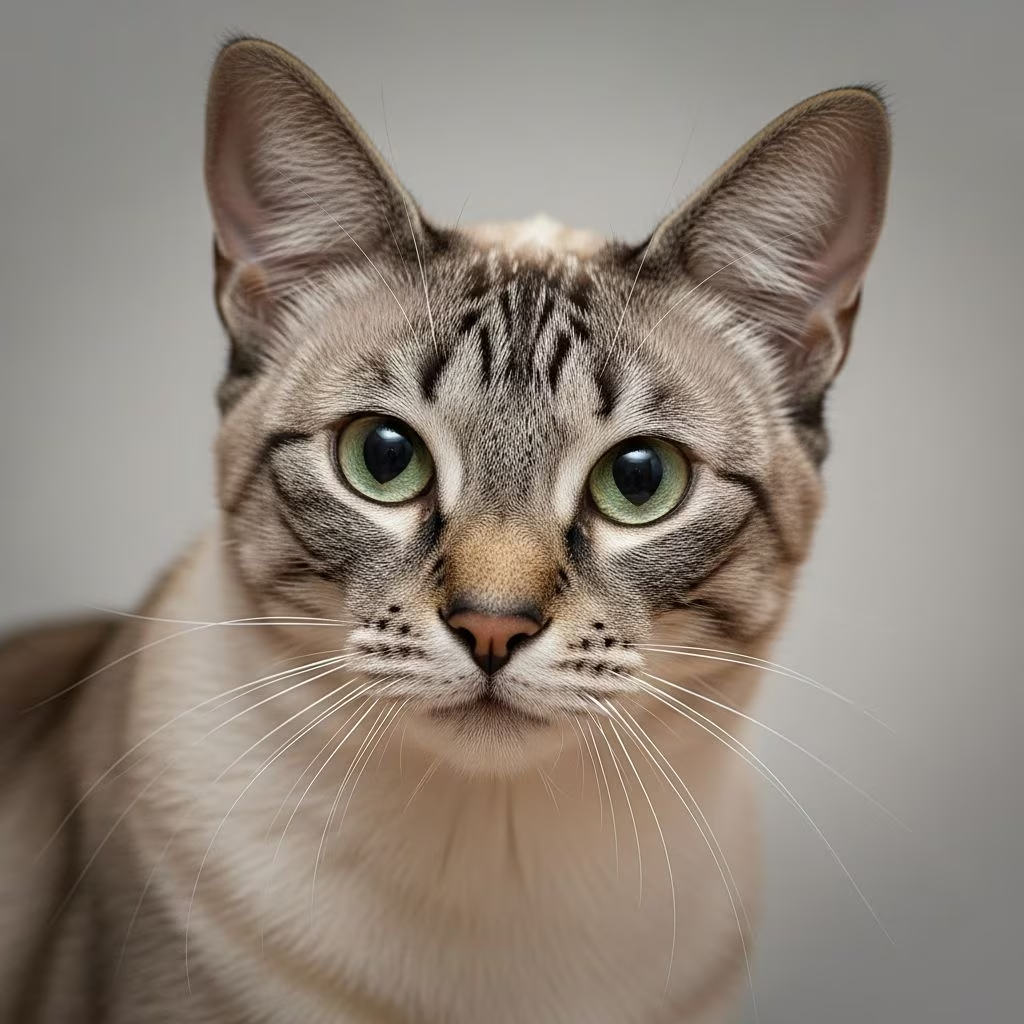
Why Taurine for Cats Is So Important for Your Cat’s Nutrition
When you pour your feline companion a bowl of cat kibble, you’re providing far more than just tasty animal protein. Along with essential vitamins and minerals, you’re delivering one of the most critical nutrients for your cat’s wellbeing: taurine. This amino acid plays a fundamental role in maintaining optimal feline health, yet many pet parents don’t fully understand its significance. Understanding taurine and why cats need it is essential for making informed dietary choices that will support your kitty’s long-term health and vitality.
Understanding Taurine: The Essential Amino Acid
Taurine is an amino acid that is naturally found in animal-based proteins and is essential to your cat’s health. Unlike other amino acids, taurine exists as a free amino acid in body tissues rather than being incorporated into proteins. This unique characteristic makes it particularly important for feline nutrition.
As obligate carnivores, cats are biologically designed to survive entirely on protein. Their digestive systems and metabolic pathways have evolved to extract nutrition from meat-based sources. Because taurine is predominantly found in animal-derived proteins, it naturally occurs in all quality cat food products. However, what makes taurine truly special is that cats cannot synthesize adequate amounts on their own.
Unlike omnivores such as humans, cats lack sufficient enzyme activity to produce adequate taurine from other amino acids like cysteine and methionine. While cats can manufacture small amounts of taurine, the enzyme required to convert cysteine to taurine is in short supply and is needed for other important physiological processes. This metabolic limitation means that without an adequate dietary supply of taurine, cats will eventually become taurine deficient.
Key Functions of Taurine in Feline Health
Taurine performs multiple critical functions throughout your cat’s body. Understanding these roles helps explain why supplementing your cat’s diet with adequate taurine is non-negotiable for responsible pet ownership.
Heart and Cardiovascular Health
One of the most vital roles of taurine is supporting healthy heart function. Taurine is distributed in high concentrations in the heart wall muscles, where it plays a crucial role in regulating the heart’s ability to contract and pump blood effectively. This amino acid also helps the heart save and make energy, maintaining proper cardiovascular function throughout your cat’s lifetime.
Taurine supports healthy blood flow and helps strengthen the heart muscle, ensuring efficient oxygen delivery throughout the body. By maintaining proper taurine levels, you’re actively protecting your cat’s cardiovascular system from deterioration.
Vision and Eye Health
Taurine is essential for maintaining optimal vision in cats. This amino acid concentrates in the retina of the eye, where it protects retinal cells and preserves vision quality. The protective function of taurine helps cats maintain the sharp eyesight they depend on for hunting and navigating their environment, even as they age.
Digestive Function
Taurine plays an important role in digestive health by aiding in the production of bile salts, which are necessary for fat digestion. Without adequate taurine, cats may experience diarrhea and other digestive problems that compromise nutrient absorption and overall health.
Reproductive and Growth Development
For breeding cats and kittens, taurine is absolutely critical. This amino acid is essential for optimal reproductive performance and proper growth and development. Both queens and kittens must maintain adequate taurine levels during pregnancy, lactation, and the critical growth phase to ensure proper structural development and future reproductive capability.
Immune System Support
Taurine contributes to maintaining a healthy immune system in cats. When cats don’t receive enough taurine, their immune systems may not function properly, making them unable to fight viruses effectively and becoming more prone to disease.
Nervous System and Brain Function
Taurine concentrates in the brain and is involved in proper nervous system development and function. This amino acid supports cognitive health and neurological stability throughout your cat’s life.
The Serious Consequences of Taurine Deficiency
Since taurine is an essential amino acid, a deficiency can cause severe and potentially life-threatening health problems. The consequences of inadequate taurine intake are particularly concerning because they often affect the organs where taurine is most concentrated.
Dilated Cardiomyopathy (DCM)
One of the most serious conditions associated with taurine deficiency is dilated cardiomyopathy, commonly referred to as DCM. This heart disease involves enlargement of the heart, leading to heart failure. DCM is a direct consequence of prolonged taurine deficiency and can be life-threatening. The good news is that in many cases, heart problems caused by taurine deficiency can be reversed or prevented through proper supplementation and dietary changes.
Blindness and Retinal Degeneration
Taurine deficiency can lead to retinal degeneration, causing vision impairment or even permanent blindness. Because taurine concentrates in high levels in the retina, cats lacking adequate taurine are particularly vulnerable to this devastating condition. Unlike some other taurine-deficiency symptoms, retinal damage may be irreversible if the deficiency persists too long.
Growth and Developmental Issues
Kittens and young cats with insufficient taurine may experience stunted growth and developmental delays. These issues can have lasting effects on the cat’s size, strength, and overall health trajectory.
Reproductive Problems
Cats suffering from taurine deficiency often face reproductive challenges, including reduced fertility, poor pregnancy outcomes, and inadequate milk production for nursing kittens. This can prevent successful breeding and compromise the health of offspring.
Additional Health Complications
Beyond the major conditions listed above, taurine deficiency can cause:
- Tooth decay and dental problems
- Decreased energy levels and lethargy
- Weakened immune function leading to increased susceptibility to illness
- Digestive problems including diarrhea and malabsorption issues
- Overall muscle weakness and poor physical condition
Taurine Sources for Cats
Understanding where taurine comes from helps you make better nutritional choices for your feline companion. Taurine is naturally present in quality cat foods, but the amount and bioavailability can vary significantly.
Natural Food Sources
Taurine is exclusively found in animal-derived proteins, making meat, fish, and poultry the primary natural sources. High-quality protein ingredients include:
- Muscle meats: Fresh beef, chicken, turkey, and lamb are excellent taurine sources containing ample amounts of this essential amino acid
- Organ meats: Chicken liver, beef liver, and heart are nutritional powerhouses packed with taurine. These can be incorporated into your cat’s diet in small amounts as occasional supplements or treats
- Shellfish: Shrimp and crab offer delicious options that provide essential nutrients including taurine, though these should be given occasionally
Commercial Cat Food Sources
In commercial cat foods, taurine naturally occurs in animal-based protein ingredients. Additionally, pet food companies often add taurine separately to ensure the final product meets your cat’s nutritional requirements. The high-temperature processing methods used to manufacture dry kibble can reduce taurine content, making supplementation necessary in many cases.
Supplements and Fortified Foods
Pet parents preparing homemade cat food should be aware that cooking can decrease the amount of taurine in meat, making supplementation necessary. Various taurine supplements are available on the market to help ensure cats receive adequate amounts of this vital nutrient. However, it’s important to choose quality supplements and consult with your veterinarian about appropriate dosing.
Choosing the Right Cat Food
When selecting cat food, prioritizing taurine content is essential. Look for products that explicitly list animal-based protein sources as primary ingredients and confirm that taurine has been added to meet AAFCO (Association of American Feed Control Officials) standards for complete and balanced cat nutrition.
Quality matters significantly because the nutrient density and bioavailability of taurine varies depending on the food’s manufacturing process and ingredient quality. Premium cat foods, particularly those emphasizing high animal protein content and minimal processing, typically provide superior taurine levels compared to budget brands.
Supplementation Considerations
While supplementation can increase your pet’s taurine supply, it’s important to understand that supplements alone may not provide enough taurine to prevent all health problems. The most effective approach combines a high-quality diet rich in animal-based proteins with supplementation when needed, all under veterinary guidance.
Always consult with your veterinarian before starting any supplementation regimen, as they can recommend appropriate products and dosages based on your individual cat’s age, weight, and specific health conditions.
Why Taurine Deficiency Remains a Concern
Although taurine was identified as an essential component of cat diet in the late 1980s, and all commercial cat foods have since been enriched with taurine, deficiency remains a concern. A high number of cats given unfortified commercial foods continue to suffer from taurine insufficiency. Additionally, because cats can’t absorb all the taurine in processed foods and can’t synthesize the difference between absorption and demand, maintaining adequate taurine levels requires consistent dietary attention.
Creating a Taurine-Rich Diet for Your Cat
To ensure your cat receives adequate taurine, focus on providing a balanced diet that emphasizes taurine-rich protein sources. Consider these recommendations:
- Select commercial cat foods that explicitly state taurine content on the label
- Prioritize wet food over dry kibble when possible, as wet foods often retain more taurine
- If feeding homemade diets, include organs, muscle meat, and consider taurine supplementation
- Avoid plant-based or grain-heavy diets that lack adequate animal protein
- Consult with your veterinarian about your specific cat’s nutritional needs
Special Taurine Requirements for Different Life Stages
Different life stages require attention to taurine levels. Kittens, pregnant and nursing queens, and senior cats may have varying taurine requirements. It’s always recommended to consult with your veterinarian to determine the specific dietary requirements and appropriate portions for your individual cat, as they can provide tailored guidance based on factors such as age, weight, and any underlying health conditions.
Frequently Asked Questions About Taurine for Cats
Q: Can cats produce their own taurine?
A: Cats can produce small amounts of taurine, but the enzyme required to manufacture it is in short supply and needed for other physiological processes. Therefore, cats must obtain most of their taurine from their diet.
Q: What are the signs of taurine deficiency in cats?
A: Signs include decreased energy levels, vision problems or blindness, heart problems, digestive issues, reproductive difficulties, and poor immune function. Some symptoms develop gradually, making regular veterinary checkups important.
Q: Is taurine deficiency reversible?
A: Many taurine-deficiency conditions, particularly heart problems like dilated cardiomyopathy, can be reversed or prevented through proper supplementation and dietary changes. However, retinal damage from prolonged deficiency may be irreversible.
Q: How much taurine does my cat need daily?
A: Taurine requirements vary by age, weight, and health status. Your veterinarian can recommend appropriate daily intake for your specific cat. Most quality commercial cat foods contain adequate taurine when fed as directed.
Q: Are all commercial cat foods adequate in taurine?
A: While most modern commercial cat foods are fortified with taurine to meet AAFCO standards, quality and bioavailability vary. Some unfortified or poorly manufactured foods may still be inadequate, which is why selecting reputable brands is important.
Q: Can taurine supplements have side effects?
A: When used appropriately and under veterinary guidance, taurine supplements are generally safe for cats. However, always consult your veterinarian before starting supplementation to ensure proper dosing.
Q: Is taurine only important for certain cat breeds?
A: No, taurine is essential for all cats regardless of breed. All felines have the same physiological need for adequate taurine intake to maintain optimal health.
References
- Why taurine is so important for cats and dogs — Royal Canin US. 2024. https://www.royalcanin.com/us/about-us/our-nutritional-approach/why-taurine-is-so-important-for-cats-and-dogs
- Taurine For Cats: Its Benefits, Sources & Requirements — IAMS Asia. 2024. https://sg.iams.asia/cat/cat-articles/importance-taurine-cat-food
- 5 Taurine-Rich Foods for Cats: Dr. Ruth Roberts’ Tips — Dr. Ruth Roberts. 2024. https://drruthroberts.com/blogs/pet-blog/5-foods-with-taurine-for-cats
- Taurine for Cats: What It Is, and Why It’s So Essential — Chewy. 2024. https://www.chewy.com/education/cat/food-and-nutrition/taurine-for-cat-nutrition
- What is Taurine, and Why Do Cats Need It? — PetMD. 2014. https://www.petmd.com/blogs/nutritionnuggets/cat/dr-coates/2014/december/what-taurine-32287
- Purrfect Health: Taurine for Cats [Complete Guide] — Holistapet. 2024. https://www.holistapet.com/blogs/cat-care/taurine-for-cats
- Taurine Deficiency in Cats — PetMD. 2024. https://www.petmd.com/cat/conditions/cardiovascular/taurine-deficiency-cats



