

Tartar Prevention in Dogs: A Comprehensive Guide to Maintaining Your Dog’s Oral Health
Dental health is a critical aspect of your dog’s overall well-being that is often overlooked by pet owners. Tartar buildup on a dog’s teeth can lead to serious health complications if left unaddressed. Understanding how tartar forms and implementing effective prevention strategies can help ensure your furry companion maintains a healthy mouth throughout their life. This guide covers everything you need to know about tartar prevention in dogs, from at-home care to professional treatments.
Understanding Tartar and Its Impact on Your Dog’s Health
Tartar, also known as calculus, is a hardened buildup that forms on your dog’s teeth over time. It develops when plaque—a sticky film of bacteria and food debris—accumulates on the tooth surface and hardens. Unlike plaque, which can sometimes be managed through brushing, tartar cannot be removed by at-home methods alone and requires professional intervention.
The consequences of untreated tartar buildup can be severe. When tartar accumulates, it creates an environment for harmful bacteria to thrive, leading to periodontal disease, gum inflammation, tooth decay, and in advanced cases, tooth loss. Additionally, infections from dental disease can spread to other organs in your dog’s body, potentially affecting the heart, kidneys, and liver. This makes tartar prevention not just a matter of oral hygiene, but a crucial component of your dog’s overall health management.
The Importance of Early Prevention
Periodontal disease can begin affecting dogs as early as three years of age. By implementing prevention strategies early in your dog’s life, you can significantly reduce the risk of serious dental problems. Prevention is always more cost-effective and less invasive than treating advanced dental disease, making it an investment in both your dog’s health and your wallet.
At-Home Tartar Prevention Strategies
Regular Teeth Brushing: The Gold Standard
Brushing your dog’s teeth is one of the most effective methods for preventing tartar formation. Regular brushing removes plaque before it can harden into tartar, maintaining your dog’s oral health. Veterinarians typically recommend brushing your dog’s teeth at least 2-3 times per week, though daily brushing provides optimal results.
Getting Your Dog Accustomed to Brushing: If your dog isn’t used to having their teeth brushed, introducing the process gradually is essential. Start by allowing your dog to sniff and lick the toothbrush and toothpaste to familiarize themselves with these new items. Then gradually increase the time spent on brushing and the number of teeth you clean with each session. Use positive reinforcement such as treats or praise to make the experience enjoyable and stress-free.
Proper Brushing Technique: Always use a soft-bristled toothbrush specifically designed for dogs, along with pet-safe toothpaste. Never use human toothpaste, as it contains ingredients that can upset your dog’s stomach if swallowed. Pay special attention to the gumline and the back molars, where tartar buildup is most common. Make gentle circular motions and focus on the outer surfaces of the teeth, as this is where most plaque accumulates.
Dental Chews and Treats
Dental chews and treats specifically designed to reduce tartar buildup can be an excellent supplement to your regular brushing routine. These products, which include rawhide, dental bones, dental sticks, and dental toys, work by encouraging chewing action that mechanically removes plaque and tartar from tooth surfaces.
The chewing process does more than just mechanically clean teeth—it also stimulates saliva production, which naturally helps wash away food particles and bacteria that contribute to dental disease. When selecting dental products, look for those approved by the Veterinary Oral Health Council, which ensures they meet safety and effectiveness standards.
Specialized Dental Diets
Prescription dental diets formulated specifically to reduce tartar buildup can play a supporting role in your dog’s oral health regimen. These diets are designed with unique textures and larger kibble sizes that promote mechanical cleaning of the teeth through chewing. Many contain specialized ingredients like enzymes and antioxidants that help break down plaque and prevent it from hardening into tartar.
When selecting a specialized dental diet, consult with your veterinarian to ensure it meets your dog’s nutritional needs and addresses their specific dental concerns. These diets should be used in combination with other prevention methods rather than as a standalone solution.
Dental Rinses and Gels
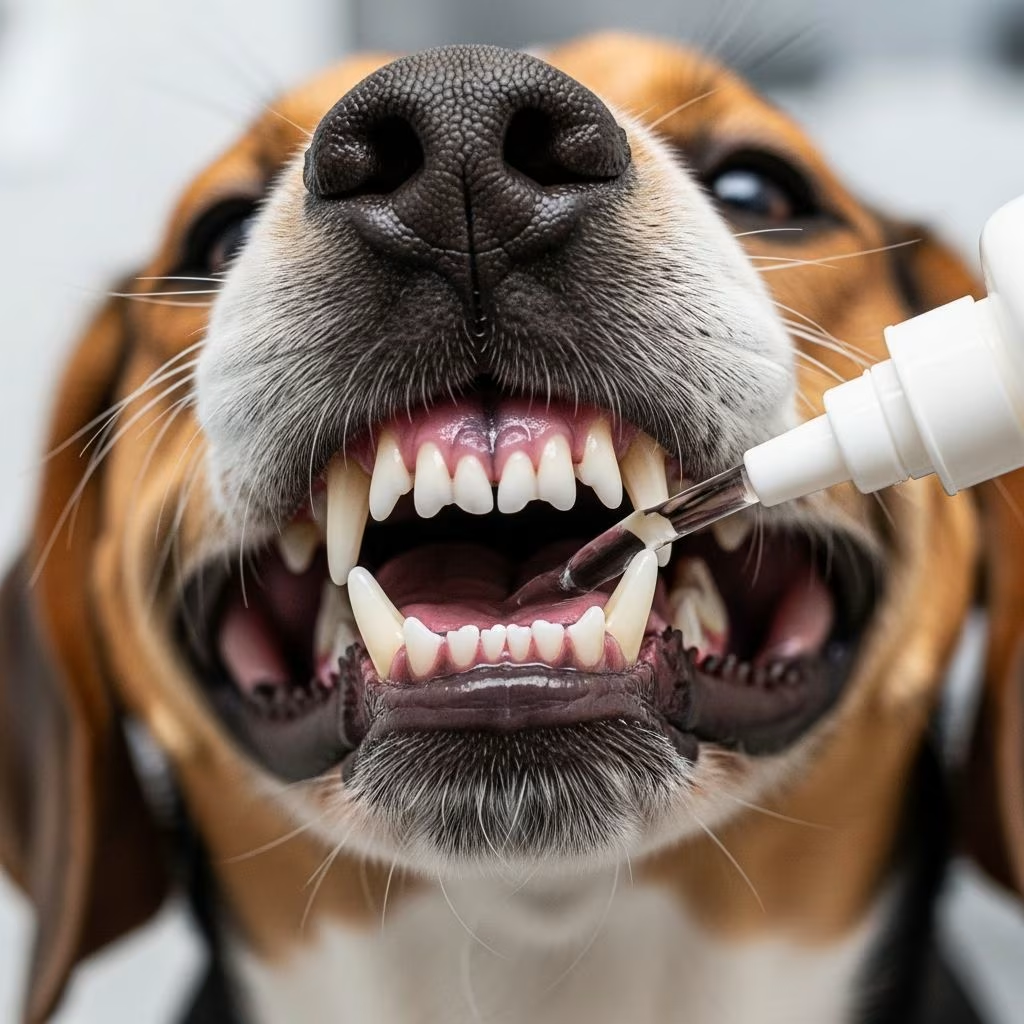
Antimicrobial dental rinses and gels can provide additional support for tartar prevention. These products, which can be added to your dog’s water or applied directly to their teeth, help reduce plaque formation and maintain oral hygiene. Some contain chlorhexidine, an antimicrobial agent that decreases harmful bacteria in your dog’s mouth and disrupts the plaque formation process.
Professional Dental Care: When Home Care Isn’t Enough
The Necessity of Professional Cleanings
While at-home care is crucial, professional dental cleanings performed by a veterinarian are essential for complete tartar removal and comprehensive oral health assessment. Once tartar has formed and hardened on your dog’s teeth, it cannot be effectively removed through brushing alone. Professional cleanings are recommended annually, though dogs with significant tartar buildup or periodontal disease may require cleanings every 6-12 months depending on their individual needs.
What to Expect During a Professional Cleaning
A professional dental cleaning involves several important steps. First, your veterinarian performs a thorough examination of your dog’s mouth to assess overall dental health and identify any underlying issues. The actual cleaning process uses specialized ultrasonic and hand scalers to remove hardened tartar from all tooth surfaces, including below the gumline where disease-causing bacteria thrive.
These procedures are conducted under anesthesia to ensure your dog’s safety and comfort, allowing the veterinarian to access all areas of the mouth thoroughly. After scaling, the teeth are polished to smooth out any rough surfaces that might attract bacteria in the future. In some cases, dental X-rays are taken to reveal problems below the gumline, including root infections, bone loss, and impacted teeth that may require additional attention.
Benefits Beyond Tartar Removal
Professional cleanings offer benefits that extend beyond simply removing tartar. They improve overall oral health by preventing tooth decay and gum disease, reducing bad breath, and most importantly, allowing your veterinarian to detect underlying dental issues early before they develop into serious problems. Early detection can prevent costly and invasive treatments down the road.
Creating a Comprehensive Tartar Prevention Plan
Combining Multiple Prevention Methods
The most effective tartar prevention strategy involves combining multiple approaches. A comprehensive plan typically includes:
Daily or Weekly Brushing: The foundation of any prevention program. Aim for at least 2-3 times per week, preferably daily for maximum effectiveness.
Regular Dental Chews: Incorporate approved dental treats into your dog’s daily routine to provide mechanical cleaning and stimulate saliva production.
Specialized Diet: Consider switching to a prescription dental diet that promotes oral health through its unique texture and formulation.
Professional Exams: Schedule annual veterinary dental appointments, with more frequent visits if your dog has risk factors for dental disease.
Supplementary Products: Use dental rinses, gels, or water additives containing antimicrobial agents to further reduce plaque formation.
Risk Factors and Special Considerations
Certain dogs may be more prone to tartar buildup than others. Breed, age, diet, and overall health status all influence dental health. Smaller dog breeds often experience more significant tartar accumulation, as do older dogs. Dogs with existing periodontal disease require more aggressive prevention strategies and more frequent professional cleanings. If your dog falls into any high-risk category, discuss a customized prevention plan with your veterinarian.
Frequently Asked Questions About Tartar Prevention in Dogs
Q: How often should I brush my dog’s teeth?
A: Ideally, you should brush your dog’s teeth daily. However, veterinarians recommend brushing at least 2-3 times per week as a minimum for effective plaque and tartar prevention. Consistency is more important than frequency, so establish a routine your dog can become comfortable with.
Q: What type of toothpaste should I use for my dog?
A: Always use toothpaste specifically formulated for dogs. Never use human toothpaste, as it may contain fluoride or other ingredients that can be harmful if swallowed. Look for dog-specific formulas that are enzymatic and designed to reduce plaque formation.
Q: Can tartar be removed at home?
A: No. Once tartar has formed and hardened on your dog’s teeth, it cannot be effectively removed at home. Only a veterinarian with professional scaling equipment can safely remove tartar. Home care is effective for preventing plaque from forming, but not for removing existing tartar.
Q: How much does a professional dog dental cleaning cost?
A: Professional dental cleaning costs vary depending on your location, your veterinarian, and the extent of dental disease. Prices can range from several hundred to over a thousand dollars. However, investing in prevention through regular at-home care can significantly reduce the likelihood of needing frequent professional cleanings.
Q: Is anesthesia safe for my older dog’s dental cleaning?
A: Modern anesthesia used in veterinary dentistry is quite safe, especially when pre-anesthetic bloodwork is performed to assess your dog’s health status. Your veterinarian can discuss the risks and benefits specific to your older dog’s health profile and medical history.
Q: What are the signs of tartar buildup in my dog?
A: Common signs include visible yellow or brown buildup on the teeth, bad breath, red or swollen gums, difficulty eating, and excessive drooling. If you notice any of these signs, schedule a veterinary dental exam promptly.
Q: Can dental treats completely prevent tartar?
A: While dental treats are beneficial and should be part of your prevention strategy, they cannot completely prevent tartar on their own. Dental treats work best as a supplement to regular brushing and professional care, not as a replacement for these more effective methods.
Conclusion: Investing in Your Dog’s Dental Health
Tartar prevention is an achievable goal that requires commitment and a multi-faceted approach. By combining regular at-home care such as brushing, dental chews, and specialized diets with professional veterinary cleanings, you can significantly reduce your dog’s risk of developing serious dental disease. Remember that prevention is always more cost-effective and less invasive than treating advanced periodontal disease. Start implementing these strategies early in your dog’s life, maintain consistency in your prevention routine, and work closely with your veterinarian to develop a plan tailored to your dog’s specific needs. Your efforts today will pay dividends in your dog’s health, comfort, and quality of life for years to come.
References
- Methods for Tartar Removal in Dogs — Shatto Veterinary Clinic. 2024-08-30. https://www.shattovet.com/site/blog/2024/08/30/methods-tartar-removal-dogs
- How Plaque & Tartar Forms In Dogs — Pet Doctors of America. 2022-04-15. https://www.petdoctorsofamerica.com/site/blog/2022/04/15/plaque-tartar-dogs
- The Truth About Tartar on Your Dog’s Teeth — Veterinary Dental. https://veterinarydental.com/plaque-dogs-teeth/
- Plaque and Calculus in Dogs and Cats — Animal Dental Specialists. https://animaldentalspecialists.com/plaque-and-calculus-in-dogs-and-cats/
- How to Clean Your Dog’s Teeth — Hidden Springs Animal Hospital. https://hiddenspringsanimal.com/dental-care-for-pets-in-boise-id/how-to-clean-your-dogs-teeth-a-guide-to-diy-dental-cleaning-for-dogs/
- Dental Sprays — Cornell University College of Veterinary Medicine. https://www.vet.cornell.edu/departments-centers-and-institutes/riney-canine-health-center/canine-health-topics/dental-sprays
- Veterinary Oral Health Council — VOHC. https://vohc.org



