

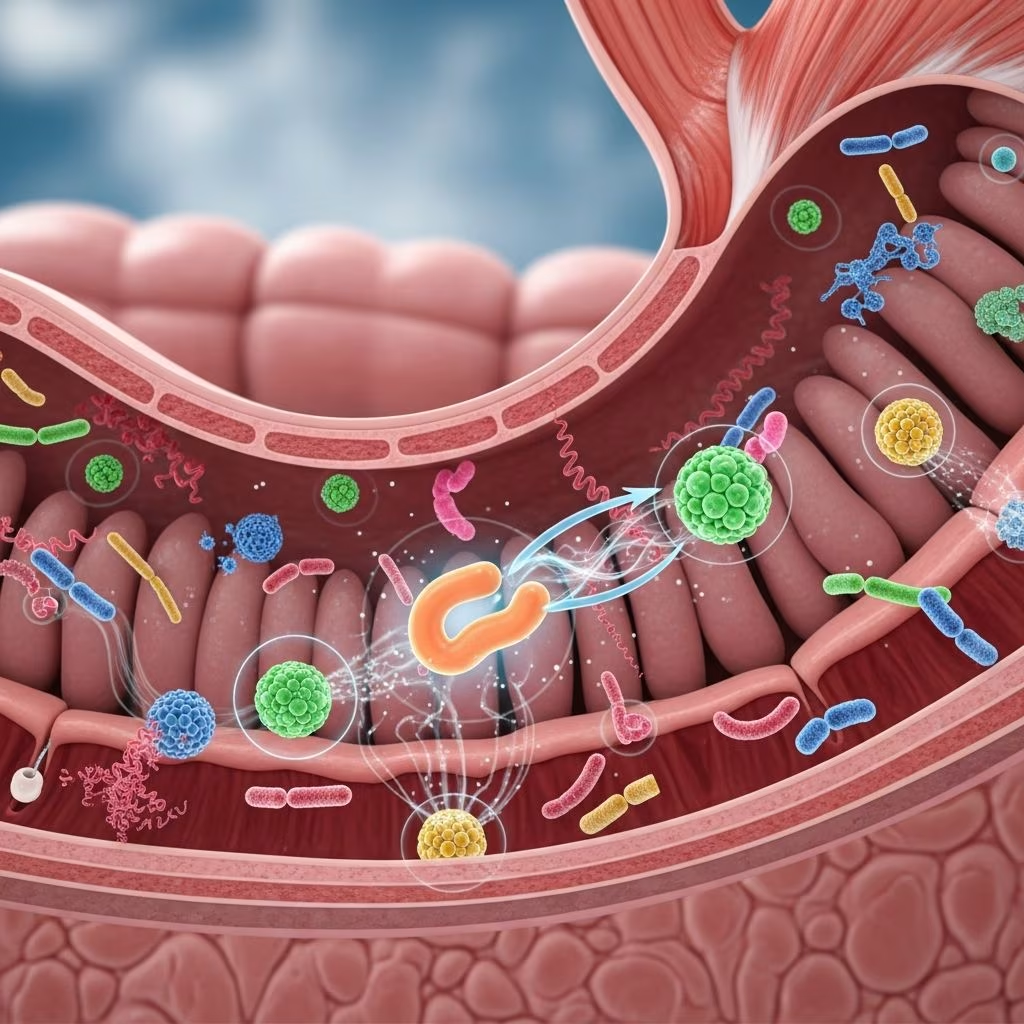
Ruminants such as cattle, sheep, and goats rely on a specialized digestive system featuring the rumen, where microbial fermentation breaks down fibrous feeds into energy-rich volatile fatty acids (VFAs). Disruptions like acidosis, stasis, or bloat can impair this process, leading to reduced productivity and health risks. Pharmacological interventions target these issues by adjusting pH, enhancing motility, or replenishing microbes, promoting swift recovery of normal function.
Understanding Ruminant Digestion Basics
The ruminant stomach comprises four compartments: rumen, reticulum, omasum, and abomasum. The rumen and reticulum form the reticulorumen, hosting trillions of microbes that ferment plant material into VFAs like acetate, propionate, and butyrate, which supply over 70% of the animal’s energy. These microbes also synthesize proteins and vitamins. Maintaining rumen pH around 6-7 is crucial, as deviations cause microbial die-offs, toxin release, and conditions like lactic acidosis from excess grain.
Symptoms of dysfunction include reduced feed intake, lethargy, and abnormal manure. Pain from conditions like displacements inhibits motility via sympathetic nervous system activation, halting fermentation. Effective therapy focuses on correcting the root cause, providing substrates for microbes, removing toxins, and ensuring fluid content for mixing.
Alkalinizing Agents for Acidic Rumen Conditions
Ruminal lactic acidosis occurs when rapid carbohydrate fermentation drops pH below 5.5, killing fiber-digesting bacteria and causing dehydration, endotoxemia, and ulcers. Initial treatment involves fluid therapy to combat systemic acidosis, followed by rumen emptying if severe.
Sodium bicarbonate, administered orally at 200-300 g mixed in 10 L warm water, rapidly neutralizes acids but generates CO2 gas, risking bloat. Activated charcoal (2 g/kg orally) binds toxins, protecting the mucosa. These agents disperse through rumen contents to restore pH, enabling transfaunation with fresh rumen fluid containing 10^8-10^11 bacteria/mL and protozoa.
| Agent | Dosage | Indication | Notes |
|---|---|---|---|
| Sodium Bicarbonate | 200-300 g in 10 L water, PO | Lactic acidosis | Fast-acting; monitor for gas buildup |
| Activated Charcoal | 2 g/kg, PO | Toxin binding | Follow with transfaunation |
Agents to Lower Elevated Rumen pH
In ruminal stasis or indigestion, saliva inflow raises pH above 7.5 due to absent VFA production. Acidifying agents like dilute hydrochloric acid or phosphoric acid (1-2 L of 4-8% solution) stimulate contractions and fermentation. However, addressing stasis causes—such as hypocalcemia or displacements—is paramount.
These agents counteract bicarbonate accumulation, but overuse risks mucosal damage. Combine with motility promoters for best results.
Enhancing Forestomach Motility and Fermentation
Ruminotorics stimulate rumen contractions and microbial activity. Traditional mixtures with bitters like nux vomica have limited use; physiologic restoration via fluids and transfaunation is preferred.
- Mineral Oil: 1-2 L orally lubricates impacted fiber, aiding passage after massage.
- Dioctyl Sodium Sulfosuccinate (DSS): 90-120 mL in water softens contents but depletes protozoa, necessitating transfaunation.
For ammonia toxicity from high urea feeds, acidifiers bind excess nitrogen, preventing absorption.
Transfaunation: Replenishing Rumen Microbes
Fresh rumen fluid is the gold standard ruminotoric, delivering live microbes, VFAs, proteins, and buffers. Strain and administer 1-5 L orally via tube for stasis post-abomasal correction; it boosts intake and lowers ketosis markers. Larger doses up to 16 L are suggested but unproven superior.
Collect from healthy donors, filter to remove debris, and use immediately. This restores continuous microbial culture essential for fermentation.
Abomasal Ulcer and Reflux Management
Though less common, abomasal issues like ulcers from stress or NSAIDs require acid suppression. In calves, H2-blockers like ranitidine (50 mg/kg PO) or cimetidine outperform antacids. Proton pump inhibitors (PPIs) like omeprazole show initial pH rise but tachyphylaxis.
In adults, parenteral ranitidine or famotidine briefly elevate pH; pantoprazole sustains it in alpacas but costs limit ruminant use. Extrapolation from calves is cautious due to physiologic differences.
| Drug | Dosage | Species | Duration of Effect |
|---|---|---|---|
| Ranitidine | 50 mg/kg PO or 6.6 mg/kg IM | Calves/Cattle | Short-term |
| Omeprazole | Single oral dose | Calves | Initial only |
| Pantoprazole | 1-2 mg/kg IV/SC | Alpacas | 3 days |
Bloat Prevention and Treatment Strategies
Free gas or frothy bloat from legumes traps gas, causing distension. Pass a stomach tube for relief, administer anti-foaming poloxalene (1-2 g/100 kg), or use fistulas in chronic cases. These maintain gas removal and reduce viscosity.
Practical Dosing Guidelines and Precautions
Always tailor doses to animal size and condition. Adult cattle: 500-600 kg; sheep/goats: 40-80 kg. Monitor for adverse effects like diarrhea from DSS or gas from bicarb. Combine therapies: antacids + transfaunation for acidosis.
- Ensure donor health for transfaunation to avoid disease transmission.
- Avoid over-acidification to prevent further microbial shifts.
Emerging Insights from Rumen Microbiology
Acidosis favors propionate producers over cellulolytics, altering metabolism and risking organ failure. VFAs absorb passively; acetate dominates bloodstream supply. Therapies preserving cellulolytics sustain fiber digestion.
FAQs
What is the first step in treating ruminal acidosis?
Fluid and electrolyte correction, followed by alkalinizers and rumen evacuation if needed.
How much rumen fluid for transfaunation in cows?
1-5 L is effective; strain fresh fluid from healthy donors.
Are PPIs reliable for ruminant abomasal ulcers?
Limited duration; H2-blockers may be preferable in calves.
Can mineral oil treat all indigestion types?
Best for fibrous impactions; follow with massage.
What causes high rumen pH in stasis?
Salivary bicarbonate without VFA production.
References
References
- Drugs for Specific Purposes in the Ruminant Digestive System — MSD Veterinary Manual. 2023. https://www.msdvetmanual.com/pharmacology/systemic-pharmacotherapeutics-of-the-digestive-system/drugs-for-specific-purposes-in-the-ruminant-digestive-system
- The Ruminant Digestive System — Merck Veterinary Manual. 2023. https://www.merckvetmanual.com/pharmacology/systemic-pharmacotherapeutics-of-the-digestive-system/the-ruminant-digestive-system
- Gut Microbiota and Their Role in Health and Metabolic Disease of Ruminants — PMC (NCBI). 2021-08-25. https://pmc.ncbi.nlm.nih.gov/articles/PMC8371392/
- From Feed to Milk: Understanding Rumen Function — Penn State Extension. 2023. https://extension.psu.edu/from-feed-to-milk-understanding-rumen-function
- Understanding the Ruminant Animal Digestive System — Mississippi State University Extension. 2023. https://extension.msstate.edu/publications/understanding-the-ruminant-animal-digestive-system



