

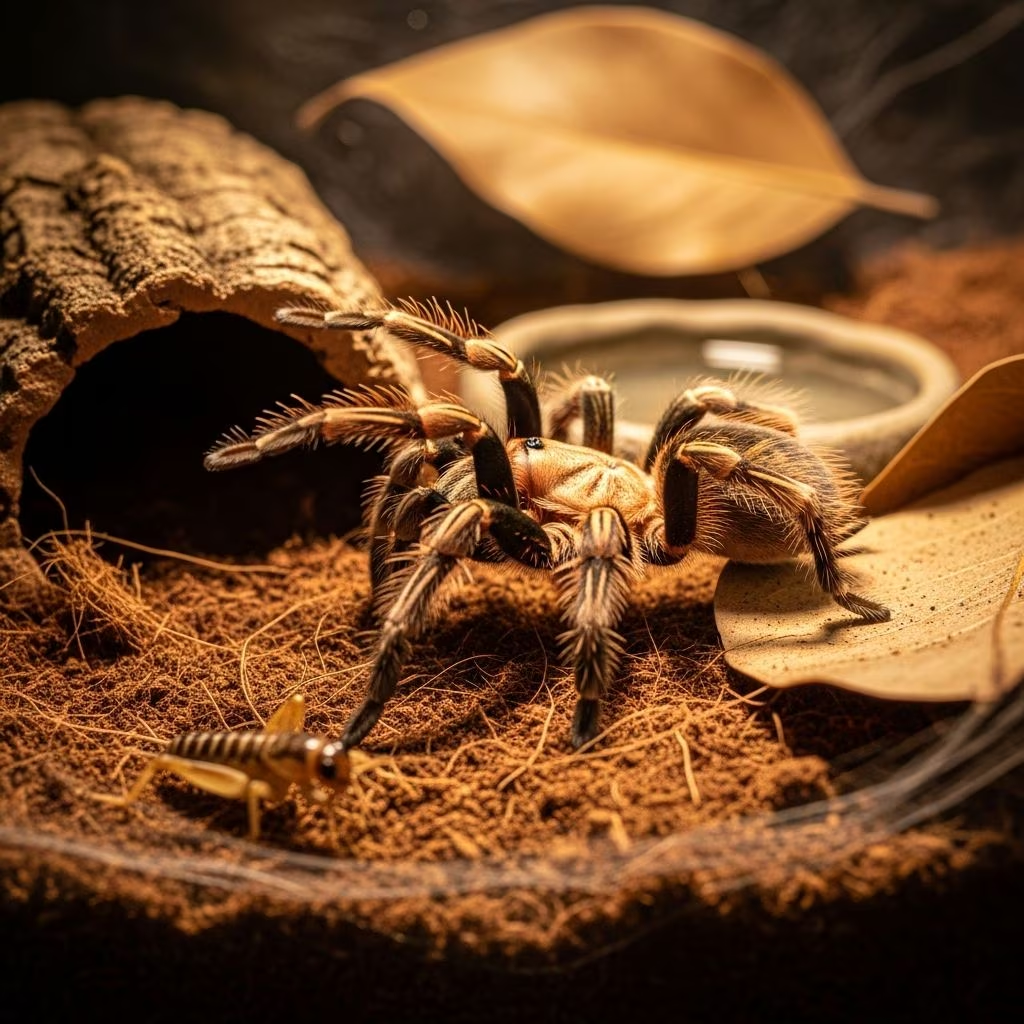
Tarantulas are fascinating arachnids that require careful attention to their dietary needs for optimal health and longevity. Understanding what these eight-legged creatures consume and how to properly feed them is essential for any responsible pet owner. Unlike mammals or birds, tarantulas have unique nutritional requirements and feeding behaviors that differ significantly based on their species, age, and size. This comprehensive guide explores the various aspects of tarantula nutrition and provides practical strategies for maintaining your pet’s well-being through proper feeding practices.
Natural Feeding Behaviors and Dietary Composition
In their native habitats, tarantulas are carnivorous hunters that consume a wide variety of invertebrate prey. Their natural diet consists primarily of insects and other small arthropods that they encounter in their environment. As opportunistic feeders, tarantulas will consume whatever prey items are available and appropriately sized for their body structure. Understanding these natural feeding patterns provides valuable insight into how to nourish captive tarantulas effectively.
The diversity of tarantula species means that dietary preferences can vary considerably. Some species are more aggressive hunters, while others are ambush predators that wait patiently for prey to come within striking distance. Regardless of hunting style, all tarantulas rely on their venom and fangs to subdue and consume their food. The nutritional composition of their prey directly impacts their growth, reproduction, and overall health status.
Common Prey Options for Captive Tarantulas
Pet tarantula owners have several reliable food sources to choose from when planning their spider’s diet. Each option presents distinct advantages and considerations that should be evaluated based on your tarantula’s specific needs.
Live Insect Feeders
Crickets represent one of the most popular and readily available food sources for pet tarantulas. They are widely available through pet supply retailers, affordable, and easy to maintain in captivity. Crickets provide excellent nutritional value and stimulate natural hunting behaviors in tarantulas. However, they can be noisy, require adequate housing conditions, and may escape if not properly managed.
Roaches have become increasingly favored by experienced tarantula keepers as a superior alternative to crickets. Species such as Blaptica dubia roaches can reach sizes of 1.5 to 2 inches, making them particularly suitable for larger tarantulas. Roach colonies can be established and maintained relatively easily, providing a consistent food source. The Blaptica dubia species is non-invasive and cannot climb smooth surfaces, reducing escape risks. A colony typically costs approximately $30 and will continuously produce nymphs of varying sizes suitable for different tarantula life stages.
Mealworms and superworms are beetle larvae that offer convenient feeding options for many tarantula species. These prey items can be purchased in multiple size grades and are simple to raise in colonies. A significant advantage is their ability to be stored in refrigeration, allowing keepers to maintain a supply without ongoing feeding requirements. Superworms are larger and better suited for substantial tarantulas, but they possess biting capabilities and can potentially injure your spider if not properly prepared.
Waxworms are another feeding option that some keepers incorporate into their tarantula’s diet. These soft-bodied larvae are nutritious but tend to be more expensive than other alternatives.
Pre-Killed and Alternative Feeding Methods
Some keepers opt for pre-killed prey items that have been humanely euthanized and frozen. This approach offers convenience and reduces the possibility of escaped insects, though it may not provide the same hunting stimulation that live prey offers. Additionally, some commercially available canned or prepared tarantula foods exist, though these are generally considered inferior to whole prey items in terms of nutritional completeness.
Age-Based Feeding Requirements and Frequencies
Tarantula feeding schedules must be adjusted based on the spider’s developmental stage, as nutritional needs change dramatically throughout their lifespan.
Slings and Early Development
Tarantula slings—the smallest spiderlings—are particularly vulnerable during their early development stages. In nature, young tarantulas face significant predation pressure and are driven to consume as much food as possible to rapidly increase in size and escape this precarious period. For this reason, most experienced keepers feed their slings as frequently as the spiders will accept food, typically every two to three days.
Sourcing appropriately sized prey for tiny slings presents a unique challenge. Standard feeder insects are often too large for newly hatched spiderlings. One practical solution involves pre-killing larger prey items and carefully cutting them into appropriately sized pieces. A cricket leg or a mealworm segment placed in the enclosure allows the sling to scavenge feed without the danger of being injured by an oversized prey item. Any uneaten portions should be removed within 24 hours to prevent decomposition and potential mold growth.
Juvenile Tarantulas
Juvenile tarantulas continue requiring frequent meals as they work toward their adult size. Most juveniles benefit from feeding schedules of once or twice weekly, depending on the species and individual growth rate. The transition from juvenile to adult status typically involves a molt where the tarantula’s exoskeleton is completely replaced, allowing for significant size increases.
Adult Tarantulas
Adult feeding frequency varies dramatically based on species and metabolic requirements. Some slow-growing species, such as the popular Grammostola rosea, require only four to five crickets per month to maintain optimal health. In stark contrast, larger tropical species like those in the Theraphosa and Pamphobeteus genera consume comparable amounts in a single feeding session, requiring meals multiple times weekly. Temperate species generally have lower metabolic rates and slower growth, necessitating less frequent feeding than their tropical counterparts.
Determining Appropriate Prey Sizing
Proper prey size selection is critical for your tarantula’s safety and nutritional intake. A general guideline suggests that prey items should not exceed the size of the tarantula’s abdomen. Feeding oversized prey can result in choking, impaction, or digestive complications. Conversely, prey that is too small may not provide adequate nutrition relative to the energy expended in hunting.
As your tarantula grows, you’ll need to progressively increase prey size to match the spider’s expanding body. This requires careful observation of your individual tarantula’s size and consumption patterns. Keeping detailed feeding records can help identify optimal prey sizes and feeding frequencies specific to your pet’s species and individual metabolism.
Nutritional Optimization Through Gut-Loading
Gut-loading refers to the practice of feeding prey insects a nutritious diet before offering them to your tarantula. This technique ensures that the nutritional value transferred to your tarantula is maximized, as the feeder insect’s digestive system contains the nutrients you’ve provided. Proper gut-loading enhances the overall nutritional quality of your tarantula’s diet without requiring specialized supplements.
Quality gut-loading materials include commercial cricket and roach foods, fresh vegetables, fruits, and specialized supplements designed for feeder insects. By maintaining healthy, well-fed prey populations, you’re essentially providing your tarantula with a more complete nutritional profile.
Safe Feeding Techniques and Best Practices
Implementing proper feeding protocols protects your tarantula from injury and ensures efficient food consumption.
- Use Feeding Implements: Never hand-feed your tarantula, as accidental bites can occur. Instead, use feeding tongs, forceps, or tweezers to present prey items safely while maintaining distance from the tarantula’s fangs.
- Monitor Consumption: Observe your tarantula during feeding sessions and remove any uneaten prey within 24 hours to prevent predation on your spider by scavenging insects.
- Provide Fresh Water: Maintain a shallow water dish in your tarantula’s enclosure, ensuring access to clean drinking water at all times, particularly following feeding sessions.
- Avoid Wild-Caught Prey: Never offer insects captured from the wild, as they may carry pesticides, parasites, or diseases harmful to your tarantula.
- Prepare Large Feeders Appropriately: For large prey items like superworms, disable or remove the head before offering to prevent the feeder insect from injuring your tarantula.
Dietary Diversity and Species-Specific Considerations
A varied diet contributes to comprehensive nutrition and helps prevent nutritional deficiencies in captive tarantulas. Rather than relying exclusively on a single prey type, rotating between crickets, roaches, mealworms, and other available options provides a broader nutritional spectrum. Different insects offer varying mineral and protein compositions, and diversity helps ensure complete micronutrient intake.
Additionally, different tarantula species evolved with access to different prey in their native ecosystems. Offering a diverse selection of appropriately sized feeders helps replicate these natural dietary patterns and may enhance overall health and longevity.
Post-Feeding Care and Management
Following a feeding session, certain management practices support your tarantula’s digestive health and overall well-being. Minimize disturbance for several days after feeding, as tarantulas require time to process and digest their meals. Excessive handling or environmental stress during this period can interfere with proper digestion.
Monitor your tarantula’s abdomen size, which should gradually increase with proper feeding. An excessively distended abdomen may indicate overfeeding, while a consistently small abdomen might suggest inadequate caloric intake. Individual tarantulas have different metabolic rates, so adjustment of feeding frequency based on observable body condition is important.
Troubleshooting Common Feeding Issues
Some tarantulas exhibit reluctance to feed or unusual feeding behaviors. Refusal to eat often correlates with pre-molting periods, during which tarantulas naturally fast in preparation for shedding their exoskeleton. During these phases, which can last several weeks, it’s normal for tarantulas to completely reject food. Attempting to force feeding during pre-molt can result in regurgitation and digestive upset.
Offering varied prey types can help entice picky eaters. Some individuals show strong preferences for particular prey species or feeding presentations. Experimenting with different options may identify your tarantula’s preferred food sources.
Frequently Asked Questions About Tarantula Feeding
What is the primary diet of tarantulas?
Tarantulas are carnivorous arachnids that consume live insects as their primary food source. Common prey items include crickets, roaches, mealworms, and waxworms, selected based on the tarantula’s species and size.
How often should adult tarantulas be fed?
Feeding frequency for adults depends significantly on species. Slow-growing species may require only monthly feeding, while active tropical species might need meals several times weekly. Observing individual appetite and body condition helps determine optimal schedules.
Can tarantulas consume insects larger than themselves?
Tarantulas should generally not be offered prey larger than their abdomen. Oversized prey poses choking and digestive risks that can harm or kill the spider.
Are frozen pre-killed insects adequate nutrition for tarantulas?
While nutritionally adequate, pre-killed prey doesn’t stimulate natural hunting behaviors. Many keepers prefer live prey for behavioral enrichment, though pre-killed options offer convenience and safety advantages.
What is gut-loading, and why does it matter?
Gut-loading involves feeding prey insects a nutritious diet before offering them to tarantulas, maximizing nutritional transfer. This practice enhances the overall nutritional quality your tarantula receives from each feeding.
References
- Tarantula Feeding Guide: Tips & Diet Essentials — Reptile Super Show. 2024. https://reptilesupershow.com/tarantula-feeding-guide-tips-diet-essentials/
- Tarantula Feeding – What, when, and how much to feed — Tom’s Big Spiders. 2015. https://tomsbigspiders.com/2015/02/02/tarantula-feeding-how-much-to-feed/



