

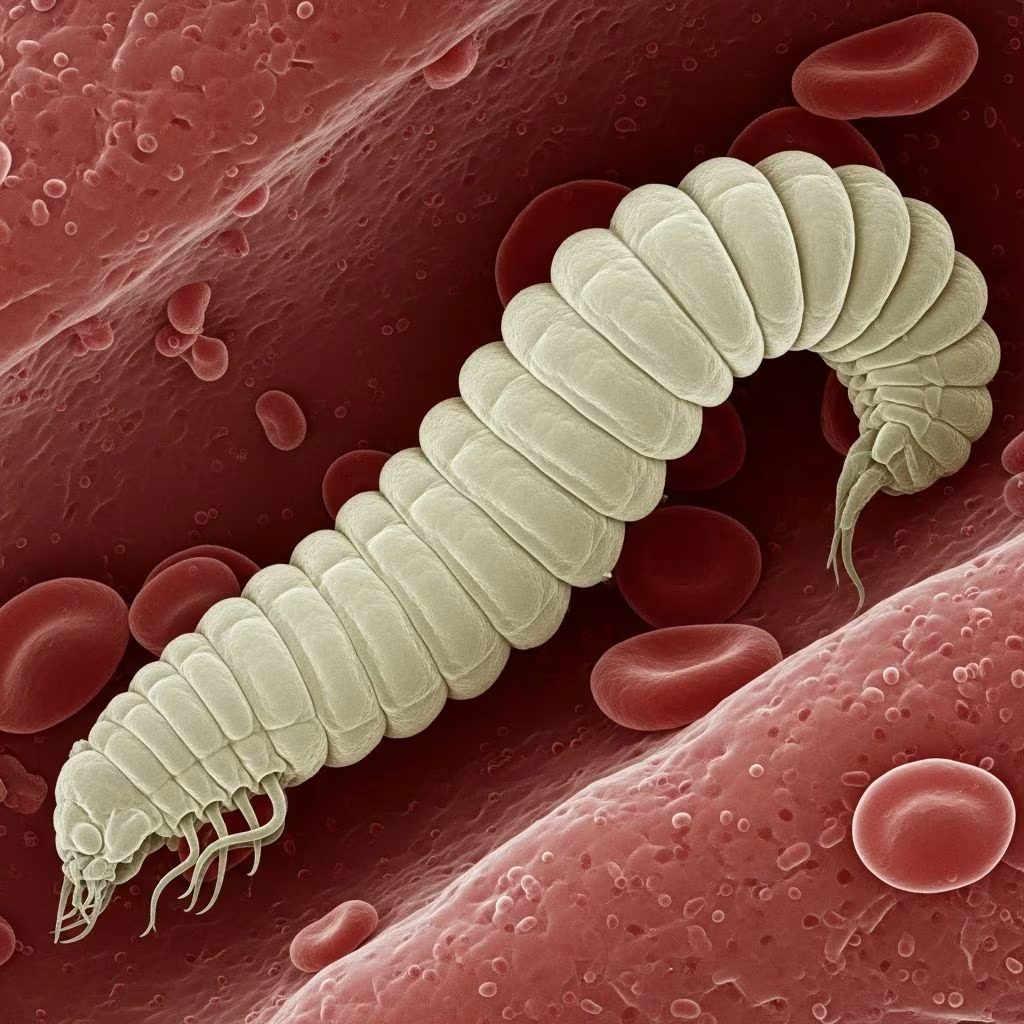
Tapeworms represent one of the most prevalent intestinal parasites affecting dogs, often transmitted through everyday encounters with fleas or infected prey. These flat, segmented worms attach to the intestinal lining, potentially leading to nutritional deficiencies if left unchecked. Understanding their lifecycle, spotting early indicators, and implementing targeted interventions can safeguard your pet’s well-being.
Understanding the Nature of Canine Tapeworms
Tapeworms belong to the class Cestoda and thrive in the small intestines of dogs, where they absorb nutrients directly from the host. The most frequent culprit, Dipylidium caninum, known as the flea or cucumber tapeworm, measures 6 to 27.5 inches in length once mature. Dogs ingest infective larvae housed within fleas during grooming, allowing the parasites to develop into adults within two to three weeks. Other species, such as Taenia or Echinococcus, enter via consumption of contaminated rodents or lice, posing varied risks depending on the strain.
Unlike roundworms, tapeworms consist of a head called the scolex, equipped with hooks or suckers for attachment, followed by a chain of proglottids—egg-filled segments that detach and exit the body. These segments, resembling grains of rice or cucumber seeds, are often the first clue of infestation, appearing around the anus, in bedding, or feces.
Common Pathways of Transmission
The primary vector for D. caninum is the flea, ubiquitous across North America and beyond. Flea larvae ingest tapeworm eggs from dried proglottids in the environment, harboring cysticercoids that infect adult fleas. Dogs inadvertently swallow these fleas while biting at itchy skin, completing the cycle.
- Fleas: Account for the majority of cases, especially in flea-prone areas or multi-pet homes.
- Rodents and wildlife: Ingestion of infected prey introduces Taenia pisiformis or similar types.
- Lice: Less common but a potential source for certain tapeworm varieties.
Puppies, outdoor dogs, and those in kennels face heightened exposure. No dog breed or age is immune, though flea-heavy environments amplify risks.
Recognizing Symptoms of Tapeworm Infestation
Healthy adult dogs frequently harbor tapeworms asymptomatically, but vulnerable groups like puppies, seniors, or immunocompromised pets display pronounced effects. Visible proglottids signal active infection, often prompting behaviors like anal scooting or excessive grooming.
| Symptom | Description | High-Risk Groups |
|---|---|---|
| Rice-like segments | White, mobile pieces near anus or in feces | All dogs |
| Anal irritation | Scooting, dragging rear on floors | Dogs with heavy flea loads |
| Weight loss | Failure to gain or unexplained loss despite normal eating | Puppies, underweight dogs |
| Lethargy and poor coat | Shaggy fur, reduced energy | Seniors, debilitated pets |
| Anemia | Pale gums, weakness | Heavy infestations |
Severe cases may involve intestinal blockages, manifesting as vomiting, abdominal pain, or constipation—emergencies requiring immediate veterinary attention. Puppies might exhibit stunted growth, while chronic infections contribute to nutrient malabsorption.
Diagnostic Approaches for Confirmation
Veterinarians confirm tapeworms through fecal flotation to detect eggs, though proglottids alone often suffice for diagnosis. Microscopic exam differentiates species, guiding therapy. In ambiguous cases, blood tests rule out concurrent issues like anemia. Routine deworming histories and flea checks inform risk assessment.
Effective Treatment Options
Treatment hinges on eliminating the adult worm by targeting the scolex, preventing regrowth. Praziquantel stands as the gold standard, available as injections, tablets, or chewables, dissolving worms in the gut without remnants in stool. A single dose typically clears D. caninum and many others.
- Praziquantel: Approved for Dipylidium, Taenia, and Echinococcus; over-the-counter options like Elanco Dewormer exist, but vet oversight is advised.
- Fenbendazole (Panacur): Broad-spectrum for Taenia spp., useful in mixed infections.
- Epsiprantel (Cestex): Targets specific types like Taenia pisiformis.
- Nitroscanate: Alternative for D. caninum in some regions.
Broad-spectrum products like Drontal Plus address multiple parasites. Post-treatment, recheck feces after 2-4 weeks; environmental decontamination via prompt stool removal is crucial. No vaccine exists, emphasizing prevention.
Prevention Strategies for Long-Term Protection
Flea control forms the cornerstone, as eradicating fleas breaks the transmission chain. Year-round preventatives like topical spot-ons, oral meds, or collars minimize ingestion risks.
- Administer monthly flea preventatives approved for dogs.
- Regular grooming and flea combing to detect early infestations.
- Supervise hunting or scavenging behaviors to avoid rodents.
- Maintain clean yards by daily waste pickup.
- Multi-pet households: Treat all animals simultaneously.
Annual vet checkups with fecal exams catch subclinical cases. Indoor living reduces exposure, but diligence remains key in endemic areas.
Potential Complications and When to Seek Help
While rarely fatal in robust dogs, complications like blockages demand urgent care, potentially requiring surgery. Anemia from blood loss or secondary bacterial infections exacerbates outcomes in frail pets. Humans rarely contract Dipylidium via accidental flea ingestion, treatable with praziquantel if needed.
Consult a vet immediately if you observe segments, scooting, or systemic signs. Delaying risks progression to severe malnutrition or obstruction.
Frequently Asked Questions (FAQs)
Can tapeworms spread from dogs to humans?
Direct transmission is unlikely; fleas must bridge the gap. Children risk accidental ingestion in infested homes. Practice hygiene and flea control.
How long after flea ingestion do tapeworms appear?
Segments shed 2-3 weeks post-infection as worms mature.
Is over-the-counter deworming safe?
Products with praziquantel work for confirmed cases, but vet diagnosis ensures proper dosing and rules out other parasites.
Do tapeworms cause vomiting?
Typically not, unless blockage occurs in heavy loads.
How often should I deworm my dog?
Follow vet-recommended schedules, often monthly for at-risk dogs, with flea preventatives.
Environmental Management Tips
Tapeworm eggs persist in dried proglottids; vacuum carpets, wash bedding in hot water, and dispose of feces securely. Flea treatments for the home complement pet care.
References
- Tapeworms in Dogs | Small Door Veterinary — Small Door Veterinary. 2023. https://www.smalldoorvet.com/learning-center/medical/tapeworms-in-dogs
- Tapeworms in Dogs: Symptoms, Treatment, and Prevention — Animal Care Center. 2023. https://www.animalcarectr.com/blog/tapeworms-in-dogs-symptoms-treatment-and-prevention
- What Tapeworms Are and How To Get Rid of Them | PetMD — PetMD. 2024. https://www.petmd.com/dog/conditions/infectious-parasitic/tapeworms-dogs-what-tapeworms-are-and-how-get-rid-them
- About Dog or Cat Tapeworm Infection – CDC — Centers for Disease Control and Prevention. 2024-02-05. https://www.cdc.gov/dipylidium/about/index.html
- Tapeworms in Dogs and Cats – Digestive System — Merck Veterinary Manual. 2023. https://www.merckvetmanual.com/digestive-system/gastrointestinal-parasites-of-small-animals/tapeworms-in-dogs-and-cats
- Tapeworms | Cornell University College of Veterinary Medicine — Cornell University. 2024. https://www.vet.cornell.edu/departments-centers-and-institutes/riney-canine-health-center/canine-health-topics/tapeworms



