

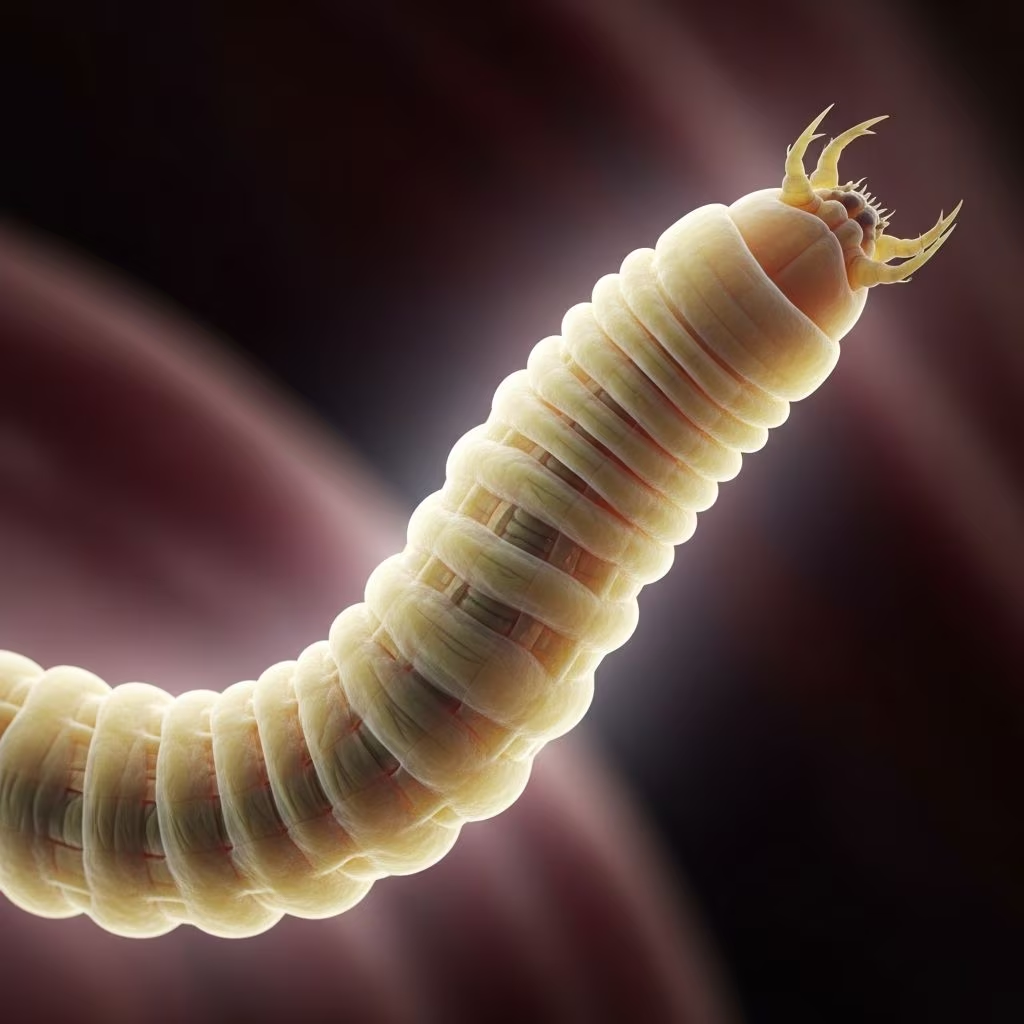
Tapeworms represent a common intestinal parasite affecting dogs, primarily transmitted indirectly through intermediate hosts like fleas or small mammals rather than direct contact between dogs.
Understanding Tapeworm Biology in Canines
Tapeworms belong to the class Cestoda, flat segmented worms that reside in a dog’s small intestine, absorbing nutrients via their hook-like attachments. The most prevalent species in dogs is Dipylidium caninum, which relies on fleas for its life cycle. Larval stages develop inside fleas, and dogs become infected by ingesting these fleas during grooming. Another type, Taenia species, involves rodents or rabbits as hosts, where cysts form in their tissues; dogs acquire the parasite by eating infected prey.
Adult tapeworms grow to several inches, shedding egg-filled proglottids—resembling rice grains—that exit via feces. These segments can wiggle, aiding visibility around the anus or in bedding. Unlike roundworms, tapeworms do not multiply within the host but depend on external vectors for spread.
Primary Transmission Pathways
- Flea Ingestion: Fleas ingest tapeworm eggs from contaminated environments, larvae develop internally, and infected fleas transfer to dogs via contact with other pets or infested areas.
- Predation on Wildlife: Dogs scavenging mice, voles, or rabbits consume larval cysts, triggering adult worm development in the gut.
- Environmental Contamination: Proglottids release eggs into soil or grass, perpetuating flea infection cycles in yards or homes.
Direct dog-to-dog transmission is rare without shared fleas or prey exposure. Multi-pet households risk cross-infestation if flea control lapses.
Recognizing Symptoms of Infestation
Dogs with tapeworms often exhibit subtle signs. Common indicators include:
- Anal itching leading to scooting or dragging hindquarters on carpets.
- Visible white, sesame-seed-like segments in stool, fur, or bedding.
- Mild digestive upset, such as occasional vomiting or diarrhea.
- Weight loss, dull coat, or pot-bellied appearance in severe cases.
Puppies and young dogs show heightened vulnerability, displaying stunted growth. Not all infested dogs display symptoms, complicating detection without veterinary fecal exams.
Health Impacts on Infected Dogs
Tapeworms deprive dogs of vital nutrients, potentially causing malnutrition despite normal appetites. Heavy infestations irritate intestinal walls, fostering secondary bacterial issues. Chronic cases weaken immunity, exacerbating other illnesses. Puppies risk developmental delays, underscoring prompt intervention’s importance.
Veterinary Diagnosis Methods
Vets diagnose via microscopic fecal analysis for eggs, though intermittent shedding necessitates multiple samples or tape tests on the anus. Visible proglottids confirm suspicion instantly. Advanced imaging rarely needed unless complications arise.
Effective Treatment Protocols
Treatment targets adult worms exclusively, as preventives handle larvae. Key medications include:
| Medication | Active Ingredient | Administration | Notes |
|---|---|---|---|
| Praziquantel | Praziquantel | Oral tablet/injection | Gold standard; single dose eliminates adults. |
| Epsiprantel | Epsiprantel | Oral | Alternative for cats/dogs; vet-prescribed. |
| Combination Preventives | Praziquantel + others | Monthly chew/topical | Addresses multiple parasites. |
Post-treatment, dispose of segments to avert reinfection. Retest feces 2-4 weeks later. Household pets require concurrent treatment.
Comprehensive Prevention Blueprint
Proactive measures断断 transmission chains effectively.
Flea Management Essentials
- Administer year-round flea preventives (oral chews, topicals) for all pets.
- Vacuum daily, wash bedding weekly in hot water.
- Treat environments with vet-approved insecticides.
Deworming Schedules
- Puppies: Every 2-3 weeks from 2-8 weeks, then monthly until 6 months.
- Adults: 3-4 times yearly, or monthly for high-risk dogs (hunters, farm).
- Select praziquantel-containing products per vet guidance.
Behavioral and Environmental Controls
- Supervise outdoor time; train “leave it” for prey avoidance.
- Muzzle scavengers in risky areas.
- Remove dead animals promptly from yards.
Zoonotic Potential: Risks to Humans
Dipylidium caninum rarely infects humans via accidental flea ingestion, more common in toddlers. Taenia species pose no direct threat from dogs. Prevention mirrors pet strategies:
- Wash hands post-pet contact, especially children.
- Promptly bag/dispose feces; avoid playground contamination.
- Maintain flea-free homes.
Consult physicians for symptoms like abdominal pain in exposed individuals.
Special Considerations for Multi-Pet Homes
Treat all animals simultaneously, including newcomers. Isolate infested pets during treatment. Regular vet check-ups ensure compliance.
FAQs on Canine Tapeworms
Can dogs pass tapeworms directly to other dogs?
No, transmission requires fleas or intermediate hosts, not feces-to-mouth contact.
How often should I deworm my indoor dog?
Every 3 months suffices for low-risk indoors dogs; consult vets for tailored plans.
Do tapeworms show on standard fecal tests?
They may miss due to intermittent shedding; request specific tests if segments visible.
Is over-the-counter deworming safe?
Not always effective against tapeworms; prescription options preferred.
Can tapeworms cause death in dogs?
Rarely fatal alone but compromises health in vulnerable pups or heavy loads.
Long-Term Monitoring and Vet Partnerships
Annual parasite screenings integrate with wellness exams. Track flea prevalence seasonally. Adjust protocols for lifestyle changes like boarding or travel. Informed owners minimize recurrence through diligence.
By prioritizing flea control, vigilant supervision, and routine deworming, pet parents safeguard canine companions from tapeworm burdens, fostering robust health.
References
- About Dog or Cat Tapeworm Infection — CDC. 2023-10-17. https://www.cdc.gov/dipylidium/about/index.html
- Tapeworms in Dogs: What Tapeworms Are and How To Get Rid of Them — PetMD. 2024-05-15. https://www.petmd.com/dog/conditions/infectious-parasitic/tapeworms-dogs-what-tapeworms-are-and-how-get-rid-them
- How to Prevent Your Dog from Getting Tapeworms — WagWalking. 2023-08-22. https://wagwalking.com/wellness/how-to-prevent-your-dog-from-getting-tapeworms
- Tapeworms in Dogs: Symptoms, Treatment, and Prevention — Animal Care Center. 2024-02-10. https://www.animalcarectr.com/blog/tapeworms-in-dogs-symptoms-treatment-and-prevention
- Can Humans Get Worms From Dogs — Boulder Veterinary Hospital. 2023-11-05. https://bouldervet.com/blog/can-humans-get-worms-from-dogs/



