

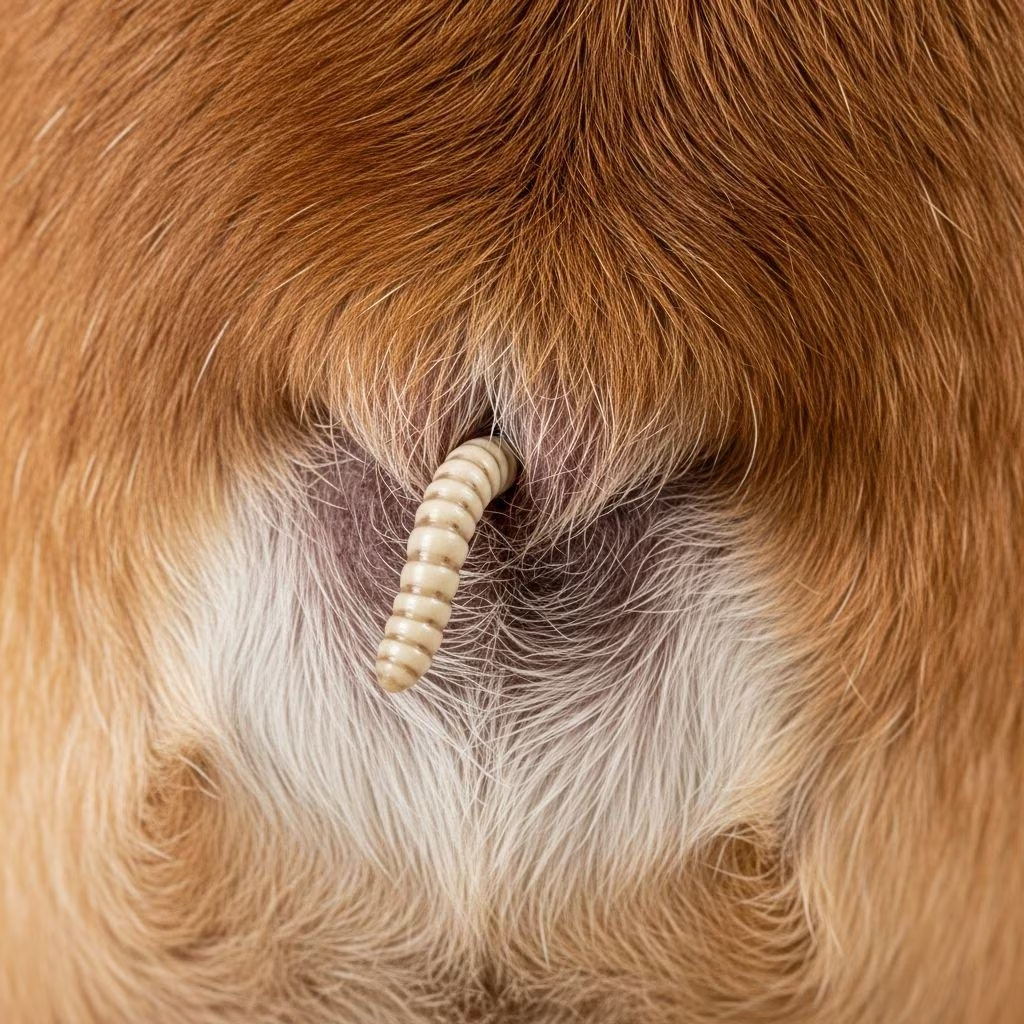
Tapeworms represent a common intestinal parasite affecting dogs, primarily transmitted through flea ingestion, leading to discomfort and potential health complications if untreated. Understanding their lifecycle, recognizing symptoms, pursuing accurate diagnosis, and implementing targeted treatments alongside prevention measures can safeguard your dog’s health effectively.
Understanding the Nature of Canine Tapeworms
Tapeworms belong to the class Cestoda and reside in a dog’s small intestine, where they anchor using hook-like structures. The predominant species in dogs is Dipylidium caninum, often called the flea tapeworm due to its reliance on fleas as intermediate hosts. These flat, ribbon-like worms grow by absorbing nutrients from the host’s digestive tract, sometimes reaching lengths of several inches. Adult worms consist of a head (scolex) followed by a chain of segments known as proglottids, each containing eggs that are shed in feces.
Unlike roundworms, tapeworms do not multiply within the host but depend on external vectors to complete their cycle. This dependency makes flea control pivotal in breaking the transmission chain. Dogs of all ages and breeds face risk, though puppies and those in flea-heavy environments are particularly vulnerable.
How Tapeworms Infect Dogs
The infection process begins when a dog swallows a flea harboring tapeworm larvae, typically during grooming or biting at itchy flea bites. Flea larvae ingest tapeworm eggs from contaminated environments, such as infected feces, allowing the parasite to develop inside the flea. Once ingested by the dog, the larvae hatch in the stomach, attach to the intestinal wall, and mature into adults within weeks.
- Flea ingestion: Primary route, common in outdoor or multi-pet households.
- Rare alternatives: Consuming infected rodents or raw meat harboring other tapeworm species like Taenia.
- Environmental factors: Warm, humid climates accelerate flea populations, heightening exposure risks.
Proglottids detach from the worm, pass through the anus, and release eggs upon drying, which flea larvae then consume, perpetuating the cycle.
Recognizing Symptoms of Tapeworm Infestation
Many infections remain asymptomatic, but visible cues often prompt owners to seek care. The most telltale sign involves proglottids resembling grains of rice or cucumber seeds around the anus, in bedding, or feces—mobile when fresh due to contained eggs.
| Symptom | Description | Frequency |
|---|---|---|
| Anal irritation and scooting | Dogs drag hindquarters on floors or carpets to relieve proglottid-induced itchiness. | Common |
| Visible segments | White, rice-like pieces in stool, fur, or sleeping areas; may wiggle. | Very common |
| Weight loss | Malnutrition from nutrient competition, despite normal or increased eating. | Moderate, worse in puppies |
| Appetite changes | Increased hunger or vomiting intact worms. | Occasional |
| Lethargy or anemia | Heavy loads cause fatigue, pale gums in young dogs. | Rare, severe cases |
Scooting can mimic anal gland issues, underscoring the need for veterinary evaluation. Puppies risk stunted growth or blockages from heavy infestations.
Diagnostic Process at the Vet
Veterinarians confirm tapeworms through history, observation, and lab tests. Initial assessment includes discussing flea exposure and symptoms, followed by a physical exam checking the anal region and fur for segments.
- Fecal flotation: Microscopic analysis detects eggs or proglottids; multiple samples may be needed as shedding is intermittent.
- Direct visualization: Segments on fur or “tape test” on anus.
- Advanced tests: Bloodwork or imaging for complications like blockages, though seldom required.
Early diagnosis prevents escalation, especially in multi-pet homes where cross-infection looms.
Effective Treatment Options
Treatment centers on deworming agents that kill and dissolve worms without harming the dog. Praziquantel stands as the gold standard, available as oral tablets, injections, or spot-ons, causing worms to detach and digest in the gut—no visible remnants in stool.
- Oral praziquantel: Single dose for most cases; over-the-counter or prescription forms.
- Injections: Ideal for non-compliant dogs or severe infections.
- Combination products: Broad-spectrum for concurrent parasites.
Follow-up fecal exams ensure clearance, typically 2-4 weeks post-treatment. All in-home pets require simultaneous dosing to curb spread.
Potential Complications from Untreated Infections
While rarely fatal, unchecked tapeworms steal vital nutrients, fostering weight loss, anemia, and digestive upset. Puppies face heightened risks: intestinal obstructions causing vomiting, pain, and constipation; chronic malnutrition stunting development.
Adult dogs might endure mild irritation chronically, but heavy burdens debilitate, reducing immunity. Environmental contamination risks human infection, though rare and mild.
Prevention: Breaking the Flea-Tapeworm Cycle
Proactive flea management halts 95% of infections. Year-round preventives—topicals, collars, or orals—target all flea stages.
Key Prevention Strategies
- Vet-recommended flea products monthly.
- Weekly vacuuming and hot-water bedding washes.
- Environmental sprays for yards/carpets.
- Limit wildlife hunting; cook meat thoroughly.
- Routine deworming for high-risk dogs.
Reinfection occurs swiftly in flea-rich settings, so integrated pest management proves essential.
FAQs on Tapeworms in Dogs
Can humans get tapeworms from dogs?
Rarely; requires ingesting infected fleas. Children risk highest via close contact. Practice hygiene.
How long until symptoms appear?
2-3 weeks post-flea ingestion as worms mature.
Is over-the-counter treatment sufficient?
Praziquantel OTC works for mild cases; vet prescription ensures proper dosing.
Will I see dead worms after treatment?
No, medications dissolve them internally.
How often should I deworm my dog?
Per vet schedule, often quarterly with flea control.
Long-Term Care for Parasite-Free Living
Integrate annual wellness exams, fecal screenings, and flea preventives into routines. Monitor for scooting or segments promptly. Educate multi-pet owners on household-wide protocols. With diligence, tapeworms become a manageable, infrequent concern, allowing dogs to flourish.
This approach empowers owners to protect canine companions comprehensively, minimizing parasite impacts through informed vigilance and science-backed interventions.
References
- About Dog or Cat Tapeworm Infection — CDC. 2023. https://www.cdc.gov/dipylidium/about/index.html
- Tapeworm Infection in Dogs: Signs, Symptoms, and Treatment — UrgentVet. 2024-01-15. https://urgentvet.com/tapeworm-infection-in-dogs-signs-symptoms-treatment/
- Dog Tapeworms – Causes, Treatments, and Prevention — WebMD. 2023-11-20. https://www.webmd.com/pets/dogs/dog-tapeworms-symptoms-treatments
- What Tapeworms Are and How To Get Rid of Them — PetMD. 2024-05-10. https://www.petmd.com/dog/conditions/infectious-parasitic/tapeworms-dogs-what-tapeworms-are-and-how-get-rid-them
- Tapeworm Infection in Dogs — VCA Animal Hospitals. 2023. https://vcahospitals.com/know-your-pet/tapeworm-infection-in-dogs
- Tapeworms — Cornell University College of Veterinary Medicine. 2024-02-01. https://www.vet.cornell.edu/departments-centers-and-institutes/riney-canine-health-center/canine-health-topics/tapeworms



