

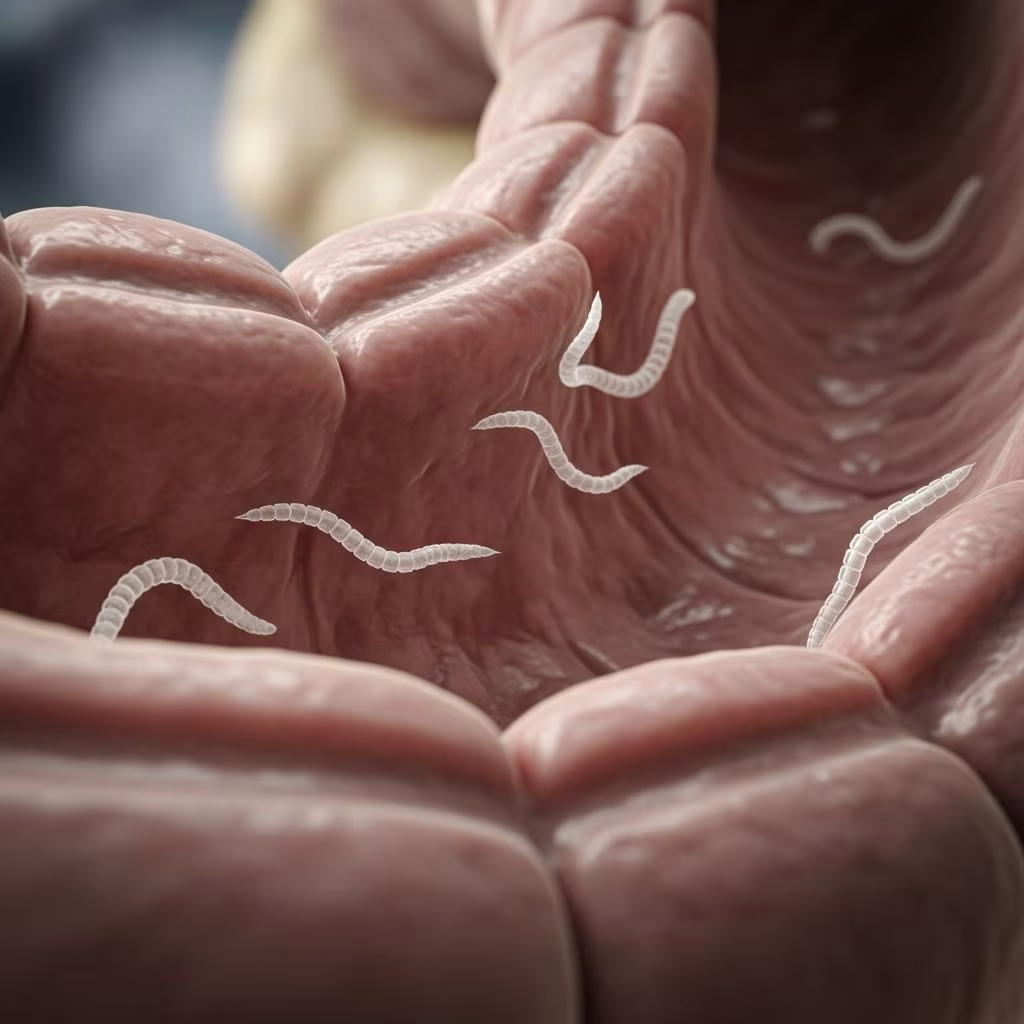
Tapeworms are common intestinal parasites affecting cats of all ages, attaching to the small intestine and absorbing nutrients from their host. These flat, segmented worms, primarily Dipylidium caninum and Taenia species, release proglottids resembling grains of rice in feces or around the anus.
What Are Tapeworms in Cats?
Tapeworms belong to the cestode family, featuring a scolex (head) with hook-like mouthparts that anchor to the cat’s small intestine wall. Adult worms can grow up to 11 inches (30 cm) long, maturing into segments called proglottids that detach and pass in feces. Each proglottid, about 1/2 inch (12 mm) long and 1/8 inch (3 mm) wide, contains up to 20 fertilized eggs. When fresh, they may move; when dry, they turn golden and release eggs into the environment.
The most prevalent species is Dipylidium caninum, transmitted via fleas. Other types include Taenia (from rodents, birds, rabbits) and rarer Echinococcus from infected prey. Unlike roundworms, cats cannot directly ingest tapeworm eggs; an intermediate host is required.
How Do Cats Get Tapeworms?
Cats acquire tapeworms indirectly. For Dipylidium caninum, flea larvae ingest tapeworm eggs, which develop inside the flea. Cats swallow infected fleas while grooming, releasing the cysticeroid in the intestine to mature into adults. This flea lifecycle is crucial, as direct egg ingestion by cats does not cause infection.
Taenia species require intermediate hosts like mice, birds, or rabbits. Cats hunting and eating infected prey ingest larval stages (cysticerci), which develop in the gut. Echinococcus spreads similarly via rodents or squirrels, though less common in cats. Outdoor or hunting cats face higher risks; indoor cats with flea exposure remain vulnerable.
Signs and Symptoms of Tapeworms in Cats
Owners often spot motile proglottids on fresh feces, around the anus, or in bedding, resembling rice grains or cucumber seeds. Cats may scoot their rear on floors or carpets due to anal irritation from proglottids, though less common than in dogs. Excessive grooming around the hindquarters signals discomfort.
- Rice-like or sesame seed segments in stool or fur
- Anal scooting or dragging
- Increased rear-end grooming
- Visible worms in vomit (rare, if worm migrates to stomach)
- Appetite changes, restlessness, or weight loss (heavy infestations only)
Most infections are mild without systemic signs, but large burdens can cause debilitation. Kittens and weakened cats may show more pronounced effects.
Diagnosis of Tapeworms in Cats
Veterinarians diagnose via visual identification of proglottids or fecal flotation to detect eggs, though eggs are rarely seen as proglottids release them externally. Microscopic exam confirms species. History of flea exposure or hunting aids diagnosis. Routine fecal tests during check-ups catch asymptomatic cases.
Treatment for Tapeworms in Cats
Effective deworming uses anthelmintics like praziquantel, available as oral tablets, injections, or topicals. It kills worms, which are digested in the intestine, preventing segment passage post-treatment. Side effects like vomiting or diarrhea are rare with modern formulations.
| Treatment Type | Description | Dosage/Frequency |
|---|---|---|
| Oral Praziquantel | Single dose tablet | One-time, repeat if reinfected |
| Injectable Praziquantel | Vet-administered shot | One-time for hard-to-pill cats |
| Topical (e.g., NexGard Combo) | Skin-applied, kills fleas + tapeworms | Monthly for prevention |
Prescription products are most effective; over-the-counter options may fail certain species. For hunting cats, repeat every 6-8 weeks if reinfection occurs.
Prevention of Tapeworms in Cats
Year-round flea control is essential, using vet-recommended preventatives killing adult fleas and larvae. Keep cats indoors to minimize hunting; feed commercial diets avoiding raw meat.
- Monthly flea topicals/orals (e.g., containing praziquantel)
- Regular grooming and flea checks
- Indoor lifestyle for non-hunters
- Routine vet deworming for at-risk cats
- Household flea treatment if infestation present
Products like NexGard Combo provide dual flea and tapeworm protection.
Are Tapeworms in Cats Contagious to Humans?
Dipylidium caninum rarely infects humans, mainly children ingesting fleas accidentally. Proper hygiene and flea control minimize zoonotic risk. Echinococcus poses greater public health concerns but is uncommon in cats. No direct cat-to-human transmission via feces.
Tapeworms in Kittens
Kittens from flea-infested environments are highly susceptible. Signs mirror adults, but growth impacts are severe. Early deworming and flea prevention are critical during weaning.
Different Types of Tapeworms in Cats
| Type | Intermediate Host | Transmission | Prevalence |
|---|---|---|---|
| Dipylidium caninum | Fleas/lice | Grooming/swallowing fleas | Most common |
| Taenia spp. (e.g., T. taeniaeformis) | Rodents, birds, rabbits | Hunting prey | Common in hunters |
| Echinococcus | Small mammals | Infected prey | Rare |
Frequently Asked Questions (FAQs)
What do tapeworms look like in cat poop?
They appear as small, white, rice-like or cucumber seed segments, often moving when fresh.
Can indoor cats get tapeworms?
Yes, via fleas brought indoors.
How long do tapeworms live in cats?
Weeks to months; segments shed continuously.
Can I get tapeworms from my cat?
Rarely, only by ingesting infected fleas.
Do cat tapeworms go away on their own?
No, treatment is required.
How often should I deworm my cat for tapeworms?
Every 6-8 weeks for hunters; monthly preventatives otherwise.
This guide equips cat owners to identify, treat, and prevent tapeworm infections effectively, ensuring feline health.
References
- Tapeworm Infection in Cats — VCA Animal Hospitals. 2023. https://vcahospitals.com/know-your-pet/tapeworm-infection-in-cats
- Tapeworms in Cats: Signs, Symptoms, Causes & Treatment — UrgentVet. 2024. https://urgentvet.com/tapeworms-infection-in-cats-signs-symptoms-causes-treatment-prevention/
- Tapeworms in Cats: What They Look Like and How to Treat Them — GoodRx. 2024. https://www.goodrx.com/pet-health/cat/tapeworms-in-cats
- Tapeworms in Cats — PetMD. 2024. https://www.petmd.com/cat/conditions/infectious-parasitic/tapeworms-cats
- Tapeworms in Dogs and Cats — Merck Veterinary Manual. 2023-11-28. https://www.merckvetmanual.com/digestive-system/gastrointestinal-parasites-of-small-animals/tapeworms-in-dogs-and-cats



