

Tapeworms in Cats: A Comprehensive Guide
Tapeworms are common intestinal parasites that affect cats of all ages and backgrounds. These pesky parasites can cause discomfort and health complications if left untreated. Understanding what tapeworms are, how cats contract them, and what treatment options are available is essential for any cat owner concerned about their pet’s health. This guide provides detailed information about tapeworm infections in cats and how to manage them effectively.
What Are Tapeworms?
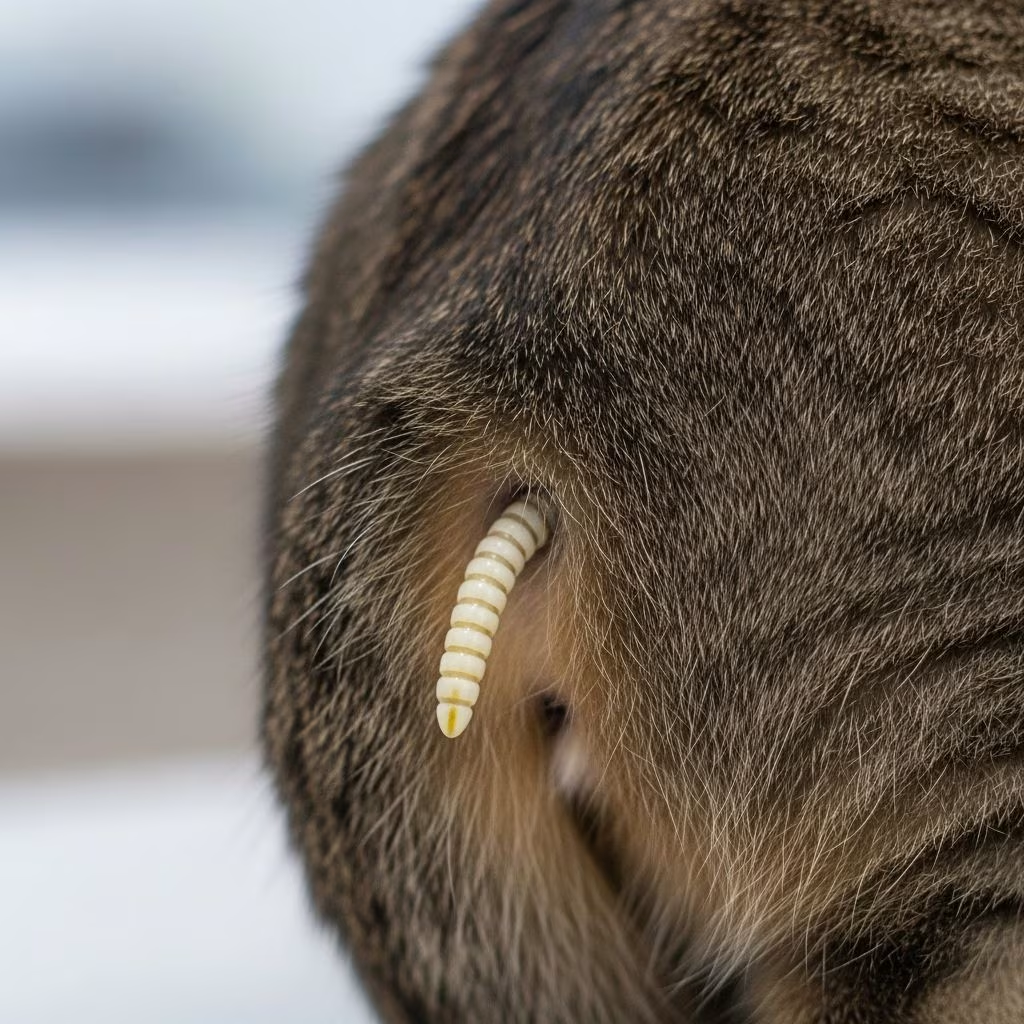
Tapeworms are parasitic flatworms that live in the intestines of infected animals, including cats. These parasites consist of segments called proglottids that contain eggs. As the tapeworm matures, these segments break off and pass through the cat’s digestive system, often visible in feces or around the cat’s rear end. The most common type of tapeworm found in cats is Dipylidium caninum, which cats typically acquire from infected fleas. Other species, such as Taenia, can be transmitted through hunting and consuming infected prey animals.
How Do Cats Get Tapeworms?
Understanding transmission routes is crucial for prevention. Cats can contract tapeworms through several different methods:
Ingesting Infected Fleas
The most common way cats get tapeworms is through flea ingestion. When cats groom themselves, they may accidentally swallow infected fleas that contain tapeworm larvae. These larvae then develop into adult tapeworms within the cat’s intestines. This is why flea prevention is so critical for overall cat health.
Hunting and Eating Infected Prey
Cats that hunt outdoors or have access to prey animals face increased risk of tapeworm infection. Rodents such as mice and rats act as intermediate hosts for certain tapeworm species. When a cat catches and eats an infected rodent, the tapeworm larvae are released into the digestive system and mature into adult worms. Birds and rabbits can also serve as intermediate hosts for Taenia tapeworms.
Consuming Raw or Undercooked Meat
Cats fed raw diets may contract tapeworms if the meat has not been properly handled or treated. Some types of tapeworms can survive in raw or undercooked meat, and consuming this infected meat allows the parasites to develop within the cat’s intestines.
Environmental Exposure
Even indoor cats can become infected through exposure to contaminated environments. Tapeworm eggs may be present in infected feces, bedding, or contaminated soil. In multi-pet households, the risk increases significantly. Additionally, fleas can easily enter homes on shoes, clothing, or other animals, making year-round flea prevention essential even for indoor cats.
Clinical Signs and Symptoms of Tapeworm Infection
Cat owners should watch for various signs that may indicate a tapeworm infection. Symptoms can range from subtle behavioral changes to more obvious physical signs:
Behavioral Changes
One of the most recognizable signs of tapeworm infection is excessive grooming, particularly around the rear end. Cats may also scoot or drag their rear across the floor or carpet in an attempt to relieve anal irritation caused by the proglottids. While this behavior is more common in dogs, it can occur in cats experiencing discomfort.
Digestive Symptoms
Infected cats may experience various gastrointestinal issues including diarrhea or vomiting. In some cases, a cat may vomit an adult tapeworm several inches in length if the worm detaches from the intestinal wall and migrates to the stomach. Some cats may exhibit changes in appetite, eating either more or less than usual.
Physical Signs
Observable physical symptoms include rice-like segments of tapeworms in the cat’s feces or around the rear end. Weight loss despite normal or increased appetite is another key indicator. The cat’s coat may become dull and lackluster due to nutritional deficiencies caused by the parasite consuming nutrients.
General Health Decline
Lethargy and reduced activity levels may accompany tapeworm infections, though these symptoms are not always present. Some cats become irritable or less social when experiencing parasitic infections. They may hide more often or react negatively to being touched, particularly around the abdominal area. Restlessness and signs of irritation are also common indicators.
Diagnosis and Veterinary Assessment
If you suspect your cat has tapeworms, a veterinary examination is necessary for accurate diagnosis. Veterinarians can often identify tapeworms by observing proglottid segments in feces or by performing fecal examinations. The presence of rice-like segments in the litter box or on the cat’s rear end is typically a clear indicator of tapeworm infection. Once diagnosed, your veterinarian can recommend the most appropriate treatment based on the specific type of tapeworm and your cat’s overall health status.
Treatment Options for Tapeworms in Cats
Treating tapeworms in cats is straightforward and highly effective when using appropriate medications. The most commonly prescribed treatment is praziquantel, an anthelmintic medication that damages tapeworms from the inside, causing them to disintegrate and die. Cats then pass the dead tapeworm segments in their feces.
Oral Medications
Praziquantel is available as oral tablets, such as Droncit™, which can be administered directly or mixed with food. Compounded oral liquids made in flavors that cats enjoy are also available by prescription, making administration easier for cats that resist tablets. Oral medications are typically given as a single dose, though follow-up doses may be necessary if reinfection occurs. Most cats tolerate oral praziquantel well, and worms are usually expelled within 24 to 48 hours.
Injectable Treatments
For cats that are difficult to medicate orally, veterinarians can administer an injectable form of praziquantel. This treatment is typically given as a one-time injection, though additional doses may be required depending on the severity of the infection. The injectable form offers a convenient alternative for cat owners struggling with oral medication administration.
Topical Treatments
Prescription topical treatments, such as Profender™ and NexGard® Combo, are applied to the skin, typically between the shoulder blades. These medications work by absorbing into the bloodstream to kill parasites and are particularly useful for pet owners who have difficulty administering oral medications. Some topical flea treatments include deworming agents that help eliminate tapeworms simultaneously.
Treatment Timeline and Effectiveness
Most tapeworm medications work quickly, with pet owners typically seeing dead tapeworm segments in their cat’s stool within one to two days. The overall timeline for complete parasite elimination ranges from days to weeks, depending on the severity of the infection. Side effects from newer tapeworm medications are rarely reported, though some cats may experience mild digestive upset. It is important to complete the full course of deworming medication as prescribed to ensure complete eradication of the parasites.
Prevention Strategies
Preventing tapeworm infections is more effective and less costly than treating them. Several key prevention strategies can significantly reduce your cat’s risk:
Year-Round Flea Prevention
Since the most common tapeworm transmission route is through infected fleas, year-round flea prevention is the single most effective prevention measure. Maintaining consistent flea control eliminates the primary vector for tapeworm infection. This is particularly important for indoor cats, as fleas can enter homes through various routes.
Environmental Hygiene
Regular cleaning of pet bedding, carpets, and areas where your cat spends time helps eliminate tapeworm eggs and flea larvae. After tapeworm treatment, thorough cleaning is especially important to prevent reinfection. Proper sanitation reduces the risk of environmental exposure to parasitic eggs.
Indoor Housing
Keeping cats exclusively indoors significantly reduces their risk of contracting tapeworms through hunting and eating infected prey. Indoor cats have substantially lower infection rates compared to outdoor or free-roaming cats.
Proper Diet Management
If feeding your cat a raw diet, ensure that all meat is properly sourced from reputable suppliers and handled according to food safety guidelines. Avoid feeding raw or undercooked meat that may contain parasitic organisms.
Regular Veterinary Checkups
Regular veterinary visits allow for early detection of parasitic infections. If your cat frequently hunts, your veterinarian may recommend regular deworming protocols to prevent reinfection. An accurate diagnosis enables effective advice on preventing reinfection and managing your cat’s overall parasitic load.
When to Contact Your Veterinarian
Contact your veterinarian immediately if you notice any signs of tapeworm infection in your cat. Early intervention minimizes your pet’s discomfort and supports a healthier recovery. Additionally, inform your veterinarian if your cat has been exposed to fleas, hunts regularly, or is fed a raw diet, as these factors increase infection risk. Your veterinarian can recommend appropriate preventative measures and treatment protocols tailored to your cat’s specific lifestyle and health needs.
Frequently Asked Questions About Cat Tapeworms
Q: How can I tell if my cat has tapeworms?
A: The most obvious sign is rice-like segments visible in your cat’s feces or around the rear end. Other indicators include excessive grooming around the rear, scooting, weight loss despite normal appetite, and dull coat. If you notice any of these signs, contact your veterinarian for diagnosis and treatment.
Q: Is tapeworm treatment safe for cats?
A: Yes, praziquantel and other prescription anthelmintic medications are very safe for cats when administered as directed by a veterinarian. Side effects are rare with modern medications, and treatment is highly effective at eliminating tapeworms.
Q: Can indoor cats get tapeworms?
A: Yes, indoor cats can contract tapeworms through flea infestations within the home. Fleas can enter homes on shoes, clothing, or other animals. Even without hunting, indoor cats are at risk if they come into contact with infected fleas or contaminated environments.
Q: How long does it take for tapeworm treatment to work?
A: Most tapeworm medications work quickly, with dead worm segments typically visible in stool within 24 to 48 hours. Complete parasite elimination typically occurs within days to weeks, depending on infection severity.
Q: Can my cat get reinfected with tapeworms?
A: Yes, reinfection is common if the source of infection is not eliminated. If your cat hunts, reinfection can occur through consuming infected prey within 6 to 8 weeks. Maintaining year-round flea prevention and environmental hygiene significantly reduces reinfection risk.
Q: Are cat tapeworms contagious to humans?
A: The most common feline tapeworm, Dipylidium caninum, is rarely transmitted to humans. Transmission requires accidental ingestion of infected fleas, which is uncommon. However, maintaining good hygiene practices is always recommended when handling infected animals or their feces.
Conclusion
Tapeworm infections are common but highly manageable parasitic conditions in cats. By understanding transmission routes, recognizing clinical signs, and implementing effective prevention strategies, cat owners can significantly reduce their pet’s risk of infection. If your cat does develop tapeworms, prescription medications like praziquantel offer safe, effective treatment that quickly eliminates the parasites. Combining medical treatment with year-round flea prevention and proper environmental hygiene creates a comprehensive approach to protecting your cat’s health. When in doubt, consult with your veterinarian to develop a personalized prevention and treatment plan tailored to your cat’s specific needs and lifestyle.
References
- Tapeworms in Dogs and Cats — Merck Veterinary Manual. Accessed 2025. https://www.merckvetmanual.com/digestive-system/gastrointestinal-parasites-of-small-animals/tapeworms-in-dogs-and-cats
- Tapeworm Infection in Cats — VCA Animal Hospitals. Accessed 2025. https://vcahospitals.com/know-your-pet/tapeworm-infection-in-cats
- About Dog or Cat Tapeworm Infection — Centers for Disease Control and Prevention (CDC). Accessed 2025. https://www.cdc.gov/dipylidium/about/index.html
- Tapeworms in Cats — PetMD. Accessed 2025. https://www.petmd.com/cat/conditions/infectious-parasitic/tapeworms-cats
- Symptoms & Treatment for Tapeworm in Cats — Purina. Accessed 2025. https://www.purina.com/articles/cat/health/parasites/how-to-get-rid-of-tapeworms-in-cats
- Tapeworms in Cats: Signs, Symptoms, Causes & Treatment — UrgentVet. Accessed 2025. https://urgentvet.com/tapeworms-infection-in-cats-signs-symptoms-causes-treatment-prevention/



