

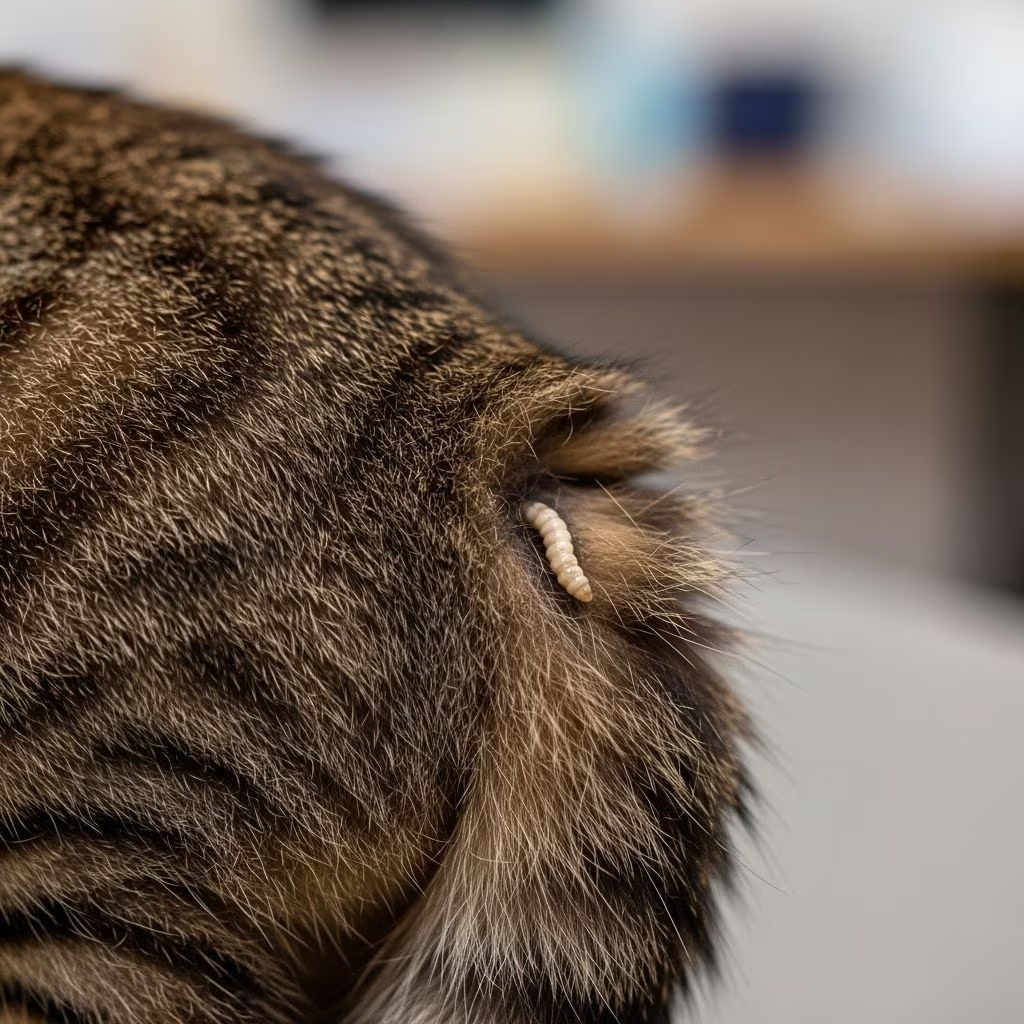
Understanding Tapeworms in Cats
Tapeworms are common intestinal parasites that affect cats of all ages and breeds. These flat, segmented worms attach themselves to the walls of a cat’s small intestine, where they absorb nutrients from the food your cat consumes. Understanding tapeworm infections is essential for any cat owner, as early detection and treatment can prevent discomfort and health complications for your beloved pet.
The most prevalent tapeworm species found in cats is Dipylidium caninum, though other species such as Taenia taeniaeformis and Echinococcus can also infect felines. As adult tapeworms mature, individual segments known as proglottids break off from the main body of the worm and pass through your cat’s digestive system, eventually appearing in the feces or around the anal area.
Types of Tapeworms in Cats
Different tapeworm species infect cats through different transmission routes, and recognizing which type your cat may have encountered can help guide treatment decisions.
Dipylidium Caninum
This is the most common tapeworm affecting domestic cats. Dipylidium caninum uses hook-like mouthparts to anchor itself firmly to the intestinal wall. Adult tapeworms of this species can reach lengths of up to 11 inches (30 centimeters). Cats contract this tapeworm exclusively through the ingestion of infected fleas, making flea control a critical prevention strategy.
Taenia Species
The Taenia genus, particularly Taenia taeniaeformis, represents another significant tapeworm threat to cats. Unlike Dipylidium caninum, cats acquire Taenia infestations by hunting and consuming infected intermediate hosts such as mice, birds, and rabbits. This transmission route makes outdoor cats particularly vulnerable to this tapeworm species.
Echinococcus Species
While less common than the other two types, Echinococcus species can also infect cats and pose potential zoonotic risks to humans. This species typically requires similar transmission routes as Taenia, involving the consumption of infected prey animals.
How Cats Get Tapeworms
Understanding the transmission routes of tapeworms is crucial for implementing effective prevention strategies. Cats can contract tapeworms through multiple pathways, each with distinct characteristics and prevention methods.
Flea Ingestion During Grooming
The primary transmission route for Dipylidium caninum involves fleas as intermediate hosts. The life cycle begins when a flea larva ingests tapeworm eggs. As the larval flea matures into an adult flea, the tapeworm egg continues to develop within it. During normal grooming, or in response to a flea bite, cats inadvertently swallow infected fleas. Once the flea is digested within the cat’s intestine, the tapeworm egg is released, hatches, and anchors itself to the intestinal lining, completing the lifecycle.
Hunting and Consuming Infected Prey
Cats that hunt rodents or consume raw meat may contract different species of tapeworms through infected prey. When a cat catches and eats an infected rodent, the tapeworm larvae are released into the digestive system and mature into adult worms. This transmission route is particularly concerning for outdoor cats or those with access to hunting opportunities.
Raw or Undercooked Meat Consumption
Some types of tapeworms can be transmitted when cats consume infected meat, particularly if they are fed raw diets that have not been properly treated to eliminate parasites. Pet owners who feed raw diets should source their ingredients from reputable suppliers who follow proper safety protocols.
Signs and Symptoms of Tapeworm Infection
Recognizing the signs of tapeworm infection allows for early intervention and treatment. Cat owners should monitor their pets for behavioral and physical changes that may indicate parasitic infection.
Visible Tapeworm Segments
One of the most distinctive signs of tapeworm infection is the presence of proglottids in your cat’s feces or around the anal area. These segments resemble grains of rice or cucumber seeds and are approximately 1/2 inch (12 millimeters) long and 1/8 inch (3 millimeters) wide. Fresh segments may move independently, and you might notice them on your cat’s bedding or litter box.
Behavioral Changes
Infected cats often exhibit specific behavioral patterns indicating discomfort. These include:
- Excessive grooming, particularly around the rear end
- Scooting or dragging their rear across the floor or carpet due to anal irritation
- Restlessness or signs of irritation
- Changes in appetite, either increased or decreased
It’s important to note that while scooting is more common in dogs with tapeworms, cats may still exhibit this behavior when significantly irritated.
Gastrointestinal Symptoms
In some cases, cats may experience vomiting, particularly if a tapeworm releases its attachment in the intestines and migrates to the stomach. When this occurs, the cat may vomit an adult tapeworm several inches in length. Weight loss and nutritional deficiencies may develop if large numbers of tapeworms are present, as they absorb nutrients from the cat’s food.
Diagnosis of Tapeworm Infection
Proper diagnosis is essential for effective treatment. While many tapeworm infections are identified by the owner noticing proglottids in feces or on bedding, veterinary confirmation ensures accurate diagnosis and appropriate treatment decisions. Your veterinarian may perform fecal examinations or recommend other diagnostic methods based on clinical presentation.
Treatment Options for Tapeworms
Fortunately, tapeworm infections in cats are highly treatable with appropriate veterinary care. Several effective treatment options are available, each with distinct advantages.
Oral Deworming Medication
Praziquantel is the most commonly prescribed oral medication for treating tapeworms in cats. This highly effective anthelmintic medication works by causing paralysis of the tapeworm, leading to its expulsion from the intestines. Praziquantel is typically administered as a single dose, though a follow-up dose may be required if reinfection occurs. Most cats tolerate oral medication well, and the worms are expelled within 24 to 48 hours after treatment.
Injectable Treatments
For cats that are difficult to medicate orally or who experience issues with oral administration, veterinarians may administer an injectable form of praziquantel. This treatment is typically given as a one-time injection, though additional doses may be required depending on the severity of the infection. Injectable treatments offer a convenient alternative for resistant cats.
Topical Treatments
Some prescription flea treatments include deworming agents that help eliminate tapeworms. These treatments are applied to the skin, typically between the shoulder blades, and work by absorbing into the bloodstream to kill parasites. Topical treatments are particularly useful for pet owners who struggle to administer oral medications and provide the added benefit of flea prevention simultaneously.
Supportive Care
Severely affected cats may require additional supportive treatments such as fluid therapy or nutritional supplements to aid recovery, particularly if they have experienced significant weight loss or nutritional deficiency.
Treatment Comparison Table
| Treatment Type | Administration | Timeframe | Effectiveness | Best For |
|---|---|---|---|---|
| Oral Praziquantel | By mouth | Single or follow-up doses | Highly effective | Cooperative cats |
| Injectable Praziquantel | Injection | One-time or multiple doses | Highly effective | Difficult-to-medicate cats |
| Topical Treatments | Skin application | Monthly or as directed | Effective | Multi-parasite prevention |
| Supportive Care | Varies | Ongoing as needed | Supportive | Severely affected cats |
Prevention Strategies for Tapeworm Infection
Prevention is always preferable to treatment. Implementing comprehensive prevention strategies significantly reduces your cat’s risk of tapeworm infection.
Year-Round Flea Control
Since fleas are the primary transmission vector for Dipylidium caninum, consistent flea prevention is the most effective prevention strategy. Year-round flea control eliminates the risk of accidental flea ingestion during grooming. Prescription flea prevention products offer superior protection compared to over-the-counter alternatives and should be administered as directed by your veterinarian.
Regular Grooming and Flea Checks
Brushing your cat’s fur regularly and checking for fleas can help catch an infestation early before it leads to tapeworm transmission. Regular grooming sessions also strengthen your bond with your cat while allowing you to monitor their overall health.
Dietary Management
Avoid feeding your cat raw meat or allowing access to wild prey. Feeding commercially prepared cat food or cooked meat reduces exposure to tapeworm-infected prey. If you choose to feed a raw diet, source ingredients from reputable suppliers who follow strict safety protocols.
Indoor Living
Keeping your cat indoors reduces their risk of encountering infected prey animals and fleas. Indoor cats have significantly lower exposure to environmental parasites and other outdoor hazards.
Regular Veterinary Check-ups
Routine veterinary visits help catch infections early and ensure your cat’s overall health. Your veterinarian can recommend appropriate deworming schedules and flea prevention products tailored to your cat’s lifestyle and risk factors.
Reinfection Prevention in Hunting Cats
For cats that hunt frequently, regular deworming is recommended, as reinfection can occur with the passage of tapeworm segments in six to eight weeks if the cat continues to consume infected prey.
When to Contact Your Veterinarian
Schedule an appointment with your veterinarian if you observe any of the following:
- White, rice-like segments in your cat’s feces or around the anus
- Persistent scooting or excessive anal grooming
- Unexplained weight loss despite normal appetite
- Vomiting, particularly if you observe tapeworm segments
- Signs of flea infestation
- Changes in appetite or behavior
Frequently Asked Questions
Q: Can humans get tapeworms from cats?
A: While rare, humans can potentially contract certain tapeworm species through accidental ingestion of infected fleas or contaminated food. Maintaining good hygiene practices and consistent flea prevention in your cat minimizes this risk.
Q: How long does tapeworm treatment take?
A: Most tapeworms are expelled within 24 to 48 hours after administering praziquantel. Your veterinarian may recommend a follow-up dose depending on the severity of infection and reinfection risk.
Q: Can indoor cats get tapeworms?
A: Yes, indoor cats can get tapeworms if they have fleas or if they consume infected prey brought inside by other household members or pets. Year-round flea prevention is essential for all cats, regardless of lifestyle.
Q: How often should I deworm my cat?
A: Deworming schedules depend on your cat’s lifestyle and risk factors. Indoor cats typically need deworming only when infection is detected, while outdoor or hunting cats may benefit from regular preventive deworming. Consult your veterinarian for personalized recommendations.
Q: Are tapeworms life-threatening to cats?
A: Tapeworms are rarely life-threatening in otherwise healthy cats, though large infestations can cause weight loss and nutritional deficiency. However, they should be treated promptly to prevent discomfort and potential complications.
Q: What should I do if I see tapeworm segments?
A: If you observe tapeworm segments, contact your veterinarian for diagnosis and treatment. While many infections resolve easily with medication, professional evaluation ensures appropriate care and eliminates any underlying flea infestation.
References
- Tapeworm Infection in Cats — VCA Animal Hospitals. Accessed November 2025. https://vcahospitals.com/know-your-pet/tapeworm-infection-in-cats
- Tapeworms in Cats: Signs, Symptoms, Causes & Treatment — Urgent Vet. Accessed November 2025. https://urgentvet.com/tapeworms-infection-in-cats-signs-symptoms-causes-treatment-prevention/
- How Do Cats Get Worms? A Complete Guide to Prevention and Treatment — Central Texas Animal Hospital. Accessed November 2025. https://centraltexasanimalhospital.com/cat-parasites/how-do-cats-get-worms-a-complete-guide-to-prevention-and-treatment/
- Tapeworms in Cats: What They Look Like and How to Treat Them — GoodRx Pet Health. Accessed November 2025. https://www.goodrx.com/pet-health/cat/tapeworms-in-cats
- Tapeworms in Cats — PetMD. Accessed November 2025. https://www.petmd.com/cat/conditions/infectious-parasitic/tapeworms-cats
- About Dog or Cat Tapeworm Infection — Centers for Disease Control and Prevention (CDC). Accessed November 2025. https://www.cdc.gov/dipylidium/about/index.html



