

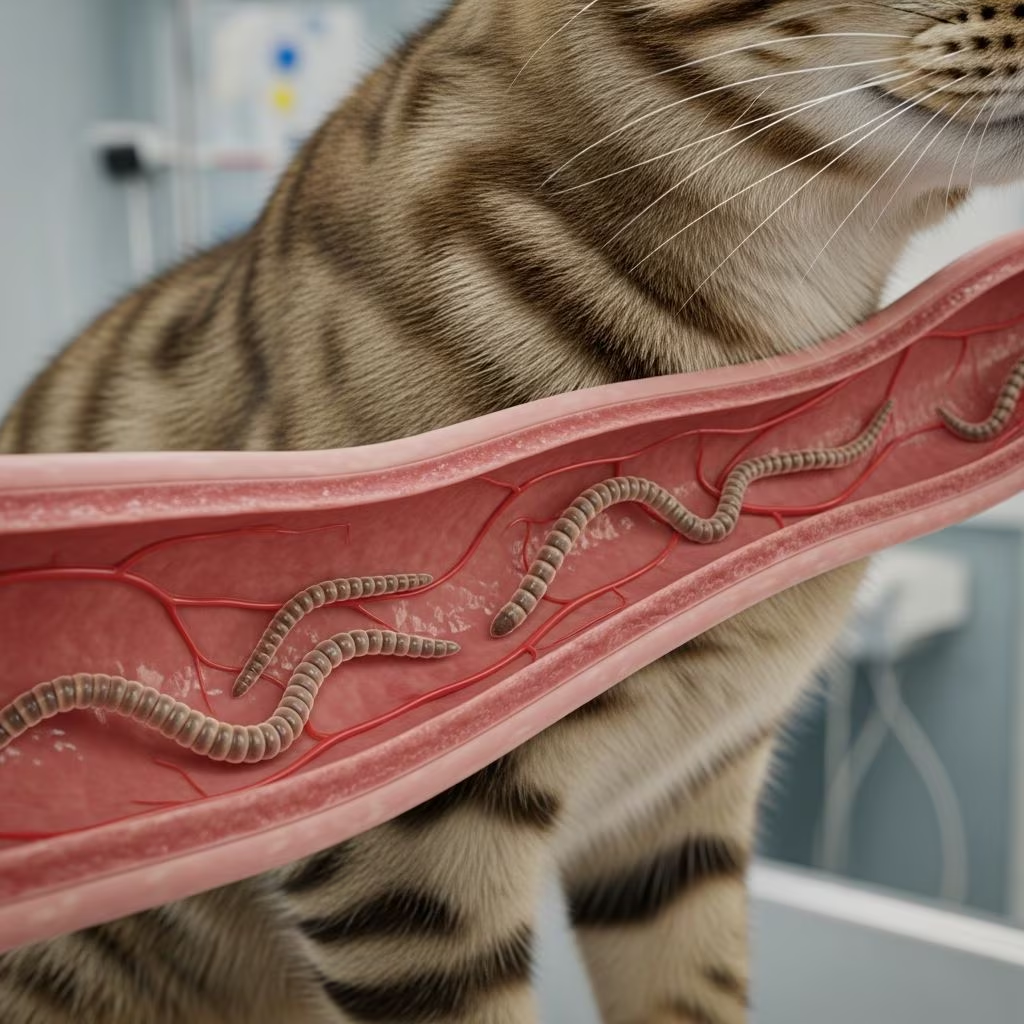
What Are Tapeworms in Cats?
Tapeworms are **flat, segmented intestinal parasites** that commonly infect cats of all ages. These parasites attach themselves to the walls of a cat’s small intestine using hook-like mouthparts, where they absorb essential nutrients from their host. As tapeworms mature and grow, individual segments called proglottids break away from the main body and pass through the cat’s digestive system, eventually appearing in their stool or around the anal area.
Adult tapeworms can reach impressive lengths, typically measuring between **4 to 28 inches long**, with some species growing up to 11 inches (30 cm). The segments that break off are small, measuring approximately **1/2 inch (12 mm) long and 1/8 inch (3 mm) wide**, and often resemble grains of rice or cucumber seeds in appearance. This distinctive appearance is one of the primary ways cat owners identify tapeworm infections in their pets.
Types of Tapeworms That Affect Cats
There are several types of tapeworms that can infect cats, each with different transmission methods and characteristics:
- Dipylidium caninum (Flea Tapeworm): This is the most common type of tapeworm found in cats, also known as the cucumber tapeworm. It is transmitted through infected fleas and represents the majority of tapeworm cases in feline patients.
- Taenia: This species infects cats when they hunt and consume infected prey, particularly rodents, birds, and rabbits. The intermediate hosts for Taenia tapeworms are small mammals and birds that cats hunt.
- Echinococcus: This type is less common than the other two but can still infect cats through consumption of infected rodents and squirrels.
How Cats Get Tapeworms
Understanding the transmission methods of tapeworms is crucial for prevention. The lifecycle varies depending on the tapeworm species:
Infection Through Fleas (Dipylidium caninum)
The most common pathway to tapeworm infection involves fleas. The process begins when a **flea larva ingests a tapeworm egg**. As the larval flea develops and matures into an adult flea, the tapeworm egg continues to develop within it. When a cat grooms itself and inadvertently swallows an infected flea—either during normal grooming or in response to flea bites—the flea is digested in the cat’s intestines. Once the flea is broken down, the tapeworm egg is released, hatches, and anchors itself to the intestinal lining, completing the lifecycle.
Unlike many other intestinal parasites, cats **cannot become infected by eating tapeworm eggs directly**. The parasite must first pass through a flea (the intermediate host) before it can infect the cat.
Infection Through Hunting and Raw Prey
Cats that hunt and consume infected prey—particularly rodents, birds, and rabbits—can contract different species of tapeworms such as Taenia and Echinococcus. When a cat eats an infected animal, the tapeworms or their larval stages present in the prey are ingested and establish themselves in the cat’s intestines.
Signs and Symptoms of Tapeworm Infection
Cat owners should be alert to several signs that may indicate a tapeworm infection:
Most Common Signs
- **Visible worm segments in stool:** The most recognizable sign is the presence of proglottids in the cat’s feces or around the anal area, appearing as small rice-grain or cucumber-seed-like segments.
- **Scooting or dragging behavior:** A cat may scoot or drag its anus across the floor or carpet due to anal irritation caused by the worm segments, though this behavior is less common in cats than in dogs.
- **Vomiting:** Occasionally, a tapeworm may release its attachment in the intestines and migrate to the stomach, causing the cat to vomit an adult tapeworm several inches in length.
Additional Behavioral Changes
Before visible symptoms appear, infected cats may exhibit:
- Increased or excessive grooming, particularly around the rear end
- Changes in appetite, either increased or decreased
- Restlessness or signs of irritation
- General discomfort or behavioral changes
It’s important to note that **severe symptoms like debilitation or weight loss are rare** and typically occur only when a cat has a large number of tapeworms.
Diagnosing Tapeworms in Cats
Diagnosis of tapeworm infection is usually straightforward. Veterinarians can identify tapeworms through observation of segments in the cat’s stool or by spotting them around the anal area. If owners bring in a stool sample showing these characteristic rice-like segments, diagnosis is typically immediate and does not require additional testing. In some cases, veterinarians may perform a fecal examination to confirm the presence of tapeworm eggs, though visual identification of segments is usually sufficient.
Treatment Options for Tapeworms
Fortunately, treating tapeworms in cats is **straightforward and highly effective**. Several treatment options are available, and veterinarians will recommend the most suitable approach based on the individual cat’s needs:
Oral Deworming Medication
**Praziquantel** is the most commonly prescribed oral medication for treating tapeworms in cats. This deworming agent works by damaging the tapeworms from the inside, causing them to disintegrate and die. The medication is typically administered as a **single dose**, though a follow-up dose may be required if reinfection occurs. Cats usually tolerate praziquantel well, and the dead worm segments are typically expelled in the cat’s stool within 24-48 hours.
Injectable Treatments
For cats that are difficult to medicate orally, veterinarians may administer an **injectable form of praziquantel**. This treatment is typically given as a one-time injection, though additional doses may be necessary depending on the severity of the infection.
Topical Treatments
Some **flea treatments include deworming agents** that help eliminate tapeworms. These products are applied topically to the skin, usually between the shoulder blades, and work by absorbing into the bloodstream to kill parasites. Topical treatments are particularly useful for pet owners who struggle to administer oral medications and serve the dual purpose of controlling fleas while preventing tapeworm infections.
Combination Products
Products like NexGard® Combo kill multiple types of parasites, including fleas, and contain praziquantel as a backup measure for comprehensive tapeworm prevention.
Prevention of Tapeworm Infections
Preventing tapeworm infections requires a multi-pronged approach focused on eliminating transmission routes:
Year-Round Flea Control
Since **Dipylidium caninum is spread through fleas**, year-round flea prevention is the most effective way to prevent the most common type of tapeworm infection. Regular flea control ensures that cats cannot ingest infected fleas during grooming. Even indoor cats can contract fleas, so year-round prevention is recommended for all cats.
Treat Your Home for Fleas
While there are no effective home remedies for tapeworms themselves, treating your home for fleas is an important preventive step. Fleas tend to concentrate in areas where cats spend the most time, including their favorite perches and beds. Implementing a comprehensive home treatment plan includes:
- Vacuuming regularly to remove flea eggs and immature fleas from carpets and furniture
- Washing your cat’s bedding weekly in hot water
- Using flea control products containing pyrethrins or ingredients like permethrin or deltamethrin
- Treating all areas of the home where the cat frequents
Keep Cats Indoors
**Indoor cats are at significantly less risk** of contracting tapeworms than outdoor cats. Keeping cats indoors eliminates the possibility of hunting and consuming infected prey, effectively preventing infection with Taenia and Echinococcus tapeworms.
Proper Diet and Hygiene
Additional prevention measures include:
- **Avoid raw meat:** Feeding your cat only cooked or commercial cat food reduces exposure to tapeworm-infected prey
- **Regular grooming and flea checks:** Brushing your cat’s fur and checking for fleas regularly can help catch infestations early
- **Regular veterinary check-ups:** Routine visits help catch infections early and maintain your cat’s overall health
Preventive Deworming for High-Risk Cats
If your cat has recurring problems with tapeworms—particularly cats that hunt frequently—your veterinarian may recommend regular praziquantel administration or another deworming medication as a preventive measure. If a cat continues to hunt and eat prey despite treatment, reinfection can occur within six to eight weeks, making regular deworming advisable.
When to Contact Your Veterinarian
Contact your veterinarian if you observe any of the following:
- Visible worm segments in your cat’s stool or around the anal area
- Your cat vomiting up worm segments
- Persistent scooting or excessive grooming around the rear end
- Significant changes in appetite or weight
- Signs of discomfort or behavioral changes
- Your cat has a known flea infestation
Frequently Asked Questions
Q: Can humans get tapeworms from cats?
A: Direct transmission from cats to humans is extremely rare. However, humans can contract certain tapeworms by ingesting infected fleas or undercooked meat, similar to how cats become infected. Practicing good hygiene and handwashing after handling cats or their litter boxes further reduces any minimal risk.
Q: How long does it take for tapeworms to go away after treatment?
A: Most cats respond quickly to praziquantel treatment. Dead worm segments typically pass through the stool within 24-48 hours after treatment. However, ensuring complete flea control is essential to prevent reinfection.
Q: Are tapeworms life-threatening to cats?
A: While tapeworms are uncomfortable and can cause irritation, they are rarely life-threatening in otherwise healthy cats. Severe complications like debilitation or significant weight loss occur only with heavy infestations. Treatment is highly effective and straightforward.
Q: Can indoor cats get tapeworms?
A: Yes, indoor cats can get tapeworms, primarily through ingesting infected fleas. Even indoor cats can have fleas, so year-round flea prevention is recommended for all cats, regardless of whether they spend time outdoors.
Q: What should I do if my cat refuses oral deworming medication?
A: If your cat refuses praziquantel tablets, discuss alternative options with your veterinarian. Injectable praziquantel, topical treatments with deworming agents, or combination flea and deworming products are available as alternatives.
Q: How often should I deworm my cat?
A: Most cats are dewormed as needed when tapeworms are detected. However, cats with frequent outdoor access or hunting habits may benefit from regular preventive deworming every 6-8 weeks. Consult your veterinarian for the best schedule for your individual cat.
References
- Tapeworm Infection in Cats — VCA Animal Hospitals. https://vcahospitals.com/know-your-pet/tapeworm-infection-in-cats
- Tapeworms in Cats: What They Look Like and How to Treat Them — GoodRx Pet Health. https://www.goodrx.com/pet-health/cat/tapeworms-in-cats
- Tapeworms in Cats: Signs, Symptoms, Causes & Treatment — Urgent Vet. https://urgentvet.com/tapeworms-infection-in-cats-signs-symptoms-causes-treatment-prevention/
- Tapeworms in Cats — PetMD. https://www.petmd.com/cat/conditions/infectious-parasitic/tapeworms-cats



