

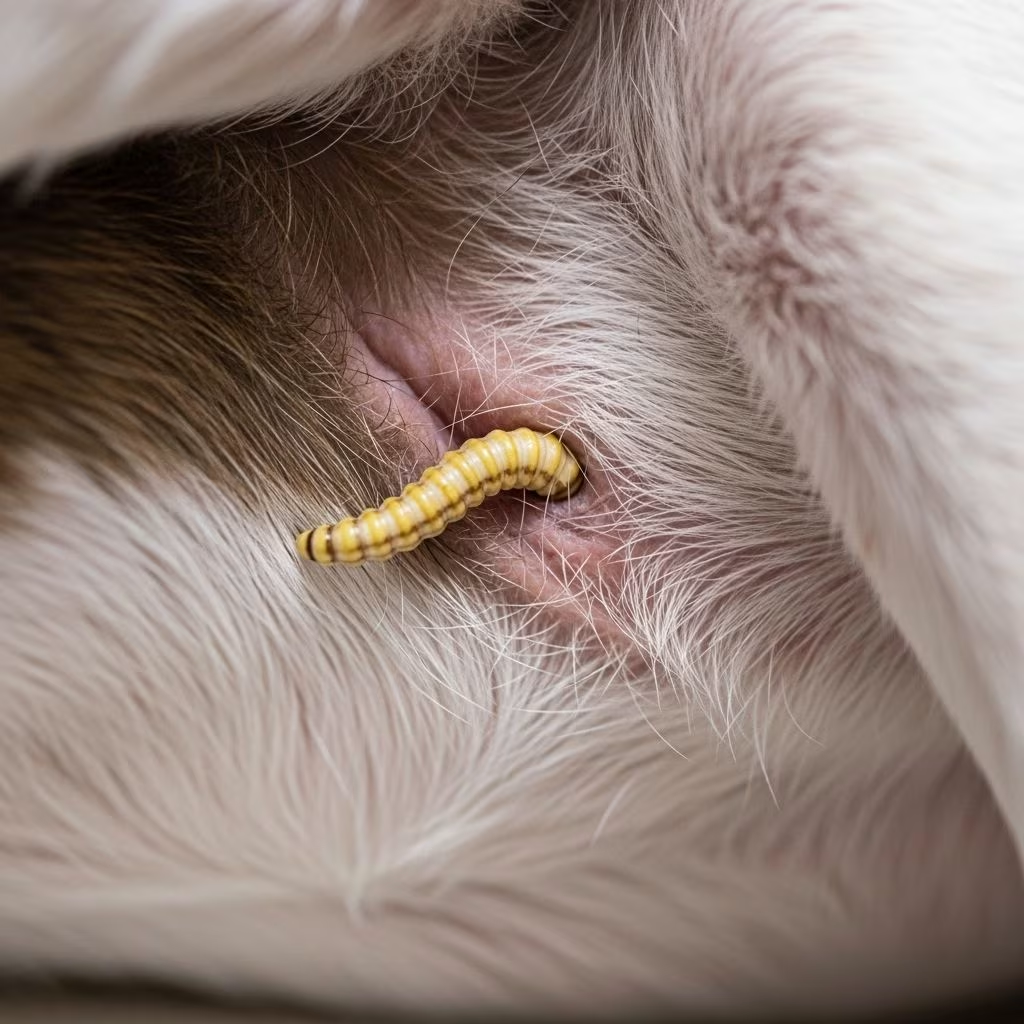
Understanding Tapeworm Infection in Dogs
Tapeworms are intestinal parasites that pose a significant health risk to dogs of all ages. These flat, segmented worms establish themselves in the digestive tract where they feed on nutrients meant for your pet, potentially causing serious health complications if left untreated. Understanding what tapeworms are, how dogs contract them, and what treatment options are available is essential for every dog owner committed to their pet’s wellbeing.
The most common tapeworm species affecting dogs is Dipylidium caninum, often called the “flea tapeworm” or “cucumber tapeworm.” This particular species has become the primary concern for veterinarians treating parasitic infections in domestic dogs. However, dogs can also contract other tapeworm species, including Taenia species acquired through hunting infected prey animals.
What Causes Tapeworm Infections?
Tapeworm infections in dogs typically result from ingesting infected fleas during grooming or normal daily activities. When a dog swallows an infected flea while cleaning itself, the flea tapeworm lifecycle begins. The flea acts as an intermediate host, carrying tapeworm larvae that mature into adult worms once inside the dog’s intestines.
Dogs may also contract tapeworms through consuming infected prey animals, particularly rabbits and rodents. Hunting behavior poses a significant risk factor for tapeworm reinfection, as dogs that frequently hunt may consume multiple infected prey items throughout their lives.
The connection between flea control and tapeworm prevention cannot be overstated. Since fleas serve as the primary vector for the most common tapeworm species in dogs, maintaining rigorous flea prevention is crucial for reducing infection rates.
Recognizing Tapeworm Symptoms
Dog owners should remain vigilant for several telltale signs of tapeworm infection. Identifying symptoms early allows for prompt veterinary intervention and prevents potential complications.
Visible Segments in Stool or Around the Anus
One of the most recognizable indicators of tapeworm infection is the presence of rice-like segments visible in your dog’s feces or clinging to the fur around the anal area. These segments are actually dried tapeworm proglottids (individual segments) that have detached from the main worm body. They typically appear as small, hard, yellowish specks that may resemble grains of rice or sesame seeds.
Scooting and Excessive Licking
When tapeworm segments irritate the anal area, dogs often respond by scooting their bottoms across the floor or excessively licking their hindquarters. This behavior represents your dog’s attempt to relieve the discomfort caused by the parasites. Pet owners frequently interpret this scooting as a sign of anal gland problems, but it may actually indicate tapeworm infection.
Weight Loss Despite Adequate Nutrition
In severe or heavy infestations, particularly in younger dogs, weight loss can occur even when the dog consumes normal or increased food portions. Tapeworms compete with the host animal for nutrients, effectively starving the dog from within. Young puppies affected by significant tapeworm burdens may experience stunted growth and developmental delays.
Gastrointestinal Distress
While relatively uncommon, large tapeworms occasionally cause vomiting in infected dogs. In rare instances, owners may actually observe whole worms or segments in the dog’s vomit, measuring approximately five to eight inches in length. Additionally, severe infections can lead to intestinal blockage, causing nausea, abdominal pain, and constipation.
Diagnosis of Tapeworm Infection
Veterinary diagnosis of tapeworm infection involves several diagnostic approaches. Your veterinarian may examine your dog directly to identify visible tapeworm segments, or they may perform microscopic analysis of fecal samples to detect tapeworm eggs. Since tapeworm segments and eggs are not consistently passed with every bowel movement, your vet may request multiple stool samples collected over several days to confirm diagnosis definitively.
This intermittent shedding pattern explains why a single negative fecal test does not completely rule out tapeworm infection. Persistence and patience with multiple testing rounds ensures accurate diagnosis.
Treatment Options for Tapeworms
Primary Deworming Medications
Modern deworming medications have made tapeworm treatment straightforward and highly effective. The most commonly prescribed medication is praziquantel, a parasiticide available in multiple formulations. Praziquantel works by causing tapeworms to detach from the intestinal wall, where they are subsequently digested as they pass through the digestive system.
Your veterinarian can administer praziquantel either as an oral tablet or by injection, depending on your dog’s specific situation and temperament. The injectable form proves particularly useful for dogs resistant to oral medication. Notably, the digestion process means you typically won’t observe dead worms in your dog’s stool, as they dissolve completely during transit.
Alternative Deworming Medications
While praziquantel remains the gold standard, veterinarians may prescribe alternative medications in certain situations. These alternatives include:
Fenbendazole (Panacur) – Administered at 50 mg/kg daily for 10 days, this broad-spectrum dewormer effectively treats tapeworm infections.
Epsiprantel (Cestex) – This medication specifically targets certain tapeworm species and offers another effective treatment option when praziquantel may not be suitable.
Broad-spectrum dewormers – Products like Drontal Plus tablets treat multiple parasitic worm types simultaneously, addressing tapeworms along with other intestinal parasites your dog may harbor.
Medication Safety and Effectiveness
Prescription deworming medications represent the most effective treatment options available. While over-the-counter dewormers exist, they typically prove less potent than prescription-strength formulations. Prescription products like Drontal Plus offer superior efficacy compared to many commercial alternatives. These medications are remarkably safe with minimal side effects when administered properly under veterinary guidance.
Recovery and Post-Treatment Management
Most dogs recover rapidly following tapeworm treatment, often feeling noticeably better within days. Puppies and adult dogs alike demonstrate quick recuperation, particularly when the infection was caught relatively early without severe complications.
However, successful treatment requires more than medication alone. To prevent rapid reinfection, owners must simultaneously implement rigorous flea control measures. A dog treated for tapeworms can become reinfected within weeks if fleas continue to infest the animal or the environment. This dual approach—deworming plus flea prevention—forms the foundation of successful long-term management.
Additionally, promptly removing your dog’s stool from the yard prevents environmental contamination and breaks the tapeworm lifecycle. During treatment, disposing of feces carefully using rubber gloves and either incinerating or burying droppings for at least three days significantly reduces reinfection risk.
Preventing Tapeworm Infections
Flea Control as the Foundation
Since fleas represent the primary transmission vector for the most common tapeworm species, controlling flea populations both on your dog and throughout your home environment proves essential. Multiple flea prevention options exist, including:
– Oral medications administered monthly or as directed by your veterinarian
– Topical spot-on treatments applied to the skin
– Flea collars offering extended protection
– Environmental sprays for treating your home and yard
– Flea powders for targeted applications
Work closely with your veterinarian to select the most appropriate flea prevention method for your dog’s lifestyle and health status. Consistent, year-round flea prevention remains more effective and cost-efficient than treating recurring flea infestations and subsequent tapeworm infections.
Regular Deworming Schedule
Veterinarians recommend maintaining a regular deworming schedule appropriate for your dog’s risk level. Dogs with outdoor access, particularly those with hunting instincts, benefit from more frequent deworming protocols than strictly indoor pets.
Preventing Prey Consumption
Supervise your dog carefully during outdoor activities to prevent scavenging of potentially infected prey animals. While hunting instincts are natural dog behaviors, preventing consumption of wild animals significantly reduces tapeworm exposure. Keep your dog on a leash in areas where other animals frequent, such as parks and natural green spaces.
Environmental Hygiene
Maintain excellent sanitation practices by promptly cleaning up your dog’s feces from your yard and other areas. Proper disposal prevents environmental contamination and interrupts the tapeworm lifecycle. This simple preventive measure proves surprisingly effective at reducing infection rates in multi-dog households and neighborhoods.
When to Seek Veterinary Care
If you notice any signs of tapeworm infection in your dog, scheduling a veterinary appointment promptly is crucial. Early intervention prevents complications such as severe weight loss, intestinal blockage, and stunted growth in puppies. Additionally, untreated tapeworm infections create ongoing environmental contamination risks affecting other pets in your household or neighborhood.
Dogs experiencing unexplained weight loss, persistent gastrointestinal upset, or behavioral changes like excessive scooting warrant veterinary evaluation. Your veterinarian can rule out tapeworms and identify any other underlying health conditions.
Complications of Untreated Tapeworm Infections
Leaving tapeworm infections untreated can result in serious health complications. Intestinal blockage represents one of the most severe potential outcomes, particularly in dogs with heavy parasitic burdens. Affected dogs experience nausea, abdominal pain, and constipation that may require emergency intervention.
Severe weight loss despite adequate food intake compromises your dog’s immune system and overall health status. Young dogs experiencing nutritional deficits during critical growth periods may suffer permanent stunted development and reduced size compared to their genetic potential. Anemia can develop in heavily infected animals as blood parasites and chronic blood loss accumulate.
Frequently Asked Questions
How long does tapeworm treatment take to work?
Praziquantel and other prescription deworming medications typically eliminate adult tapeworms within 24-48 hours. Most dogs show improvement in symptoms within several days. However, environmental contamination prevention and flea control must continue for several weeks to prevent reinfection.
Can tapeworms spread to humans?
While rare, certain tapeworm species can infect humans through accidental ingestion of infected fleas or contaminated materials. Practicing good hygiene when handling your dog’s feces and maintaining personal cleanliness significantly minimizes this risk.
How often should I deworm my dog?
Deworming frequency depends on your dog’s lifestyle and risk factors. Indoor dogs may require deworming once or twice yearly, while outdoor dogs or those with hunting behaviors may benefit from more frequent deworming. Consult your veterinarian for a schedule tailored to your dog’s specific situation.
Are over-the-counter dewormers effective?
While some over-the-counter products offer limited effectiveness, prescription deworming medications consistently provide superior results. Your veterinarian can recommend the most effective option for your dog’s particular tapeworm species.
What happens if my dog gets reinfected?
Reinfection can occur if flea control lapses or if your dog continues hunting infected prey. Additional deworming treatments address new infections, but consistent flea prevention is essential to prevent the cycle from repeating.
References
- Tapeworms in Dogs: Symptoms, Treatment, and Prevention — Animal Care Center. Accessed 2025. https://www.animalcarectr.com/blog/tapeworms-in-dogs-symptoms-treatment-and-prevention
- Tapeworm in Dogs: Symptoms & Treatment — Purina. Accessed 2025. https://www.purina.com/articles/dog/health/symptoms/tapeworm-in-dogs
- Dog Tapeworms – Causes, Treatments, and Prevention — WebMD Pets. Accessed 2025. https://www.webmd.com/pets/dogs/dog-tapeworms-symptoms-treatments
- Tapeworms in Dogs: What Tapeworms Are and How To Get Rid of Them — PetMD. Accessed 2025. https://www.petmd.com/dog/conditions/infectious-parasitic/tapeworms-dogs-what-tapeworms-are-and-how-get-rid-them
- Tapeworms in Dogs and Cats – Digestive System — Merck Veterinary Manual. Accessed 2025. https://www.merckvetmanual.com/digestive-system/gastrointestinal-parasites-of-small-animals/tapeworms-in-dogs-and-cats
- Tapeworms in Dogs: Signs, Symptoms, and Treatment — American Kennel Club. Accessed 2025. https://www.akc.org/expert-advice/health/tapeworms-in-dogs/
- Tapeworm Infection in Dogs — VCA Animal Hospitals. Accessed 2025. https://vcahospitals.com/know-your-pet/tapeworm-infection-in-dogs



