
Tapeworm Infection in Cats: Causes, Signs & Treatment
Complete guide to understanding, treating, and preventing tapeworm infections in cats.
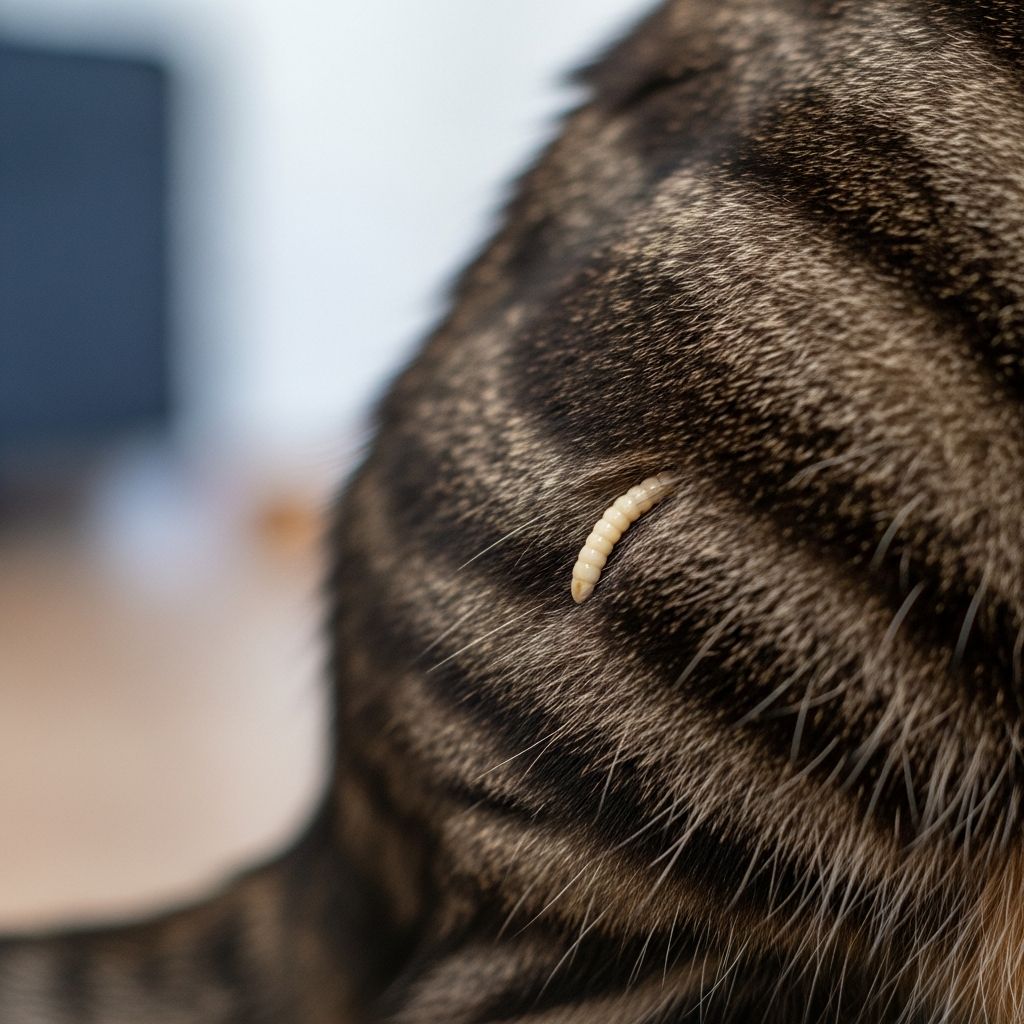
Understanding Tapeworm Infection in Cats
Tapeworms are one of the most common parasitic infections affecting cats, particularly those with outdoor access or flea infestations. These intestinal parasites belong to the cestode family and can cause various health complications if left untreated. Understanding the nature of tapeworm infections, their transmission routes, and effective treatment options is essential for any cat owner concerned about their pet’s wellbeing.
Tapeworms typically inhabit the small intestine of infected cats, where they attach to the intestinal wall and absorb nutrients from the host. While many infected cats may not display obvious symptoms, recognizing the signs of infection and seeking prompt veterinary care can prevent serious health consequences and ensure your cat’s swift recovery.
What Are Tapeworms?
Tapeworms are segmented parasitic worms that can grow quite lengthy in a cat’s intestines. The most common types affecting felines are Dipylidium caninum and Taenia taeniaeformis. These parasites consist of multiple segments called proglottids, which contain the parasite’s reproductive organs and eggs.
The structure of tapeworms is uniquely adapted for parasitic living. Each tapeworm has a head-like structure called a scolex that attaches to the intestinal wall, allowing the parasite to remain in place while feeding on the cat’s intestinal contents and nutrients. As the tapeworm matures, it develops numerous segments that eventually detach and pass into the cat’s feces, potentially transmitting the infection to other animals.
Causes and Transmission of Tapeworms in Cats
Understanding how cats contract tapeworms is crucial for implementing effective prevention strategies. The primary transmission routes vary depending on the tapeworm species.
Flea-Related Transmission
Dipylidium caninum tapeworms are most commonly transmitted through infected fleas. When a cat ingests an infected flea while grooming, the flea’s larvae containing tapeworm eggs can develop into adult tapeworms in the cat’s intestine. This is why flea prevention is essential for tapeworm control. Even indoor cats can contract tapeworms if exposed to fleas, making year-round flea prevention a critical component of cat health management.
Prey-Related Transmission
Taenia taeniaeformis tapeworms are acquired when cats consume infected prey, such as rodents or birds. Outdoor cats and those with hunting instincts face higher risk from this transmission route. The parasite’s eggs or larvae within the prey animal can establish infection in the cat’s intestinal tract after consumption.
Environmental Contamination
Tapeworm eggs in the environment can also pose a risk. Cats may ingest contaminated food, water, or soil containing tapeworm eggs or infected flea larvae, leading to infection establishment in their digestive system.
Clinical Signs of Tapeworm Infection
The symptoms of tapeworm infection in cats vary in severity and presentation. Some infected cats may display minimal signs, while others experience more pronounced symptoms. Recognizing these clinical indicators allows for early intervention and treatment.
Observable Physical Signs
One of the most distinctive signs of tapeworm infection is the presence of proglottids in feces. These tapeworm segments resemble grains of rice and may be visible in the cat’s stool or on bedding around the anus. Fresh proglottids may even appear to move slightly. This observation is often the first indication that a cat owner has of a tapeworm problem.
Behavioral Indicators
Cats with tapeworm infections often exhibit behavioral changes related to anal irritation:
– Excessive licking or grooming of the anal area- Scooting or dragging the rear end across floors or carpets- Biting or scratching at the anus- Restlessness and signs of irritation- Increased grooming, particularly around the rear end
Gastrointestinal Symptoms
More severe infections may cause digestive upset including diarrhea, vomiting, and in rare cases, expulsion of adult tapeworm segments. When a tapeworm releases its attachment from the intestinal wall and migrates to the stomach, the cat may vomit an adult tapeworm several inches in length—a startling but important diagnostic sign.
Nutritional and General Health Effects
Significant tapeworm burdens can lead to:
– Weight loss despite normal or increased appetite- Poor coat quality and dull appearance- Lethargy and decreased activity levels- Changes in appetite (either increased hunger as the body attempts to compensate for nutrient loss, or decreased appetite due to digestive discomfort)- General debilitation in cases of heavy infection- Abdominal pain and discomfort
While tapeworms rarely cause severe illness in otherwise healthy cats, the cumulative effect of nutrient absorption by the parasites can compromise overall health, particularly in kittens, elderly cats, or those with concurrent health conditions.
Diagnosis of Tapeworm Infection
Veterinarians typically diagnose tapworm infections through visual observation or fecal examination. The presence of proglottids in feces or around the anus is often sufficient for diagnosis. In cases where proglottids are not visible, a fecal flotation test can identify tapeworm eggs, though eggs may not always be present in samples.
Treatment Options for Tapeworms in Cats
The good news is that tapeworm treatment in cats is straightforward and highly effective. Veterinarians have multiple treatment options available, selected based on the cat’s individual situation and the tapeworm species involved.
Oral Deworming Medications
Praziquantel is the most commonly prescribed oral medication for treating tapeworms in cats. This anthelmintic medication works by disrupting the tapeworm’s muscular system, causing it to release its attachment from the intestinal wall. Typically administered as a single dose, praziquantel may require a follow-up dose if reinfection occurs. Cats usually tolerate oral praziquantel well, and the medication is highly effective.
Epsiprantel is another oral option approved for treating certain tapeworm species, particularly Dipylidium and Taenia tapeworms.
Fenbendazole may be recommended in some cases for Taenia tapeworm infections, offering an alternative treatment approach when other medications are contraindicated.
Injectable Treatments
For cats difficult to medicate orally, veterinarians can administer injectable forms of praziquantel. These injections provide a convenient alternative, typically requiring only a single administration, though additional doses may be necessary depending on infection severity.
Topical Treatments
Modern topical deworming solutions offer another treatment avenue. Products like Profender™ and combination medications such as NexGard® Combo contain deworming agents that absorb through the skin into the bloodstream to eliminate tapeworms. These treatments are applied to the skin between the shoulder blades and are particularly useful for cats that resist oral medication administration. Some topical flea treatments also include deworming agents, providing dual parasite protection.
Treatment Efficacy and Timeline
Most tapeworm medications work quickly and effectively. Pet owners should expect to see dead tapeworm segments in their cat’s stool within 24-48 hours of treatment. However, it’s important to note that after treatment, the tapeworm usually dies and is digested within the intestine, so segments may not be visible in feces.
The timeline for complete parasite elimination ranges from days to weeks depending on infection severity. Side effects such as vomiting and diarrhea are rarely reported with newer tapeworm medications, making treatment generally well-tolerated.
Prescription Advantage
The most effective worming products are available only by prescription from a licensed veterinarian. While over-the-counter deworming products exist, prescription medications offer superior efficacy and are specifically formulated for feline use. Your veterinarian can determine the most appropriate treatment based on your cat’s age, weight, health status, and the specific tapeworm species involved.
Preventing Tapworm Reinfection
Successfully treating tapeworms is only half the battle; preventing reinfection requires addressing underlying causes and implementing good hygiene practices.
Flea Control
Since Dipylidium tapeworms are transmitted through fleas, maintaining year-round flea prevention is essential. Modern prescription flea preventatives are highly effective and should be administered consistently to all cats in the household.
Environmental Hygiene
Thorough cleaning of your cat’s environment helps eliminate tapeworm eggs and flea larvae:
– Wash pet bedding regularly in hot water- Clean carpets and furniture where your cat spends time- Dispose of litter box waste properly- Maintain regular litter box cleaning with appropriate disinfection
Dietary Management
Feed your cat only cooked or commercial cat food. Raw meat diets increase the risk of parasitic infection through contaminated prey. Preventing your cat from hunting or consuming wild prey also reduces transmission risk for Taenia tapeworms.
Regular Veterinary Care
Routine veterinary check-ups allow early detection and treatment of parasitic infections before they become severe. Discuss appropriate deworming schedules with your veterinarian, particularly if your cat has outdoor access or a history of tapworm infection.
When to Seek Veterinary Care
Contact your veterinarian immediately if you notice:
– Rice-like segments in your cat’s feces or around the anus- Signs of anal irritation including excessive licking or scooting- Vomiting, particularly if tapeworm segments are visible- Unexplained weight loss or changes in appetite- Diarrhea or other digestive symptoms- General lethargy or behavioral changes
Frequently Asked Questions About Tapeworms in Cats
Q: Can humans catch tapeworms from cats?
A: Yes, humans can occasionally contract Dipylidium tapeworms from infected pets, typically through accidental ingestion of infected fleas. This is rare but emphasizes the importance of maintaining flea control and good hygiene practices. Practicing regular handwashing and maintaining household cleanliness significantly reduces any risk.
Q: Are there home remedies for treating tapeworms in cats?
A: No, there are no effective home remedies for tapeworms. Professional veterinary treatment with prescription anthelmintic medications is necessary for safe and effective parasite elimination. Attempting home treatment can delay necessary care and allow infection to worsen.
Q: How often should I have my cat tested for tapeworms?
A: For indoor cats with good flea prevention, annual wellness exams with fecal testing may be sufficient. For outdoor cats or those with previous tapeworm infections, more frequent testing may be recommended. Discuss an appropriate screening schedule with your veterinarian based on your cat’s lifestyle and risk factors.
Q: Will tapeworms go away on their own?
A: No, tapeworms will not resolve without treatment. While some infections may eventually resolve as the parasite completes its life cycle, this can take months and allows continued nutrient absorption and potential transmission to other animals. Prompt veterinary treatment is always recommended.
Q: Can indoor cats get tapeworms?
A: Yes, indoor cats can contract tapeworms, primarily through flea exposure. Even indoor cats can have fleas brought into the home via wildlife, on clothing, or through windows and doors. This underscores the importance of year-round flea prevention for all cats, regardless of lifestyle.
Q: What is the cost of tapeworm treatment?
A: Treatment costs vary depending on the medication chosen and whether a veterinary visit is required for diagnosis and treatment administration. Generally, prescription deworming medications range from moderate to affordable, especially when considering the cost of untreated complications. Many veterinarians offer cost-effective options suitable to different budgets.
References
- Tapeworm Infection in Cats — VCA Animal Hospitals. 2024. https://vcahospitals.com/know-your-pet/tapeworm-infection-in-cats
- Tapeworms in Dogs and Cats – Digestive System — Merck Veterinary Manual. Updated 2024. https://www.merckvetmanual.com/digestive-system/gastrointestinal-parasites-of-small-animals/tapeworms-in-dogs-and-cats
- Tapeworms in Dogs and Cats – Digestive System — MSD Veterinary Manual. 2024. https://www.msdvetmanual.com/digestive-system/gastrointestinal-parasites-of-small-animals/tapeworms-in-dogs-and-cats
- About Dog or Cat Tapeworm Infection — Centers for Disease Control and Prevention (CDC). 2023. https://www.cdc.gov/dipylidium/about/index.html
- Tapeworms in Cats — Small Door Veterinary. 2024. https://www.smalldoorvet.com/learning-center/medical/tapeworms-in-cats
- Tapeworms in Cats – PetMD — PetMD. 2024. https://www.petmd.com/cat/conditions/infectious-parasitic/tapeworms-cats
Similar Articles








Read full bio of Sneha Tete




