

Understanding Tapeworm Infection in Cats
Tapeworms are intestinal parasites that commonly affect cats of all ages and backgrounds. These parasites live in the small intestine and can cause varying degrees of discomfort depending on the severity of infection. While many cats may not show obvious symptoms, understanding tapeworm infections is essential for cat owners who want to maintain their pet’s health and quality of life. This comprehensive guide covers everything you need to know about tapeworm infections in cats, from identification and clinical signs to effective treatment and prevention strategies.
What Are Tapeworms?
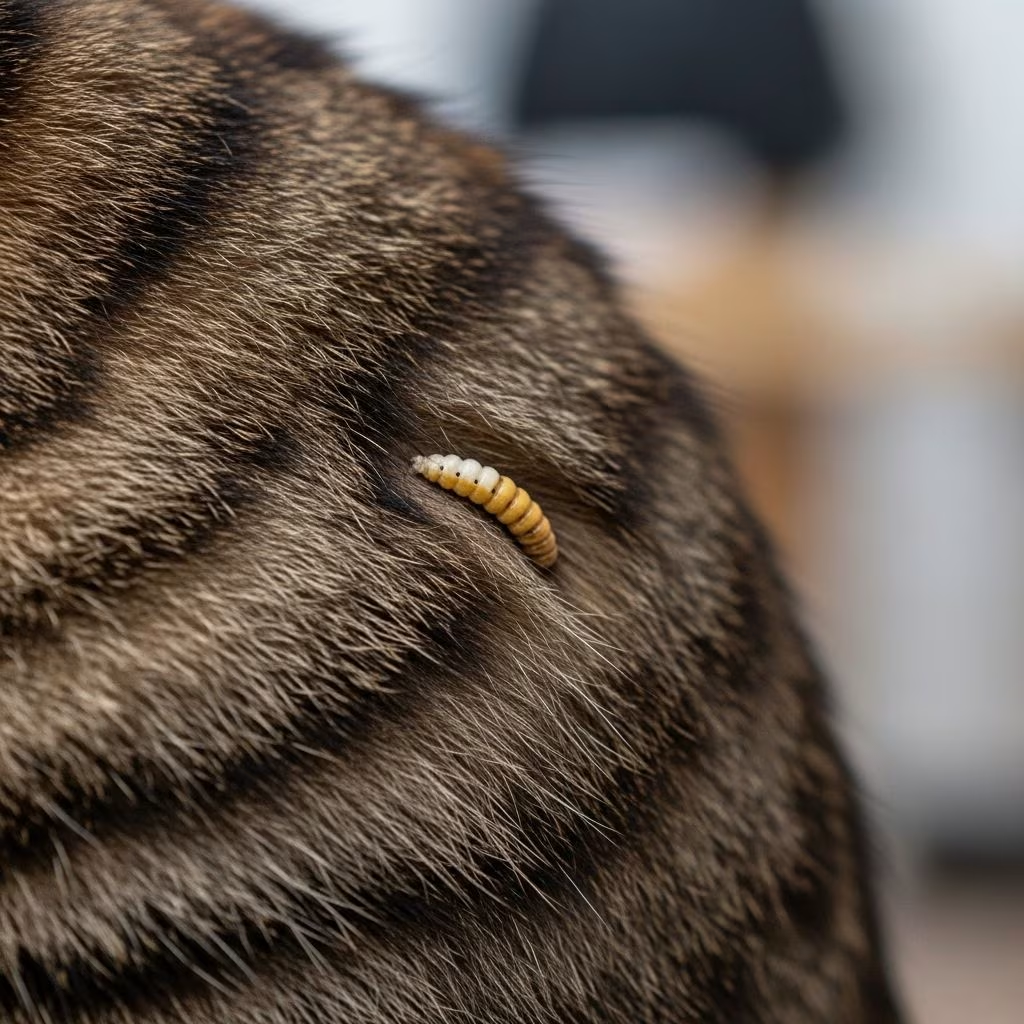
Tapeworms are parasitic flatworms that inhabit the small intestines of cats. These organisms consist of individual segments called proglottids, which contain eggs and can be passed through feces. Unlike some other parasites, tapeworms do not typically cause severe systemic illness in cats, but they can create discomfort and nutrient absorption issues. The most common types of tapeworms affecting cats include Dipylidium caninum (transmitted through fleas) and Taenia species (transmitted through prey consumption). Understanding the nature of these parasites helps cat owners recognize the importance of prompt treatment and prevention.
Clinical Signs of Tapeworm Infection
Recognizing the clinical signs of tapeworm infection is the first step in addressing the problem. While some infected cats may show minimal symptoms, others may exhibit noticeable behavioral and physical changes. Owners should be vigilant about observing their cats for any of the following indicators:
Common Behavioral Signs
One of the most recognizable signs of tapeworm infection is when an infected cat’s owner notices the presence of proglottids crawling on the cat’s feces. A cat may occasionally scoot or drag its anus across the ground or carpet due to the anal irritation caused by the proglottids, though this behavior is more commonly observed in dogs than in cats. Cats may also exhibit excessive grooming around the rear end, increased restlessness, or signs of general irritation.
Physical Symptoms
Physical manifestations of tapeworm infection can include:
- White, rice-like segments visible in feces or on bedding
- Weight loss despite maintaining a normal or increased appetite
- Dull coat and poor grooming habits due to nutritional deficiencies
- Vomiting, particularly when a tapeworm releases its attachment and migrates to the stomach
- Diarrhea or other digestive upset
- Lethargy and reduced activity levels in severe cases
Severe Cases
In rare instances where tapeworms are present in large numbers, cats may experience debilitation or significant weight loss. Occasionally, a tapeworm will release its attachment in the intestines and migrate to the stomach. When this happens, the cat may vomit an adult tapeworm several inches in length. While alarming to witness, this occurrence indicates the body’s attempt to eliminate the parasite. However, any instance of vomiting should prompt immediate veterinary consultation to rule out complications.
Causes and Transmission
Understanding how cats contract tapeworms is crucial for prevention. The primary transmission routes include:
Flea Infestation
The most common cause of Dipylidium caninum tapeworm infection in cats is ingesting fleas infected with tapeworm larvae. When cats groom themselves and accidentally ingest infected fleas, the parasites develop into adult tapeworms in the intestines. This is why flea prevention is equally important as direct parasite treatment.
Prey Consumption
Cats that consume raw or undercooked infected prey, such as rodents or rabbits, may contract Taenia species tapeworms. Indoor cats have reduced exposure to this transmission route, but outdoor or semi-outdoor cats face higher risk. Feeding cats cooked or commercial cat food significantly reduces this exposure.
Diagnosis of Tapeworm Infection
Veterinarians typically diagnose tapworm infections through visual identification of proglottids in feces or around the anus, or through microscopic examination of stool samples. If you suspect your cat has tapeworms, contact your veterinarian promptly for proper diagnosis and treatment recommendations.
Treatment for Tapeworms
The good news is that tapeworm infections in cats are highly treatable and curable. Treatment is straightforward and effective when prescribed by a licensed veterinarian. Several medication options are available, and your veterinarian will recommend the most appropriate treatment based on your cat’s specific situation.
Anthelmintic Medications
A deworming medication called an anthelmintic may be given as a tablet or an injection. After treatment, the tapeworm dies and is usually digested within the intestine, so worm segments do not usually pass into the stool. The most commonly prescribed medications include:
Praziquantel
Praziquantel is the most frequently recommended medication for treating tapeworms in cats. This medication is available in multiple forms to accommodate different administration preferences and cat temperaments. It can be prescribed as tablets, compounded oral liquids formulated in flavors cats enjoy, or as topical treatments that absorb through the skin (such as Profender™ and NexGard® Combo). Most cats tolerate praziquantel well, and the worms are typically expelled within 24-48 hours of administration. For cats that are difficult to medicate orally, a veterinarian may administer an injectable form as a one-time injection, though additional doses may be required depending on infection severity.
Alternative Medications
Other effective deworming medications include epsiprantel and fenbendazole. Epsiprantel and praziquantel are effective against both Dipylidium and Taenia species, while veterinarians may recommend fenbendazole specifically for Taenia tapeworms in some cases. A variety of products are available to treat tapeworms in cats, but they are not all equally effective. The most effective worming products are only available by prescription from a licensed veterinarian.
Treatment Effectiveness
Most treatments work quickly, with pet owners typically seeing dead tapeworm segments in the cat’s stool within a day or two. The timeline for complete parasite elimination ranges from days to weeks, depending on the infection severity. Side effects such as vomiting and diarrhea are rarely reported with newer tapeworm medications. In severe cases of infection, veterinarians might also need to treat complications like intestinal blockages, which can require additional diagnostic imaging, procedures, and medication to resolve.
Important Treatment Considerations
As with any medication your veterinarian prescribes, it is crucial to give your cat the full course of deworming medication to ensure tapeworms are completely eradicated. Completing the prescribed treatment prevents reinfection and ensures the most effective outcomes. Additionally, since tapeworms are often caused by fleas, you’ll want to wash pet bedding, clean carpets, and disinfect other areas where your cat spends time to eliminate remaining pests. If flea prevention is not continued, the tapeworms may return.
Prevention Strategies
Preventing tapeworm infections is significantly easier than treating them. Several practical measures can dramatically reduce your cat’s risk of contracting tapeworms:
Flea Prevention and Control
Since fleas are the primary transmission vector for Dipylidium tapeworms, maintaining consistent flea prevention is essential. Use veterinarian-recommended flea prevention products year-round, and regularly check your cat for fleas during grooming sessions. Regular grooming and flea checks help catch infestations early before they lead to tapeworm transmission.
Dietary Precautions
Feeding your cat cooked or commercial cat food significantly reduces exposure to tapeworm-infected prey. Avoid offering raw meat or allowing your cat to hunt and consume wild prey, particularly if your cat has outdoor access. This simple dietary practice substantially decreases the risk of Taenia species infection.
Environmental Hygiene
Maintain excellent litter box hygiene by scooping daily and thoroughly cleaning the box regularly. Wash cat bedding frequently in hot water, and clean areas where your cat spends significant time. This reduces the likelihood of reinfection from contaminated environments.
Veterinary Care
Regular vet check-ups help catch infections early and ensure your cat’s overall health. During routine visits, discuss parasite prevention options and ask your veterinarian about deworming schedules, especially for outdoor or semi-outdoor cats. Preventive care is far more cost-effective and comfortable for your cat than treating active infections.
Home Remedies and Prevention Myths
It’s important to note that there are no effective home remedies for tapeworms in cats. Attempting to treat tapeworms without veterinary guidance can be dangerous, as ignoring them may cause digestive inflammation and secondary infections. Always consult with your veterinarian for proper diagnosis and treatment rather than relying on unproven home remedies.
When to Contact Your Veterinarian
Contact your veterinarian immediately if you notice any of the following:
- Rice-like segments in your cat’s feces or around the anus
- Excessive scooting or dragging of the rear end
- Vomiting, particularly if a worm is visible
- Unexplained weight loss despite normal appetite
- Persistent diarrhea or digestive upset
- Behavioral changes such as increased irritability or lethargy
- Dull coat or signs of poor nutrition
Frequently Asked Questions About Cat Tapeworms
Q: Can humans contract tapeworms from infected cats?
A: While rare, humans can contract Dipylidium tapeworms from infected pets, typically through accidental ingestion of infected fleas. Maintaining good hygiene and treating your cat promptly minimizes this risk significantly.
Q: How long does it take for tapeworm medication to work?
A: Most deworming medications work within 24-48 hours, with visible dead worm segments appearing in stool within days. Complete parasite elimination typically occurs within one to two weeks depending on infection severity.
Q: Will my cat need follow-up treatments after deworming?
A: Follow-up treatments may be necessary if reinfection occurs. Your veterinarian may recommend a second dose two weeks after the initial treatment to ensure complete eradication. Continuing flea prevention is essential to prevent reinfection.
Q: Are tapeworm medications safe for kittens?
A: Many tapeworm medications are safe for kittens, but dosage and type depend on the kitten’s age and weight. Always consult your veterinarian before administering any medication to very young kittens.
Q: Can indoor cats get tapeworms?
A: Yes, indoor cats can contract tapeworms primarily through flea ingestion. Even indoor cats can be exposed to fleas through contaminated environments, making year-round flea prevention important for all cats.
Q: What should I do if I see a worm in my cat’s vomit?
A: This indicates a tapeworm has migrated to the stomach and been expelled through vomiting. Contact your veterinarian immediately for examination and treatment, though this is usually not an emergency unless accompanied by other symptoms.
References
- Tapeworms in Cats: Signs, Symptoms, Causes & Treatment — Urgent Vet. 2025-06-15. https://urgentvet.com/tapeworms-infection-in-cats-signs-symptoms-causes-treatment-prevention/
- Tapeworms in Cats — Small Door Veterinary. 2025. https://www.smalldoorvet.com/learning-center/medical/tapeworms-in-cats
- Tapeworm Infection in Cats — VCA Animal Hospitals. 2025. https://vcahospitals.com/know-your-pet/tapeworm-infection-in-cats
- Symptoms & Treatment for Tapeworm in Cats — Purina. 2025-06-05. https://www.purina.com/articles/cat/health/parasites/how-to-get-rid-of-tapeworms-in-cats
- Tapeworms in Cats — PetMD. 2025. https://www.petmd.com/cat/conditions/infectious-parasitic/tapeworms-cats
- About Dog or Cat Tapeworm Infection — Centers for Disease Control and Prevention (CDC). 2025. https://www.cdc.gov/dipylidium/about/index.html
- Tapeworms in Dogs and Cats – Digestive System — Merck Veterinary Manual. 2025. https://www.merckvetmanual.com/digestive-system/gastrointestinal-parasites-of-small-animals/tapeworms-in-dogs-and-cats



