
Taming Unruly Dogs: Effective Solutions
Discover proven strategies to manage and correct common dog behavior issues for a calmer, happier pet and home life.
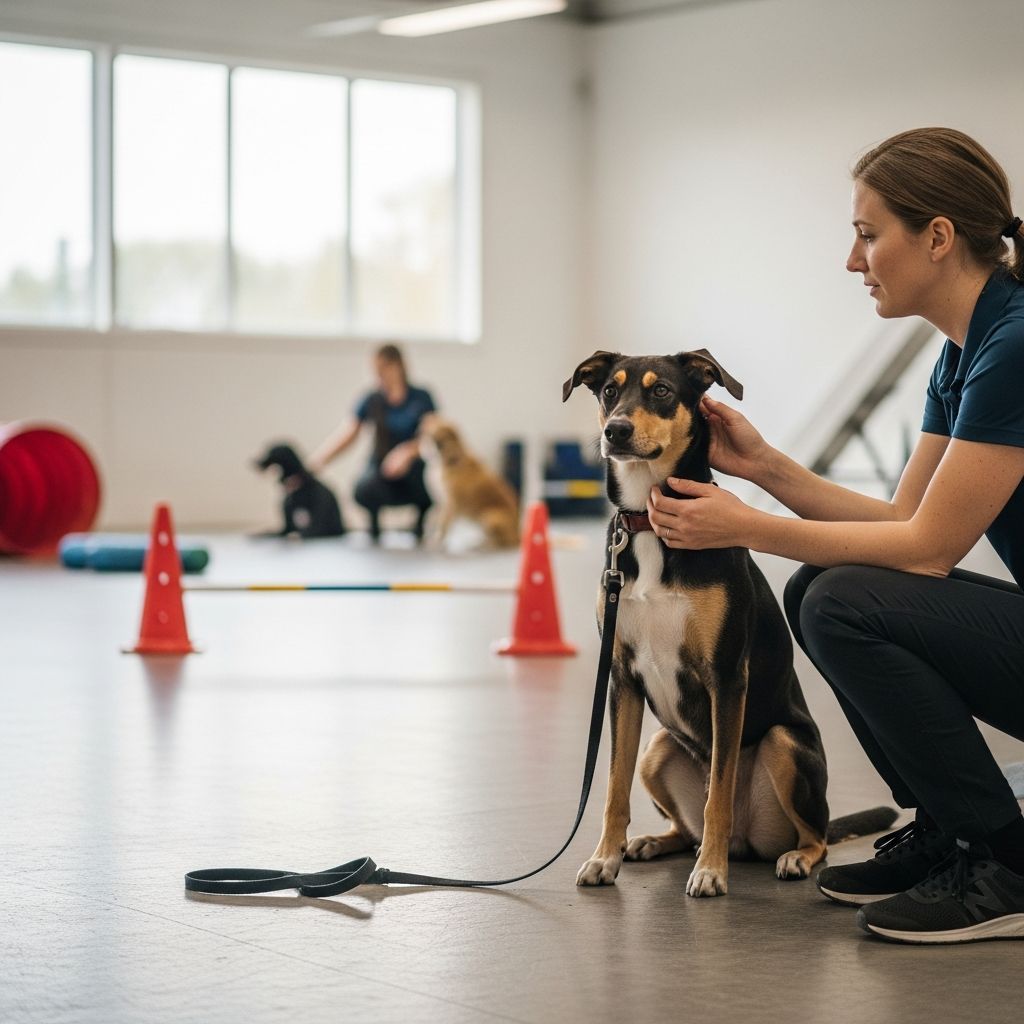
Dogs exhibit challenging behaviors due to unmet needs, poor training, or environmental factors, but most can be resolved through consistent positive reinforcement and understanding root causes. This guide provides actionable strategies for common issues, drawing from veterinary and behavioral expertise to help owners foster well-behaved companions.
Understanding the Roots of Canine Misbehavior
Problematic dog behaviors rarely stem from malice; instead, they arise from instincts, insufficient exercise, anxiety, or inconsistent owner cues. For instance, dogs may bark excessively from boredom or alert to stimuli, while chewing often signals teething, stress relief, or exploration in puppies. Identifying triggers—such as specific times, locations, or stimuli—is crucial before implementing fixes.
Key contributors include:
- Inadequate socialization: Puppies not exposed to diverse environments become fearful or reactive adults.
- Lack of stimulation: Mental and physical underactivity leads to destructive outlets.
- Medical issues: Pain, allergies, or infections can manifest as irritability or self-harm.
- Inconsistent routines: Unpredictable schedules confuse dogs, prompting unwanted actions.
Addressing these requires a holistic approach: rule out health problems with a vet visit, then apply targeted training.
Mastering Excessive Vocalization
Barking serves as a dog’s primary communication tool, triggered by excitement, fear, boredom, or territorial instincts. Excessive noise disrupts households and strains neighbor relations.
To curb it:
- Observe patterns: Note if barking correlates with doorbells, passersby, or isolation.
- Exercise first: Daily walks and play sessions reduce pent-up energy fueling noise.
- Teach ‘quiet’: Wait for a pause in barking, say ‘quiet,’ and reward with treats or praise. Gradually increase quiet duration.
- Minimize triggers: Use white noise machines or block visual stimuli with curtains.
Consistency across family members prevents mixed signals. Within weeks, many dogs show marked improvement.
Stopping Destructive Chewing and Digging
Puppies explore with mouths, while adults chew to alleviate anxiety or boredom. Digging similarly satisfies instincts but damages yards.
| Behavior | Common Causes | Prevention Strategies |
|---|---|---|
| Chewing | Boredom, teething, stress | Provide durable toys; rotate options; supervise unsupervised time |
| Digging | Escape attempts, hunting instinct, cooling off | Designate a dig zone with sand; increase exercise |
Redirect energy: Offer puzzle toys stuffed with kibble to engage minds. Confine access to valuables and praise appropriate chewing. For diggers, create an approved pit and reward its use. Regular activity prevents recurrence.
Achieving Calm Leash Walks
Pulling on leashes stems from eagerness to reach destinations faster, reinforced by forward progress despite tension.
Effective training:
- Stop method: Halt immediately when pulling occurs; resume only on slack leash. Reward alongside position with high-value treats.
- Gear choice: Front-clip harnesses redirect pulling naturally without discomfort.
- Practice sessions: Short, frequent walks build muscle memory for loose-leash etiquette.
Combine with obedience basics like ‘sit’ at crossings to enhance control. Patience yields pollution-free strolls.
Overcoming Alone-Time Distress
Separation anxiety manifests as howling, destruction, or elimination when owners depart, rooted in attachment or change.
Desensitization protocol:
- Start micro-absences: Step out for seconds, return without fanfare.
- Build gradually: Extend to minutes, adding departure cues like keys (without anxiety association).
- Enrich environment: Kongs with frozen peanut butter or treat-dispensing toys distract positively.
- Calm returns: Ignore excitement briefly to avoid reinforcing distress.
For severe cases, consult vets for calming aids alongside behavior plans.
Perfecting Housetraining Routines
Indoor accidents arise from irregular schedules, excitement, or incomplete housebreaking.
Restoration steps:
- Set potty clock: Out every 2-4 hours, post-meals, play, naps.
- Supervise: Leash indoors or crate to prevent errors.
- Clean thoroughly: Enzymatic cleaners eliminate scent markers.
- Celebrate outdoors: Jackpot treats for elimination success.
Adult regressions signal UTIs or stress; vet checks essential.
Managing Possessiveness and Reactivity
Resource guarding over food, toys, or spots reflects insecurity, potentially escalating to snaps. Fear-based aggression toward strangers or dogs ties to poor socialization.
Safe interventions:
- Trade-up: Offer superior treats for yielding items, building positive associations.
- Countercondition: Pair triggers (e.g., approaching people) with rewards at sub-threshold distance.
- Impulse control: ‘Sit-stay’ before privileges teaches patience.
Professionals handle bites or intense cases using cue-response-reward systems.
Building a Foundation of Obedience
Core commands underpin correction: ‘sit,’ ‘down,’ ‘stay,’ ‘come,’ and ‘leave it’ via lure-reward methods. Weekly skill-building sessions reinforce learning. Reward-based training outperforms punishment, promoting trust.
Daily 10-minute drills yield confident dogs responsive in any scenario.
Daily Habits for Lasting Harmony
Prevent relapse with routines: 30-60 minutes exercise, mealtimes in puzzles, socialization outings. Track progress in journals to refine approaches.
Nutrition impacts mood; balanced diets support focus. Wellness checks catch underlying issues early.
Frequently Asked Questions
How long until behaviors improve?
With daily practice, noticeable changes emerge in 2-4 weeks; full habits take 2-6 months depending on consistency and issue severity.
Is punishment effective?
No— it heightens fear and aggression. Positive reinforcement builds reliable responses.
When to seek professional help?
If self-destructive acts, bites, or stalled progress occur, enlist certified trainers or behaviorists.
Can older dogs change?
Yes, neuroplasticity allows lifelong learning; patience key.
Role of exercise in training?
Essential— tired dogs misbehave less, focus better.
References
- Top Dog Behavior Problems and Proven Ways to Correct Them — Tranquility Veterinary. Accessed 2026. https://www.tranquilityvet.com/dog-behavior-problems-and-proven-ways-to-correct-them/
- 16 Common Dog Behavior Issues and Tips to Fix Them — CareCredit. Accessed 2026. https://www.carecredit.com/well-u/pet-care/dog-behavior-issues/
- Dog Behavior Problems Explained: Causes, Fixes, and Training Tips — Caring Hands Vet. Accessed 2026. https://caringhandsvet.com/dog-behavior-problems-explained/
- Behavior Problems of Dogs — Merck Veterinary Manual. Accessed 2026. https://www.merckvetmanual.com/behavior/behavior-of-dogs/behavior-problems-of-dogs
- ‘Bad’ behaviour: dealing with your dog’s behaviour problems — PDSA. Accessed 2026. https://www.pdsa.org.uk/pet-help-and-advice/looking-after-your-pet/puppies-dogs/bad-behaviour
Similar Articles








Read full bio of Sneha Tete




