

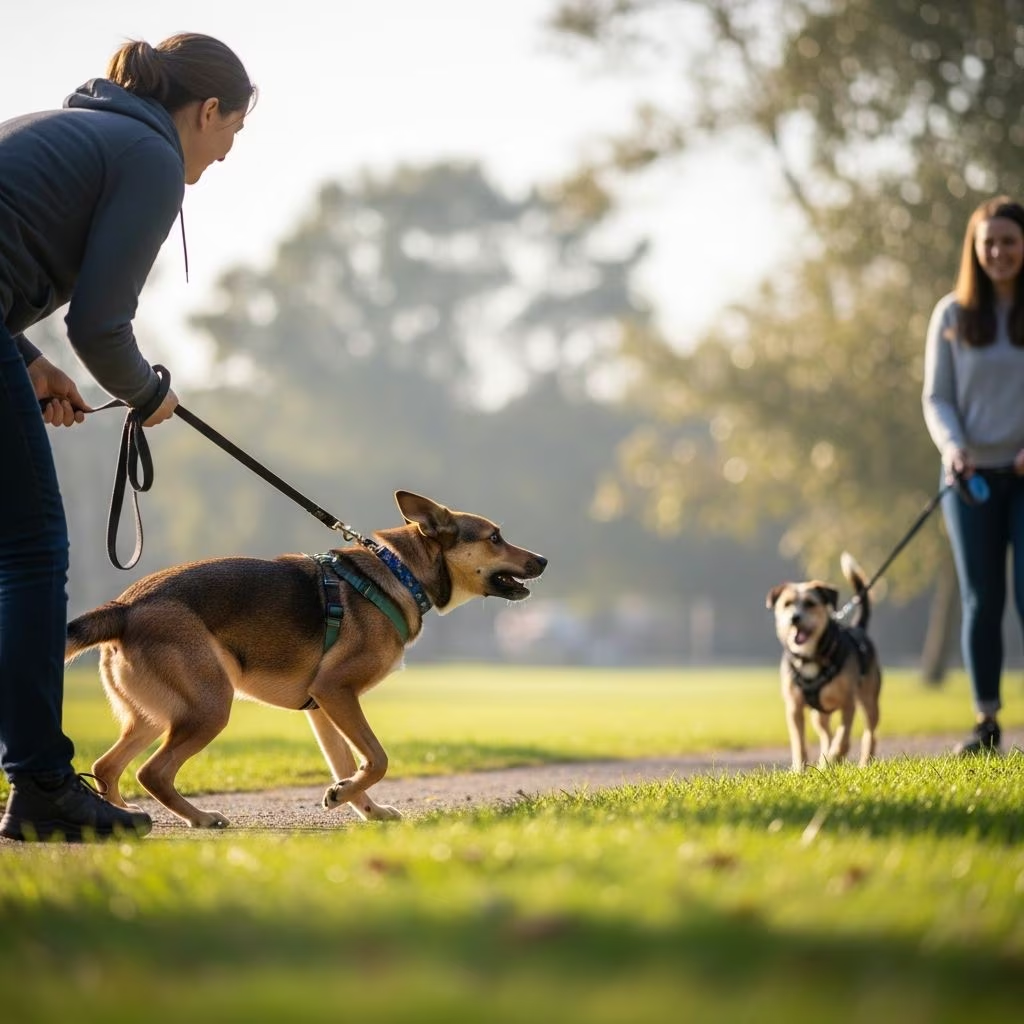
Reactive behaviors in dogs, such as barking, lunging, or growling at triggers like other dogs, strangers, or loud noises, often stem from underlying fear or anxiety. Desensitization and counterconditioning (DS/CC) offer a humane, science-based approach to reshape these responses by gradually reducing sensitivity to triggers while pairing them with positive experiences. This method changes emotional associations from negative to neutral or positive, promoting calmer interactions without force or punishment.
Understanding Reactivity in Canines
Dog reactivity is not deliberate defiance but an emotional overflow. When a dog perceives a threat—real or imagined—their sympathetic nervous system activates a fight-or-flight response, leading to explosive displays. Common triggers include passing bicycles, unfamiliar people, or even household appliances like vacuums. Left unaddressed, these reactions can escalate, straining the bond between dog and owner.
Key signs of reactivity include stiff body posture, ears pinned back, dilated pupils, and vocalizations. Unlike aggression driven by resource guarding, reactivity is primarily fear-based. Recognizing this emotional root is crucial, as traditional corrections like leash jerks can intensify anxiety.
The Science Behind Desensitization and Counterconditioning
Desensitization involves controlled, gradual exposure to a trigger at sub-threshold levels—intensities too low to provoke a full reaction. This habituates the dog, reducing the automatic fear response over time. Counterconditioning pairs this exposure with high-value rewards, leveraging classical conditioning (Pavlov’s dogs) to forge new neural pathways. The trigger, once scary, becomes a predictor of good things, like treats or play.
Combined, DS/CC mimics human exposure therapy but adds positive reinforcement for faster, safer results. Veterinary behaviorists endorse this protocol for its efficacy in treating phobias, separation anxiety, and leash reactivity. Success hinges on staying below threshold to avoid sensitizing the dog further.
Step-by-Step Protocol for Implementation
Begin by observing your dog’s threshold: the distance or intensity where they notice the trigger but remain calm. For leash reactivity toward other dogs, this might be 50 feet away. Use a secure harness and long leash for safety.
- Prepare Rewards: Select ultra-high-value treats your dog adores, such as chicken bits or cheese—reserved exclusively for sessions.
- Set Up Controlled Exposures: Enlist a helper with the trigger (e.g., a jogger) at threshold distance. Feed treats continuously upon sighting.
- Build Positive Association: Repeat until the dog eagerly anticipates treats upon trigger appearance, showing a “conditioned emotional response” (CER)—relaxed body, happy expression.
- Progress Gradually: Decrease distance in tiny increments (e.g., 5 feet), securing CER at each step before advancing.
- Increase Intensity: Once close proximity is mastered, add movement or noise, retreating to threshold if needed.
Sessions should last 5-10 minutes, 3-5 times daily, in low-distraction environments. Consistency is key; progress may take weeks.
Practical Applications for Common Triggers
Leash Reactivity to Other Dogs
Walk parallel to a calm dog at a safe distance, treating nonstop. Gradually close the gap over sessions. Use “pattern games” like U-turns to maintain control.
Fear of Strangers or Children
Have a friend approach slowly from afar, tossing treats. Advance as tolerance builds. For kids, start with quiet play at distance.
Noise Phobias (Thunder, Fireworks)
Play recordings at whisper volume during meals or playtime. Ramp up gradually while stuffing a Kong with peanut butter.
Vet and Grooming Visits
Pair carrier or table handling with rewards from puppyhood. For adults, start with door proximity.
| Trigger Type | Threshold Example | Progression Steps | Success Metric |
|---|---|---|---|
| Other Dogs | 50 ft, stationary | Reduce distance, add movement | Eager treat anticipation |
| Strangers | 30 ft, standing | Closer approach, direct gaze | Relaxed tail wag |
| Noises | Low volume audio | Increase volume/duration | Ignore during play |
| Handling | Touch paw briefly | Full body exam | Lean into contact |
Tools and Safety Measures
Essential gear includes a front-clip harness to discourage pulling, head halters for strong dogs, and long lines for off-leash practice. Management prevents rehearsals of bad behavior: avoid triggers until CER is established. Track progress in a journal noting distance, duration, and body language.
If reactivity involves aggression, consult a certified behaviorist. Medications may aid severe cases, per vet recommendation. Never use aversives, as they heighten fear.
Common Mistakes and How to Avoid Them
- Exceeding Threshold: Flooding triggers shutdown or worsened fear. Always err conservative.
- Inconsistent Rewards: Use only session treats to maintain value.
- Rushing Progression: Small steps yield big gains; impatience backfires.
- Ignoring Stress Signals: Yawning, lip-licking signal overload—retreat immediately.
- Real-World Practice Gaps: Transition from setups to streets gradually.
Real-World Success Stories and Evidence
Studies and trainer reports confirm DS/CC’s 80-90% success rate for fear-based issues when applied correctly. Owners report dogs transforming from lungers to greeters. Patience pays: a 2-year reactive case resolved in 3 months with daily work.
Advanced Techniques and Maintenance
Once basic CERs form, generalize across contexts: different locations, handlers, trigger variations. Incorporate cues like “look at me” for focus. Maintenance sessions prevent regression, especially during high-stress periods.
For frustration-based reactivity (e.g., barrier frustration), add relaxation protocols like mat training.
Frequently Asked Questions (FAQs)
How long does DS/CC take?
Weeks to months, depending on severity and consistency. Track weekly thresholds.
Can I do this alone?
Yes for mild cases; professionals help with complexity or safety.
What if my dog doesn’t eat treats near triggers?
Use toys, play, or calmer settings initially.
Is this safe for aggressive dogs?
With precautions like muzzles and pros, yes.
Will my dog ever be 100% fixed?
Manageable, not always cured; ongoing prevention key.
Integrating DS/CC into Daily Life
Embed sessions into walks and routines for seamless progress. Combine with exercise, enrichment, and relationship-building for holistic improvement. Celebrate small wins to stay motivated.
This protocol empowers owners to foster security, turning potential conflicts into joyful encounters.
References
- Counterconditioning & Desensitization: Changing an Emotional Response — Instinct Dog Training. Accessed 2026. https://www.instinctdogtraining.com/counterconditioning-desensitization/
- Introduction to Desensitization and Counterconditioning — VCA Animal Hospitals. Accessed 2026. https://vcahospitals.com/know-your-pet/introduction-to-desensitization-and-counterconditioning
- Counter-Conditioning and Desensitization (CC&D) — Whole Dog Journal. Accessed 2026. https://www.whole-dog-journal.com/training/counter-conditioning-and-desensitization-ccd/
- Desensitisation and Counterconditioning for Dogs — YouTube (Training Video). Accessed 2026. https://www.youtube.com/watch?v=Vza6suguWaA
- Overcoming Fears with Desensitization and Counterconditioning — VCA Animal Hospitals. Accessed 2026. https://vcahospitals.com/know-your-pet/overcoming-fears-with-desensitization-and-counterconditioning
- Change Your Dog’s Behavior With Desensitization and Counterconditioning — American Kennel Club. Accessed 2026. https://www.akc.org/expert-advice/training/changing-your-dogs-behavior-with-desensitization-and-counter-conditioning/
- The Correct Way to Help a Fearful, Anxious or Aggressive Dog — PHS-SPCA. 2015-02. https://phs-spca.org/wp-content/uploads/2015/02/DesensitizationCounterconditioning.pdf



