

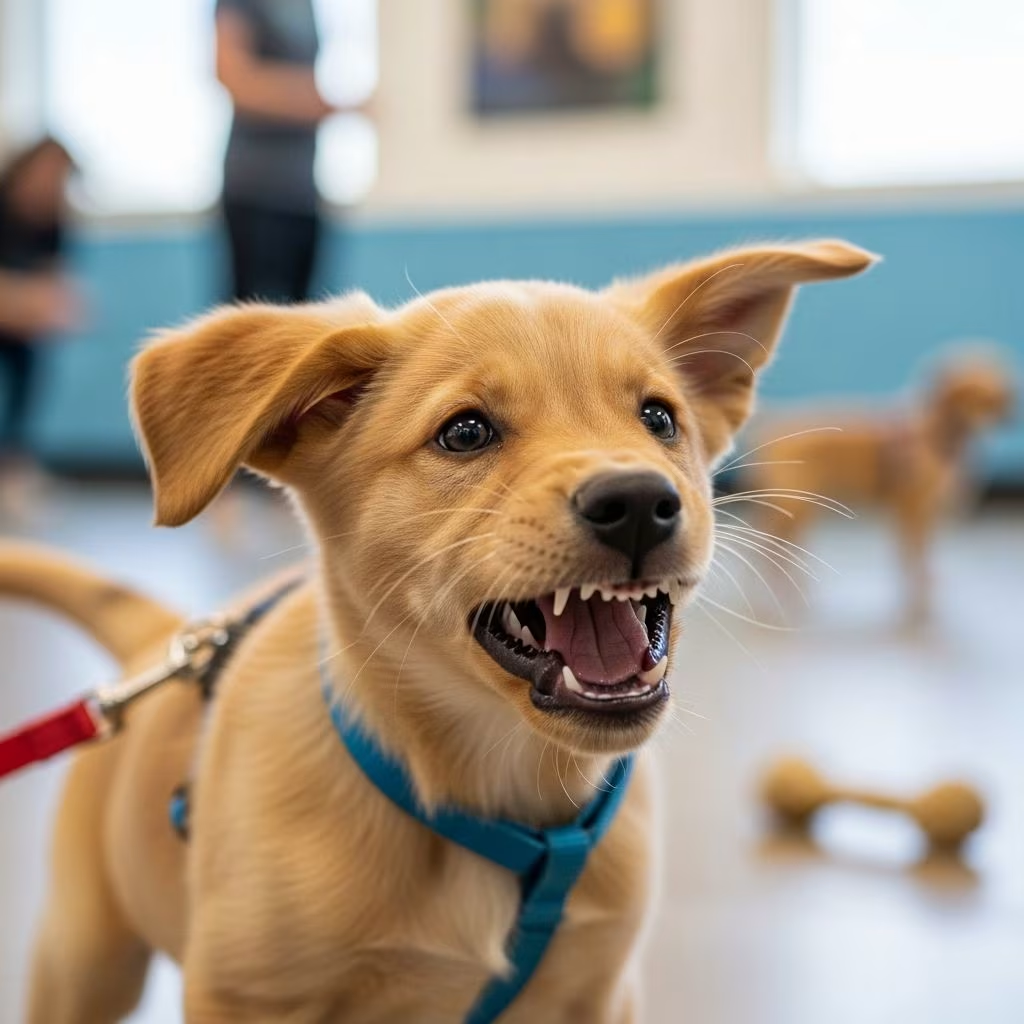
Puppy aggression manifests in behaviors like biting, growling, or snapping, often rooted in fear, overstimulation, or inadequate early experiences. Addressing it promptly through structured training builds a foundation for a balanced adult dog.
Understanding the Roots of Puppy Aggression
Aggressive displays in young dogs typically arise from underlying triggers rather than inherent malice. Common causes include insufficient socialization during critical developmental windows, genetic influences from certain breeds, past traumas, hormonal fluctuations, or unmet physical needs like exercise.
For instance, puppies missing exposure to diverse stimuli between 3-14 weeks may develop fear responses to novel situations, leading to defensive aggression. Breeds bred for guarding, such as German Shepherds or Rottweilers, carry predispositions that require vigilant management. Health issues or pain can also provoke irritability, underscoring the need for veterinary evaluation.
Spotting Early Warning Signs
Recognizing precursors prevents escalation. Key indicators include:
- Stiff body posture: Frozen stance, raised hackles, or averted gaze signaling discomfort.
- Vocal cues: Low growls, whining, or barking in response to approach.
- Mouth and face signals: Lip curling, bared teeth, or inhibited bites during play.
- Resource protection: Snarling over food, toys, or resting spots.
- Fear-based reactions: Cowering followed by lunges when cornered or restrained.
Observing these in context helps pinpoint triggers like strangers, other animals, or handling, allowing targeted interventions.
Building a Strong Foundation: Socialization Essentials
The cornerstone of prevention is comprehensive socialization. Introduce puppies gradually to people, animals, environments, and sounds during fear-sensitive periods around 8-10 weeks and later at 6 months.
Strategies include:
- Controlled puppy classes for safe peer interactions.
- Daily outings to varied locations like parks or urban areas.
- Positive associations via treats for calm encounters.
Consistency fosters confidence, reducing reactivity risks by 80-90% when done correctly, per behavioral studies.
Positive Reinforcement Training Techniques
Emphasize rewards over punishment to reshape behavior. Punishment often heightens fear and aggression.
| Command | Purpose | Training Steps |
|---|---|---|
| Sit/Stay | Impulse control | Lure with treat, reward compliance, practice in distractions. |
| Come (Recall) | Safety recall | Call enthusiastically, reward heavily, never chase. |
| Leave It/Off | Resource management | Offer trade-up treats for dropping items voluntarily. |
| Quiet | Reduce vocal aggression | Capture calm moments, reward silence. |
Session length: 5-10 minutes, multiple times daily. Use high-value rewards like soft treats or play.
Managing Biting and Nipping
Puppies explore with mouths; redirect to appropriate chew toys. When biting occurs:
- Issue a firm “No” or yelp sharply to mimic littermate feedback.
- Withdraw attention for 30-60 seconds.
- Offer a toy and praise gentle mouthing.
Avoid rough play like tug-of-war with aggression-prone pups, as it reinforces biting. Provide ample exercise—30-60 minutes daily—to curb frustration biting.
Addressing Specific Aggression Types
Fear Aggression
Counter-condition by starting exposures at sub-threshold distances. Pair with rewards until relaxation occurs, then close the gap.
Resource Guarding
Approach calmly, drop superior treats near the item repeatedly. Never forcibly remove; trade always yields better results.
Redirected or Frustration Aggression
Leash management prevents misdirected snaps. Teach outlet behaviors like targeting a toy.
Daily Routine for Success
Structure reduces anxiety:
- Feedings: Scheduled twice daily; hand-feed portions to build trust.
- Exercise: Walks, fetch, mental puzzles.
- Training slots: Integrated into routines.
- Rest zones: Crate trained for downtime.
Consistency across family members prevents confusion.
Environmental Modifications
Safety first: Use baby gates, leashes indoors, and crates to isolate triggers. Remove high-value items during unsupervised time. For food aggression, feed in separate areas or use puzzle feeders.
When to Seek Professional Help
If behaviors persist despite consistent efforts, consult certified trainers (CPDT) or veterinary behaviorists. Signs warranting pros:
- Bites drawing blood.
- Growling at family members.
- Unpredictable outbursts.
Professionals employ desensitization protocols and may recommend medication for severe cases.
Long-Term Prevention
Neutering around 6-12 months curbs hormone-driven aggression in males. Annual vet checks rule out pain. Lifelong training maintains gains.
Common Myths Debunked
| Myth | Fact |
|---|---|
| “Puppies grow out of it.” | Untreated issues often worsen. |
| “Dominance theory requires alpha rolls.” | Such tactics increase aggression. |
| “All breeds are equally prone.” | Genetics influence but training overrides. |
Frequently Asked Questions
Why is my puppy suddenly aggressive?
Often due to fear periods, teething, or unmet needs. Track patterns and increase positives.
Is play biting normal?
Yes, but redirect firmly to prevent habituation.
How much exercise does a puppy need?
5 minutes per month of age, twice daily, building to adult levels.
Can diet affect aggression?
Nutrient deficiencies may contribute; use balanced puppy formulas.
What if my puppy guards food?
Practice trades daily; consult vet for medical checks.
Nutrition’s Role in Behavior
High-quality puppy food supports brain development, reducing irritability. Omega-3s aid calm; avoid fillers causing energy crashes.
By implementing these strategies, owners transform potential problems into well-mannered pets, ensuring joyful companionship.
References
- Preventing Aggression & Reactive Behaviors in Puppies — OLK9MD. 2024. https://www.olk9md.com/prevent-aggressive-and-reactive-behaviors-in-puppies/
- Understanding Aggression in Dogs: Causes, Signs, and Prevention — Alternative Canine Training. 2024. https://alternativecaninetraining.com/understanding-aggression-in-dogs-causes-signs-and-prevention/
- Aggression in Dogs — Born to Lead K9. 2024. https://borntoleadk9.com/dog-training-articles/aggression-in-dogs
- How to stop an aggressive puppy — BBC Maestro. 2024. https://www.bbcmaestro.com/blog/how-to-stop-an-aggressive-puppy
- How to handle puppy aggression — Pooch and Mutt. 2024. https://www.poochandmutt.co.uk/blogs/puppy/how-to-handle-puppy-aggression
- Stopping Your Dog’s Aggressive Behavior — Hill’s Pet Nutrition. 2024. https://www.hillspet.com/dog-care/training/stopping-aggressive-puppy-behavior-and-biting
- Dog Behavior Problems – Aggression – Getting Started – Safety and Management — VCA Animal Hospitals. 2024. https://vcahospitals.com/know-your-pet/dog-behavior-problems—aggression—getting-started—safety-and-management



