

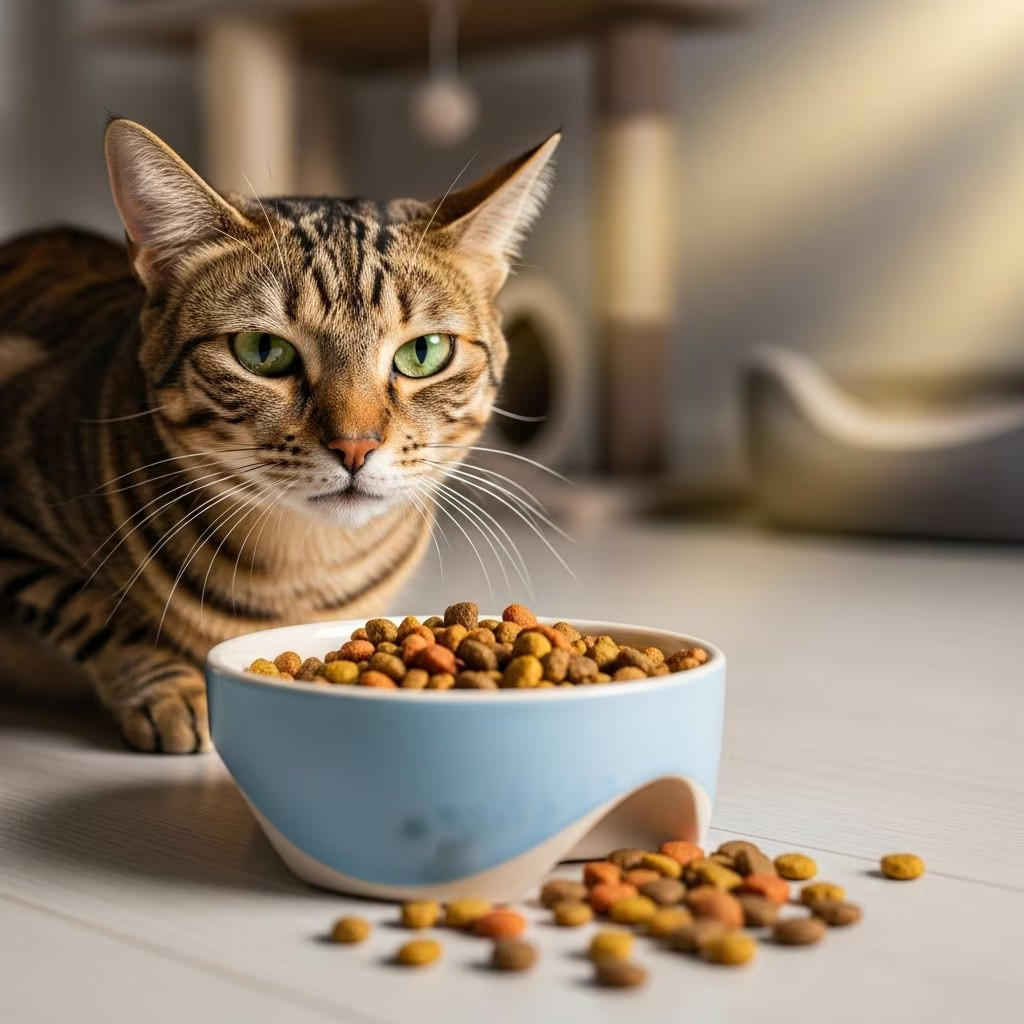
Cats often develop selective eating habits, turning away from their meals despite their obligate carnivore nature that demands high-protein diets. This behavior can stem from health issues, environmental factors, or simple preferences, potentially leading to nutritional deficiencies if unaddressed.
Decoding the Roots of Feline Food Aversion
Understanding why your cat snubs its bowl is the first step to resolution. Cats’ heightened senses make them quick to detect off-putting changes in food quality, such as rancid fats in aged kibble or spoiled wet varieties. Abrupt diet shifts without gradual transitions can overwhelm their systems, causing refusal.
Health concerns frequently underlie pickiness. Dental pain from gum disease or broken teeth hampers chewing, while illnesses like infections, kidney problems, or hyperthyroidism suppress appetite. In multi-cat homes, stress from competition or bullying at feeding stations exacerbates the issue.
Environmental triggers play a significant role too. Proximity to litter boxes or high-traffic zones makes cats feel unsafe, deterring meals. Some felines nibble throughout the day rather than at set times, mistaking their habits for refusal.
Health First: Ruling Out Medical Culprits
Before tweaking diets, consult a veterinarian to exclude underlying conditions. Prolonged refusal—even 24-48 hours—risks hepatic lipidosis, a dangerous fat buildup in the liver, especially in overweight cats. Vets can check for oral issues, parasites, or chronic diseases prompting aversion.
Post-exam, if cleared, proceed with behavioral adjustments. Monitor intake closely; outdoor cats might supplement with prey, masking true pickiness.
Revamping the Feeding Setup for Success
Your cat’s dining environment profoundly influences willingness to eat. Opt for wide, shallow bowls in ceramic or stainless steel to sidestep whisker fatigue, where tall-sided dishes overstimulate sensitive whiskers.
- Position bowls in quiet, low-traffic spots away from litter areas.
- Elevate dishes for seniors with arthritis to ease access.
- Ensure scrupulous cleanliness; residual odors repel fastidious cats.
Experiment with dish shapes—plates versus bowls—and materials, always prioritizing non-porous options to prevent bacterial buildup.
Mastering Diet Transitions and Variety
Sudden food changes spell disaster for discerning palates. Implement 7-10 day transitions by blending old and new formulas incrementally.
Introduce variety to combat boredom: alternate wet pâtés, chunks in gravy, freeze-dried raw, or kibble shapes and flavors weekly. Warm wet food slightly to amplify aromas, mimicking fresh prey’s appeal.
| Food Type | Pros for Picky Eaters | Transition Tip |
|---|---|---|
| Wet Food (Pâté) | Strong scent, high moisture | Mix 25% new with 75% old Day 1-3 |
| Freeze-Dried Raw | Novel texture, protein-rich | Rehydrate; offer small portions |
| Kibble Varieties | Crunchy appeal, dental benefits | Sprinkle atop wet for familiarity |
| Chunks in Gravy | Enticing texture contrast | Rotate flavors bi-weekly |
Avoid over-reliance on treats or human scraps, which spoil appetites and lack balance. Cap treats at 10% daily calories.
Establishing Routines and Behavioral Hacks
Consistency breeds reliability. Set fixed feeding times twice daily, using automatic feeders if schedules vary. Remove uneaten food after 20-30 minutes to build hunger motivation, but never for canned types prone to spoilage.
For grazers, measure total daily portions and allow free access to dry food, tracking consumption. In multi-pet homes, provide separate stations to eliminate guarding.
Reduce free-feeding in overweight cats via portion control post-vet approval.
Advanced Tactics for Stubborn Cases
Food toppers like fish oil or broth (cat-safe) enhance palatability without calories. Puzzle feeders engage hunting instincts, slowing intake and boosting interest.
Rotate locations—countertops or elevated shelves—for novelty, ensuring safety. If stress from changes like new pets persists, pheromone diffusers or behavioral consults help.
Preventing Pickiness from the Start
Kittens exposed to diverse textures and flavors develop flexible eaters. Rotate proteins early, avoiding single-food dependency. Maintain clean routines and stress-free zones lifelong.
FAQs: Common Picky Eater Queries
Why has my cat suddenly stopped eating its favorite food?
Sudden refusal often signals health issues, spoiled food, or stress. Vet check first, then inspect freshness and environment.
Is it safe to warm cat food?
Yes, to body temperature (about 100°F) to release scents, but microwave briefly and test to avoid burns.
How long can my cat go without eating?
No more than 24-48 hours; seek urgent care beyond to prevent liver complications.
Can treats cause pickiness?
Absolutely—limit to mealtimes and 10% of calories to preserve main meal appeal.
What if my senior cat is picky?
Dental pain or mobility issues common; vet dental exam, elevated soft-food bowls recommended.
Monitoring Progress and Long-Term Wellness
Track weight weekly, adjusting strategies. Balanced nutrition supports immunity, coat health, and vitality. Persistent issues warrant specialist input.
By addressing health, setup, and habits systematically, most picky eaters resume enthusiastic dining, safeguarding their well-being.
References
- Whisker Fatigue in Cats and Other Reasons Your Cat Might Be a Picky Eater — Leon Valley Vet. Accessed 2026. https://www.leonvalleyvet.com/services/cats/blog/whisker-fatigue-cats-and-other-reasons-your-cat-might-be-picky-eater
- 13 Tips for Cats Who Are Picky Eaters — Stella & Chewy’s. Accessed 2026. https://www.stellaandchewys.com/blogs/articles/13-tips-for-cat-picky-eaters
- Picky Cat Probs? Here’s What to Do for a Finicky Eater — Meow Mix. Accessed 2026. https://www.meowmix.com/cat-care/picky-eater-tips
- Picky Kitty? Here’s How to Tempt Your Feline Friend to Eat Again! — Just Cats Clinic. Accessed 2026. https://justcatsclinic.com/picky-kitty-heres-how-to-tempt-your-feline-friend-to-eat-again/
- Is Your Cat a Difficult Eater? Here’s What You Can Do — Humane Loudoun. Accessed 2026. https://humaneloudoun.org/is-your-cat-a-difficult-eater-heres-what-you-can-do/
- Is Your Cat a Picky Eater, or Is It Something More? — Oz Animal Hospital. Accessed 2026. https://ozanimalhospital.com/is-your-cat-a-picky-eater-or-is-it-something-more/
- 6 Reasons Why Your Cat Is Not Eating and What To Do — PetMD. Accessed 2026. https://www.petmd.com/cat/nutrition/cat-not-eating-what-to-do



