

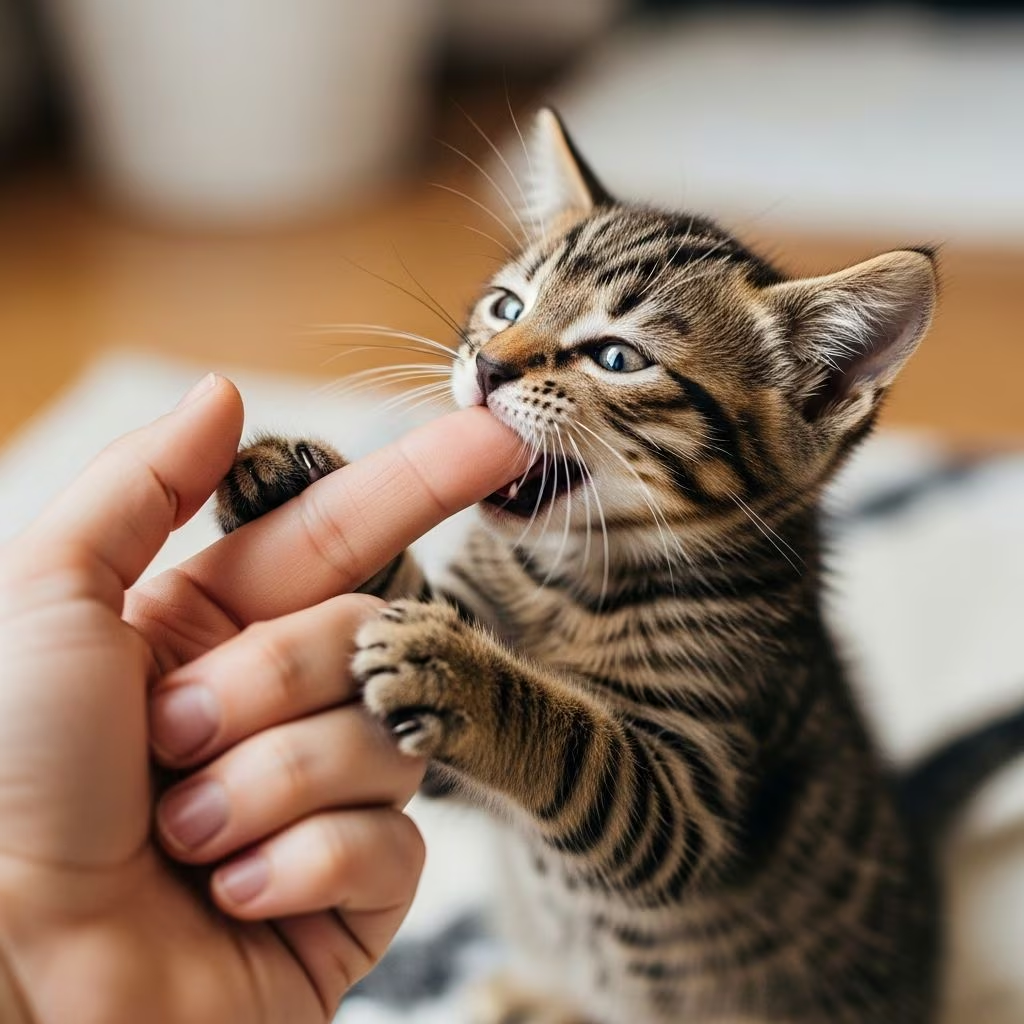
Kittens often bite as part of their natural development, but with consistent training, owners can redirect this behavior toward appropriate outlets. This guide explores the root causes of kitten biting and provides actionable steps to encourage gentle interactions.
Decoding the Reasons Behind Kitten Nipping
Understanding why kittens bite is the first step in addressing the issue effectively. Young felines use their mouths to interact with the world, much like human infants use hands. Several factors drive this behavior, each requiring a tailored response.
- Teething Discomfort: Between 2 and 6 months, kittens experience teething, leading to chewing on anything available to alleviate gum soreness.
- Instinctual Play: Biting mimics hunting practice, where kittens stalk, pounce, and capture prey-like objects.
- Exploration: Mouths serve as primary sensory tools, testing textures and temperatures.
- Fear or Stress: Defensive nips occur when kittens feel threatened by new environments or overstimulation.
- Attention Seeking: If biting elicits reactions, it reinforces the habit as a way to engage owners.
Recognizing these triggers allows owners to intervene proactively, preventing escalation into adult cat aggression.
Building a Foundation for Gentle Interactions
Establishing rules early sets expectations. Kittens thrive on routine and clear signals, learning quickly through repetition.
Implementing Immediate Response Protocols
When a bite occurs, respond swiftly but calmly. Vocalize a firm “no” and withdraw attention by walking away or freezing movement. This signals that biting halts fun, teaching bite inhibition similar to littermate corrections. Avoid yelling or physical reprimands, as they can foster fear-based aggression.
| Scenario | Correct Response | Why It Works |
|---|---|---|
| Play bite on hand | Say “no,” disengage for 30 seconds | Associates biting with end of play |
| Nip during petting | Stop petting, redirect to toy | Prevents overstimulation bites |
| Fear-induced bite | Remove stressor, provide safe space | Reduces defensive reactions |
Positive Reinforcement Essentials
Reward non-biting moments with praise, treats, or play. During successful toy hunts, offer verbal approval to link good behavior with positives. Consistency across household members prevents mixed signals.
Equipping Your Home for Success
A bite-proof environment channels energy productively. Stock up on engaging items to satisfy natural urges.
- Chew-Safe Options: Durable rubber toys or frozen wet cloths soothe teething pains without targeting skin.
- Hunt Simulators: Feather wands, crinkle balls, and mouse plushies encourage predatory play away from humans.
- Puzzle Feeders: These dispense food through problem-solving, tiring minds and reducing boredom bites.
Rotate toys weekly to maintain novelty, keeping sessions short (10-15 minutes, 3-4 times daily) to match attention spans.
Daily Routines to Minimize Biting Incidents
Structured schedules prevent excess energy buildup, a common bite trigger. Integrate play, feeding, and rest into a predictable pattern.
- Morning: 10-minute wand chase to start the day actively.
- Midday: Puzzle feeder for mental workout during alone time.
- Evening: Calm plush toy session before bedtime to wind down.
Monitor for patterns; overtired kittens bite more, akin to cranky toddlers. Enforce nap times in quiet zones.
Addressing Persistent or Unusual Biting
Most biting resolves with training, but some cases signal deeper issues. Track frequency and context in a journal.
- Medical Checks: Sudden increases may indicate pain from dental problems or illness; consult vets promptly.
- Behavioral Experts: For non-responsive cases, professionals craft personalized plans.
Socialization matters too—expose kittens gradually to stimuli, rewarding calm responses to build confidence.
Common Mistakes and How to Avoid Them
Well-intentioned actions can backfire. Steer clear of these pitfalls:
- Using hands as toys, which blurs play boundaries.
- Inconsistent reactions, confusing the kitten.
- Punitive measures like spraying water, risking trust erosion.
- Insufficient play, leading to frustration outlets.
Long-Term Benefits of Early Training
Investing time now yields a confident, affectionate adult cat. Trained kittens develop better human bonds, reducing scratches and fostering mutual respect. Patience pays off; expect 2-4 weeks for noticeable changes with daily effort.
Frequently Asked Questions
Is all kitten biting normal?
Yes, it’s developmental, peaking around 3-4 months, but must be managed to avoid habits.
What if my kitten bites during cuddles?
This is petting-induced overstimulation; pause and offer a toy.
How much playtime is enough?
Aim for 30-60 minutes daily in bursts to exhaust hunting instincts.
Can older kittens still learn?
Absolutely; consistency works at any age, though younger ones adapt faster.
When to worry about biting?
If accompanied by hissing, hiding, or injury, seek vet advice.
References
- How to Stop Kittens from Biting — Brown Veterinary Hospital. 2023-05-15. https://brownvethospital.com/blog/how-to-stop-kittens-from-biting/
- Why Does My Cat Bite Me? And How To Get It To Stop — Cats.com. 2024-02-10. https://cats.com/why-does-my-cat-bite-me
- Kitten Biting Behavior — Creekside Veterinary Hospital. 2023-08-22. https://creeksidepetvet.com/kitten-biting-behavior/
- How to Stop Kitten Biting — Purina US. 2024-11-05. https://www.purina.com/articles/cat/kitten/behavior/how-to-stop-kitten-biting
- Why Is My Kitten Biting Me—and How Do I Stop It? — Chewy. 2023-12-18. https://www.chewy.com/education/cat/training-and-behavior/why-is-my-kitten-biting-me



